

Quick answer
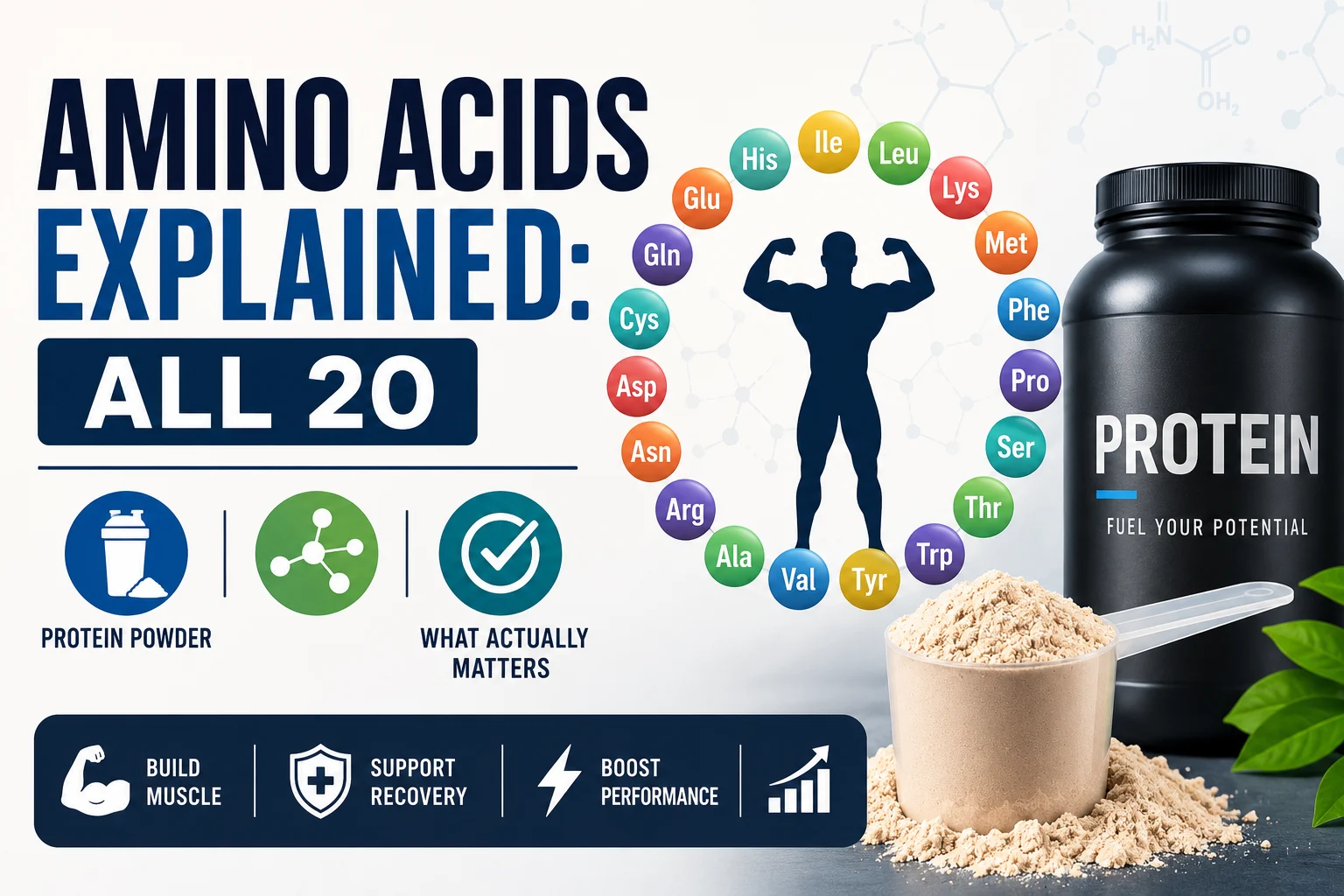
Human proteins are built from 20 standard amino acids. Nine are essential and must come from food; the body normally makes the other 11, although several can become conditionally essential during growth, illness or injury. For choosing a protein powder, the full essential-amino-acid profile and digestibility matter more than one fashionable amino acid or a large BCAA badge.
Essential, non-essential and conditionally essential
The word essential does not mean more important. It means the body cannot synthesise enough of that amino acid, so it must arrive through the diet. The nine essential amino acids are histidine, isoleucine, leucine, lysine, methionine, phenylalanine, threonine, tryptophan and valine.
The remaining standard amino acids are normally produced by the body. Arginine, cysteine, glutamine, glycine, proline and tyrosine are often described as conditionally essential because demand can exceed production during growth, serious illness, injury or other physiological stress.
A supplement label that shouts about a non-essential amino acid is not automatically dishonest—glutamine and glycine have real biological roles—but its presence does not necessarily improve an already adequate protein powder.
The 9 essential amino acids
The nine essential amino acids are histidine, isoleucine, leucine, lysine, methionine, phenylalanine, threonine, tryptophan and valine. Your body cannot produce enough of them, so they must come from food or supplements containing dietary protein.
Each performs a different role, but none works in isolation. If one essential amino acid is genuinely limiting, the body cannot use all the others efficiently for new protein synthesis. The table below explains what each one does, where it comes from and why it matters when comparing protein powders.
| Amino acid | Main roles | Useful food sources | Powder relevance |
|---|---|---|---|
| Histidine | Precursor to histamine; supports haemoglobin and tissue repair | Meat, fish, dairy, soy and grains | Essential in adults; rarely needs separate supplementation. |
| Isoleucine | BCAA involved in muscle metabolism and glucose uptake | Eggs, meat, dairy, soy, lentils and nuts | Already present in whey, soy and plant blends. |
| Leucine | BCAA that helps activate mTORC1 and initiate muscle protein synthesis | Whey, dairy, meat, fish, eggs, soy, beans and seeds | Whey is especially dense, but vegan proteins also contain it. Roughly 2–3g in a protein-rich meal is a useful practical benchmark, not a universal threshold. |
| Lysine | Collagen formation, carnitine synthesis and protein building | Meat, dairy, fish, soy and legumes | Often relatively limited in cereal and rice proteins. |
| Methionine | Methyl donor and precursor to cysteine | Eggs, fish, meat, dairy, sesame and grains | Often relatively limited in pea and many legumes. |
| Phenylalanine | Precursor to tyrosine and catecholamine chemistry | Meat, dairy, soy, nuts and seeds | Normally abundant in complete proteins. |
| Threonine | Structural proteins, gut mucus and immune proteins | Dairy, meat, fish, eggs and soy | A required part of any complete EAA profile. |
| Tryptophan | Precursor to serotonin, melatonin and niacin | Eggs, dairy, poultry, soy, seeds and oats | Collagen lacks tryptophan, so collagen is not complete. |
| Valine | BCAA used in tissue repair and energy metabolism | Dairy, meat, soy, beans and grains | A BCAA, but adding it alone does not complete a weak protein. |
The 11 amino acids your body normally makes
Non-essential amino acids still perform essential biological work. The label describes where they come from, not whether the body needs them. In healthy adults, eating sufficient protein supplies their raw materials while the body synthesises additional amounts as required.
| Amino acid | What it contributes | Marketing reality |
|---|---|---|
| Alanine | Glucose-alanine cycle and energy metabolism | Normal component of dietary protein; no compelling reason to buy it alone. |
| Arginine | Nitric-oxide precursor and urea-cycle participant | Conditionally essential in some states; oral citrulline is often a more reliable route to raising arginine availability. |
| Asparagine | Nitrogen transport and protein synthesis | Common in food and made by the body. |
| Aspartic acid | Energy metabolism and nucleotide synthesis | Naturally widespread; not a meaningful premium feature. |
| Cysteine | Glutathione production and disulphide bonds | Made from methionine; relevant to the sulphur-amino-acid balance. |
| Glutamic acid | Amino-group metabolism and neurotransmitter precursor | Usually one of the most abundant amino acids in food proteins. |
| Glutamine | Fuel for gut and immune cells; nitrogen transport | Important during severe physiological stress, but extra glutamine does not make an adequate everyday protein more anabolic. |
| Glycine | Collagen, creatine and haem synthesis | Extremely abundant in collagen; high glycine does not make collagen a complete muscle protein. |
| Proline | Collagen structure and connective tissue | Another collagen-rich amino acid with a specialised rather than complete profile. |
| Serine | Cell membranes, one-carbon metabolism and signalling | Normally synthesised and widely supplied by food. |
| Tyrosine | Precursor to thyroid hormones and catecholamines | Made from phenylalanine; conditionally essential when phenylalanine conversion is impaired. |
BCAAs versus EAAs versus complete protein
BCAAs are only leucine, isoleucine and valine. EAAs include those three plus histidine, lysine, methionine, phenylalanine, threonine and tryptophan. A complete intact protein supplies all nine essential amino acids in useful amounts.
BCAAs can activate parts of the muscle-protein-synthesis signalling pathway, but the response is smaller than with a complete protein containing all essential amino acids. That makes a BCAA drink a poor substitute for whey, soy or a well-designed plant blend.
Free-form EAA products can be useful when a full shake or meal is impractical, but they are usually more expensive per meaningful dose and provide less satiety. For ordinary gym use, intact protein remains our default recommendation.
| Option | What it supplies | Best use | ProteinDeals verdict |
|---|---|---|---|
BCAA supplement | Leucine, isoleucine and valine | Flavoured training drink | Usually weak value because six essential amino acids are missing. |
EAA supplement | All nine essential amino acids | Low-volume intake when whole protein is impractical | More defensible than BCAAs, but compare its cost with a complete powder. |
Whey or casein | Complete intact dairy protein | Everyday muscle and protein intake | Simplest high-quality option when dairy is tolerated. |
Soy isolate | Complete intact plant protein | Single-source vegan protein | Often the best vegan value despite less fashionable marketing. |
Pea and rice blend | Complementary plant amino-acid profiles | Soy-free vegan protein | A sensible blend when serving protein is high enough. |
Collagen | Glycine- and proline-rich incomplete protein | Connective-tissue goals | Do not count it as the main muscle-building protein. |
5 protein powders compared by amino-acid transparency
A manufacturer earns more credit for publishing a usable amino-acid table than for printing an enormous BCAA number on the front. These products illustrate five different approaches currently represented in the ProteinDeals catalogue.
The ranking is about transparency and protein design, not a claim that one fixed product is permanently cheapest. Use the live comparison beneath it for current price order.
| Product | Protein design | Amino-acid strength | ProteinDeals verdict |
|---|---|---|---|
| Whey isolate | Publishes a full profile including each EAA | Best transparency example and naturally leucine-rich. | |
| Pea, faba and brown rice | Publishes total EAAs and BCAAs per serving | Strong vegan blend, although individual EAA values would be even better. | |
| Soy isolate | Complete single-source plant protein | Our value-first vegan benchmark when its live unit price is competitive. | |
| Pea isolate | Useful lysine and leucine; relatively lower methionine | Good budget base when the rest of the diet is varied. | |
| Whey isolate/concentrate blend | Complete protein with a declared total BCAA figure | Reliable, but remember total BCAAs are not a leucine measurement. |


Live comparison
Whey Protein products
FlavourSize (g)QtyServingsOfferTotal Per 25g protein 3000191.2 £37.99 25.0g125£0.417 2000160.8 £27.99 25.0g125£0.460 1000130.4 £15.99 25.0g125£0.526 |
FlavourSize (g)QtyServingsOfferTotal Per 25g protein 1000132.3 £14.99£19.99 -25%25.0g118£0.463 |
FlavourSize (g)QtyServingsOfferTotal Per 25g protein 1000132.3 £14.99£19.99 -25%25.0g118£0.463 |
FlavourSize (g)QtyServingsOfferTotal Per 25g protein 1000127.3 £18.99 25.0g138£0.695 |
FlavourSize (g)QtyServingsOfferTotal Per 25g protein 48001113.3 £80.49 25.0g155£0.711 2400156.6 £40.99 25.0g155£0.724 1200128.3 £21.29 25.0g155£0.752 |
FlavourSize (g)QtyServingsOfferTotal Per 25g protein 48001130.6 £95.99 25.0g136£0.735 2400165.3 £51.99 25.0g136£0.796 1200132.6 £28.29 25.0g136£0.867 |
FlavourSize (g)QtyServingsOfferTotal Per 25g protein 48001132.5 £104.49 25.0g131£0.789 2400166.2 £56.49 25.0g131£0.853 1200133.1 £30.49 25.0g131£0.921 |
FlavourSize (g)QtyServingsOfferTotal Per 25g protein 43501125.3 £99.99 25.0g132£0.798 1000128.8 £25.99 25.0g127£0.902 50001146 £144.49 25.0g129£0.990 |
FlavourSize (g)QtyServingsOfferTotal Per 25g protein 60001168 £143.99 25.0g129£0.857 3000184 £77.99 25.0g129£0.928 1500142 £41.99 25.0g129£1.000 |
FlavourSize (g)QtyServingsOfferTotal Per 25g protein 2000157 £49.99£99.99 -50%25.0g136£0.878 1000128.5 £29.99£49.99 -40%25.0g136£1.053 500114.2 £17.99£24.99 -28%25.0g136£1.263 |
FlavourSize (g)QtyServingsOfferTotal Per 25g protein 2250163 £55.99 25.0g156£0.889 750121 £19.99 25.0g156£0.952 375110.8 £11.99 25.0g153£1.110 |
FlavourSize (g)QtyServingsOfferTotal Per 25g protein 720120.2 £17.99£29.99 -40%25.0g133£0.892 2000156 £69.99 25.0g134£1.250 15001- £64.99 --- |
FlavourSize (g)QtyServingsOfferTotal Per 25g protein 50001142 £129.99 25.0g133£0.915 2500171 £67.99 25.0g133£0.958 1000128.4 £27.99 25.0g133£0.986 |
FlavourSize (g)QtyServingsOfferTotal Per 25g protein 2000164.8 £60.00 25.0g127£0.926 |
FlavourSize (g)QtyServingsOfferTotal Per 25g protein 50001150 £139.99 25.0g125£0.933 2500175 £74.99 25.0g125£1.000 1000130 £31.99 25.0g125£1.066 |
FlavourSize (g)QtyServingsOfferTotal Per 25g protein 2100163 £59.95 25.0g126£0.952 510115.3 £29.95 25.0g126£1.957 |
FlavourSize (g)QtyServingsOfferTotal Per 25g protein 1800157.6 £54.95 25.0g113£0.954 1000132 £32.95 25.0g113£1.030 450114.4 £19.95 25.0g113£1.385 |
FlavourSize (g)QtyServingsOfferTotal Per 25g protein 50001112 £107.99 25.0g151£0.964 2500154 £59.99 25.0g162£1.111 1000123.2 £28.49 25.0g155£1.228 |
FlavourSize (g)QtyServingsOfferTotal Per 25g protein 908130.5 £30.02£49.99 -40%25.0g108£0.984 |
FlavourSize (g)QtyServingsOfferTotal Per 25g protein 40001124.8 £123.99 25.0g120£0.993 2000162.4 £63.99 25.0g120£1.025 1000131.2 £33.99 25.0g120£1.089 |
FlavourSize (g)QtyServingsOfferTotal Per 25g protein 40001118.4 £119.49 25.0g127£1.009 1000129.6 £31.99 25.0g127£1.081 |
FlavourSize (g)QtyServingsOfferTotal Per 25g protein 50001158.2 £159.99 25.0g126£1.011 3000194.9 £99.99 25.0g126£1.053 2000163.3 £69.99 25.0g126£1.106 |
FlavourSize (g)QtyServingsOfferTotal Per 25g protein 40001123.2 £127.99 25.0g123£1.039 500114.8 £15.99 25.0g127£1.080 2000159.2 £65.99 25.0g127£1.115 |
FlavourSize (g)QtyServingsOfferTotal Per 25g protein 1000128.5 £29.99£49.99 -40%25.0g136£1.053 500114.2 £17.99£49.99 -64%25.0g136£1.263 |
FlavourSize (g)QtyServingsOfferTotal Per 25g protein 45001138.1 £145.99 25.0g128£1.057 2270169.6 £89.99 25.0g128£1.292 1000130.7 £52.99 25.0g128£1.727 |
FlavourSize (g)QtyServingsOfferTotal Per 25g protein 908127.6 £29.39£42.99 -32%25.0g124£1.065 2000160.8 £92.99 25.0g126£1.529 3010.9 £2.99 25.0g125£3.194 |
FlavourSize (g)QtyServingsOfferTotal Per 25g protein 2270173.5 £79.99 25.0g117£1.088 |
FlavourSize (g)QtyServingsOfferTotal Per 25g protein 2270173.5 £79.99£89.99 -11%25.0g117£1.088 |
FlavourSize (g)QtyServingsOfferTotal Per 25g protein 2000153.6 £59.99 25.0g142£1.119 900124.1 £39.99 25.0g142£1.658 |
FlavourSize (g)QtyServingsOfferTotal Per 25g protein 2200170.4 £79.99 25.0g-£1.136 900128.8 £41.99 25.0g-£1.458 1500148 £74.99 25.0g-£1.562 |
FlavourSize (g)QtyServingsOfferTotal Per 25g protein 2000152 £59.99 25.0g151£1.154 1000126 £34.99 25.0g151£1.346 |
FlavourSize (g)QtyServingsOfferTotal Per 25g protein 500113.8 £15.99£24.99 -36%25.0g130£1.159 1000127.6 £39.99£44.99 -11%25.0g130£1.449 |
FlavourSize (g)QtyServingsOfferTotal Per 25g protein 1000129.6 £34.49 25.0g128£1.165 |
FlavourSize (g)QtyServingsOfferTotal Per 25g protein 2000158.3 £68.95 25.0g135£1.182 825124.1 £33.95 25.0g135£1.411 450113.1 £19.95 25.0g135£1.520 |
FlavourSize (g)QtyServingsOfferTotal Per 25g protein 2500177 £91.99 25.0g119£1.195 1000130.8 £39.99 25.0g119£1.298 500115.4 £23.49 25.0g119£1.525 |
FlavourSize (g)QtyServingsOfferTotal Per 25g protein 1000130.8 £36.99 25.0g130£1.201 500115.4 £25.99 25.0g130£1.688 |
FlavourSize (g)QtyServingsOfferTotal Per 25g protein 2000161.7 £75.00 25.0g126£1.215 |
FlavourSize (g)QtyServingsOfferTotal Per 25g protein 45301137.7 £170.00 25.0g123£1.234 2260168.7 £98.00 25.0g123£1.426 899127.3 £50.00 25.0g123£1.830 |
FlavourSize (g)QtyServingsOfferTotal Per 25g protein 900125.9 £32.00 25.0g130£1.235 |
FlavourSize (g)QtyServingsOfferTotal Per 25g protein 1800160.5 £75.00 25.0g-£1.240 |
FlavourSize (g)QtyServingsOfferTotal Per 25g protein 650117.4 £22.00 25.0g136£1.263 |
FlavourSize (g)QtyServingsOfferTotal Per 25g protein 500114.2 £17.99£24.99 -28%25.0g112£1.263 |
FlavourSize (g)QtyServingsOfferTotal Per 25g protein 2250155.2 £69.99 25.0g147£1.269 908122.3 £39.99 25.0g147£1.796 |
FlavourSize (g)QtyServingsOfferTotal Per 25g protein 2000154.4 £71.99 25.0g132£1.323 1000127.2 £39.99 25.0g132£1.470 500113.6 £21.99 25.0g132£1.617 |
FlavourSize (g)QtyServingsOfferTotal Per 25g protein 2270167.2 £92.00 25.0g125£1.369 |
FlavourSize (g)QtyServingsOfferTotal Per 25g protein 1000129.2 £39.99 25.0g152£1.370 |
FlavourSize (g)QtyServingsOfferTotal Per 25g protein 899125.5 £35.00 25.0g136£1.371 |
FlavourSize (g)QtyServingsOfferTotal Per 25g protein 1000127.6 £37.99 25.0g130£1.376 500113.8 £19.99 25.0g130£1.449 |
FlavourSize (g)QtyServingsOfferTotal Per 25g protein 900257.6 £80.98 25.0g120£1.406 900128.8 £44.99 25.0g120£1.562 3010.9 £2.49 25.0g120£2.664 |
FlavourSize (g)QtyServingsOfferTotal Per 25g protein 1000131.2 £44.99 25.0g127£1.442 3010.9 £1.75 25.0g129£1.944 30019.2 £21.99 25.0g126£2.380 |
FlavourSize (g)QtyServingsOfferTotal Per 25g protein 2000162.4 £89.99 25.0g130£1.442 1000128.8 £44.99 25.0g135£1.562 30019.1 £21.99 25.0g128£2.405 |
FlavourSize (g)QtyServingsOfferTotal Per 25g protein 420113.1 £18.99 25.0g120£1.445 |
FlavourSize (g)QtyServingsOfferTotal Per 25g protein 1800148.2 £69.99 25.0g139£1.451 1200132.2 £47.49 25.0g139£1.477 600116.1 £24.99 25.0g139£1.554 |
FlavourSize (g)QtyServingsOfferTotal Per 25g protein 2250182 £119.99 25.0g100£1.463 750127.3 £49.99 25.0g100£1.829 |
FlavourSize (g)QtyServingsOfferTotal Per 25g protein 900130 £43.99 25.0g-£1.467 |
FlavourSize (g)QtyServingsOfferTotal Per 25g protein 1800154 £79.99 25.0g128£1.481 810124.3 £49.99 25.0g128£2.057 450113 £29.99 25.0g133£2.314 |
FlavourSize (g)QtyServingsOfferTotal Per 25g protein 48001150.5 £224.00£236.00 -5%25.0g126£1.488 2400175.3 £120.00 25.0g126£1.594 1200137.6 £62.00 25.0g126£1.648 |
FlavourSize (g)QtyServingsOfferTotal Per 25g protein 1000260 £89.98 25.0g125£1.500 1000130 £49.99 25.0g125£1.666 |
FlavourSize (g)QtyServingsOfferTotal Per 25g protein 1020129.4 £44.99 25.0g127£1.532 |
FlavourSize (g)QtyServingsOfferTotal Per 25g protein 1000129.3 £48.95 25.0g131£1.669 |
FlavourSize (g)QtyServingsOfferTotal Per 25g protein 1000122 £36.99 25.0g166£1.678 |
FlavourSize (g)QtyServingsOfferTotal Per 25g protein 2000164.8 £112.00 25.0g129£1.728 1000132.4 £59.00 25.0g129£1.821 |
FlavourSize (g)QtyServingsOfferTotal Per 25g protein 600115.8 £27.49 25.0g142£1.735 |
FlavourSize (g)QtyServingsOfferTotal Per 25g protein 1000126.4 £54.00£60.00 -10%25.0g129£2.045 500113.6 £30.00 25.0g129£2.206 |
FlavourSize (g)QtyServingsOfferTotal Per 25g protein 1000126.8 £54.99 25.0g137£2.052 |
FlavourSize (g)QtyServingsOfferTotal Per 25g protein 1000125.6 £54.00£60.00 -10%25.0g134£2.109 500112.8 £30.00 25.0g134£2.344 |
FlavourSize (g)QtyServingsOfferTotal Per 25g protein 6011.8 £3.99 25.0g119£2.159 |
FlavourSize (g)QtyServingsOfferTotal Per 25g protein 30018.6 £24.99 25.0g128£2.892 |
FlavourSize (g)QtyServingsOfferTotal Per 25g protein 3110.9 £4.39 25.0g123£4.658 |
FlavourSize (g)QtyServingsOfferTotal Per 25g protein - £8.99 25.0g495- |
FlavourSize (g)QtyServingsOfferTotal Per 25g protein 20001- £77.50 25.0g-- |
FlavourSize (g)QtyServingsOfferTotal Per 25g protein 9001- £28.00 --- |
FlavourSize (g)QtyServingsOfferTotal Per 25g protein 20001- £67.50 25.0g-- 9081- £36.00 25.0g-- 4761- £18.00 25.0g-- |
















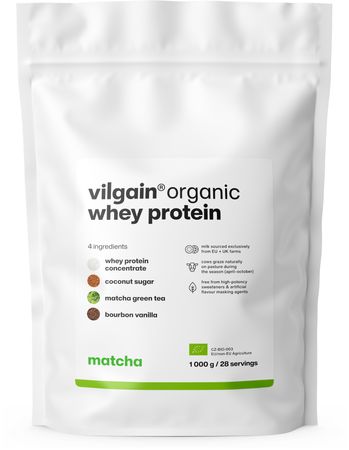


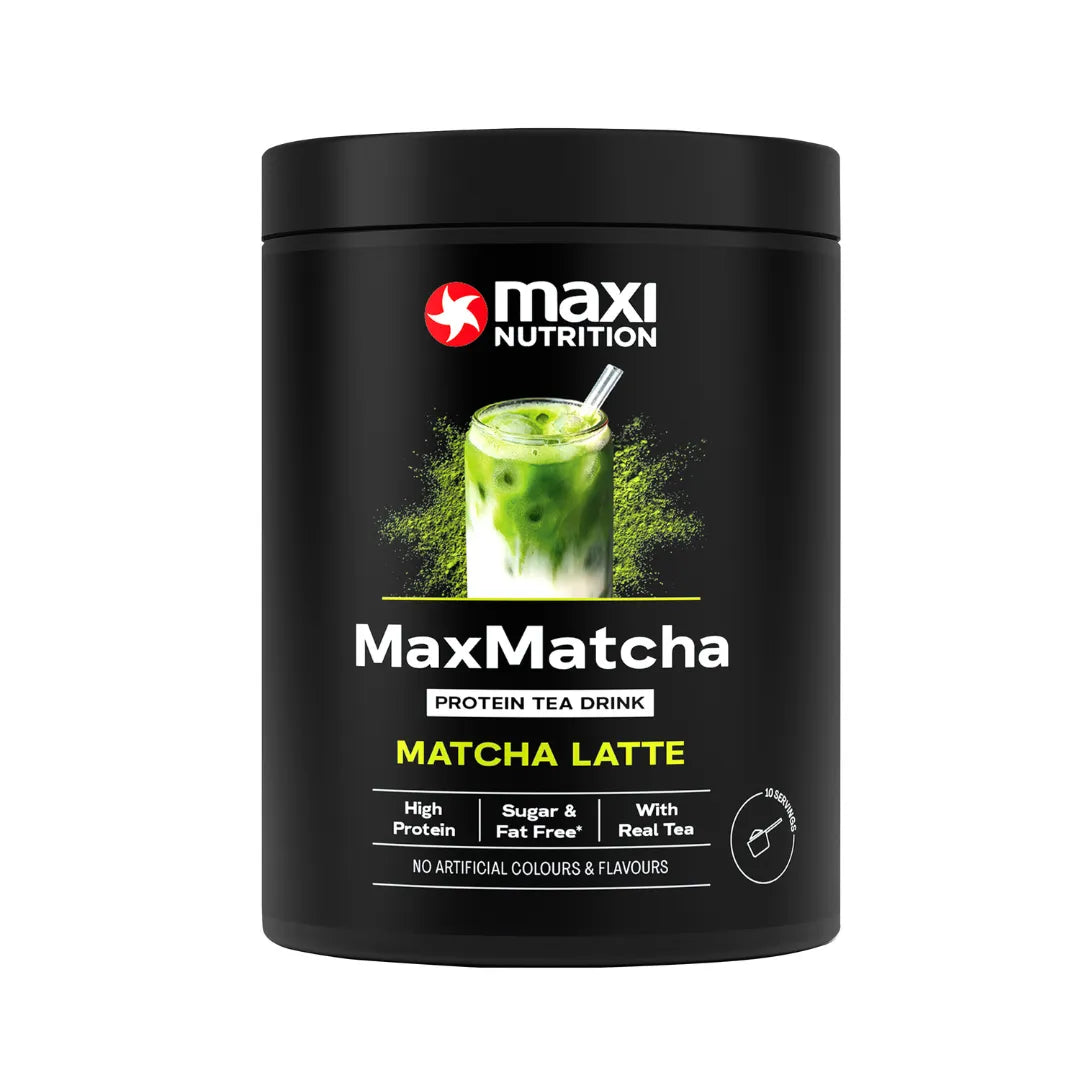



Best overall Whey Protein
Diet Whey Protein Powder
Pure Source Nutrition · 1kg
Pros
- 55.5% cheaper per 25g protein than the median of 65 other Whey Protein product families in this comparison
What complete protein really means
A complete protein supplies all nine essential amino acids. But completeness is not a perfect quality score: the amount of each amino acid and how well it is digested still matter. A source can technically contain all nine while one remains the limiting amino acid.
FAO's DIAAS framework evaluates digestible indispensable amino acids individually. This is more informative than simply measuring nitrogen or asking whether an amino acid is present at all.
Whey, casein, milk, eggs, meat, fish and soy are straightforward complete sources. Pea is relatively limited in methionine; many grains are limited in lysine. Combining complementary sources across a varied day—not necessarily in the same mouthful—helps cover those patterns.
Amino acids in vegan protein
Vegan protein does not lack amino acids. Soy is complete, while pea, rice, hemp and other plant sources have different relative strengths. Protein isolation can raise protein density, but it does not automatically produce the same digestibility or EAA proportions as whey.
For most vegan lifters, the practical solution is uncomplicated: consume enough total protein, use soy or a complementary blend, spread substantial servings across the day and eat a varied diet. You do not need to construct every meal from a chemistry chart.
If a product provides only 15g protein per scoop, adding a fashionable EAA blend is less attractive than choosing a powder that provides 25–30g protein in the first place.
- 1
Soy isolate: complete and generally the strongest single-source vegan option.
- 2
Pea: useful lysine and BCAAs, relatively lower methionine.
- 3
Rice: complements pea by contributing a different amino-acid pattern but is relatively lower in lysine.
- 4
Hemp: nutritionally useful but usually less protein-dense than isolates.
- 5
Blends: valuable when they genuinely complement sources, not simply because the ingredient list is longer.
Which amino-acid supplements are worth considering?
Our bias is towards food and intact protein because they solve several problems at once. Amino-acid supplements become more relevant when appetite, digestion, clinical stress, dietary restriction or training logistics make ordinary protein difficult.
EAAs are more complete than BCAAs. Citrulline has a clearer pre-workout rationale than oral arginine for many buyers. Beta-alanine is not one of the 20 protein-building amino acids, but has separate evidence for raising muscle carnosine; it should not be confused with buying dietary protein.
Glutamine is heavily marketed for recovery, yet healthy lifters already consuming adequate protein rarely gain a meaningful muscle-building advantage from extra powder. Glycine may have specialised uses, but collagen or glycine should never displace complete dietary protein.
- 1
Usually useful: complete protein powder chosen for diet, tolerance and price.
- 2
Sometimes useful: EAAs when a full protein serving is genuinely impractical.
- 3
Goal-specific: citrulline and beta-alanine for performance rather than protein replacement.
- 4
Usually poor value: BCAAs added on top of an already adequate high-protein diet.
- 5
Clinical context: seek professional advice rather than self-prescribing isolated amino acids during illness.
How to audit a protein-powder label
Start with protein per 100g and per serving, because a beautiful amino profile cannot compensate for a tiny dose. Next identify the protein source and look for all nine essential amino acids. Then check whether figures are stated per serving, per 100g powder or per 100g protein—those are not interchangeable.
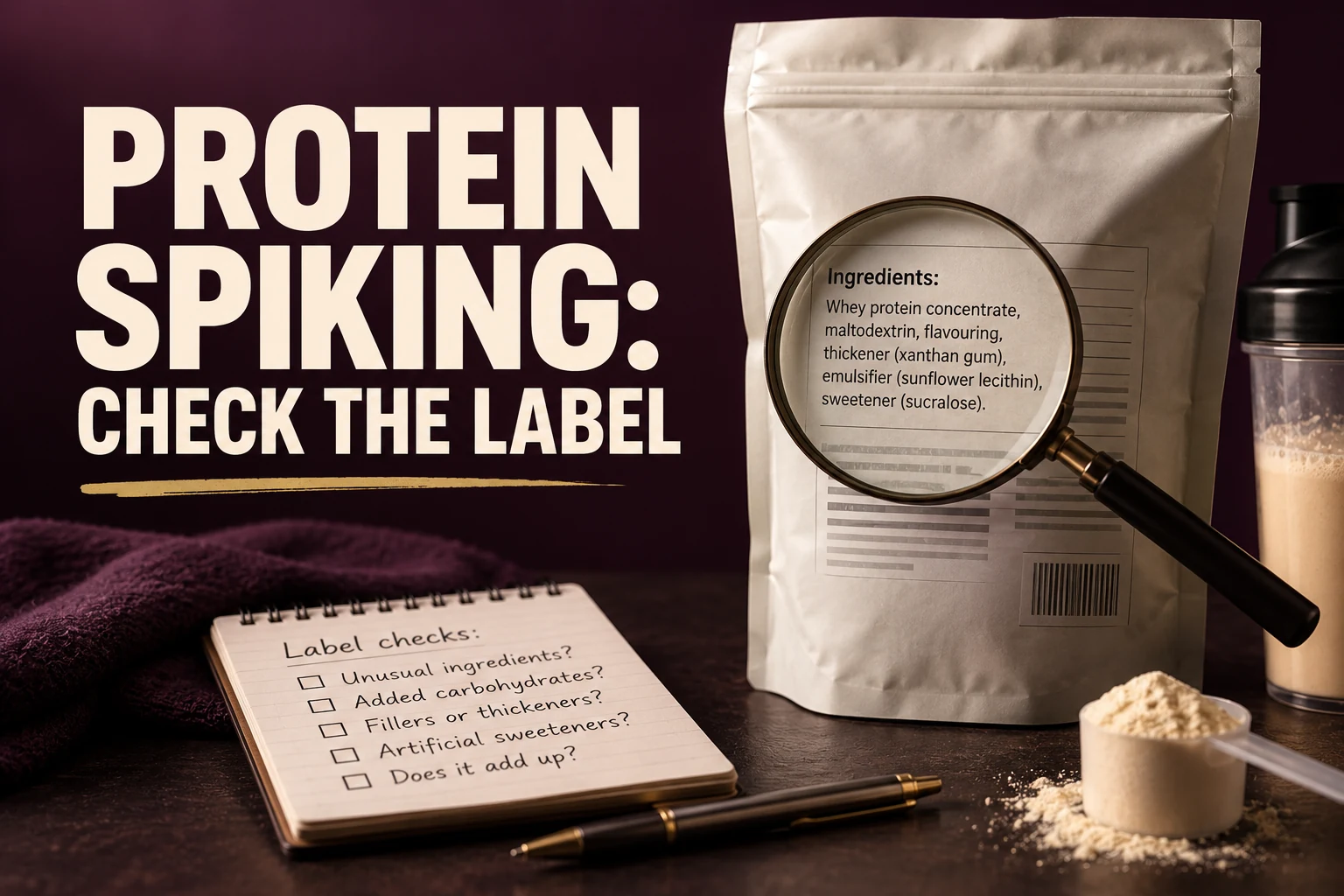
Watch for amino spiking. Free glycine, taurine or creatine can increase measured nitrogen without providing the same intact complete protein as whey or soy. Their presence is not automatically improper, but they should be declared and should not obscure the true protein source.
Finally, compare the checkout price per 25g protein. Pay extra for taste, tolerance, certification or genuine amino transparency when those features matter to you—not for unexplained proprietary blends.
What protein buyers are saying about amino acids
Buyer discussions often collapse three different questions into one: whether a plant powder contains an amino acid, whether it contains every essential amino acid, and whether each one appears in an ideal proportion. Those are not interchangeable.
The comments below are useful because they expose the disagreement directly. The evidence-based answer is that vegan powders contain leucine and other amino acids, while source, serving size, digestibility and the limiting amino acid determine the quality of the final serving.
u/Zealousideal_Tip1421: “Its not a complete protein though. It lacks amino acids like leucine”
r/Myprotein
u/Alternative_Bad_4848: “All vegan protein powders Ive seen contain all 9 amino acids.”
r/Myprotein
One soy-isolate buyer reported: “I've never had issues with the texture/mixability of the soy isolate, whereas pea would be impossible to mix sometimes.”
r/veganfitness
The ProteinDeals recommendation
Most buyers should choose a complete intact protein rather than building a supplement stack from isolated amino acids. Whey wins for efficiency and usually texture; soy isolate wins as a strong-value complete vegan source; pea-and-rice blends suit people avoiding both dairy and soy.
Use amino-acid profiles to expose weak products and break close ties. Do not let them distract from the bigger variables: a sufficient serving, total daily protein, digestibility, tolerance, price and whether you enjoy the product enough to keep using it.
Watch what buyers found
Hands-on opinions
Protein, Essential Amino Acids and Muscle Protein Synthesis
FoundMyFitness
Professor Luc van Loon explains how protein source, essential amino acids, meal distribution and resistance training affect muscle-protein synthesis.
How to Pick the Best Protein Powder
Jeremy Ethier
A practical protein-powder guide that complements the article's explanation of source, amino-acid quality and label interpretation.
References
Sources and further reading
- 01NCBI Bookshelf — Biochemistry, Essential Amino Acids
Overview of the 20 standard amino acids and the nine classified as essential.
- 02FAO — Dietary protein quality evaluation in human nutrition
Expert report explaining amino-acid scoring, digestibility and DIAAS.
- 03PubMed — BCAAs and muscle protein synthesis
Review finding a smaller muscle-protein-synthesis response to BCAAs than to complete protein.
- 04PubMed — Essential amino acids and whole-body protein synthesis
Review of EAA availability, muscle protein synthesis and whole-body protein synthesis.
- 05PubMed — ISSN position stand on essential amino acids
Sports-nutrition position stand on EAA supplementation and exercise.
- 06Peak Supps — Whey Protein Isolate 90
Example of a UK powder publishing a detailed amino-acid profile.
- 07Huel — Complete Protein formula explained
Official explanation of Huel's vegan protein blend and EAA/BCAA totals.
Frequently asked questions
What are the nine essential amino acids?+
Histidine, isoleucine, leucine, lysine, methionine, phenylalanine, threonine, tryptophan and valine. They must be supplied by the diet because the body cannot make enough of them.
Are BCAAs the same as essential amino acids?+
No. BCAAs are only leucine, isoleucine and valine. EAAs include those three plus six others. A complete protein supplies all nine essential amino acids.
Does vegan protein contain all amino acids?+
Soy is a complete protein. Pea, rice and other plant proteins contain amino acids too, but their proportions and digestibility differ. Complementary blends or a varied diet help cover limiting patterns.
Do I need an EAA supplement if I use protein powder?+
Usually not. A substantial serving of whey, soy or a well-designed plant blend already supplies all nine EAAs. Free-form EAAs are mainly useful when eating or drinking a complete protein serving is impractical.
Why is collagen not a complete protein?+
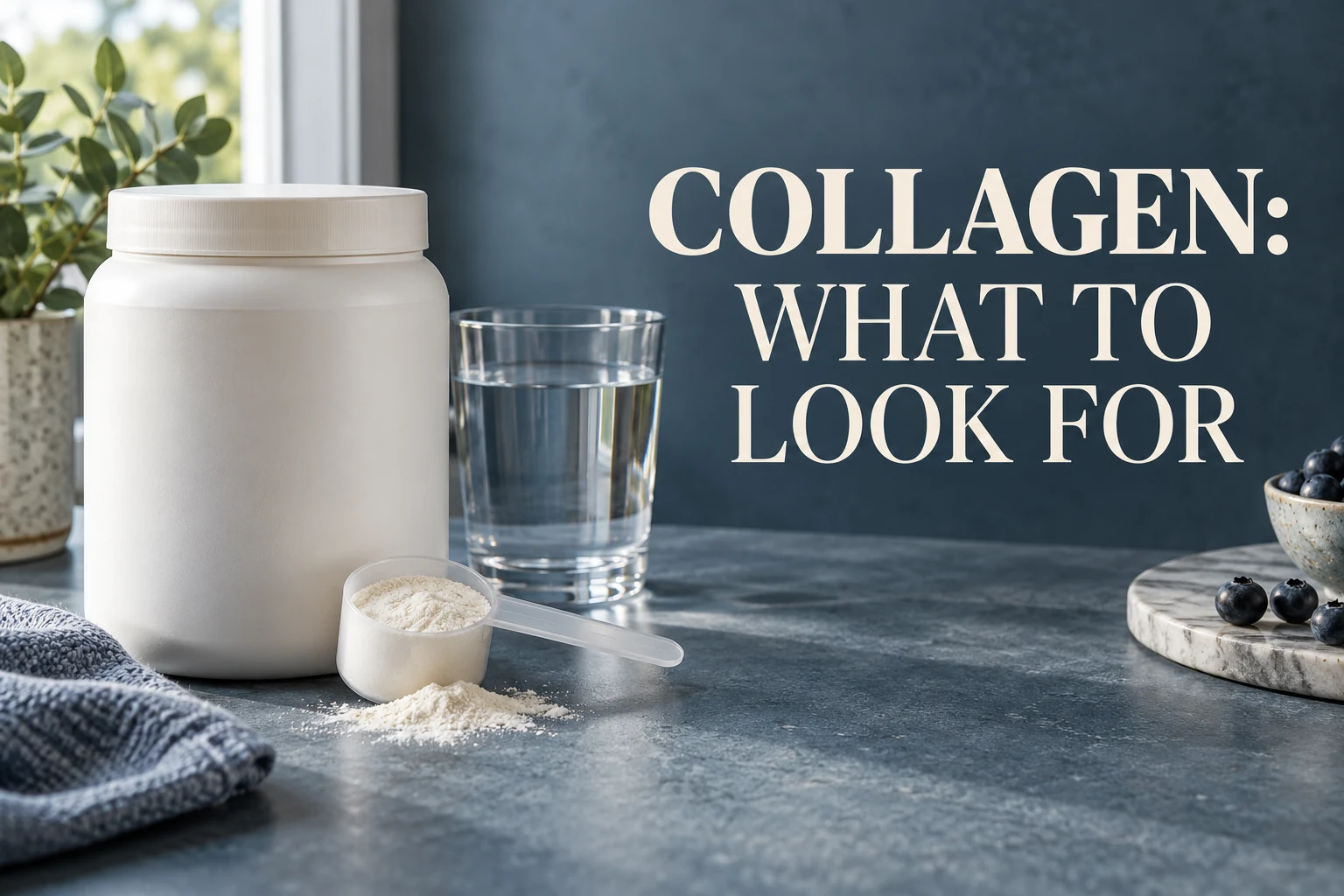
Collagen lacks tryptophan and is low in several essential amino acids, including leucine. It is rich in glycine and proline and is better treated as a connective-tissue supplement than a main muscle-building protein.
What is a limiting amino acid?+
It is the essential amino acid present in the lowest usable proportion relative to human requirements. It can restrict how efficiently the body uses the rest of that protein.
Can protein powder be amino spiked?+
Yes. Added free amino acids or nitrogen-containing compounds can inflate nitrogen-based protein measurements. Check whether the label clearly identifies intact protein sources and separately declares added glycine, taurine, creatine or amino blends.