


Quick answer
Choose plain hydrolysed collagen peptides at a studied daily dose before paying for a beauty blend. Bulk's collagen powder is our practical value pick; shots and capsules cost more for convenience and often make it harder to reach a useful gram dose. Collagen is not a complete replacement for whey or food protein, and evidence is goal-specific rather than miraculous. Match bovine or marine source to dietary needs, verify the actual collagen grams, and compare cost per 10g—not tub price or the number of added beauty ingredients.
What is the best collagen in the UK in 2026?
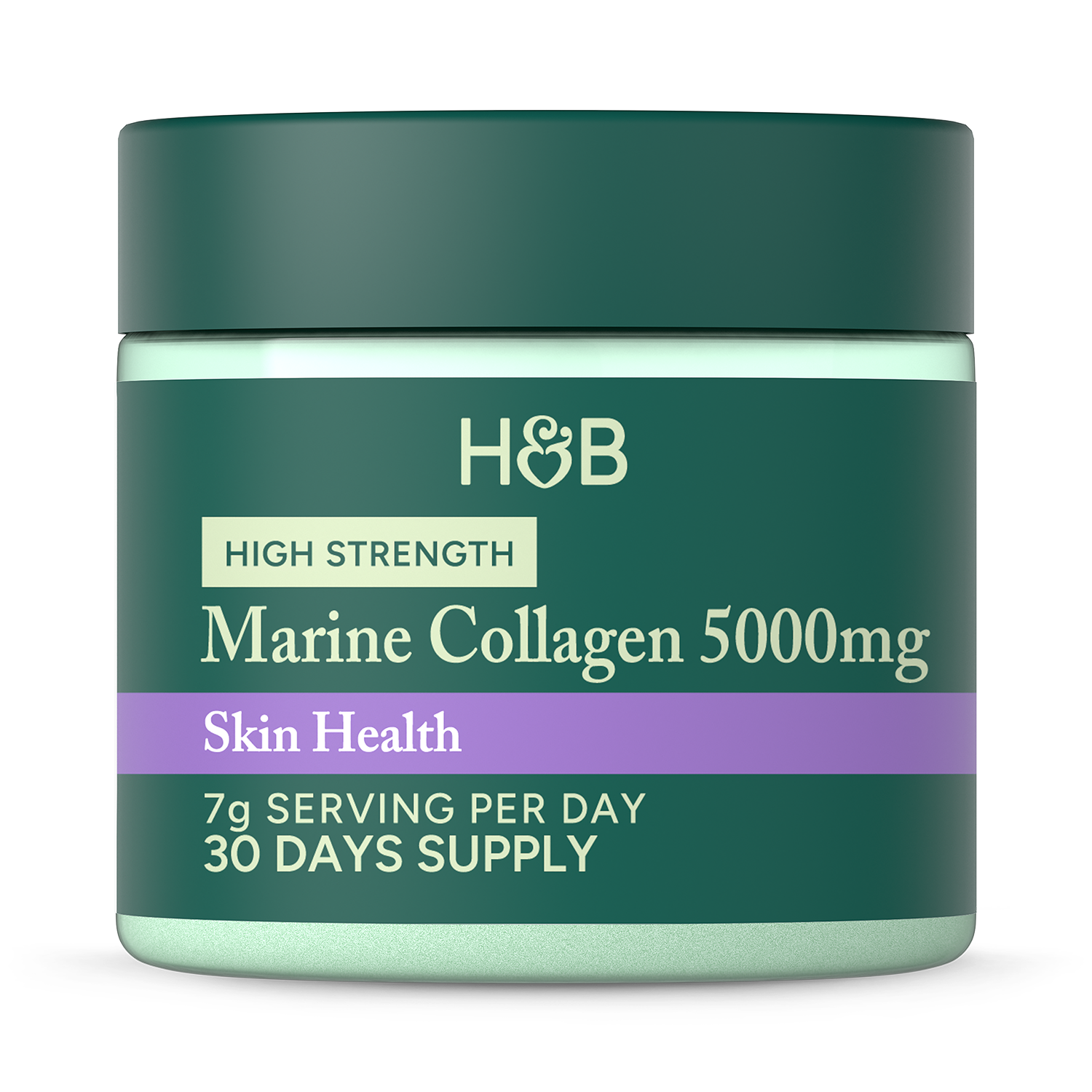
Bulk Skin Health Powder 300g is the best collagen product in the UK in 2026 by ingredient quality. Each scoop delivers hydrolyzed marine collagen plus 6 supporting active ingredients, including hyaluronic acid, vitamin C, biotin, zinc, copper, and silica, all dosed at meaningful levels per the manufacturer's spec sheet. The 300g tub provides roughly 30 servings at £35.99, working out to £1.20 per daily dose.
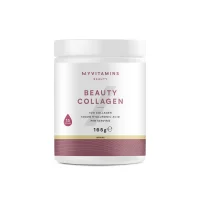
Myvitamins Collagen Beauty Powder is the budget powder pick at £13.99. It carries lower per-serving collagen content than Bulk's option, but the much lower entry price suits first-time collagen users testing the supplement before committing to a premium product.
Bulk Marine Collagen Shots are the convenient ready-mixed pick at £24.99 for 12 servings, or £2.08 per shot. The cost per dose runs higher than powder, but there is zero mixing, no powder texture, and faster absorption from the liquid format.
What is collagen powder and what does it actually do?
Collagen is the most abundant protein in the human body, making up roughly 30 percent of total protein mass. It is the structural protein in skin, joints, tendons, ligaments, and bones. Collagen production peaks in the early 20s and declines by roughly 1 percent per year from age 25 onwards, accelerating during menopause for women.
Hydrolyzed collagen, also called collagen peptides, is collagen enzymatically broken down into smaller molecular fragments of 2 to 5 kDa, small enough to absorb through the gut wall. Once absorbed, these peptides act as building blocks for the body's own collagen synthesis and also signal fibroblast cells to produce more collagen in skin and joints.
Daily hydrolyzed collagen supplementation at 2.5 to 10g per day for 8 to 12 weeks has evidence behind several specific benefits, though it is worth being clear on what collagen does not do: it will not replace the protein in your daily diet, since collagen has a poor amino acid profile for muscle protein synthesis (it lacks tryptophan and is low in leucine), it will not produce overnight results, and it works inconsistently below 2.5g per day.
- 1
Skin hydration and elasticity improved by 8 to 15 percent in placebo-controlled trials, the most consistent benefit and the one with the largest evidence base.
- 2
Joint pain reduction in mild to moderate osteoarthritis, with WOMAC pain scores improving roughly 20 percent on 5 to 10g daily over 6 months in published trials.
- 3
Hair and nail strength improvements appear in some trials at 2.5g per day, though the evidence here is thinner than for skin and joints.
The 6 best collagen products in the UK in 2026
This guide ranks six UK collagen products by cost per 10g daily dose, ingredient quality, and format convenience. Our overall pick is Bulk Skin Health Powder; Myvitamins Collagen Beauty Powder is the lower-cost starting point.
Prices and promotions move, so use the live collagen comparison after this shortlist to check the current order rather than relying on the pack price alone.
| Rank | Product | Best for | ProteinDeals verdict |
|---|---|---|---|
| 1 | Best overall | A useful collagen dose with vitamin C and supporting ingredients. The strongest all-round formula, although not the cheapest. | |
| 2 | Cons
| Best budget powder | The sensible lower-cost trial option. Check its collagen dose against Bulk rather than comparing tub prices alone. |
| 3 | Best for convenience | Easy to take and clearly portioned, but the ready-to-drink format costs considerably more per effective dose. | |
| 4 | Best lower-cost shot | A more affordable route into collagen shots, though powder remains better value for regular use. | |
| 5 | Best for travel | Convenient to carry, but several capsules may be needed to approach the gram doses used in studies. | |
| 6 | Best combined formula | Primarily a multivitamin with collagen added. The collagen dose is too low for it to be our choice as a dedicated collagen supplement. |


Best overall collagen
Bulk Skin Health Powder
Bulk · 100g–300g
Live comparison
Collagen products
FlavourSize (g)Size (ml)QtyServingsOfferTotal Per 25g protein 50001180 £99.99 25.0g100£0.555 30001108 £67.99 25.0g100£0.630 2000172 £47.99 25.0g100£0.667 |
FlavourSize (g)Size (ml)QtyServingsOfferTotal Per 25g protein 50001196 £112.99 25.0g104£0.576 2000178.4 £53.99 25.0g104£0.689 1000139.2 £29.99 25.0g104£0.765 |
FlavourSize (g)Size (ml)QtyServingsOfferTotal Per 25g protein 720121.9 £16.99 25.0g113£0.776 690121.5 £16.99 25.0g104£0.789 2000168 £81.99 25.0g104£1.206 |
FlavourSize (g)Size (ml)QtyServingsOfferTotal Per 25g protein 720121.9 £16.99 25.0g113£0.776 |
FlavourSize (g)Size (ml)QtyServingsOfferTotal Per 25g protein 690121.5 £16.99 25.0g104£0.789 630121.7 £15.99 25.0g102£0.738 600121.6 £15.99 25.0g100£0.740 |
FlavourSize (g)Size (ml)QtyServingsOfferTotal Per 25g protein 1800149 £47.49 25.0g135£0.970 900124.5 £23.99 25.0g135£0.980 450112.2 £12.99 25.0g135£1.061 |
FlavourSize (g)Size (ml)QtyServingsOfferTotal Per 25g protein 2000165.6 £56.99 25.0g109£0.869 1000132.8 £29.99 25.0g109£0.914 500116.4 £15.99 25.0g109£0.975 |
FlavourSize (g)Size (ml)QtyServingsOfferTotal Per 25g protein 978110.8 £30.00 --£2.778 303110.8 £30.00 25.0g421£2.781 |
FlavourSize (g)Size (ml)QtyServingsOfferTotal Per 25g protein 60 ml6012- £22.99 --- 60 ml601- £2.69 --- |
FlavourSize (g)Size (ml)QtyServingsOfferTotal Per 25g protein 500116 £15.99 25.0g117£0.999 |
FlavourSize (g)Size (ml)QtyServingsOfferTotal Per 25g protein 1000129.6 £31.99 25.0g127£1.081 500114.8 £17.99 25.0g127£1.216 |
FlavourSize (g)Size (ml)QtyServingsOfferTotal Per 25g protein 3061- £10.00£17.50 -43%--- |
FlavourSize (g)Size (ml)QtyServingsOfferTotal Per 25g protein 2340173.9 £77.49 25.0g122£1.048 37501120 £128.99 25.0g119£1.075 2250171.1 £77.49 25.0g122£1.090 |
FlavourSize (g)Size (ml)QtyServingsOfferTotal Per 25g protein 31501121 £105.99 25.0g105£0.876 30001120 £105.99 25.0g100£0.883 1890172.6 £66.99 25.0g105£0.923 |
FlavourSize (g)Size (ml)QtyServingsOfferTotal Per 25g protein 950128.9 £33.99 25.0g124£1.177 475114.6 £18.99 25.0g116£1.298 |
FlavourSize (g)Size (ml)QtyServingsOfferTotal Per 25g protein 4001600.1 £14.99£20.00 -25%25.0g-£0.025 |
FlavourSize (g)Size (ml)QtyServingsOfferTotal Per 25g protein 960137.2 £36.99 25.0g94£0.993 480118.6 £18.99 25.0g94£1.020 |
FlavourSize (g)Size (ml)QtyServingsOfferTotal Per 25g protein 2000174.4 £84.99 25.0g100£1.142 1000137.2 £44.99 25.0g100£1.209 500118.6 £24.99 25.0g100£1.344 |
FlavourSize (g)Size (ml)QtyServingsOfferTotal Per 25g protein 3631.7 £87.95 25.0g101£2.945 2421.1 £60.95 25.0g101£3.061 1210.6 £31.95 25.0g101£3.209 |
FlavourSize (g)Size (ml)QtyServingsOfferTotal Per 25g protein 875128.7 £39.49 25.0g107£1.376 500116.4 £23.99 25.0g107£1.463 |
FlavourSize (g)Size (ml)QtyServingsOfferTotal Per 25g protein 3301- £15.00£34.99 -57%--- |
FlavourSize (g)Size (ml)QtyServingsOfferTotal Per 25g protein 5001- £23.99 --- |
FlavourSize (g)Size (ml)QtyServingsOfferTotal Per 25g protein 4901- £23.99 --- |
FlavourSize (g)Size (ml)QtyServingsOfferTotal Per 25g protein 16515.8 £8.99 25.0g102£1.560 |
FlavourSize (g)Size (ml)QtyServingsOfferTotal Per 25g protein 1133.98130.4 £63.00 25.0g131£2.073 2267.96160.8 £134.00 25.0g131£2.205 |
FlavourSize (g)Size (ml)QtyServingsOfferTotal Per 25g protein 1133.98133.6 £63.00 25.0g125£1.877 2267.96167.1 £134.00 25.0g125£1.996 |
FlavourSize (g)Size (ml)QtyServingsOfferTotal Per 25g protein 100013.8 £55.99 25.0g1000£14.734 50011.9 £29.99 25.0g1000£15.784 25011.1 £18.99 25.0g833£16.658 |
FlavourSize (g)Size (ml)QtyServingsOfferTotal Per 25g protein 642123.9 £36.00 25.0g101£1.507 |
FlavourSize (g)Size (ml)QtyServingsOfferTotal Per 25g protein 486113.6 £27.99 25.0g123£2.057 |
FlavourSize (g)Size (ml)QtyServingsOfferTotal Per 25g protein 200318.5 £36.93 25.0g107£1.998 20016.2 £13.99 25.0g107£2.271 |
FlavourSize (g)Size (ml)QtyServingsOfferTotal Per 25g protein 400114.2 £25.00 25.0g101£1.756 320111.4 £20.00 25.0g101£1.756 |
FlavourSize (g)Size (ml)QtyServingsOfferTotal Per 25g protein 250328.5 £47.49 25.0g100£1.666 25019.5 £17.99 25.0g100£1.894 |
FlavourSize (g)Size (ml)QtyServingsOfferTotal Per 25g protein 1401- £9.00 --- |
FlavourSize (g)Size (ml)QtyServingsOfferTotal Per 25g protein 300110.8 £19.99 25.0g101£1.851 |
FlavourSize (g)Size (ml)QtyServingsOfferTotal Per 25g protein 3301- £22.00 --- |
FlavourSize (g)Size (ml)QtyServingsOfferTotal Per 25g protein 300320.5 £63.33 25.0g136£3.086 30016.8 £23.99 25.0g136£3.507 |
FlavourSize (g)Size (ml)QtyServingsOfferTotal Per 25g protein 3003- £64.77 --- 3001- £23.99 --- |
FlavourSize (g)Size (ml)QtyServingsOfferTotal Per 25g protein 12103.6 £8.99£20.00 -55%25.0g104£2.497 |
FlavourSize (g)Size (ml)QtyServingsOfferTotal Per 25g protein 600121.6 £45.98 25.0g100£2.129 300110.8 £22.99 25.0g100£2.129 14015 £22.99 25.0g100£4.561 |
FlavourSize (g)Size (ml)QtyServingsOfferTotal Per 25g protein 600121.6 £45.98 25.0g-£2.129 300110.8 £22.99 25.0g-£2.129 14015 £22.99 25.0g-£4.561 |
FlavourSize (g)Size (ml)QtyServingsOfferTotal Per 25g protein 360110.8 £27.99 25.0g113£2.592 342110.8 £27.99 25.0g107£2.590 330110.8 £27.99 25.0g107£2.586 |
FlavourSize (g)Size (ml)QtyServingsOfferTotal Per 25g protein 30 ml3014- £32.99 --- |
FlavourSize (g)Size (ml)QtyServingsOfferTotal Per 25g protein 2371- £18.99 --- |
FlavourSize (g)Size (ml)QtyServingsOfferTotal Per 25g protein 1000131.6 £82.99 25.0g123£2.626 500115.8 £46.99 25.0g123£2.974 25017.9 £24.99 25.0g123£3.163 |
FlavourSize (g)Size (ml)QtyServingsOfferTotal Per 25g protein 24017.9 £20.00 25.0g106£2.541 |
FlavourSize (g)Size (ml)QtyServingsOfferTotal Per 25g protein 7.130- £18.00 --- |
FlavourSize (g)Size (ml)QtyServingsOfferTotal Per 25g protein 1000133.5 £84.99 25.0g104£2.539 500116.7 £42.99 25.0g104£2.568 25018.4 £23.99 25.0g104£2.866 |
FlavourSize (g)Size (ml)QtyServingsOfferTotal Per 25g protein 342110.8 £29.49 25.0g107£2.729 |
FlavourSize (g)Size (ml)QtyServingsOfferTotal Per 25g protein 300110 £25.99 25.0g105£2.609 |
FlavourSize (g)Size (ml)QtyServingsOfferTotal Per 25g protein 283110.5 £26.99 25.0g100£2.564 |
FlavourSize (g)Size (ml)QtyServingsOfferTotal Per 25g protein 2001- £19.95 --- 201- £6.00 --- |
FlavourSize (g)Size (ml)QtyServingsOfferTotal Per 25g protein 601- £5.99£6.99 -14%--- |
FlavourSize (g)Size (ml)QtyServingsOfferTotal Per 25g protein 601- £5.99£6.99 -14%--- |
FlavourSize (g)Size (ml)QtyServingsOfferTotal Per 25g protein 3001- £29.99£49.99 -40%25.0g-- |
FlavourSize (g)Size (ml)QtyServingsOfferTotal Per 25g protein 25019.5 £25.49 25.0g101£2.683 |
FlavourSize (g)Size (ml)QtyServingsOfferTotal Per 25g protein 3601- £36.99 --- 301110.8 £36.99 25.0g-£3.414 |
FlavourSize (g)Size (ml)QtyServingsOfferTotal Per 25g protein 5001- £52.99 --- 2501- £28.99 --- 1001- £15.99 --- |
FlavourSize (g)Size (ml)QtyServingsOfferTotal Per 25g protein 25013.7 £28.00 25.0g222£7.568 |
FlavourSize (g)Size (ml)QtyServingsOfferTotal Per 25g protein 601- £6.99 --- |
FlavourSize (g)Size (ml)QtyServingsOfferTotal Per 25g protein 25519.4 £29.99 25.0g100£3.196 |
FlavourSize (g)Size (ml)QtyServingsOfferTotal Per 25g protein 151.51- £18.00 --- |
FlavourSize (g)Size (ml)QtyServingsOfferTotal Per 25g protein 2101- £26.00 --- |
FlavourSize (g)Size (ml)QtyServingsOfferTotal Per 25g protein 3001228 £39.99 25.0g100£0.175 |
FlavourSize (g)Size (ml)QtyServingsOfferTotal Per 25g protein 22118.2 £32.99 25.0g102£4.013 |
FlavourSize (g)Size (ml)QtyServingsOfferTotal Per 25g protein 20017.2 £29.95 25.0g103£4.160 2010.7 £7.00 25.0g103£9.722 |
FlavourSize (g)Size (ml)QtyServingsOfferTotal Per 25g protein 231- £3.49 --- |
FlavourSize (g)Size (ml)QtyServingsOfferTotal Per 25g protein 20017.2 £32.00 25.0g101£4.469 |
FlavourSize (g)Size (ml)QtyServingsOfferTotal Per 25g protein 20017.2 £32.00 25.0g101£4.469 |
FlavourSize (g)Size (ml)QtyServingsOfferTotal Per 25g protein 1501- £24.99 --- |
FlavourSize (g)Size (ml)QtyServingsOfferTotal Per 25g protein 2101- £34.99 --- |
FlavourSize (g)Size (ml)QtyServingsOfferTotal Per 25g protein 20017.2 £34.00 25.0g100£4.722 |
FlavourSize (g)Size (ml)QtyServingsOfferTotal Per 25g protein 1531- £28.99 --- |
FlavourSize (g)Size (ml)QtyServingsOfferTotal Per 25g protein 20016.8 £39.95 25.0g119£5.875 2010.7 £9.00 25.0g119£13.235 |
FlavourSize (g)Size (ml)QtyServingsOfferTotal Per 25g protein 15013.6 £36.00 25.0g143£10.000 |
FlavourSize (g)Size (ml)QtyServingsOfferTotal Per 25g protein 9013.2 £24.00 25.0g101£7.449 |
FlavourSize (g)Size (ml)QtyServingsOfferTotal Per 25g protein 1503 £35.00 25.0g119£11.632 |
FlavourSize (g)Size (ml)QtyServingsOfferTotal Per 25g protein 180- £37.99 25.0g131£16.235 90- £19.99 25.0g131£17.085 30- £9.49 25.0g131£24.333 |
FlavourSize (g)Size (ml)QtyServingsOfferTotal Per 25g protein 3.514- £24.99 --- |
FlavourSize (g)Size (ml)QtyServingsOfferTotal Per 25g protein 3602.9 £65.99 25.0g250£23.145 1801.4 £34.99 25.0g250£24.544 900.7 £18.99 25.0g250£26.641 |
FlavourSize (g)Size (ml)QtyServingsOfferTotal Per 25g protein 51- £22.00 --- |
FlavourSize (g)Size (ml)QtyServingsOfferTotal Per 25g protein 30- £1.99£9.99 -80%--- 60- £3.99£15.99 -75%--- |
FlavourSize (g)Size (ml)QtyServingsOfferTotal Per 25g protein 1501.5 £35.00 25.0g119£23.333 |
FlavourSize (g)Size (ml)QtyServingsOfferTotal Per 25g protein - £27.99 25.0g147- |
FlavourSize (g)Size (ml)QtyServingsOfferTotal Per 25g protein - £12.00 --- |
FlavourSize (g)Size (ml)QtyServingsOfferTotal Per 25g protein - £39.00 --- |
FlavourSize (g)Size (ml)QtyServingsOfferTotal Per 25g protein 150- £28.00 --- |
FlavourSize (g)Size (ml)QtyServingsOfferTotal Per 25g protein - £27.99 25.0g147- |
FlavourSize (g)Size (ml)QtyServingsOfferTotal Per 25g protein 12- £21.99 --- |
FlavourSize (g)Size (ml)QtyServingsOfferTotal Per 25g protein 180- £5.99 --- 30- £1.99 --- 60- £3.99 --- |
FlavourSize (g)Size (ml)QtyServingsOfferTotal Per 25g protein 30- £3.99 --- 90- £9.49 --- |
FlavourSize (g)Size (ml)QtyServingsOfferTotal Per 25g protein 60- £26.00 --- |
FlavourSize (g)Size (ml)QtyServingsOfferTotal Per 25g protein 30- £18.00 --- |
FlavourSize (g)Size (ml)QtyServingsOfferTotal Per 25g protein 30- £20.00 --- 90- £33.00 --- |
FlavourSize (g)Size (ml)QtyServingsOfferTotal Per 25g protein 14- £28.00 --- |
FlavourSize (g)Size (ml)QtyServingsOfferTotal Per 25g protein - £7.00 --- |
FlavourSize (g)Size (ml)QtyServingsOfferTotal Per 25g protein - £14.99£19.99 -25%--- |
FlavourSize (g)Size (ml)QtyServingsOfferTotal Per 25g protein 150- £11.99 --- |
FlavourSize (g)Size (ml)QtyServingsOfferTotal Per 25g protein 153.2 £28.05 25.0g575£8.821 |
FlavourSize (g)Size (ml)QtyServingsOfferTotal Per 25g protein 25 £44.99 25.0g-£1.800 |


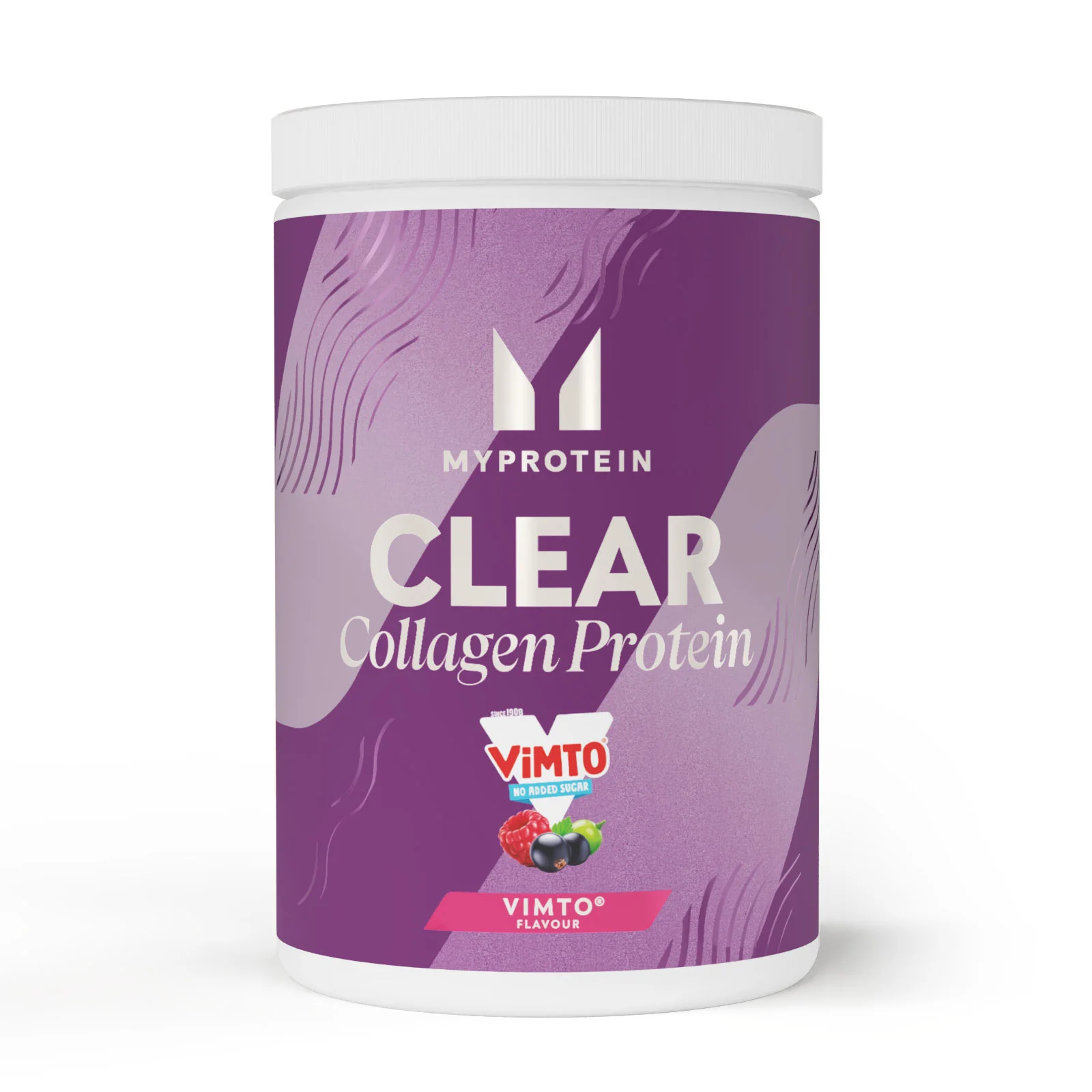
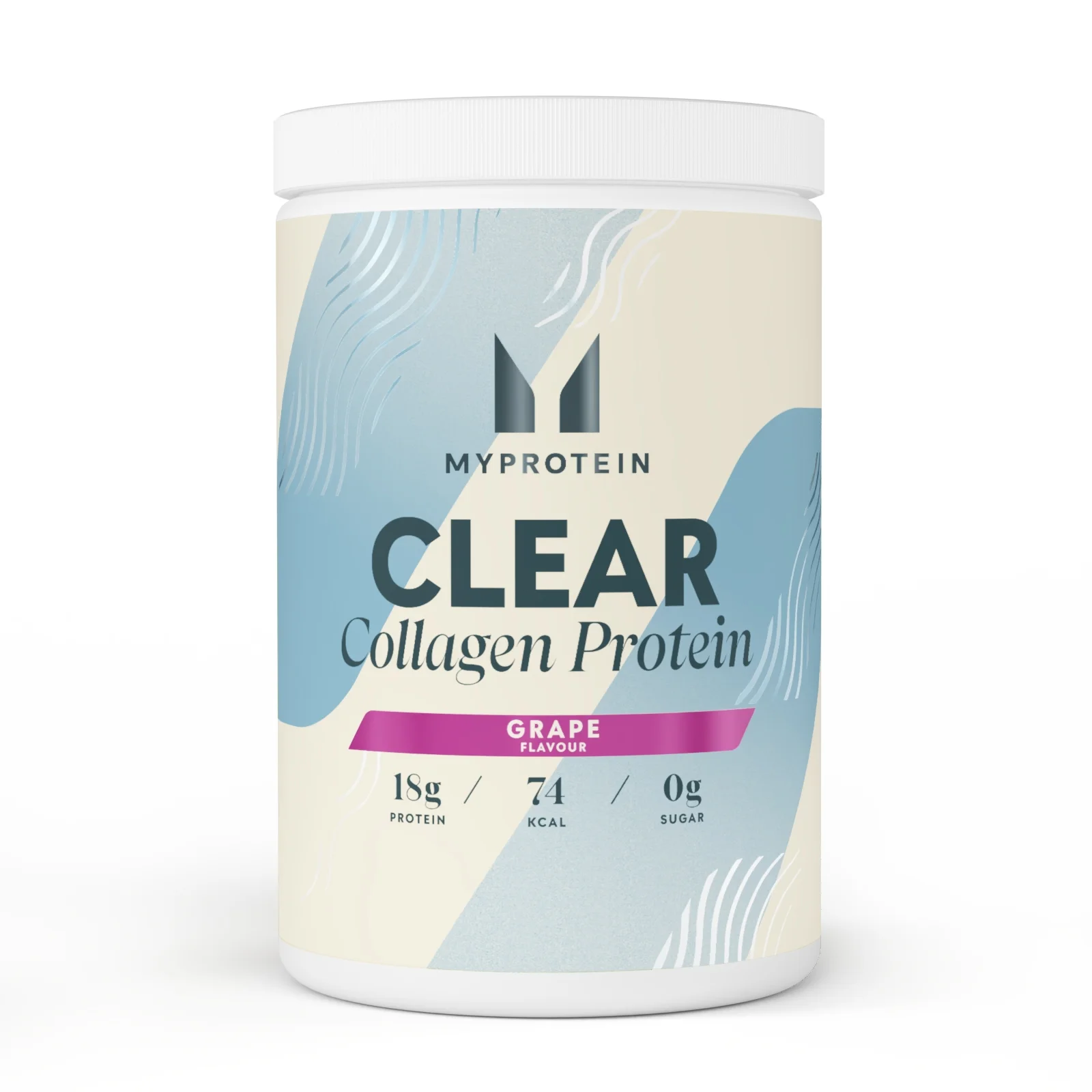


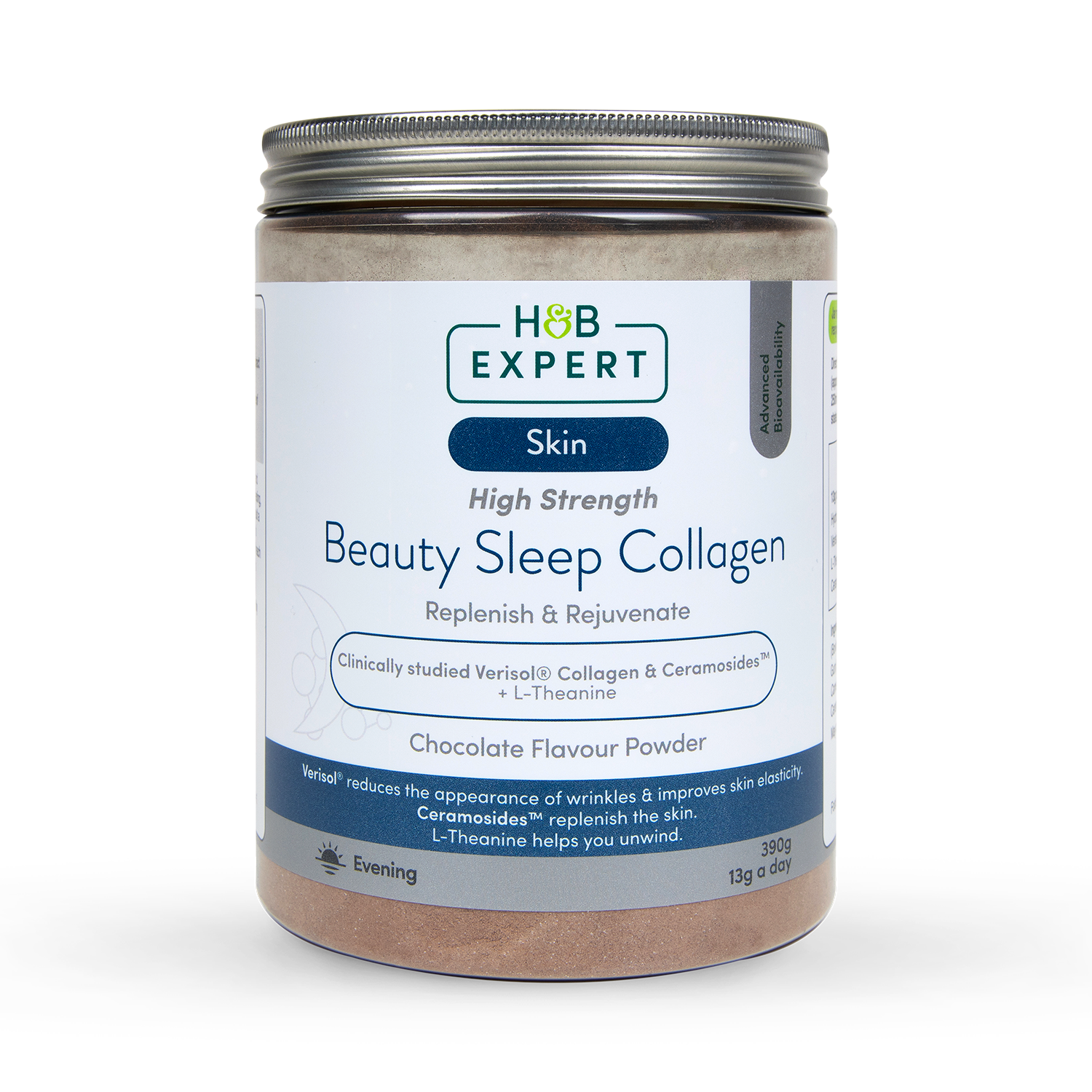


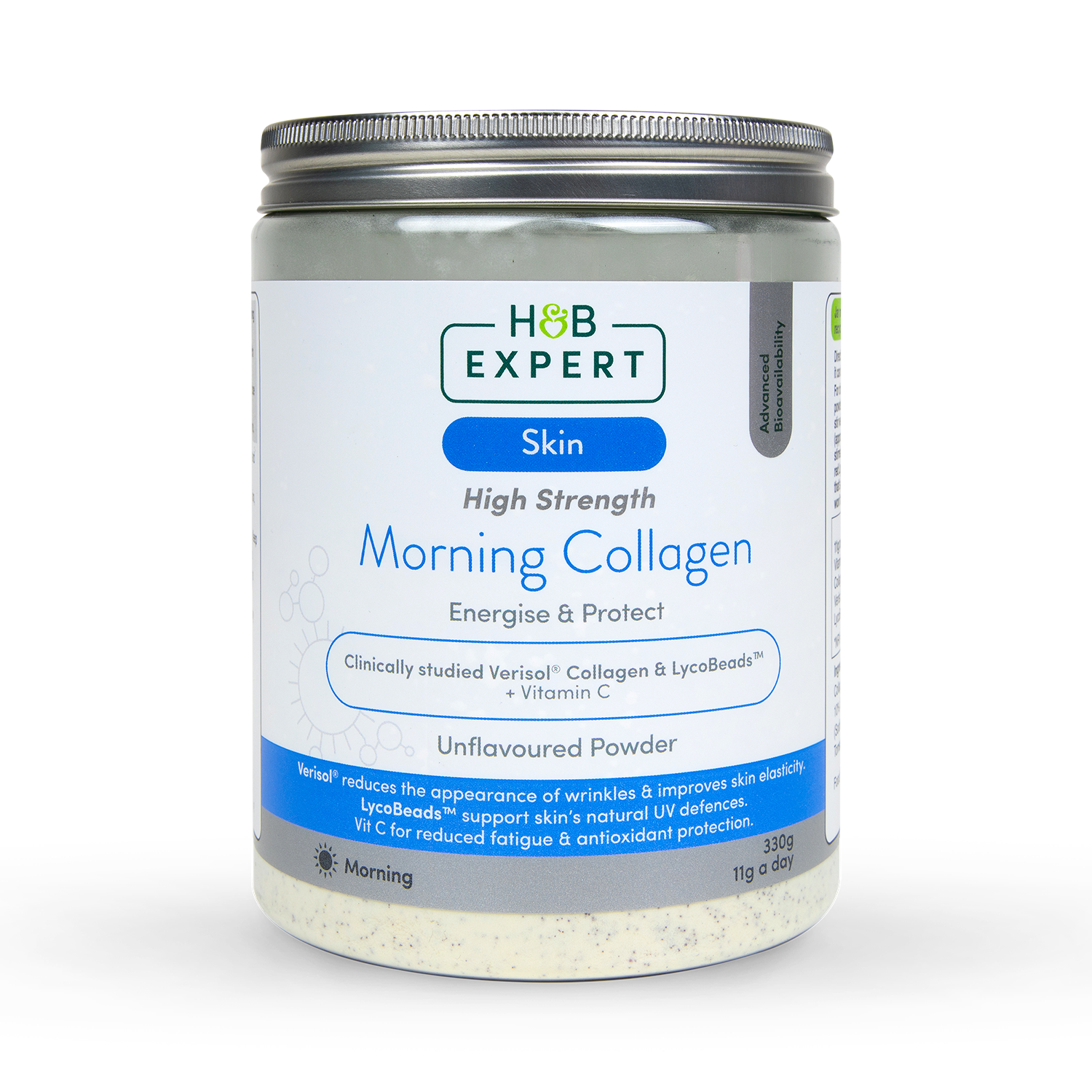


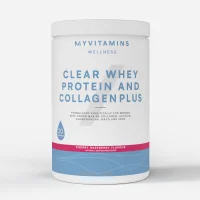


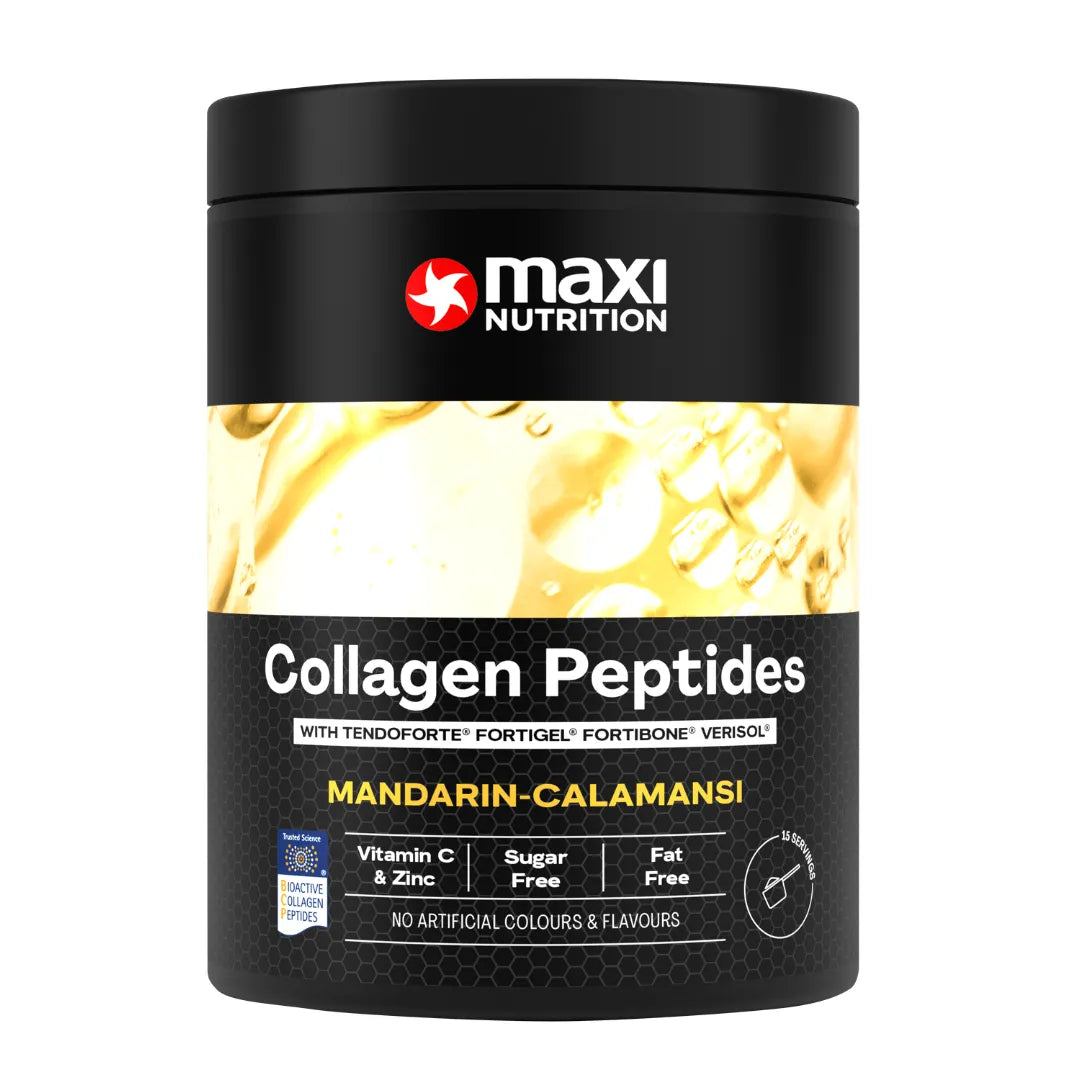


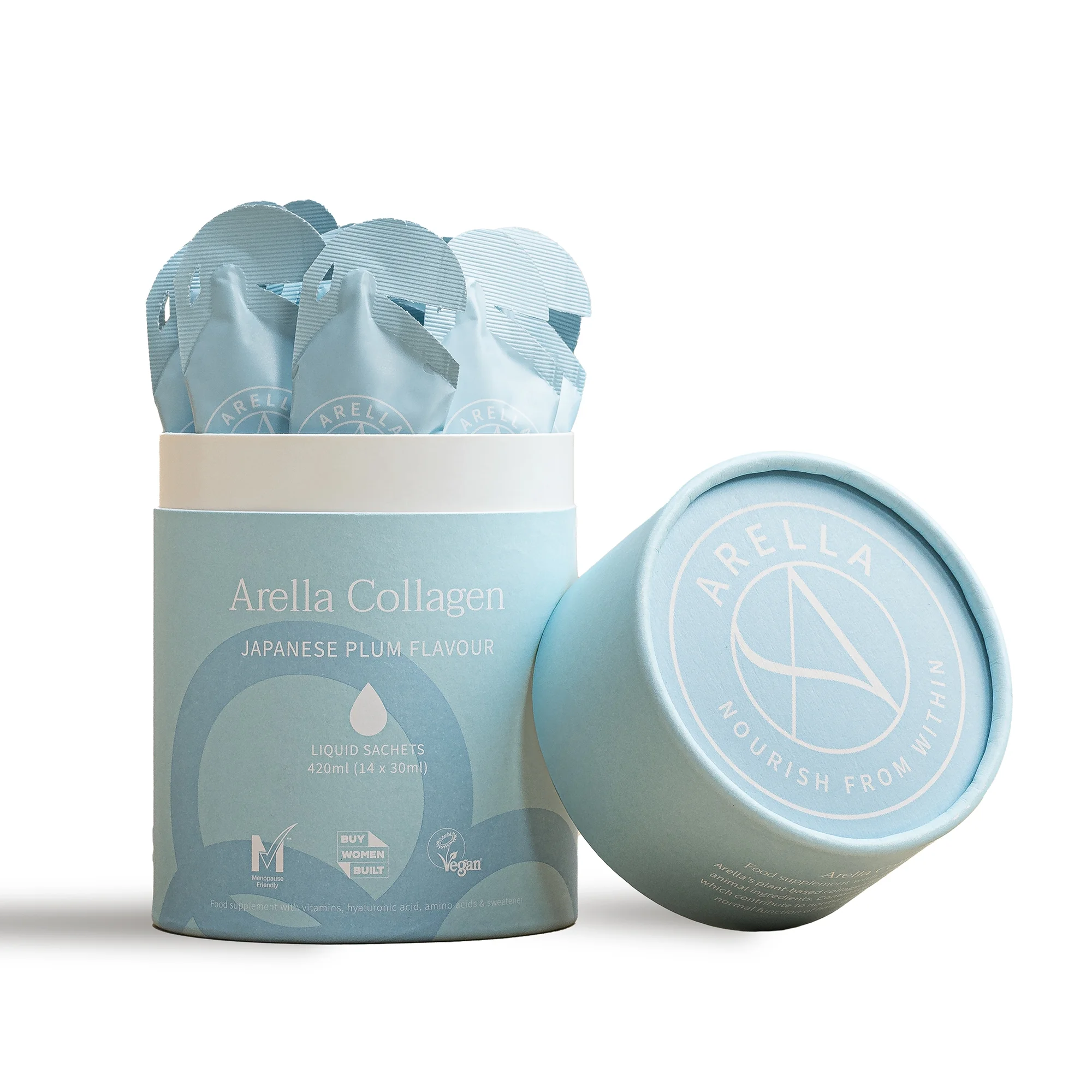


















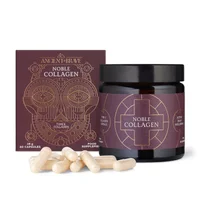
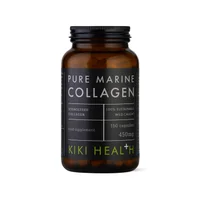
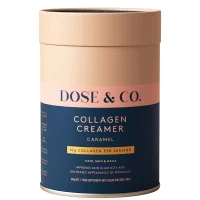


Community perspective
What others are saying
Apparently both companies use white label products from the manufacturer Wild Child. If you look at the ingredients for both Lean Screen and Collagen Glow they both have 22.75% zinc and many identical ingredients. Here’s a recent thread with more details: https://www.reddit.com/r/AusSkincare/comments/1ltrwqc/ultra_violette_confirmed_to_just_be_using_a_white/
u/AppropriateMention6 in r/AusSkincare
I have been stressing about this every day 😂 I swore by the NS collagen glow, so I’m absolutely devastated. I keep checking every day to see if there are any updates on the UV results. I tried the Cerave 50+ face moisturiser, and I can already tell it’s destroying my skin barrier, so I’m in bloody no man’s land. 🥲
u/Miserable-Fan-3590 in r/AusSkincare
Watch what buyers found
Hands-on opinions
Doctor Reviews Top Collagen Powders (Best & Worst Revealed)
Dr. G Reviews Products
A topic-specific video selected for additional practical context on Best Collagen UK: What UK Buyers Should Know.

Best overall Collagen
Grass Fed Collagen Protein Powder Hydrolysed (Bovine Type 1) - 90% Protein
Peak Supps · 250g
Pros
- Provides 25g protein for about 100 kcal, keeping non-protein calories low (0g fat)
Marine vs bovine vs multi-collagen: which is best?
Three collagen source types compete in the UK market, each with a different amino acid profile and target use case.
For UK buyers targeting skin specifically, marine collagen is the better fit. For budget joint support, bovine collagen does the job. For comprehensive connective-tissue support across multiple body systems, multi-collagen covers the widest range.
- 1
Marine collagen is sourced from fish scales and skin. It is Type I collagen dominant, with the smallest molecular weight of the three (2 to 3 kDa), giving slightly better absorption than bovine. It suits skin, hair, and nails best, and carries a premium price per 25g protein. It is the most-used source in UK collagen powders aimed at women.
- 2
Bovine collagen is sourced from cow hide and bones, blending Type I and Type III collagen at a molecular weight of roughly 3 to 5 kDa. It costs less per gram than marine collagen and suits joint and connective tissue support as well as skin. It is the standard for budget-priced collagen products.
- 3
Multi-collagen blends Type I, II, III, V, and X collagen from multiple sources, typically bovine, marine, chicken, and eggshell combined. It covers the broadest range of collagen-supported tissues at higher complexity and cost. Multi-collagen searches grew 511 percent year on year per Google Keyword Planner 2026 data, making it the fastest-growing collagen subcategory in the UK.
Hydrolyzed collagen peptides explained: Naticol, Peptan, VERISOL
The phrase "hydrolyzed collagen peptides" hides meaningful differences between products. Three branded peptide sources dominate the UK collagen market.
Products that name their peptide source on the label have made an investment in published clinical evidence. Products with generic "hydrolyzed marine collagen" descriptions may use peptides from any supplier, and the molecular weight and bioactivity remain unverified without third-party testing.
- 1
Naticol is French-manufactured hydrolyzed marine collagen backed by multiple published clinical trials supporting skin and joint outcomes. It has a molecular weight of 2 kDa and is used by several premium UK brands at a price premium over generic marine collagen.
- 2
Peptan is Rousselot's branded bovine collagen peptide range, available in Type I and II variants, with strong clinical trial backing for joint pain reduction. It appears in many UK joint-focused collagen powders.
- 3
VERISOL is Gelita's branded bovine bioactive collagen peptide, targeting skin elasticity specifically. Published trials show measurable skin improvements at 2.5g daily over 8 weeks, and it sits in a premium price tier.
How much collagen per day for skin, joints, and hair?
Going above 10g per day produces no additional benefit in the evidence base. The body has a saturation point for collagen peptide absorption, so additional intake is simply broken down for energy or excreted.
- 1
Skin (hydration, elasticity): 2.5g to 10g per day for a minimum of 8 to 12 weeks. Most trials use 5 to 10g per day, and effects below 2.5g are inconsistent in the published literature.
- 2
Joints (mild to moderate osteoarthritis): 5g to 10g per day for a minimum of 12 weeks. WOMAC pain scores improved roughly 20 percent on 5 to 10g daily over 6 months in published trials.
- 3
Hair and nails: 2.5g to 5g per day for 16 or more weeks. Benefits appear more slowly than for skin or joints, due to hair and nail growth cycles.
- 4
General wellness or anti-ageing: 5g per day as a maintenance dose, taken consistently for 6 or more months. This is the lower bound of clinically effective dosing across all target outcomes.

Why collagen and vitamin C are sold together
Vitamin C is a required cofactor for collagen synthesis in the body. The enzymes that hydroxylate proline and lysine residues, forming the stable collagen triple helix, cannot function without vitamin C. Taking collagen peptides without sufficient vitamin C means the absorbed peptides cannot be fully used for new collagen production.
The UK recommended intake of vitamin C is 40mg per day, easily met by a typical diet containing fruit and vegetables. Collagen supplements typically add 40 to 80mg of vitamin C per serving as a manufacturing convenience, building the cofactor in from the start.
Products that include vitamin C in the same serving, such as Bulk Skin Health Powder and Myvitamins Collagen Beauty Powder, save you from taking a separate vitamin C tablet. Products that do not, including some pure marine collagen powders, require pairing with a vitamin C source, either from food or a separate supplement.
When collagen is worth the money and when it isn't
Two scenarios where collagen is not worth the spend: adults under 30 with no specific skin or joint concerns, since endogenous collagen production is already sufficient and supplementation produces no measurable benefit in this demographic (the money is better spent on a higher-impact supplement like creatine, omega-3, or vitamin D), and anyone expecting overnight results, since collagen requires consistent daily intake for 8 to 16 weeks before measurable effects appear. Buyers who quit after 2 weeks are throwing money away.
- 1
Women over 35 targeting visible skin ageing. Skin collagen production drops sharply during menopause, and 5 to 10g daily of hydrolyzed marine collagen for 12 or more weeks produces measurable improvements in skin elasticity and hydration in this demographic.
- 2
Active adults with mild to moderate osteoarthritis. 5 to 10g daily of bovine or marine collagen peptides for 6 or more months reduces WOMAC pain scores by roughly 20 percent in published trials, and it costs less than physiotherapy or NSAIDs over the long term.
- 3
Recreational lifters with recurrent tendon issues. 15g of collagen plus 50mg of vitamin C taken 30 to 60 minutes before training has emerging evidence for tendon collagen synthesis. It is not yet conclusive but is plausible.
- 4
Hair loss or brittle nails not explained by deficiency. 2.5 to 5g daily for 16 or more weeks produces measurable strength improvements in some trials, though the onset is slow and requires patience.
Cost per 10g daily dose: how UK collagen prices stack up
The only meaningful price metric for collagen is cost per 10g daily dose at the clinically effective skin dose. Ranked cheapest first by cost per 10g effective daily dose, UK 2026 benchmarks put Myvitamins Powder at roughly 90p, Bulk Skin Health Powder at £1.20, Myvitamins Shot at £1.67, Bulk Shot at £2.08, and capsules at £2 to £2.50.
- 1
Bulk Skin Health Powder 300g: approximately £1.20 per daily dose. Premium, but includes 6 supporting active ingredients.
- 2
Myvitamins Collagen Beauty Powder: approximately 90p per daily dose, the cheapest powder option.
- 3
Bulk Marine Collagen Shots: approximately £2.08 per daily dose, a premium paid for convenience.
- 4
Myvitamins Beauty Collagen Shot: approximately £1.67 per daily dose, the budget shot option.
- 5
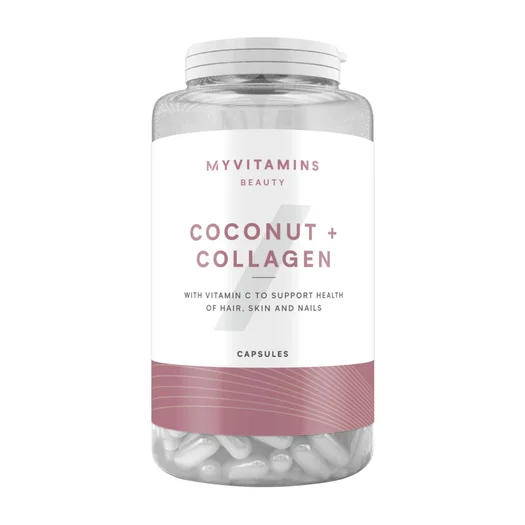
Myvitamins Coconut and Collagen Capsules: approximately 50p per capsule, but capsule doses are typically too small to hit 10g, requiring 4 to 5 capsules a day for a total cost of £2 to £2.50.
- 6
Free Soul Women's Multivitamins with Marine Collagen: not really collagen-specific pricing, since the collagen dose is too small to hit 10g daily regardless of capsule count.
Common collagen myths debunked
Five collagen myths recur repeatedly in UK supplement marketing, and it is worth separating what the evidence actually supports from what sells product.
- 1
Myth: collagen powder builds muscle. False. Collagen has a poor amino acid profile for muscle protein synthesis, since it lacks tryptophan and is low in leucine. Whey, plant blends, and eggs build muscle. Collagen builds connective tissue.
- 2
Myth: topical collagen creams work. Largely false. Collagen molecules are too large to penetrate the skin barrier. Topical creams provide moisturisation but do not deliver collagen to where it is synthesised. Oral supplementation is the route that produces measurable effects in trials.
- 3
Myth: all hydrolyzed collagen is equivalent. False. Molecular weight, peptide source, and bioactivity vary substantially. Named peptide brands like Naticol, Peptan, and VERISOL deliver consistent specifications, while generic hydrolyzed collagen varies batch to batch.
- 4
Myth: collagen works immediately. False. Skin and joint outcomes appear after 8 to 12 weeks of daily 5 to 10g intake. Buyers expecting overnight results quit before the cumulative effect appears.
- 5
Myth: vegan collagen exists. Misleading. So-called vegan collagen builders contain vitamin C, zinc, and amino acids that support endogenous collagen synthesis, but they are not collagen themselves. True collagen is sourced from animals, whether fish, cow, chicken, or eggshell.
References
Sources and further reading
- 01ProteinDeals — live product comparison
Current product, nutrition and retailer data used for the article's buying context.
Frequently asked questions
What is the best collagen powder in the UK in 2026?+
Bulk Skin Health Powder 300g is the best collagen powder in the UK in 2026, delivering a marine collagen base plus 6 additional active ingredients (hyaluronic acid, vitamin C, biotin, zinc, copper, and silica) at £35.99. Myvitamins Collagen Beauty Powder at £13.99 is the budget powder pick. Bulk Marine Collagen Shots at £24.99 for 12 are the convenient ready-mixed alternative.
How much collagen should I take daily?+
The clinically-effective daily dose for hydrolyzed collagen is 10g for skin and 5g for joints, taken consistently for at least 8 to 12 weeks. Most UK products dose at 5 to 10g per serving. Lower doses (1-3g per capsule) deliver insufficient peptides to produce measurable benefits in the published trials.
Is marine or bovine collagen better?+
Marine collagen contains Type I peptides ideal for skin, hair, and nails, with smaller molecular weight (2-3 kDa) than bovine collagen (3-5 kDa) for slightly better absorption. Bovine collagen is cheaper per gram and contains both Type I and Type III, which suits joint and connective tissue support. For skin-focused supplementation, marine wins; for budget joint support, bovine is sufficient.
Does collagen powder actually work?+
Yes for skin and joints when taken at clinical doses. Published meta-analyses including the 2021 International Journal of Dermatology review of 19 trials found that 2.5 to 10g of hydrolyzed collagen daily for 8 to 12 weeks improved skin hydration and elasticity in adult women. Effects on hair, nails, and joint pain are similarly supported in the evidence base. Effects below 2.5g per day are inconsistent.
When should I take collagen powder?+
Timing matters less than consistency. Take collagen powder at any time of day with at least 200ml of water or another liquid. Some users report better digestion when taken on an empty stomach in the morning. Daily intake for 8 to 12 weeks is the protocol that produces measurable results - skipping days reduces the cumulative effect.