

Quick answer
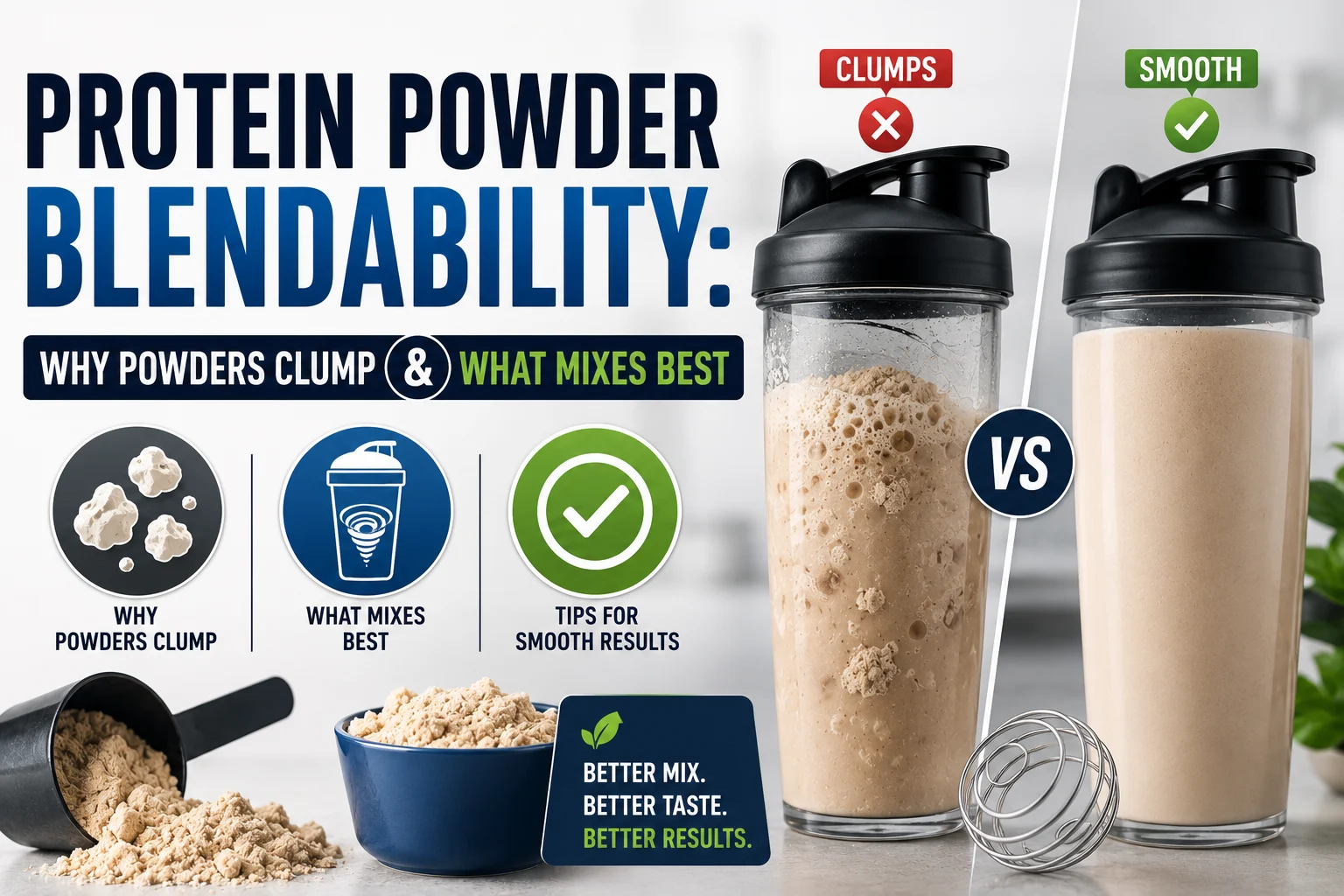
For the smoothest shaker drink, choose an instantised whey blend or clear whey with lecithin, use cold liquid first, add powder second and leave enough empty space to shake properly. Casein is deliberately thicker; pea, hemp and some multi-plant powders can feel grainier because of lower solubility, fibre and non-protein particles. A powder can be nutritionally excellent and still mix badly, so judge blendability separately from protein quality.
Blendability is four different things
A powder does not move directly from dry scoop to dissolved drink. Food scientists separate rehydration into overlapping stages: wettability, whether liquid can penetrate the particle surface; sinkability, whether particles move below the surface instead of floating; dispersibility, whether clumps break apart throughout the liquid; and solubility, whether the protein disperses at molecular or very fine colloidal scale.
This explains apparently contradictory reviews. One buyer may call a powder insoluble because dry islands float on top, when its actual problem is poor wetting. Another may see no visible lumps but still dislike suspended grit, meaning the powder dispersed without producing a smooth mouthfeel.
High-protein powders can be surprisingly difficult to wet because exposed hydrophobic regions repel water. Very fine powder can also form a sticky outer layer around a dry centre—the familiar rubbery clump that survives repeated shaking.
What improves protein-powder mixing?
Lecithin is the ingredient most worth recognising. It is an amphiphilic emulsifier, meaning it can interact with both water-loving and fat-loving surfaces. Soy or sunflower lecithin applied during instantisation can improve wetting and dispersibility. It does not make a protein higher quality; it makes the powder easier to rehydrate.
Agglomeration joins very small particles into larger, porous clusters. Counter-intuitively, these larger structures can wet and sink more readily because liquid can travel through their pores. Particle engineering and how lecithin is applied matter, so two labels containing the same emulsifier can still mix differently.
Partial hydrolysis breaks proteins into smaller peptides and can improve solubility in some formulations, although it may introduce bitterness and does not guarantee a pleasant texture. A good shaker, enough liquid and the correct order of preparation remain important even with an instantised powder.
- 1
Lecithin or another suitable emulsifier: helps water contact hydrophobic particle surfaces.
- 2
Agglomerated or instantised powder: generally wets faster than untreated ultra-fine powder.
- 3
Adequate liquid: reduces local powder concentration and gives clumps room to break apart.
- 4
Liquid first, powder second: prevents a compacted dry layer sticking in the shaker base.
- 5
A wire ball or mixing grid: supplies more shear than gently swirling a plain bottle.
- 6
A short rest and second shake: especially useful for clear whey foam and slower-hydrating casein.
What makes blendability worse?
The most common user-created problem is too much powder for too little liquid. A heaped 40g scoop in 150ml water may create a paste even when the same powder mixes cleanly at 250–300ml. Adding liquid onto a mound of powder also compresses the bottom layer and encourages dry pockets.
Formulation matters too. Fibre, starches, cocoa, nut particles, stabilising gums and thickening agents can all increase body. Some improve consistency in a meal-replacement shake while making it feel less "dissolved" than plain whey. More ingredients are not inherently worse; they simply change the intended result.
Heat-damaged or moisture-exposed powder can aggregate. A damp scoop, poorly sealed bag or humid cupboard encourages caking before the powder reaches the shaker. Very cold water can slow hydration, while hot liquid can encourage some proteins to aggregate or create difficult lumps if added too abruptly.
- 1
Too little liquid or multiple scoops: increases viscosity and collision between partially hydrated particles.
- 2
Powder before liquid: traps dry material against the base and corners.
- 3
Casein-rich formula: swells and disperses slowly by design.
- 4
Plant fibre, starch and seed particles: contribute grit or sediment even when protein is dispersed.
- 5
Xanthan, guar and other gums: create thickness; excess can feel slimy rather than creamy.
- 6
Cocoa and inclusions: chocolate, biscuit and cereal flavours often feel heavier than a simple vanilla.
- 7
Moisture exposure: promotes caking and damages free-flowing behaviour.
How each type of protein usually feels
Protein source sets the broad expectation, but processing and flavour can outweigh it. Treat these as useful starting points rather than guarantees across every brand.
| Protein type | Typical texture | Common mixing issue | Best preparation |
|---|---|---|---|
| Whey concentrate | Creamy and milkshake-like | Occasional surface clumps, especially in cocoa flavours | Cold liquid first; 200–300ml per scoop. |
| Whey isolate | Thinner and cleaner | Fine powder can float if not instantised | Shake firmly with adequate headspace. |
| Clear whey isolate | Thin, juice-like after settling | Heavy foam immediately after shaking | Shake, then rest for 30–60 seconds. |
| Hydrolysed whey | Thin and usually soluble | Possible bitterness | Use cold water and a strongly flavoured formulation. |
| Micellar casein | Very thick, pudding-like | Swelling and slow dispersion | Use more liquid, shake twice and allow it to hydrate. |
| Soy isolate | Smooth to moderately thick | Can become pasty at high concentration | Increase liquid gradually rather than using whey ratios. |
| Pea protein | Thick, earthy and sometimes chalky | Lower solubility and suspended fine particles | Blend rather than shake when texture is the priority. |
| Rice protein | Lighter but often sandy | Fine insoluble particles and sediment | Works better in a pea-rice blend or smoothie. |
| Hemp protein | Coarse and earthy | Fibre and seed material settle | Use in smoothies, oats or baking rather than plain water. |
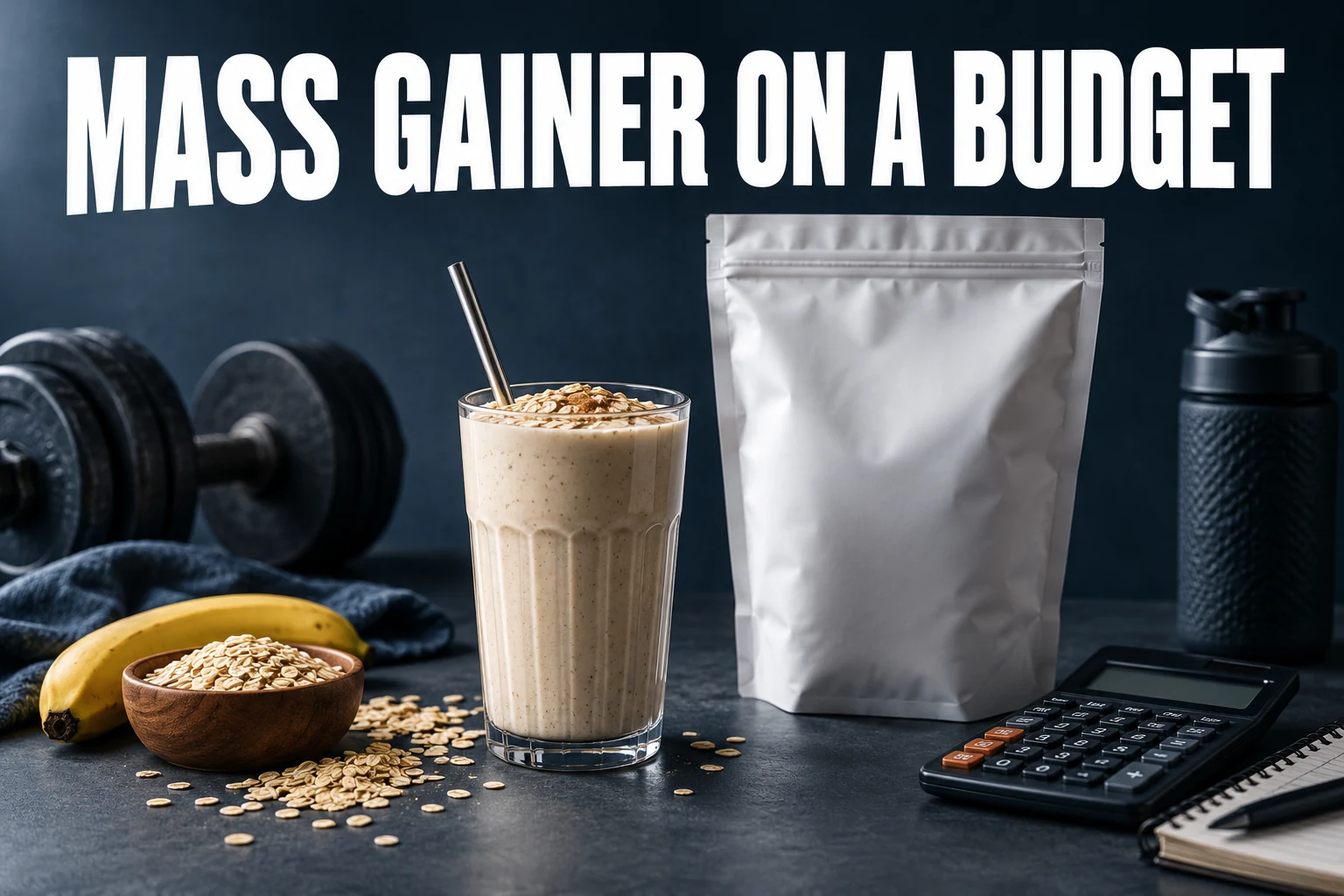
| Mass gainer | Dense and milkshake-like | Large carbohydrate load overwhelms a shaker | Blend half portions or use a countertop blender. |
| Meal replacement | Deliberately substantial | Fibre, oats, oils and gums create thickness | Follow the brand's liquid ratio and allow hydration time. |
| Collagen peptides | Usually thin and easy to dissolve | Some sources develop odour or surface film | Stir into warm or cold drinks; it is not a complete muscle protein. |
Why plant protein is more variable
Plant-protein solubility depends on amino-acid composition, surface hydrophobicity, pH, mineral concentration, extraction method and drying. Carbohydrates, fibre and polyphenols left alongside the protein can improve or worsen behaviour. That makes "vegan protein" far too broad to predict one texture.
Pea and rice blends can improve amino-acid balance without automatically solving grit. Soy isolate is often the smoothest single plant source because it can be highly purified and has established food-processing functionality. Hemp is usually the coarsest because retail powders retain more fibre and seed material.
Flavouring is especially important. Cocoa can mask earthy notes but makes the suspension heavier. Gums can keep particles from settling but may create a thick or slippery finish. Enzymatic treatment may improve dispersibility while exposing bitter peptides.
6 protein powders compared for blendability
These catalogue examples cover the main texture categories. The ranking reflects likely use and transparent formulation rather than pretending we performed a controlled laboratory test across every current flavour and batch.
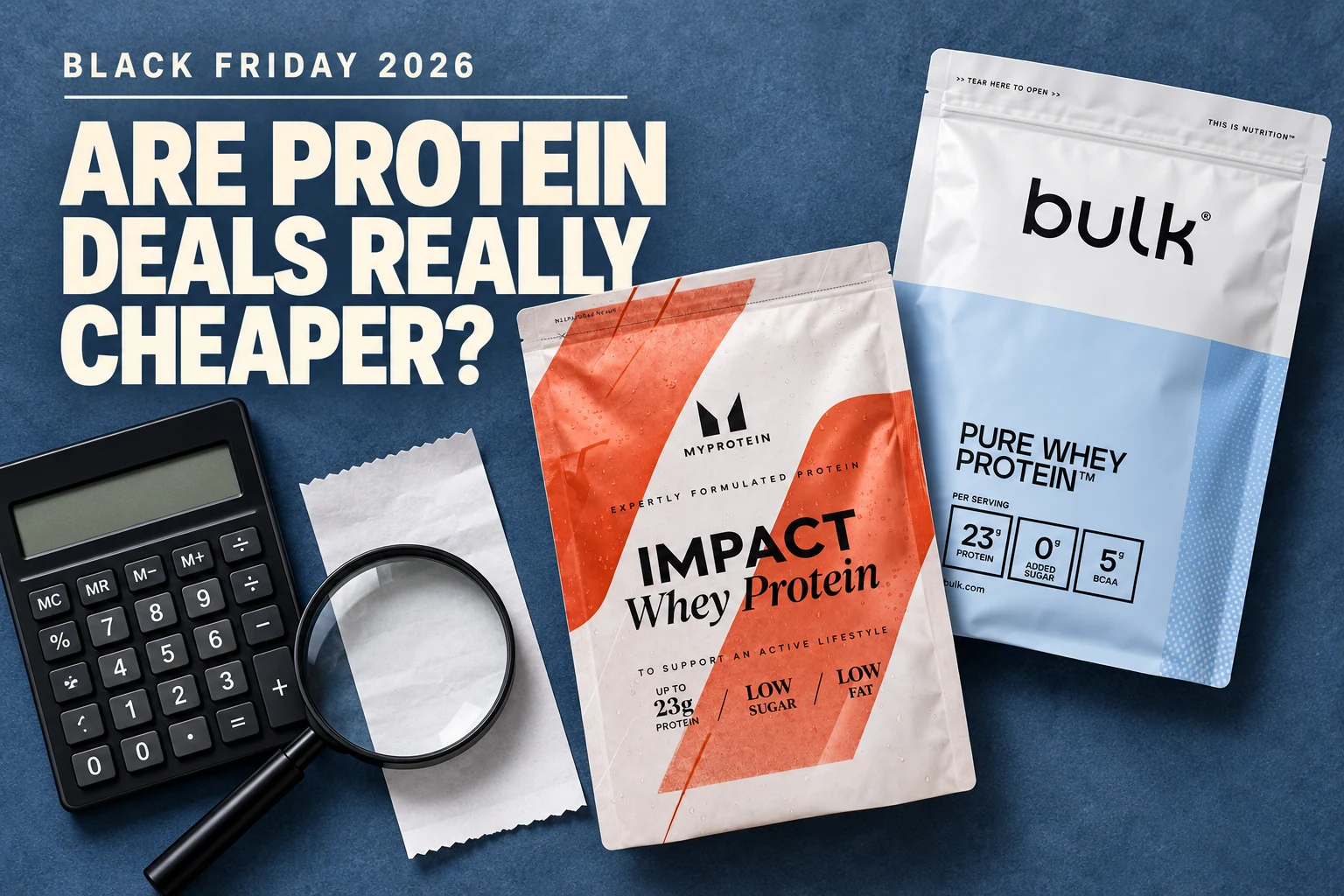
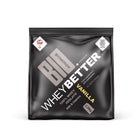
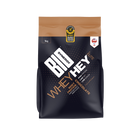
For a shaker-only buyer, Gold Standard is our lower-risk choice. For value, compare it directly with Impact Whey and Bulk Pure Whey and only pay the premium when smooth, repeatable preparation matters enough to justify it.
| Product | Type | What to expect | ProteinDeals verdict |
|---|---|---|---|
| Instantised whey blend | Smooth mainstream shake; soy lecithin supports dispersion | Best low-risk shaker recommendation, though rarely cheapest. | |
Pros
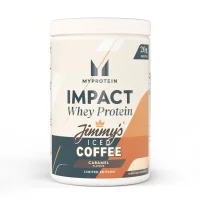
| Whey concentrate | Generally creamy; texture varies across its unusually large flavour range | Best when live cost per 25g protein clearly beats the premium option. |
Pros
| Whey concentrate | Straightforward everyday texture with flavour-dependent thickness | Our value benchmark when its current deal leads. |
| Clear whey isolate | Foamy first, then a light juice-style drink | Choose for thin texture, not because it mixes invisibly the instant it is shaken. | |
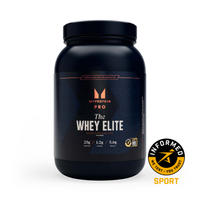
| Multi-source vegan blend | More substantial than clear or dairy isolate; designed as a complete vegan shake | Strong formulation, but buyers wanting the thinnest texture should choose another category. | |
| Pea isolate | Naturally thicker and more likely to feel chalky than whey | Good-value vegan protein for smoothies and oats; not our plain-water texture winner. |


Live comparison
Whey Protein products
FlavourSize (g)QtyServingsOfferTotal Per 25g protein 3000191.2 £37.99 25.0g125£0.417 2000160.8 £27.99 25.0g125£0.460 1000130.4 £15.99 25.0g125£0.526 |
FlavourSize (g)QtyServingsOfferTotal Per 25g protein 1000132.3 £14.99£19.99 -25%25.0g118£0.463 |
FlavourSize (g)QtyServingsOfferTotal Per 25g protein 1000132.3 £14.99£19.99 -25%25.0g118£0.463 |
FlavourSize (g)QtyServingsOfferTotal Per 25g protein 1000127.3 £18.99 25.0g138£0.695 |
FlavourSize (g)QtyServingsOfferTotal Per 25g protein 48001113.3 £80.49 25.0g155£0.711 2400156.6 £40.99 25.0g155£0.724 1200128.3 £21.29 25.0g155£0.752 |
FlavourSize (g)QtyServingsOfferTotal Per 25g protein 48001130.6 £95.99 25.0g136£0.735 2400165.3 £51.99 25.0g136£0.796 1200132.6 £28.29 25.0g136£0.867 |
FlavourSize (g)QtyServingsOfferTotal Per 25g protein 48001132.5 £104.49 25.0g131£0.789 2400166.2 £56.49 25.0g131£0.853 1200133.1 £30.49 25.0g131£0.921 |
FlavourSize (g)QtyServingsOfferTotal Per 25g protein 43501125.3 £99.99 25.0g132£0.798 1000128.8 £25.99 25.0g127£0.902 50001146 £144.49 25.0g129£0.990 |
FlavourSize (g)QtyServingsOfferTotal Per 25g protein 60001168 £143.99 25.0g129£0.857 3000184 £77.99 25.0g129£0.928 1500142 £41.99 25.0g129£1.000 |
FlavourSize (g)QtyServingsOfferTotal Per 25g protein 2000157 £49.99£99.99 -50%25.0g136£0.878 1000128.5 £29.99£49.99 -40%25.0g136£1.053 500114.2 £17.99£24.99 -28%25.0g136£1.263 |
FlavourSize (g)QtyServingsOfferTotal Per 25g protein 2250163 £55.99 25.0g156£0.889 750121 £19.99 25.0g156£0.952 375110.8 £11.99 25.0g153£1.110 |
FlavourSize (g)QtyServingsOfferTotal Per 25g protein 720120.2 £17.99£29.99 -40%25.0g133£0.892 2000156 £69.99 25.0g134£1.250 15001- £64.99 --- |
FlavourSize (g)QtyServingsOfferTotal Per 25g protein 50001142 £129.99 25.0g133£0.915 2500171 £67.99 25.0g133£0.958 1000128.4 £27.99 25.0g133£0.986 |
FlavourSize (g)QtyServingsOfferTotal Per 25g protein 2000164.8 £60.00 25.0g127£0.926 |
FlavourSize (g)QtyServingsOfferTotal Per 25g protein 50001150 £139.99 25.0g125£0.933 2500175 £74.99 25.0g125£1.000 1000130 £31.99 25.0g125£1.066 |
FlavourSize (g)QtyServingsOfferTotal Per 25g protein 2100163 £59.95 25.0g126£0.952 510115.3 £29.95 25.0g126£1.957 |
FlavourSize (g)QtyServingsOfferTotal Per 25g protein 1800157.6 £54.95 25.0g113£0.954 1000132 £32.95 25.0g113£1.030 450114.4 £19.95 25.0g113£1.385 |
FlavourSize (g)QtyServingsOfferTotal Per 25g protein 50001112 £107.99 25.0g151£0.964 2500154 £59.99 25.0g162£1.111 1000123.2 £28.49 25.0g155£1.228 |
FlavourSize (g)QtyServingsOfferTotal Per 25g protein 908130.5 £30.02£49.99 -40%25.0g108£0.984 |
FlavourSize (g)QtyServingsOfferTotal Per 25g protein 40001124.8 £123.99 25.0g120£0.993 2000162.4 £63.99 25.0g120£1.025 1000131.2 £33.99 25.0g120£1.089 |
FlavourSize (g)QtyServingsOfferTotal Per 25g protein 40001118.4 £119.49 25.0g127£1.009 1000129.6 £31.99 25.0g127£1.081 |
FlavourSize (g)QtyServingsOfferTotal Per 25g protein 50001158.2 £159.99 25.0g126£1.011 3000194.9 £99.99 25.0g126£1.053 2000163.3 £69.99 25.0g126£1.106 |
FlavourSize (g)QtyServingsOfferTotal Per 25g protein 40001123.2 £127.99 25.0g123£1.039 500114.8 £15.99 25.0g127£1.080 2000159.2 £65.99 25.0g127£1.115 |
FlavourSize (g)QtyServingsOfferTotal Per 25g protein 1000128.5 £29.99£49.99 -40%25.0g136£1.053 500114.2 £17.99£49.99 -64%25.0g136£1.263 |
FlavourSize (g)QtyServingsOfferTotal Per 25g protein 45001138.1 £145.99 25.0g128£1.057 2270169.6 £89.99 25.0g128£1.292 1000130.7 £52.99 25.0g128£1.727 |
FlavourSize (g)QtyServingsOfferTotal Per 25g protein 908127.6 £29.39£42.99 -32%25.0g124£1.065 2000160.8 £92.99 25.0g126£1.529 3010.9 £2.99 25.0g125£3.194 |
FlavourSize (g)QtyServingsOfferTotal Per 25g protein 2270173.5 £79.99 25.0g117£1.088 |
FlavourSize (g)QtyServingsOfferTotal Per 25g protein 2270173.5 £79.99£89.99 -11%25.0g117£1.088 |
FlavourSize (g)QtyServingsOfferTotal Per 25g protein 2000153.6 £59.99 25.0g142£1.119 900124.1 £39.99 25.0g142£1.658 |
FlavourSize (g)QtyServingsOfferTotal Per 25g protein 2200170.4 £79.99 25.0g-£1.136 900128.8 £41.99 25.0g-£1.458 1500148 £74.99 25.0g-£1.562 |
FlavourSize (g)QtyServingsOfferTotal Per 25g protein 2000152 £59.99 25.0g151£1.154 1000126 £34.99 25.0g151£1.346 |
FlavourSize (g)QtyServingsOfferTotal Per 25g protein 500113.8 £15.99£24.99 -36%25.0g130£1.159 1000127.6 £39.99£44.99 -11%25.0g130£1.449 |
FlavourSize (g)QtyServingsOfferTotal Per 25g protein 1000129.6 £34.49 25.0g128£1.165 |
FlavourSize (g)QtyServingsOfferTotal Per 25g protein 2000158.3 £68.95 25.0g135£1.182 825124.1 £33.95 25.0g135£1.411 450113.1 £19.95 25.0g135£1.520 |
FlavourSize (g)QtyServingsOfferTotal Per 25g protein 2500177 £91.99 25.0g119£1.195 1000130.8 £39.99 25.0g119£1.298 500115.4 £23.49 25.0g119£1.525 |
FlavourSize (g)QtyServingsOfferTotal Per 25g protein 1000130.8 £36.99 25.0g130£1.201 500115.4 £25.99 25.0g130£1.688 |
FlavourSize (g)QtyServingsOfferTotal Per 25g protein 2000161.7 £75.00 25.0g126£1.215 |
FlavourSize (g)QtyServingsOfferTotal Per 25g protein 45301137.7 £170.00 25.0g123£1.234 2260168.7 £98.00 25.0g123£1.426 899127.3 £50.00 25.0g123£1.830 |
FlavourSize (g)QtyServingsOfferTotal Per 25g protein 900125.9 £32.00 25.0g130£1.235 |
FlavourSize (g)QtyServingsOfferTotal Per 25g protein 1800160.5 £75.00 25.0g-£1.240 |
FlavourSize (g)QtyServingsOfferTotal Per 25g protein 650117.4 £22.00 25.0g136£1.263 |
FlavourSize (g)QtyServingsOfferTotal Per 25g protein 500114.2 £17.99£24.99 -28%25.0g112£1.263 |
FlavourSize (g)QtyServingsOfferTotal Per 25g protein 2250155.2 £69.99 25.0g147£1.269 908122.3 £39.99 25.0g147£1.796 |
FlavourSize (g)QtyServingsOfferTotal Per 25g protein 2000154.4 £71.99 25.0g132£1.323 1000127.2 £39.99 25.0g132£1.470 500113.6 £21.99 25.0g132£1.617 |
FlavourSize (g)QtyServingsOfferTotal Per 25g protein 2270167.2 £92.00 25.0g125£1.369 |
FlavourSize (g)QtyServingsOfferTotal Per 25g protein 1000129.2 £39.99 25.0g152£1.370 |
FlavourSize (g)QtyServingsOfferTotal Per 25g protein 899125.5 £35.00 25.0g136£1.371 |
FlavourSize (g)QtyServingsOfferTotal Per 25g protein 1000127.6 £37.99 25.0g130£1.376 500113.8 £19.99 25.0g130£1.449 |
FlavourSize (g)QtyServingsOfferTotal Per 25g protein 900257.6 £80.98 25.0g120£1.406 900128.8 £44.99 25.0g120£1.562 3010.9 £2.49 25.0g120£2.664 |
FlavourSize (g)QtyServingsOfferTotal Per 25g protein 1000131.2 £44.99 25.0g127£1.442 3010.9 £1.75 25.0g129£1.944 30019.2 £21.99 25.0g126£2.380 |
FlavourSize (g)QtyServingsOfferTotal Per 25g protein 2000162.4 £89.99 25.0g130£1.442 1000128.8 £44.99 25.0g135£1.562 30019.1 £21.99 25.0g128£2.405 |
FlavourSize (g)QtyServingsOfferTotal Per 25g protein 420113.1 £18.99 25.0g120£1.445 |
FlavourSize (g)QtyServingsOfferTotal Per 25g protein 1800148.2 £69.99 25.0g139£1.451 1200132.2 £47.49 25.0g139£1.477 600116.1 £24.99 25.0g139£1.554 |
FlavourSize (g)QtyServingsOfferTotal Per 25g protein 2250182 £119.99 25.0g100£1.463 750127.3 £49.99 25.0g100£1.829 |
FlavourSize (g)QtyServingsOfferTotal Per 25g protein 900130 £43.99 25.0g-£1.467 |
FlavourSize (g)QtyServingsOfferTotal Per 25g protein 1800154 £79.99 25.0g128£1.481 810124.3 £49.99 25.0g128£2.057 450113 £29.99 25.0g133£2.314 |
FlavourSize (g)QtyServingsOfferTotal Per 25g protein 48001150.5 £224.00£236.00 -5%25.0g126£1.488 2400175.3 £120.00 25.0g126£1.594 1200137.6 £62.00 25.0g126£1.648 |
FlavourSize (g)QtyServingsOfferTotal Per 25g protein 1000260 £89.98 25.0g125£1.500 1000130 £49.99 25.0g125£1.666 |
FlavourSize (g)QtyServingsOfferTotal Per 25g protein 1020129.4 £44.99 25.0g127£1.532 |
FlavourSize (g)QtyServingsOfferTotal Per 25g protein 1000129.3 £48.95 25.0g131£1.669 |
FlavourSize (g)QtyServingsOfferTotal Per 25g protein 1000122 £36.99 25.0g166£1.678 |
FlavourSize (g)QtyServingsOfferTotal Per 25g protein 2000164.8 £112.00 25.0g129£1.728 1000132.4 £59.00 25.0g129£1.821 |
FlavourSize (g)QtyServingsOfferTotal Per 25g protein 600115.8 £27.49 25.0g142£1.735 |
FlavourSize (g)QtyServingsOfferTotal Per 25g protein 1000126.4 £54.00£60.00 -10%25.0g129£2.045 500113.6 £30.00 25.0g129£2.206 |
FlavourSize (g)QtyServingsOfferTotal Per 25g protein 1000126.8 £54.99 25.0g137£2.052 |
FlavourSize (g)QtyServingsOfferTotal Per 25g protein 1000125.6 £54.00£60.00 -10%25.0g134£2.109 500112.8 £30.00 25.0g134£2.344 |
FlavourSize (g)QtyServingsOfferTotal Per 25g protein 6011.8 £3.99 25.0g119£2.159 |
FlavourSize (g)QtyServingsOfferTotal Per 25g protein 30018.6 £24.99 25.0g128£2.892 |
FlavourSize (g)QtyServingsOfferTotal Per 25g protein 3110.9 £4.39 25.0g123£4.658 |
FlavourSize (g)QtyServingsOfferTotal Per 25g protein - £8.99 25.0g495- |
FlavourSize (g)QtyServingsOfferTotal Per 25g protein 20001- £77.50 25.0g-- |
FlavourSize (g)QtyServingsOfferTotal Per 25g protein 9001- £28.00 --- |
FlavourSize (g)QtyServingsOfferTotal Per 25g protein 20001- £67.50 25.0g-- 9081- £36.00 25.0g-- 4761- £18.00 25.0g-- |


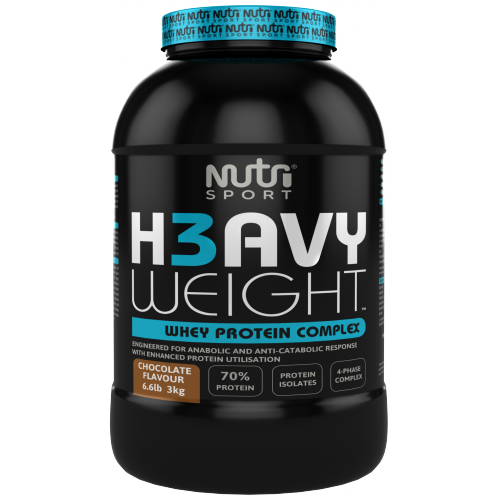


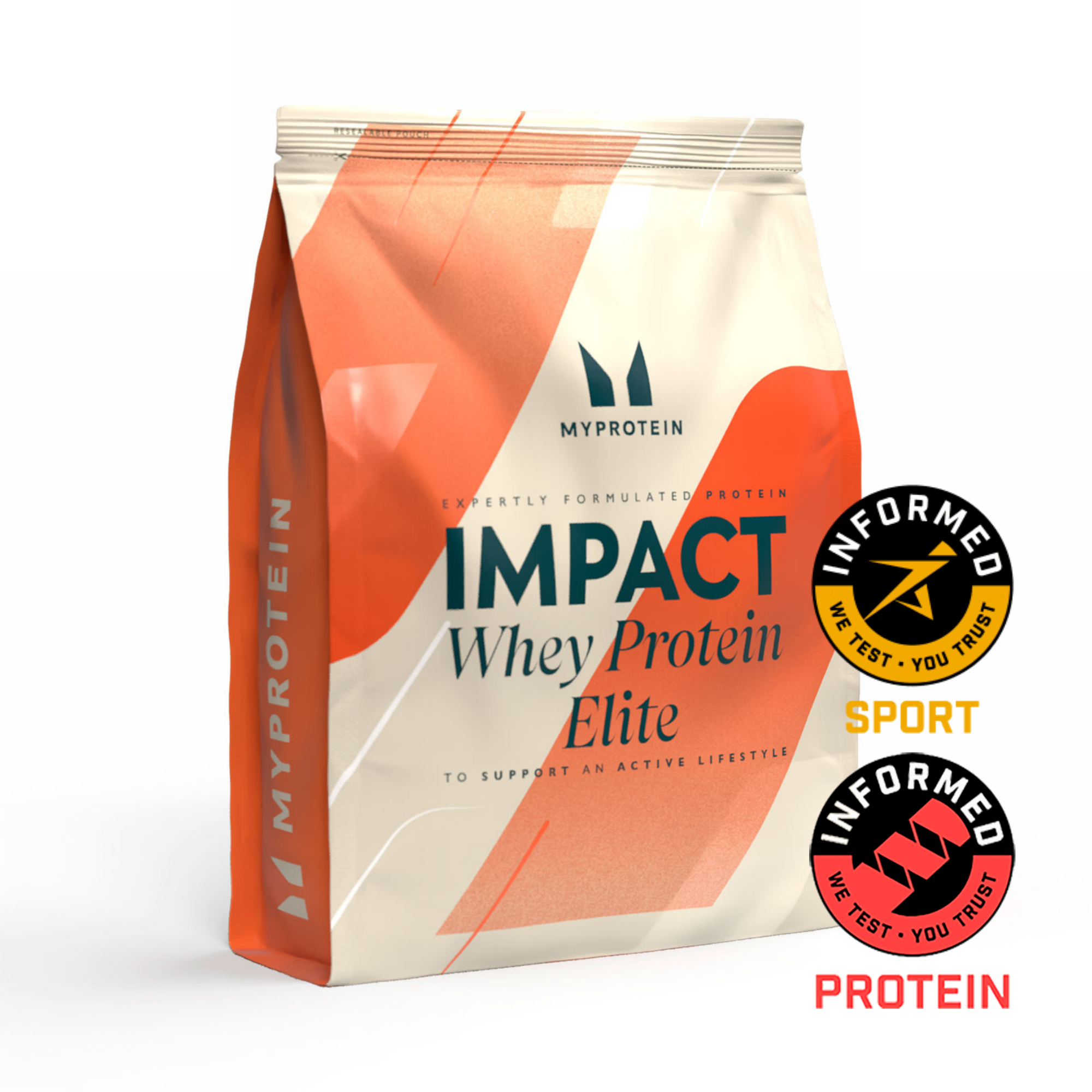


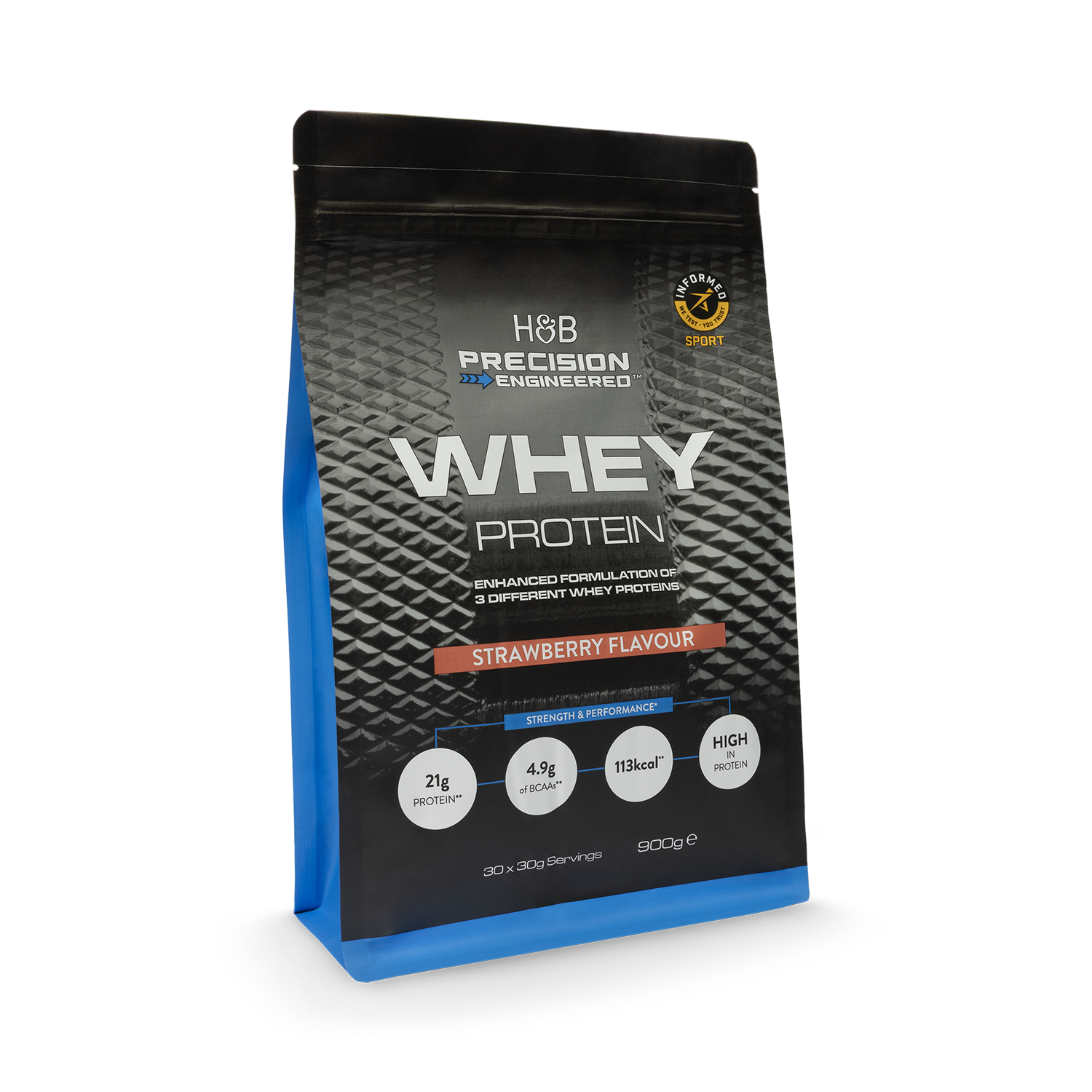

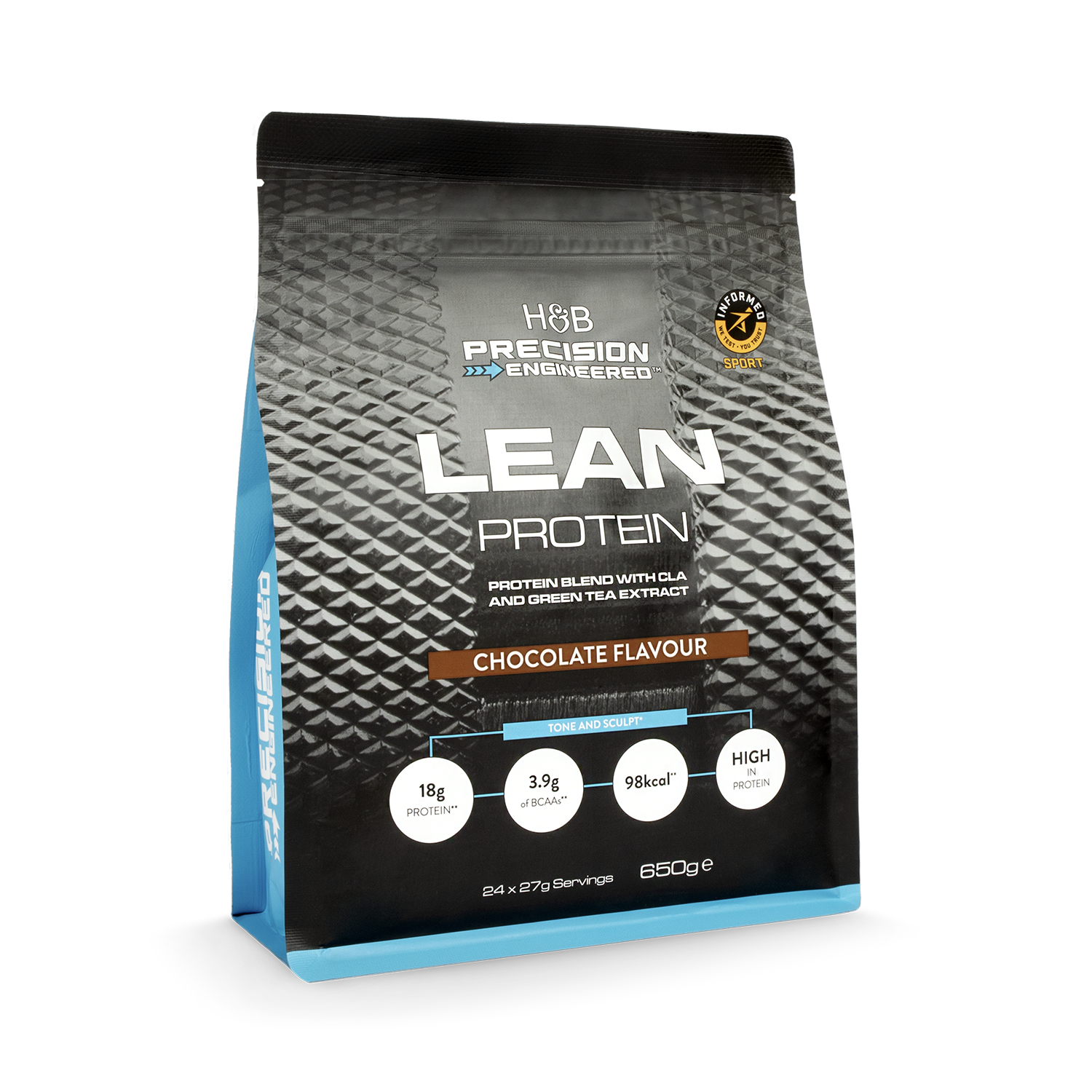









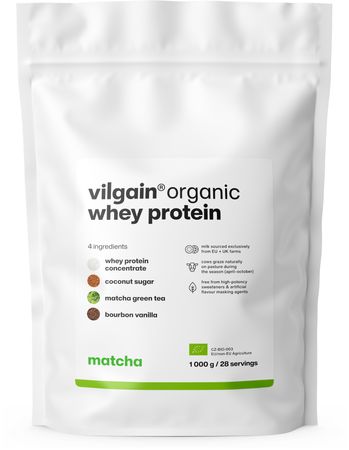


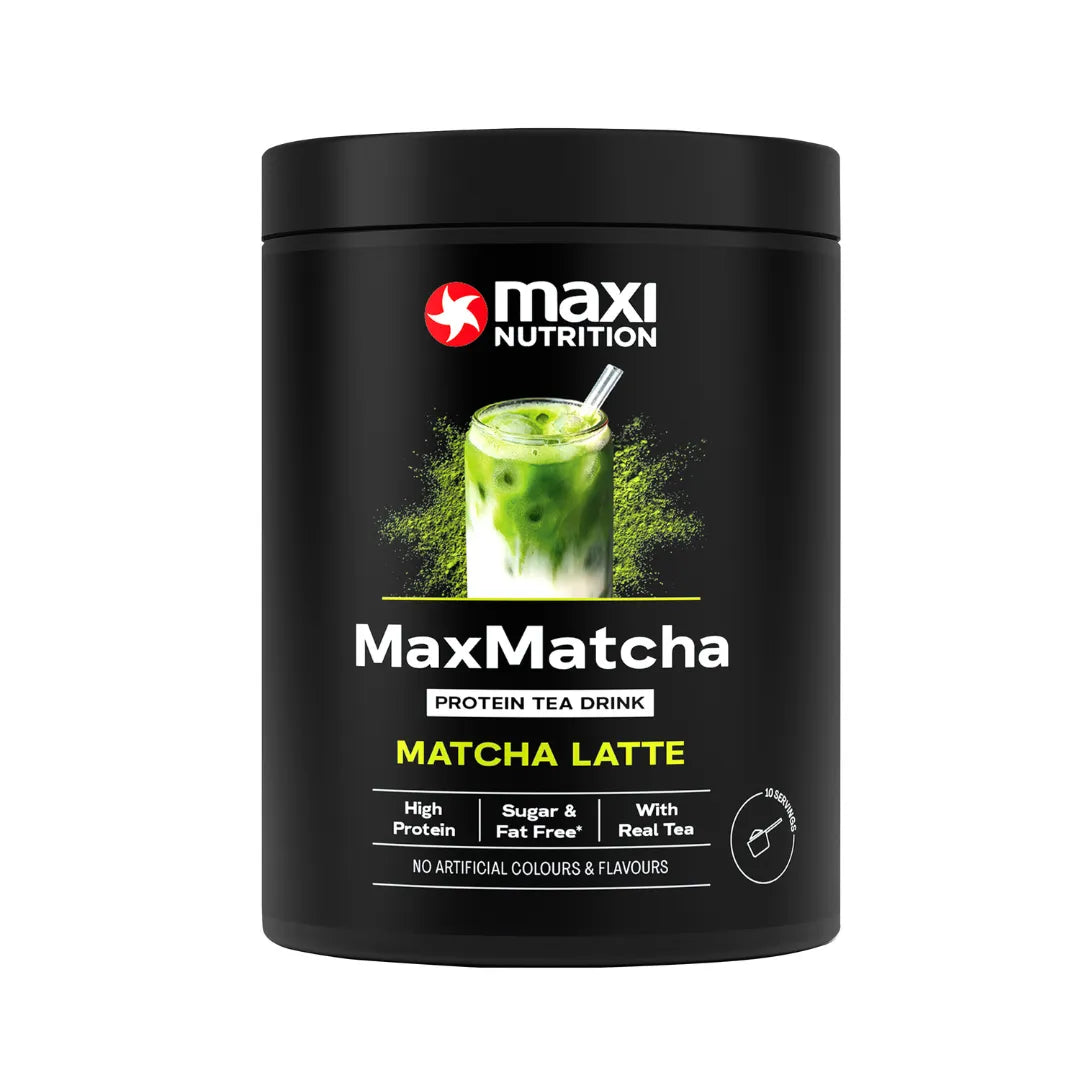



Best overall Whey Protein
Diet Whey Protein Powder
Pure Source Nutrition · 1kg
Pros
- 55.5% cheaper per 25g protein than the median of 65 other Whey Protein product families in this comparison
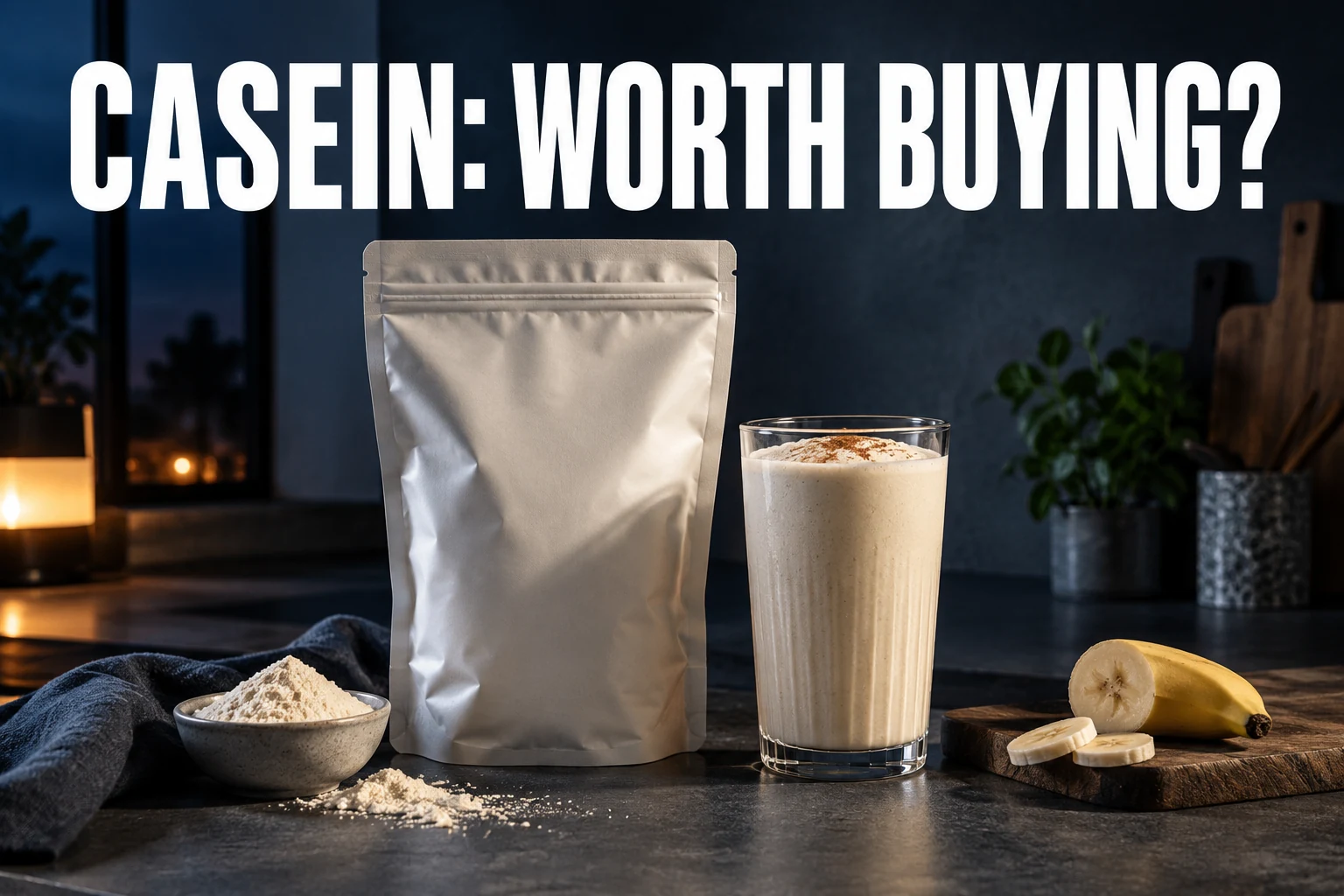
The ingredients worth checking
A short ingredient list does not guarantee better mixing. Plain high-purity isolate can be harder to wet than an instantised product containing a small amount of lecithin. Conversely, a long list of gums, starches and inclusions may produce a thick shake even when it disperses perfectly.
Check the ingredient order as well as presence. Lecithin near the end can still perform its technical role at a low percentage. Cocoa high in the list changes both flavour and suspended solids. Xanthan gum is powerful in small amounts, so its position does not reveal the final viscosity on its own.
| Label term | Why it is used | What the buyer may notice |
|---|---|---|
| Soy or sunflower lecithin | Emulsification and improved wetting | Fewer floating islands and faster dispersion. |
| Instantised/agglomerated | Particle structure engineered for rehydration | Quicker sinking and fewer dry-centred clumps. |
| Xanthan or guar gum | Stability and thickness | Creamier at low levels; slimy or overly thick when overused. |
| Hydrolysed protein | Smaller peptide size | Often thinner, with a possible bitter edge. |
| Oat flour, maltodextrin or starch | Carbohydrate, body and calories | Heavier shake and more powder to disperse. |
| Fibre or seed material | Nutrition and satiety | Grit, sediment and continued thickening while standing. |
| Cocoa powder | Chocolate flavour and colour | Richer body and more suspended solids. |
The best way to mix protein without lumps
For one normal scoop, add 200–300ml cold liquid first, drop the mixing ball or grid in, add powder, close the lid and shake vertically for 15–20 seconds. Leave clear whey or casein briefly, then shake again. Adjust the next serving by 25–50ml rather than immediately blaming the powder.
A blender is not mandatory for whey, but it is the honest solution for mass gainers, fibre-heavy vegan powders and smoothies. Stirring with a teaspoon applies much less shear and is the least fair test of a powder advertised for shaker use.
For hot oats or coffee, first make a smooth paste with a small amount of cool liquid. Then add that paste gradually. Pouring dry protein directly into near-boiling liquid encourages local overheating and stubborn lumps.
- 1
1. Put liquid in first.
- 2
2. Use the label's suggested amount as a starting point.
- 3
3. Add one level serving rather than an overloaded scoop.
- 4
4. Leave empty space in the shaker.
- 5
5. Shake firmly, rest when appropriate, then shake again.
- 6
6. Rinse immediately so residue does not dry around the lid and grid.
How to judge reviews about mixability
A useful review names the flavour, batch, liquid, powder quantity and mixing method. "Doesn't mix" tells you little without those details. A 5kg chocolate bag used with milk and two scoops is not a fair comparison with a single vanilla scoop in water.
Look for repeated complaints about the same product and flavour rather than one dramatic review. Texture can vary within a product range because cocoa, biscuit pieces, fruit acids, gums and sweetener systems change the formulation.
Treat blender reviews separately from shaker reviews. Almost any powder can look smooth after 45 seconds in a powerful blender; the more revealing question is whether it disperses in the method you will actually use.
What protein buyers are saying about texture and mixing
Real buyers reinforce the article's central point: protein source changes the expected texture, and preparation method changes the result. These comments are anecdotal rather than controlled tests, but they identify recurring issues worth checking before buying a large bag.
The most useful reports name the protein type and method. They also show why “thick” is not universally bad: one buyer may reject casein for the same property another deliberately wants for protein pudding.
“Based on my experience, it depends on the type of powder. Some dissolve better than others. Also blending rather than shaking might help.”
r/nutrition
An Optimum Nutrition buyer wrote: “ON completely dissolves in my shaker and tastes like vanilla or chocolate milk that's been watered down.”
r/nutrition
“I've never had issues with the texture/mixability of the soy isolate, whereas pea would be impossible to mix sometimes.”
r/veganfitness
A buyer seeking thickness said vegan protein “makes pudding instead of liquid shakes” and recommended mixing it with yoghurt to reduce lumps.
r/Volumeeating
The ProteinDeals recommendation
Buy Optimum Nutrition Gold Standard when you want the safest mainstream shaker experience and its price is within roughly 10–15% of a good value whey per 25g protein. Beyond that premium, we would buy whichever of MyProtein Impact Whey or Bulk Pure Whey currently leads on delivered cost per 25g protein.
Choose clear whey when you dislike creamy shakes, micellar casein when you deliberately want thickness, soy isolate when you want the smoothest likely single-source vegan option, and a pea-rice blend when amino-acid balance matters more than achieving dairy-like texture.
Do not pay for the word "instant" without checking the ingredient list and buyer feedback. But do not reject lecithin or agglomeration as unnecessary additives either: those are exactly the tools manufacturers use to make a hydrophobic high-protein powder behave in water.
Watch what buyers found
Hands-on opinions
MyProtein vs Optimum Nutrition: The Battle of Whey Protein Powder
Javen Palmer
A practical comparison of two catalogue products where taste, texture and mixability can be seen alongside the nutrition and price differences.
Pick the Right Whey Protein in Under 4 Minutes
PictureFit
A concise explanation of whey types that helps contextualise why concentrate, isolate and hydrolysed powders can behave differently.
References
Sources and further reading
- 01Journal of Dairy Science — Rehydration of high-protein dairy powders
Review of wettability, dispersibility, solubility and the particular rehydration challenges of casein-rich powders.
- 02PubMed — Plant protein solubility review
Review of the intrinsic, processing and formulation factors affecting plant-protein solubility.
- 03Food Hydrocolloids — Lecithin and whey-isolate wetting
Research into how lecithin application and agglomeration affect whey-protein-isolate wettability.
- 04Foods — Soy lecithin and protein-powder rehydration
Experimental evidence showing lecithin can improve powder wettability and dispersibility.
- 05PubMed — Astringency in plant proteins
Review of oral friction and astringency as overlooked contributors to plant-protein texture.
- 06Optimum Nutrition UK — Gold Standard Whey ingredients
Official formulation reference confirming its whey blend and soy lecithin.
Frequently asked questions
Which protein powder mixes best?+
An instantised whey blend with lecithin is generally the safest shaker choice. ProteinDeals recommends Optimum Nutrition Gold Standard when blendability justifies its premium, with MyProtein Impact Whey and Bulk Pure Whey as better-value alternatives.
Why does protein powder form lumps?+
Liquid wets the outside of fine protein particles and can create a sticky layer around a dry centre. Too little liquid, adding liquid after powder, weak shaking and non-instantised fine particles make this worse.
Does lecithin improve protein-powder mixability?+
It can. Lecithin has both water- and fat-interacting regions, so correctly applied soy or sunflower lecithin can improve wetting and dispersion. Its presence does not increase protein quality.
Why is vegan protein chalkier than whey?+
Plant isolates differ in solubility and can retain fibre, carbohydrates, polyphenols and other particles. Pea, rice and hemp also create different oral friction and sediment. Processing and formulation can reduce but not always eliminate these characteristics.
Why is clear whey so foamy?+
Shaking unfolds proteins at the air-water boundary and traps air. Clear whey is usually meant to rest after shaking, allowing the foam to collapse into a thinner drink.
Why is casein much thicker than whey?+
Micellar casein hydrates and swells differently, producing greater viscosity and slower dispersion. Its thick texture is an intended characteristic rather than proof that the powder is defective.
Should water or protein powder go into the shaker first?+
Add liquid first and powder second. This prevents dry powder compacting against the base and gives particles immediate access to liquid when shaking begins.
Does a blender improve protein texture?+
Yes, especially for mass gainers, fibre-heavy plant powders, smoothies and multiple scoops. A normal instantised whey should not require one, but a blender applies more shear than a shaker or spoon.