


Quick answer
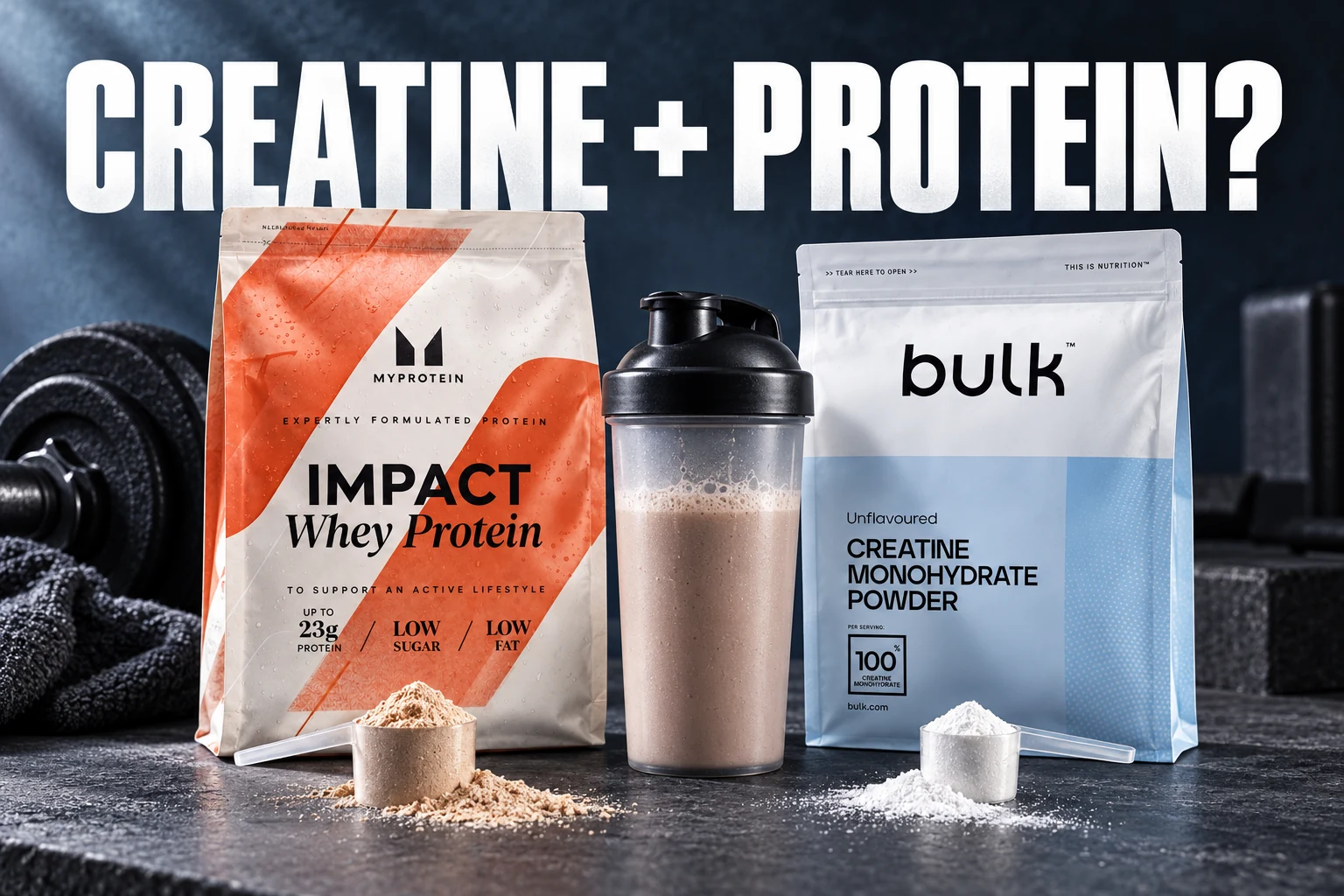
Creatine monohydrate can go straight into a protein shake. Add your usual daily serving and drink it after mixing. The protein helps you meet your daily target, while creatine works through regular use; neither needs a separate shaker or a special post-workout window.
One shaker, two different jobs
A scoop of whey and a scoop of creatine look like a single supplement once mixed, but they are doing different jobs. Protein powder is food in a convenient form. Creatine monohydrate gradually raises muscle creatine stores when taken consistently. Putting them in the same drink does not turn either one into a more powerful version of itself.
The Australian Institute of Sport explicitly lists a protein-carbohydrate recovery drink as one way to take creatine. Its practical advice is to drink the mixture soon after making it, rather than leave a prepared shaker standing for hours.
One shaker, two jobs
Protein powder
Daily protein
Supplies amino acids that count towards your food intake and muscle repair.
Creatine monohydrate
Muscle creatine stores
Builds up with regular use to support repeated short, hard efforts.
Creatine is not creatinine
Creatine helps muscles replenish the short bursts of energy used for lifting and sprinting. A small amount naturally turns into creatinine, a waste product the kidneys remove in urine. Creatinine is also the substance measured in a common kidney blood test. It is not another form of creatine to shop for, and the similar names are easy to confuse.
Creatine can also convert to creatinine after it has been mixed into a drink. The change is faster when a liquid is warmer, more acidic or left standing longer. This is the practical reason to make a shake when you are ready to drink it, not the night before.

Which creatine mixes best, and what will it taste like?
Plain creatine monohydrate has little flavour, so a chocolate or fruit protein shake will mostly taste like the shake. In cold water, however, a little powder can settle at the bottom and feel gritty. Stirring it into slightly warm water dissolves more of it; mixing it into a thicker shake or yoghurt makes any remaining particles less noticeable. A finer 'micronised' monohydrate stays suspended more easily, but it is still monohydrate, not a new active ingredient.
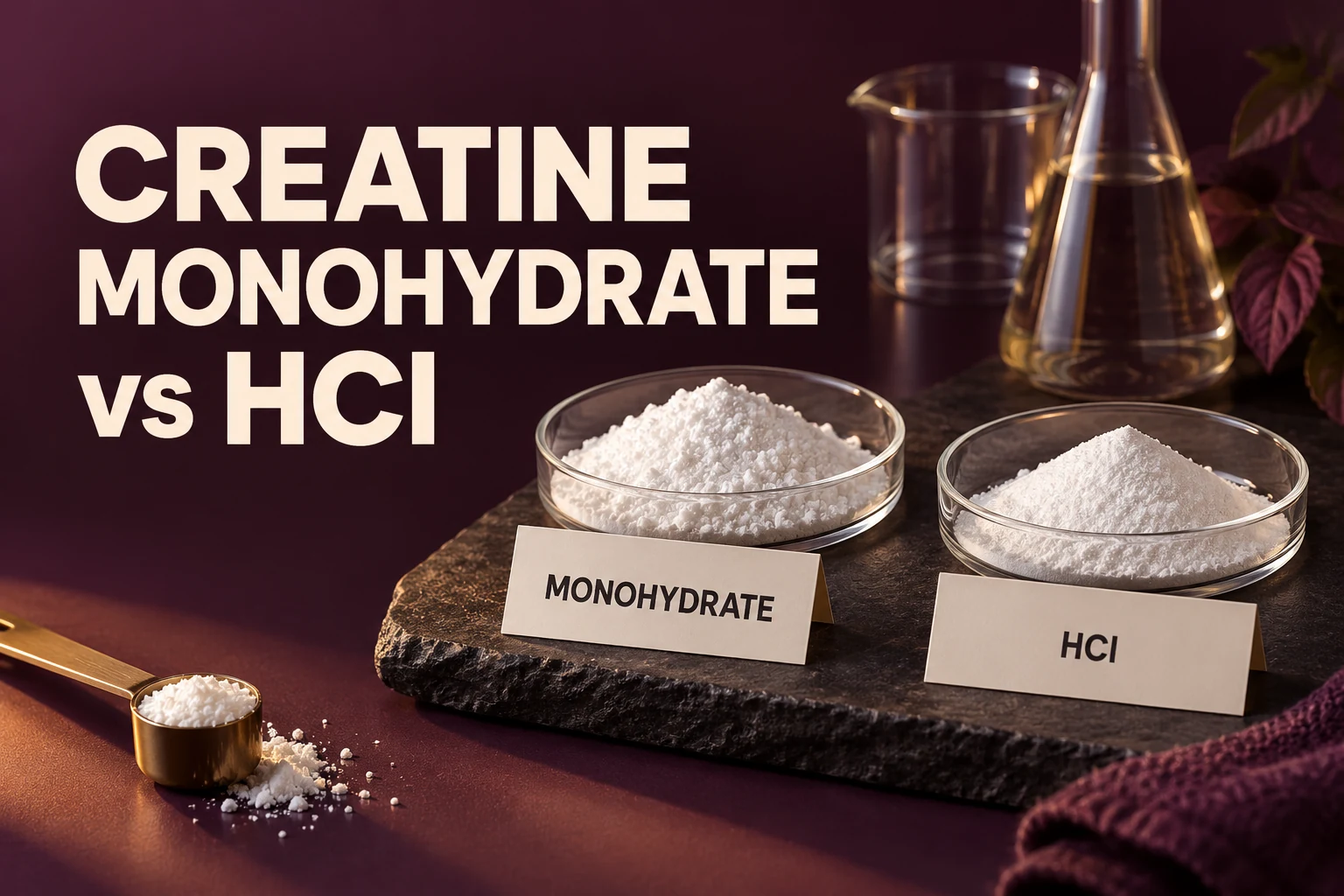
Creatine hydrochloride (HCl) is a different form and dissolves more readily in water. That can make a clearer drink, but better dissolving does not establish better strength gains or justify replacing a studied monohydrate dose with a much smaller HCl dose. For a protein shake, ordinary unflavoured monohydrate is the sensible starting point. Our monohydrate versus HCl guide covers the price and evidence in more detail.
How much goes into the shaker?
Keep the products' own serving sizes separate. If your whey label says one 25g scoop, that is 25g of powder, not necessarily 25g of protein. Myprotein's Maple Syrup Impact Whey label, for example, lists 20g of protein in a 25g serving. Add 3 to 5g of plain creatine monohydrate alongside it if that is your chosen daily dose.
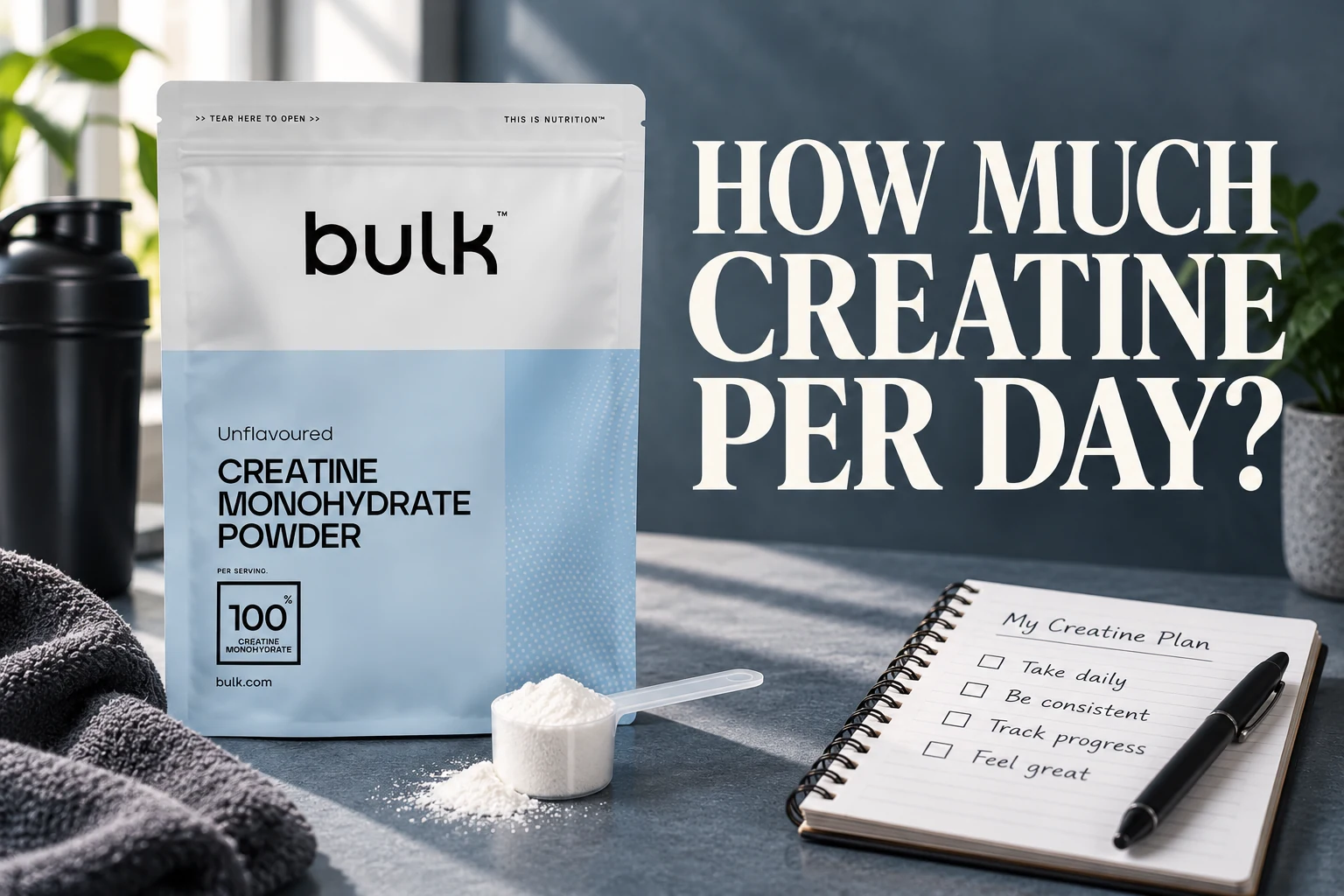
You can take creatine in water, yoghurt or a shake. The main routine to keep is taking it every day, including rest days. The Australian Institute of Sport describes 3 to 5g daily as a maintenance approach and says stores build gradually without a loading phase.
| In the shaker | Example amount | What it supplies |
|---|---|---|
| Myprotein Impact Whey, Maple Syrup | 25g powder | 20g protein on its label |
| Plain creatine monohydrate | 3 to 5g powder | Your daily creatine dose |
| Water or milk | To taste | Changes the drink, not the powder doses |

Cheapest Creatine
Creatine Monohydrate Powder
Pure Source Nutrition · 500g
Separate tubs or a protein-and-creatine blend?
A blend is convenient, but check the creatine amount per serving before paying for that convenience. If a blend supplies only 1g of creatine per scoop, it will not replace a 3 to 5g daily routine unless you take several scoops. Separate products make both doses visible and let you change your protein powder without changing your creatine routine.
For a real shopping comparison, calculate the whey price per 20g of labelled protein and add the price of 3 to 5g of creatine. Compare that combined figure with the blend's price at the number of scoops needed to deliver the same amounts. The protein cost calculator explains why powder weight alone is a poor shortcut.
The simple routine
Put creatine into whichever drink you already make most reliably. If the shake is an occasional meal replacement rather than a daily habit, keep the creatine separate on days you skip it. For most people, consistency matters more than whether the two powders meet in the shaker.
References
Sources and further reading
- 01Australian Institute of Sport, Creatine
Mixing, timing and maintenance dosing.
- 02MedlinePlus, Creatinine Test
What creatinine is and how the body removes it.
- 03Scientific review of creatine forms and solution stability
Temperature, acidity and time affect conversion of creatine to creatinine in liquid.
- 04Creatine and creatine hydrochloride solubility study
Measured difference in water solubility between creatine and its hydrochloride salt.
- 05Optimum Nutrition, Micronised Creatine Powder
Manufacturer explanation of micronised texture and suspension.
- 06Myprotein, unflavoured creatine
Manufacturer description of neutral-tasting unflavoured powder.
- 07Myprotein, Impact Whey Protein Maple Syrup
25g serving and labelled protein content, checked 24 September 2026.
Frequently asked questions
Can I mix creatine with whey protein?+
Yes. Creatine monohydrate can be mixed into a whey shake and drunk shortly after preparation.
Do I only need creatine on training days?+
No. A daily maintenance routine is used to build and maintain muscle creatine stores, including on rest days.