

Quick answer
Generic 100% creatine monohydrate is our value winner; Creapure is a traceability upgrade, not a more effective molecule. Pay a modest premium when named-source assurance matters, otherwise compare reputable powder by delivered cost per 5g.
The distinction in one minute
Generic 100% creatine monohydrate is our value winner; Creapure is the traceability upgrade. Both supply the same active compound, so Creapure does not build more muscle when purity and dose are equivalent. We would pay a small premium for its named supply chain, but not double.
Choose verified Creapure or an Informed Sport product when sourcing assurance has real value to you. Otherwise buy reputable generic powder by delivered cost per 5g and avoid blends, gummies and alternative forms.
Live comparison
Creatine products
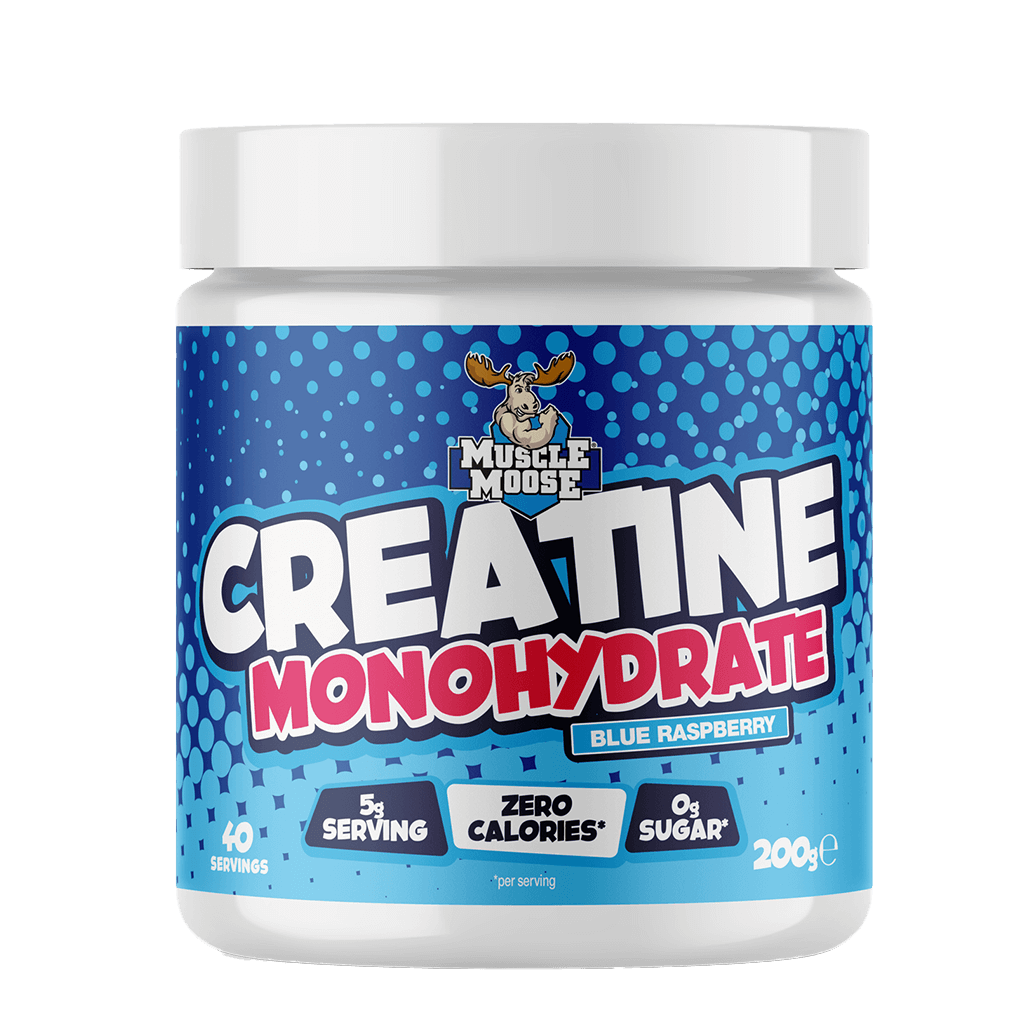
FlavourSize (g)QtyServingsOfferTotal Per 25g protein 10001- £12.99 --- 7501- £11.99 --- 5001- £9.99 --- |
FlavourSize (g)QtyServingsOfferTotal Per 25g protein 10001- £12.99 --- 5001- £9.99 --- 2501- £6.99 --- |
FlavourSize (g)QtyServingsOfferTotal Per 25g protein 50001- £77.49 --- 20001- £31.99 --- 10001- £16.49 --- |
FlavourSize (g)QtyServingsOfferTotal Per 25g protein 9001- £13.99£30.00 -53%--- |
FlavourSize (g)QtyServingsOfferTotal Per 25g protein 4050153.8 £62.99 25.0g264£1.171 2700135.9 £44.99 25.0g264£1.255 1350117.9 £24.99 25.0g264£1.394 |
FlavourSize (g)QtyServingsOfferTotal Per 25g protein 432110.7 £7.99 25.0g128£0.746 564114.4 £13.50 25.0g125£0.935 1175130.1 £33.99 25.0g125£1.130 |
FlavourSize (g)QtyServingsOfferTotal Per 25g protein 432110.7 £7.99£15.99 -50%25.0g128£0.746 564114.4 £13.50£32.99 -59%25.0g125£0.935 |
FlavourSize (g)QtyServingsOfferTotal Per 25g protein 10001- £19.99£30.00 -33%--- 5001- £11.99£20.00 -40%--- 3001- £8.99£15.00 -40%--- |
FlavourSize (g)QtyServingsOfferTotal Per 25g protein 10001- £19.99 --- 2501- £5.00 --- 5001- £10.49 --- |
FlavourSize (g)QtyServingsOfferTotal Per 25g protein 10001- £23.49 --- 5001- £12.49 --- 2501- £6.99 --- |
FlavourSize (g)QtyServingsOfferTotal Per 25g protein 12001- £29.95 --- 6001- £26.95 --- 1001- £8.34 --- |
FlavourSize (g)QtyServingsOfferTotal Per 25g protein 12001- £29.95 --- 6001- £26.95 --- 1001- £8.34 --- |
FlavourSize (g)QtyServingsOfferTotal Per 25g protein 10001- £24.99£49.99 -50%--- 5001- £12.99£29.99 -57%--- 2501- £8.99£16.99 -47%--- |
FlavourSize (g)QtyServingsOfferTotal Per 25g protein 10001- £24.99 --- 5001- £14.99 --- 2501- £7.99 --- |
FlavourSize (g)QtyServingsOfferTotal Per 25g protein 5001- £12.95£24.99 -48%--- |
FlavourSize (g)QtyServingsOfferTotal Per 25g protein 10001- £25.99£39.99 -35%--- |
FlavourSize (g)QtyServingsOfferTotal Per 25g protein 9001- £25.00 --- |
FlavourSize (g)QtyServingsOfferTotal Per 25g protein 10001- £29.95 --- 5001- £24.95 --- 2501- £18.95 --- |
FlavourSize (g)QtyServingsOfferTotal Per 25g protein 2501- £7.49 --- |
FlavourSize (g)QtyServingsOfferTotal Per 25g protein 3901- £11.99£16.99 -29%--- |
FlavourSize (g)QtyServingsOfferTotal Per 25g protein 2501- £7.99£23.99 -67%--- |
FlavourSize (g)QtyServingsOfferTotal Per 25g protein 5001- £15.99 --- 2501- £11.99 --- |
FlavourSize (g)QtyServingsOfferTotal Per 25g protein 10001- £31.99 --- 20001- £64.99 --- 5001- £20.99 --- |
FlavourSize (g)QtyServingsOfferTotal Per 25g protein 1000129.5 £31.99 25.0g119£1.085 500114.7 £17.99 25.0g119£1.220 25017.4 £9.99 25.0g119£1.355 |
FlavourSize (g)QtyServingsOfferTotal Per 25g protein 3001- £9.99£19.99 -50%--- |
FlavourSize (g)QtyServingsOfferTotal Per 25g protein 3001- £9.99£19.99 -50%--- |
FlavourSize (g)QtyServingsOfferTotal Per 25g protein 5003- £50.13 --- 3003- £33.78 --- 5001- £18.99 --- |
FlavourSize (g)QtyServingsOfferTotal Per 25g protein 500112.5 £17.99£24.99 -28%25.0g-£1.442 |
FlavourSize (g)QtyServingsOfferTotal Per 25g protein 500112.5 £17.99£24.99 -28%25.0g-£1.442 |
FlavourSize (g)QtyServingsOfferTotal Per 25g protein 5001- £18.00 --- 1001- £4.99 --- |
FlavourSize (g)QtyServingsOfferTotal Per 25g protein 9001- £32.99 --- 6001- £22.49 --- 3001- £11.49 --- |
FlavourSize (g)QtyServingsOfferTotal Per 25g protein 10001- £36.99 --- |
FlavourSize (g)QtyServingsOfferTotal Per 25g protein 4501- £16.79£23.99 -30%--- |
FlavourSize (g)QtyServingsOfferTotal Per 25g protein 4501- £16.79£23.99 -30%--- |
FlavourSize (g)QtyServingsOfferTotal Per 25g protein 40011,600 £14.99£20.00 -25%25.0g-£0.009 |
FlavourSize (g)QtyServingsOfferTotal Per 25g protein 4001- £14.99£20.00 -25%--- |
FlavourSize (g)QtyServingsOfferTotal Per 25g protein 40012,240.9 £14.99£20.00 -25%25.0g-£0.007 |
FlavourSize (g)QtyServingsOfferTotal Per 25g protein 40012,240.9 £14.99£20.00 -25%25.0g-£0.007 |
FlavourSize (g)QtyServingsOfferTotal Per 25g protein 40011,600 £14.99£20.00 -25%25.0g-£0.009 |
FlavourSize (g)QtyServingsOfferTotal Per 25g protein 40011,600 £14.99£20.00 -25%25.0g-£0.009 |
FlavourSize (g)QtyServingsOfferTotal Per 25g protein 1260128.2 £49.99 25.0g150£1.771 |
FlavourSize (g)QtyServingsOfferTotal Per 25g protein 5001- £19.99 --- |
FlavourSize (g)QtyServingsOfferTotal Per 25g protein 10001- £39.99 --- |
FlavourSize (g)QtyServingsOfferTotal Per 25g protein 3001- £12.00 --- |
FlavourSize (g)QtyServingsOfferTotal Per 25g protein 10001- £42.00 --- 3001- £20.00 --- |
FlavourSize (g)QtyServingsOfferTotal Per 25g protein 3301- £15.00 --- |
FlavourSize (g)QtyServingsOfferTotal Per 25g protein 5001- £22.99 --- |
FlavourSize (g)QtyServingsOfferTotal Per 25g protein 5001- £24.99 --- 2501- £14.99 --- |
FlavourSize (g)QtyServingsOfferTotal Per 25g protein 5001- £25.00 --- |
FlavourSize (g)QtyServingsOfferTotal Per 25g protein 3001- £16.00 --- |
FlavourSize (g)QtyServingsOfferTotal Per 25g protein 3301- £17.99 --- |
FlavourSize (g)QtyServingsOfferTotal Per 25g protein 1260129.7 £70.00 25.0g136£2.354 |
FlavourSize (g)QtyServingsOfferTotal Per 25g protein 2101- £12.00 --- |
FlavourSize (g)QtyServingsOfferTotal Per 25g protein 4001- £23.00 --- |
FlavourSize (g)QtyServingsOfferTotal Per 25g protein 4501- £26.00 --- |
FlavourSize (g)QtyServingsOfferTotal Per 25g protein 5001- £30.49 --- 1001- £11.49 --- |
FlavourSize (g)QtyServingsOfferTotal Per 25g protein 6341- £40.00 --- 3171- £22.00 --- 1871- £14.00 --- |
FlavourSize (g)QtyServingsOfferTotal Per 25g protein 2491- £16.00 --- |
FlavourSize (g)QtyServingsOfferTotal Per 25g protein 3001- £19.95 --- |
FlavourSize (g)QtyServingsOfferTotal Per 25g protein 3001- £19.99 --- |
FlavourSize (g)QtyServingsOfferTotal Per 25g protein 3001- £19.99 --- 30- £24.99 --- |
FlavourSize (g)QtyServingsOfferTotal Per 25g protein 2501- £16.99 --- |
FlavourSize (g)QtyServingsOfferTotal Per 25g protein 7.530- £15.49 --- 5.730- £15.49 --- |
FlavourSize (g)QtyServingsOfferTotal Per 25g protein 40013.4 £27.99 25.0g-£8.330 |
FlavourSize (g)QtyServingsOfferTotal Per 25g protein 40013.4 £27.99 25.0g-£8.330 15011.3 £11.99 25.0g-£9.516 |
FlavourSize (g)QtyServingsOfferTotal Per 25g protein 5001- £35.00 --- |
FlavourSize (g)QtyServingsOfferTotal Per 25g protein 5001- £35.99 --- 3001- £26.99 --- 1001- £18.99 --- |
FlavourSize (g)QtyServingsOfferTotal Per 25g protein 2501- £18.99 --- |
FlavourSize (g)QtyServingsOfferTotal Per 25g protein 5001- £38.99 --- |
FlavourSize (g)QtyServingsOfferTotal Per 25g protein 4441- £34.95 --- 2221- £19.95 --- |
FlavourSize (g)QtyServingsOfferTotal Per 25g protein 10001- £79.00£110.99 -29%--- 5001- £49.99£64.99 -23%--- |
FlavourSize (g)QtyServingsOfferTotal Per 25g protein 2521- £19.99 --- |
FlavourSize (g)QtyServingsOfferTotal Per 25g protein 751- £5.99£6.99 -14%--- |
FlavourSize (g)QtyServingsOfferTotal Per 25g protein 751- £5.99£6.99 -14%--- |
FlavourSize (g)QtyServingsOfferTotal Per 25g protein 5001- £39.99 --- 2501- £21.99 --- |
FlavourSize (g)QtyServingsOfferTotal Per 25g protein 3101104.2 £24.99 25.0g-£0.240 |
FlavourSize (g)QtyServingsOfferTotal Per 25g protein 10001- £82.99 --- 5001- £42.49 --- 2501- £28.99 --- |
FlavourSize (g)QtyServingsOfferTotal Per 25g protein 5001- £41.99£49.99 -16%--- 1001- £10.99£12.99 -15%--- |
FlavourSize (g)QtyServingsOfferTotal Per 25g protein 2001- £17.99 --- |
FlavourSize (g)QtyServingsOfferTotal Per 25g protein 5001- £49.99 --- |
FlavourSize (g)QtyServingsOfferTotal Per 25g protein 3501- £35.00 --- |
FlavourSize (g)QtyServingsOfferTotal Per 25g protein 1681- £25.00 --- |
FlavourSize (g)QtyServingsOfferTotal Per 25g protein 18014.9 £28.00 25.0g128£5.694 |
FlavourSize (g)QtyServingsOfferTotal Per 25g protein 1501- £25.00 --- |
FlavourSize (g)QtyServingsOfferTotal Per 25g protein 51- £8.99 --- 30- £8.99 --- |
FlavourSize (g)QtyServingsOfferTotal Per 25g protein 120- £8.99£25.00 -64%--- |
FlavourSize (g)QtyServingsOfferTotal Per 25g protein 28- £24.99£30.00 -17%--- |
FlavourSize (g)QtyServingsOfferTotal Per 25g protein 21- £4.49 --- 300.2 £7.99 25.0g600£39.950 900.6 £22.99 25.0g600£38.317 |
FlavourSize (g)QtyServingsOfferTotal Per 25g protein 300.2 £7.99 25.0g600£39.950 900.6 £22.99 25.0g600£38.317 |
FlavourSize (g)QtyServingsOfferTotal Per 25g protein 80- £22.99 --- 90- £9.99 --- |
FlavourSize (g)QtyServingsOfferTotal Per 25g protein - £12.00 --- |
FlavourSize (g)QtyServingsOfferTotal Per 25g protein 60- £14.99£19.99 -25%--- |
FlavourSize (g)QtyServingsOfferTotal Per 25g protein - £14.99£19.99 -25%--- |
FlavourSize (g)QtyServingsOfferTotal Per 25g protein 120- £38.99 --- 180- £55.99 --- 60- £19.99 --- |
FlavourSize (g)QtyServingsOfferTotal Per 25g protein - £14.99£20.00 -25%--- |
FlavourSize (g)QtyServingsOfferTotal Per 25g protein 90- £14.99£24.99 -40%--- |
FlavourSize (g)QtyServingsOfferTotal Per 25g protein 120- £8.99 --- 240- £13.99 --- 360- £17.99 --- |
FlavourSize (g)QtyServingsOfferTotal Per 25g protein 120- £5.99 --- 240- £7.99 --- 360- £10.99 --- |
FlavourSize (g)QtyServingsOfferTotal Per 25g protein 30- £21.99 --- |
FlavourSize (g)QtyServingsOfferTotal Per 25g protein 9025.2 £19.99 25.0g-£0.793 |




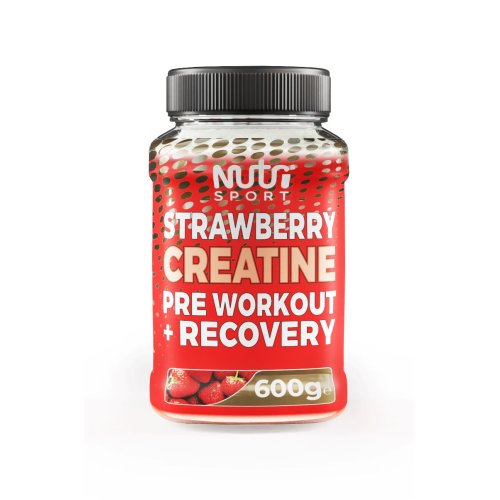






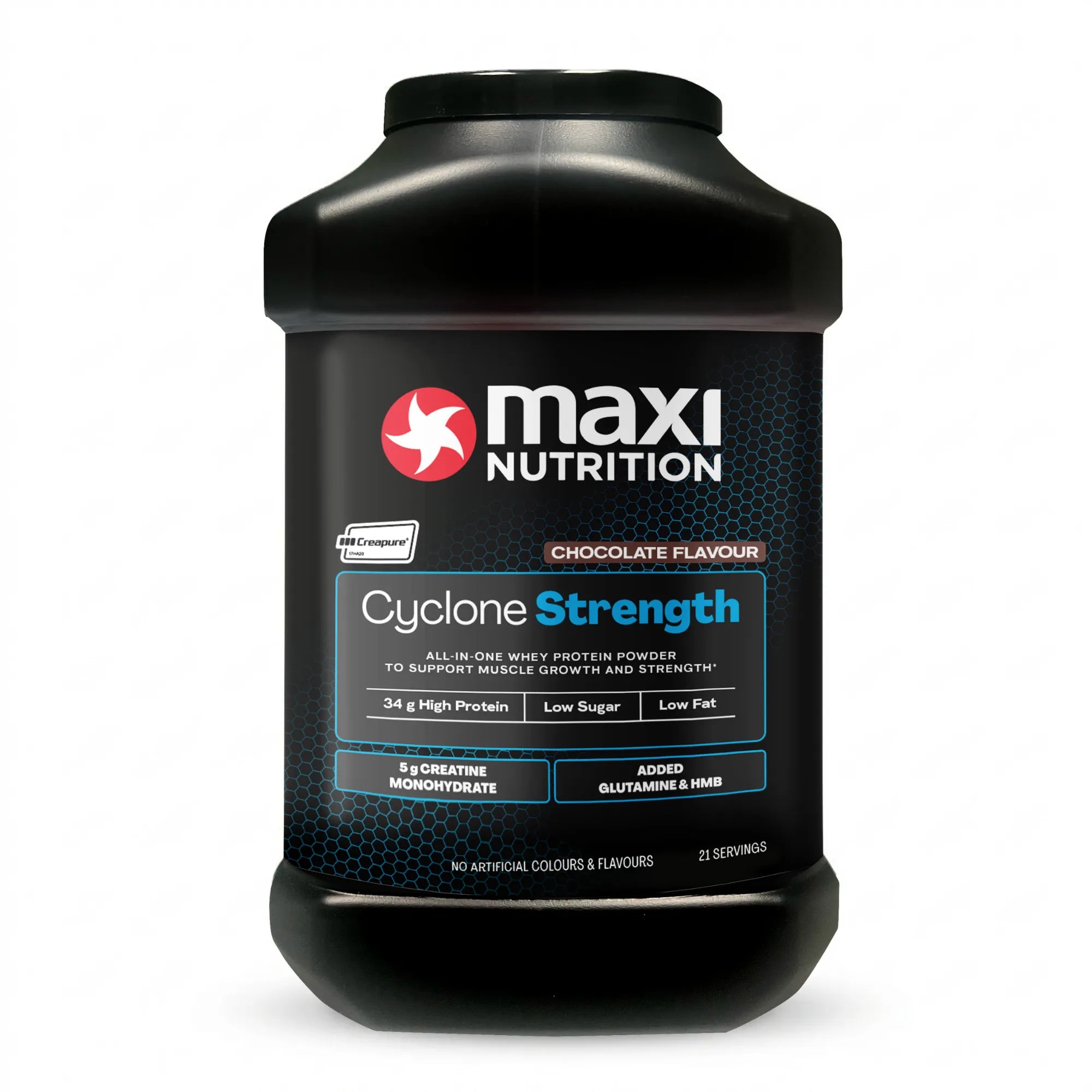


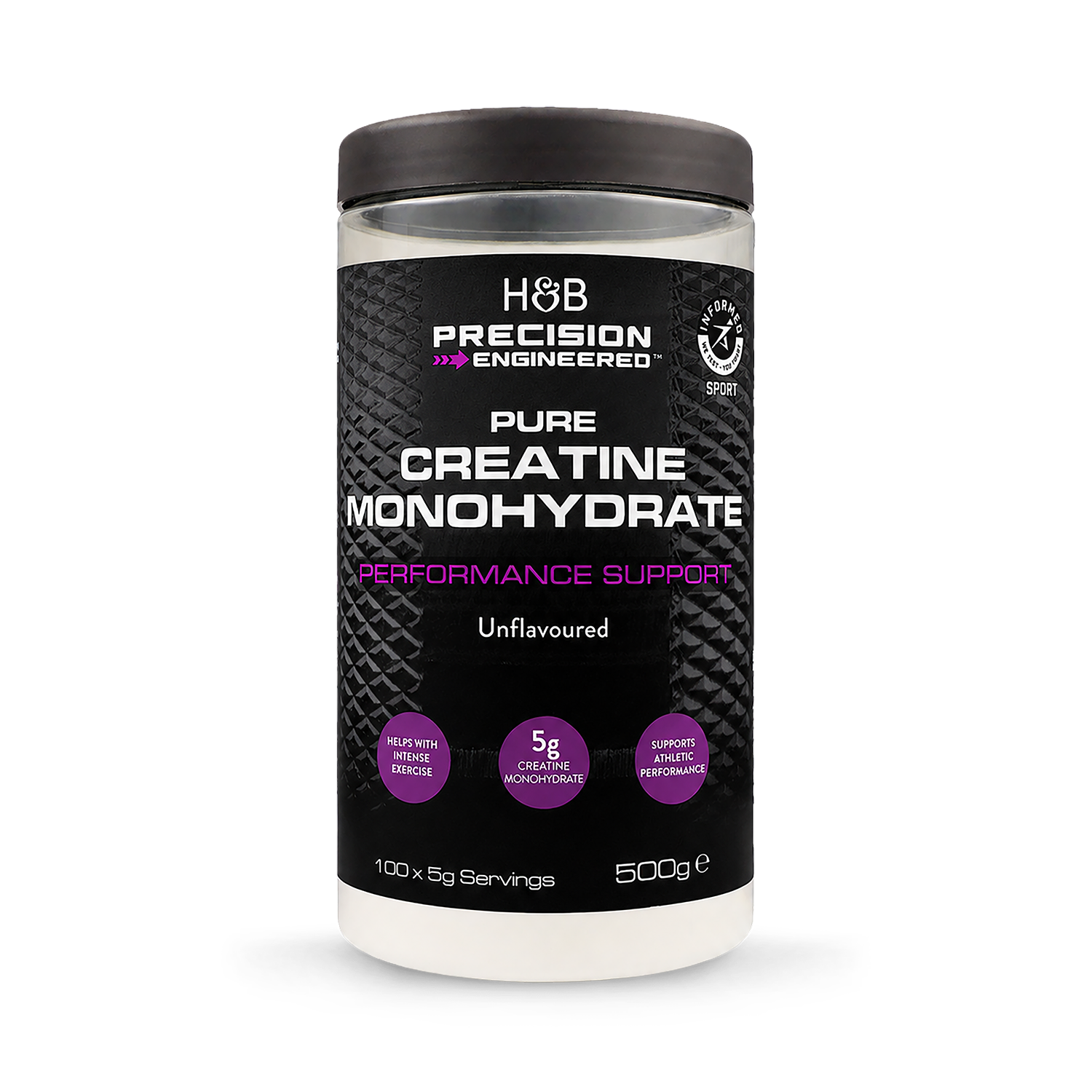


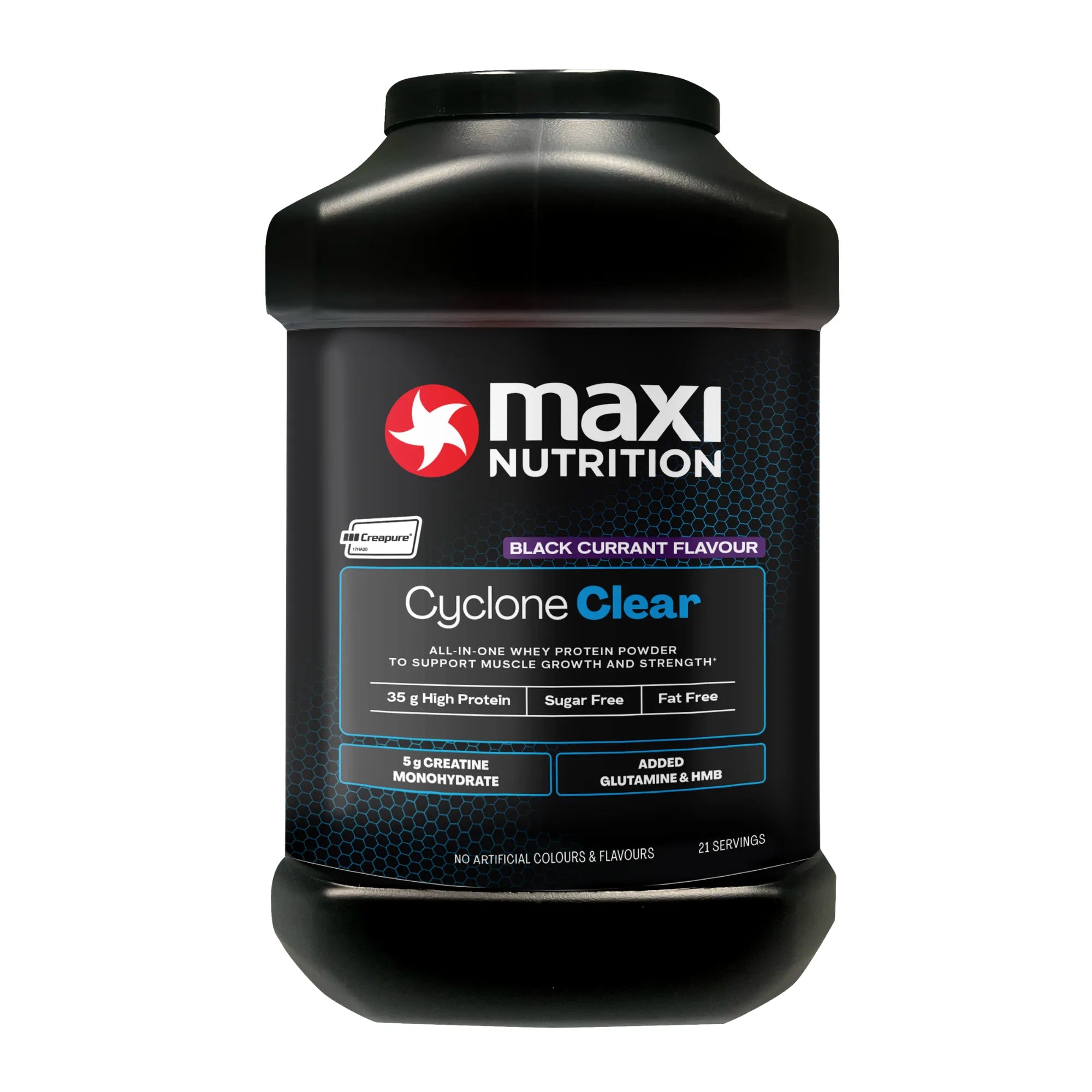
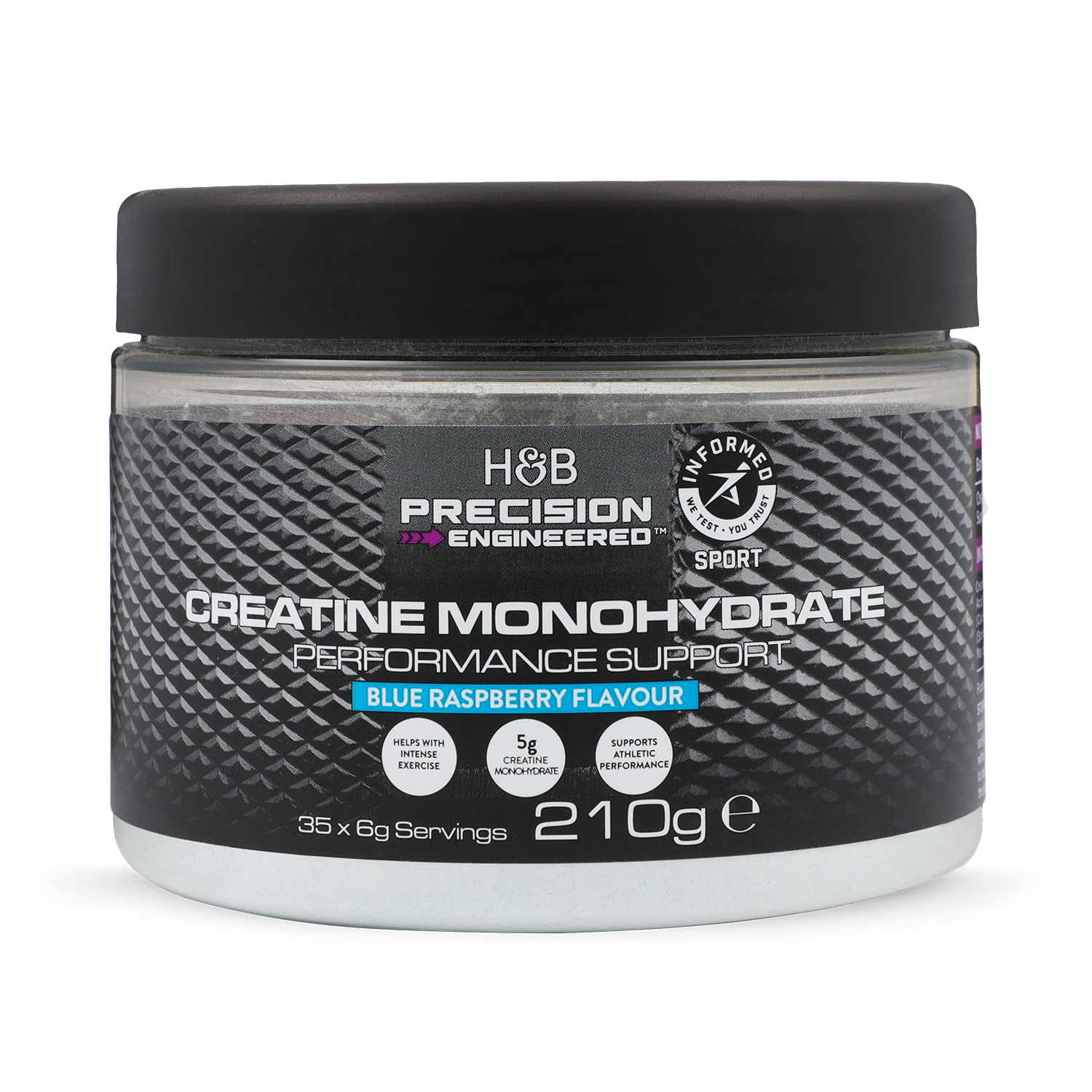

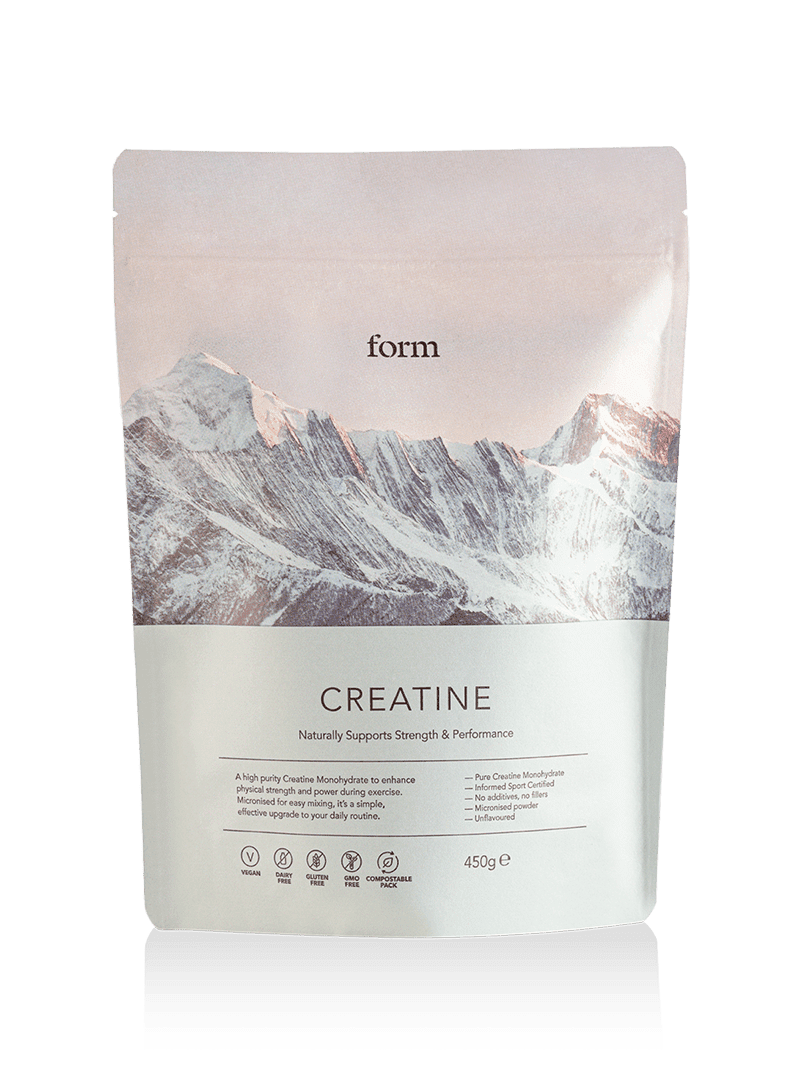










A raw-material brand, not a different creatine form
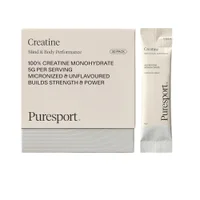
AlzChem manufactures Creapure creatine monohydrate at its Trostberg plant from sarcosinate and cyanamide. The closed production process and batch testing exist specifically to keep a lid on unwanted manufacturing by-products, namely dicyandiamide (DCD), dihydrotriazine (DHT) and creatinine. The manufacturer's own quality and manufacturing explanation walks through that process in detail; it's useful context on the specification, though it's worth remembering it's a first-party source describing itself.
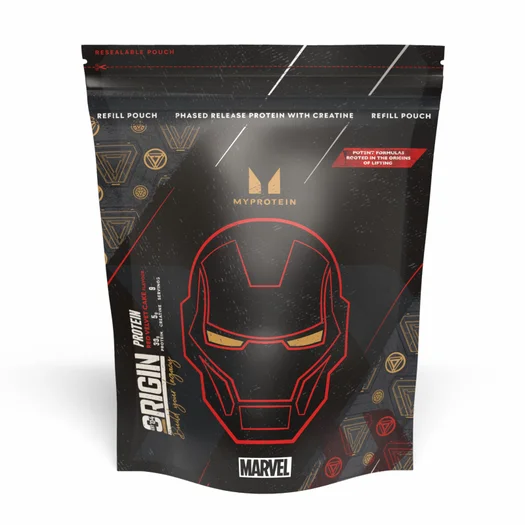
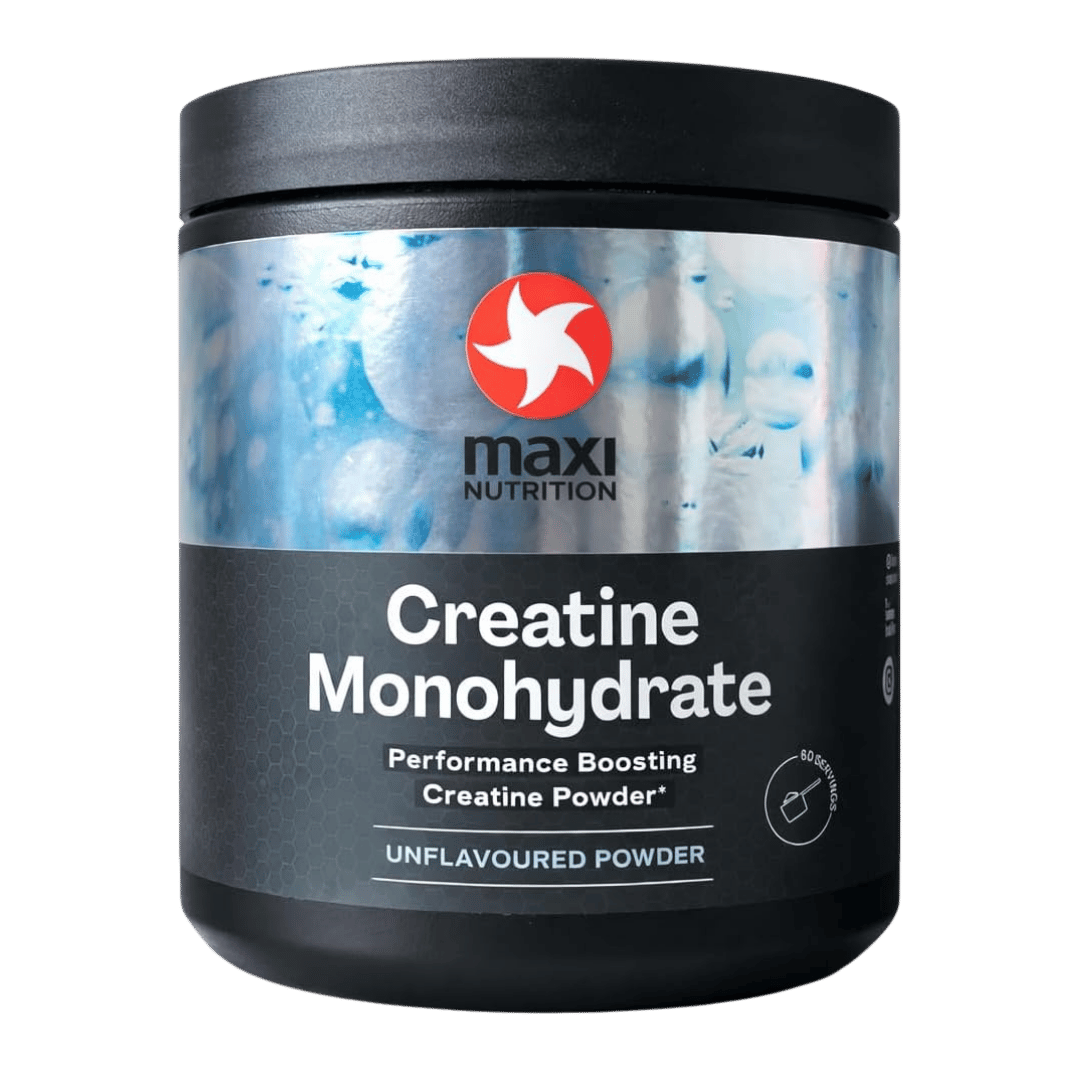
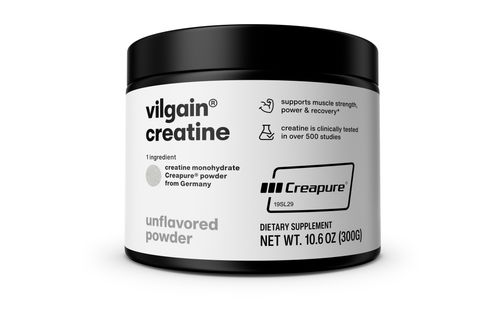
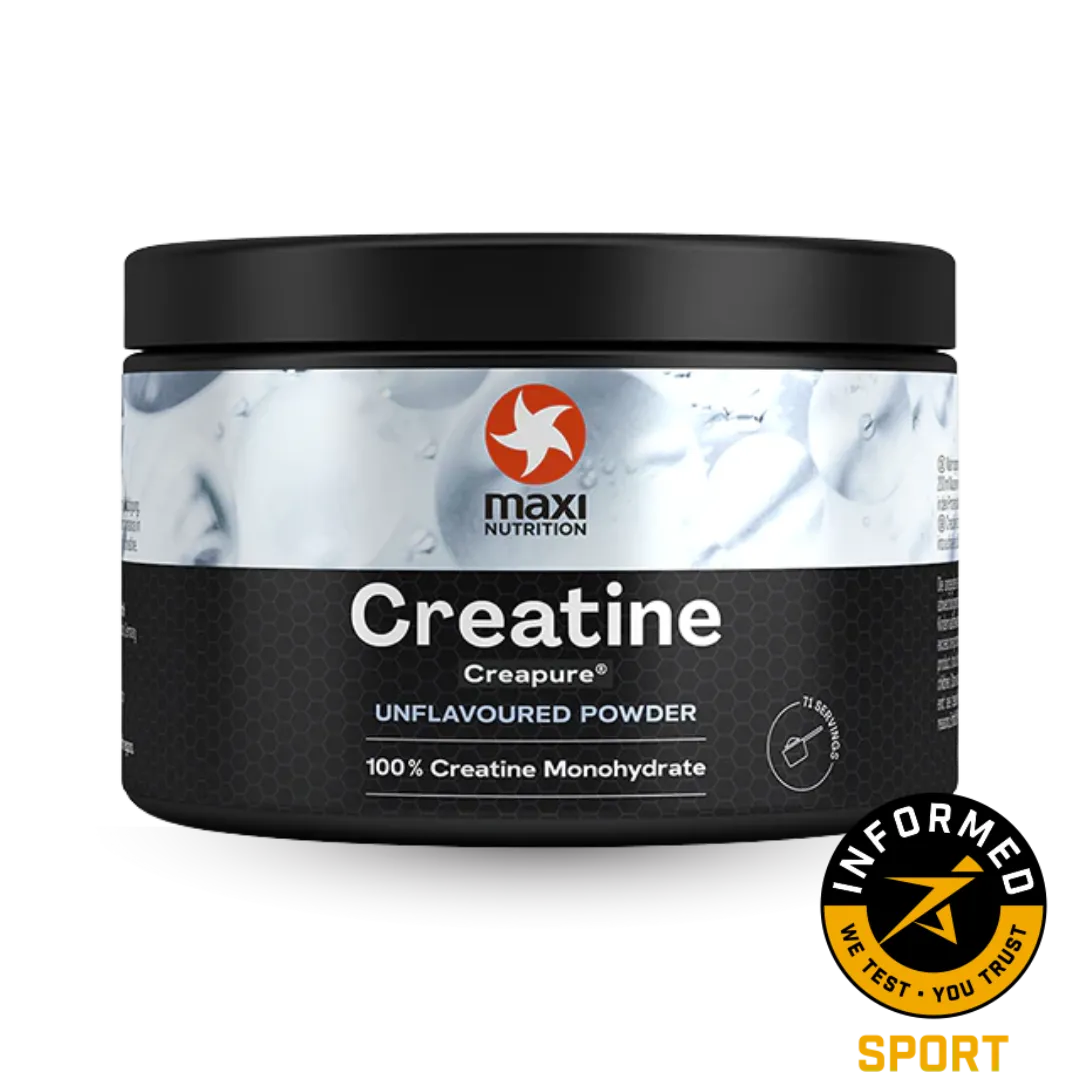
It's easy to forget that the supplement brand printed on your tub usually isn't the one making this raw material at all. A Creapure-licensed product simply buys the ingredient from AlzChem and packages it, which is exactly why MyProtein THE Creatine, Bulk Creapure Creatine and a handful of smaller UK brands can all trace back to the same underlying source. Look for a genuine Creapure logo, or verify a product through the brand's official partner listings, rather than taking the word "German" in marketplace copy at face value.
Separate published evidence from manufacturer comparisons
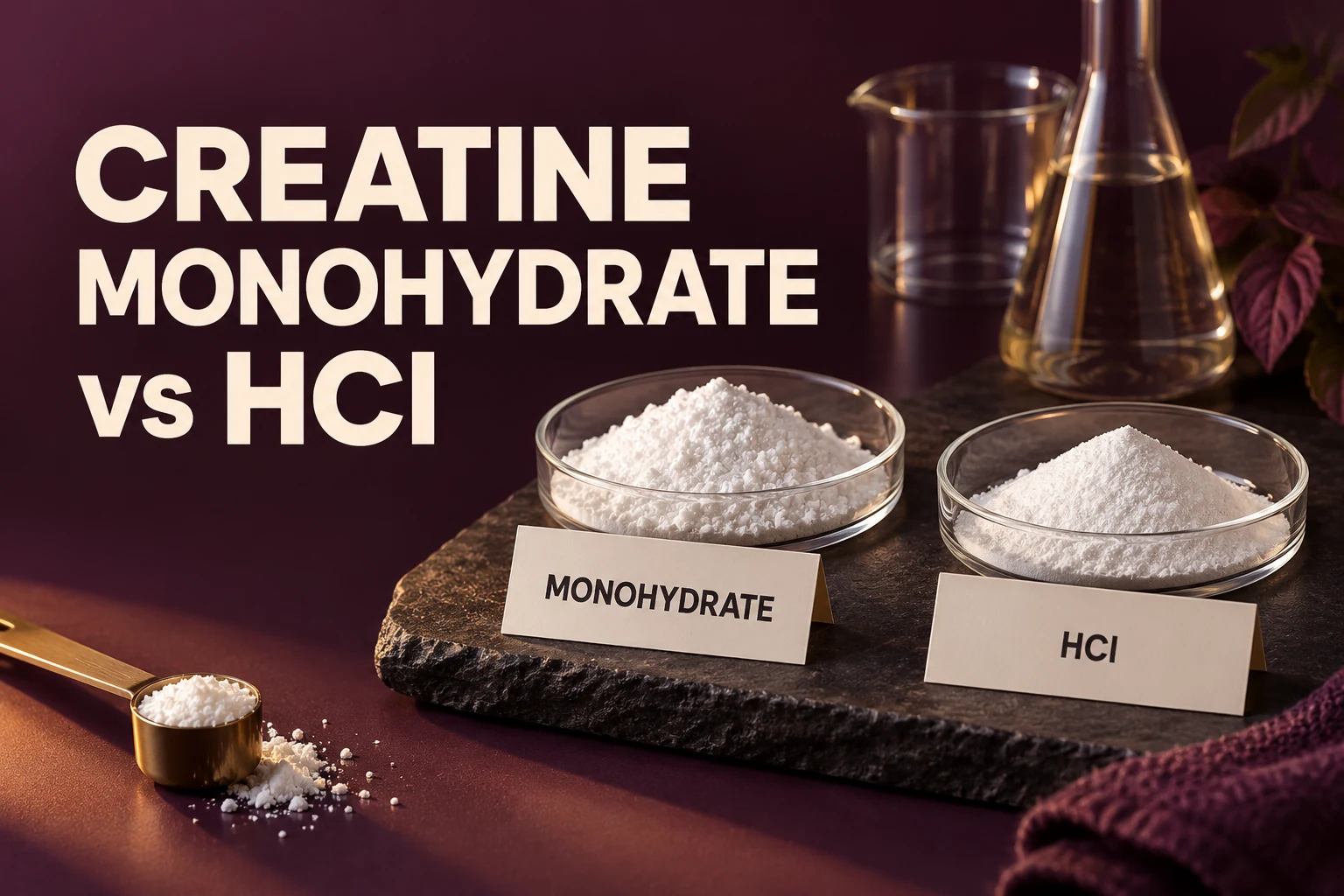
It helps to keep two different types of evidence apart here. Peer-reviewed reviews already support creatine monohydrate as the reference form, and separately identify Creapure as a well-characterised 99.9% pure source. AlzChem also publishes its own commissioned comparisons of Creapure against conventional products. Those lab results can be useful, but a manufacturer-funded comparison should be labelled as exactly that, not presented as a neutral, independent trial of every generic product on the market.
One frequently-cited paper, PMC9761713 from 2022, gets misquoted a lot: it did not test 20 generic products head-to-head against 9 Creapure products in a lab. What it actually did was examine the evidence, label claims and cost of alternative creatine forms sold on Amazon. It references Creapure's manufacturing history along the way, but it stops well short of supporting any blanket claim that generic monohydrate routinely breaches impurity limits. Worth reading the 2022 analysis directly rather than trusting a secondhand summary of what it found.
The three impurities that actually get scrutinised in this space are worth understanding individually:
- 1
Dicyandiamide (DCD): a possible process-related impurity. Creapure publishes a specification below 20 mg/kg, while regulatory documentation for the ingredient sets a wider maximum of 50 mg/kg. A number alone tells you little without a batch certificate for the specific tub you're actually buying.
- 2
Dihydrotriazine (DHT): another unwanted manufacturing by-product. Creapure reports this as not detectable, with a stated limit of 3 mg/kg. Worth flagging: this DHT abbreviation is entirely unrelated to the hormone dihydrotestosterone, they just happen to share initials.
- 3
Creatinine: a natural breakdown product and a useful quality marker, not evidence that a powder is unsafe. Creapure's US GRAS notice lays out its impurity specifications and estimated exposure levels in far more depth than any isolated marketing graph could.
Community perspective
What others are saying
If I am good participant I would definetly like to participate. I have been using oral min and fin for the past 6 months now. Been using creatine monohydrate for the past 8 months
u/Medical_Safety_8826 in r/tressless
Creatine is one of those supplements where any “additions” just make it worse. Bog standard creatine monohydrate is the way to go. The less you pay, the more likely it is you’re getting the better version.
u/Unlikely_Ad_9182 in r/Fitness_India
Watch what buyers found
Hands-on opinions
Creatine Monohydrate vs. Creapure: Which One Should You Buy?
Dr. Dave Candy - Physical Therapist
A topic-specific video selected for additional practical context on Creapure vs Generic Creatine Monohydrate: Price, Quality and Value Compared.
What the numbers actually mean for you
The practical takeaway is about certainty, not chemistry itself. A named, documented source simply makes its specification easier to inspect from the outside. A generic product might have equally rigorous batch testing behind it, or none that's published anywhere. The sensible move is to compare whatever evidence the finished-product brand actually discloses, rather than assuming every generic tub sits at the same quality level by default.

Cheapest Creatine
Creatine Monohydrate Powder
Pure Source Nutrition · 100g
Why ‘generic’ has no single purity number
Creapure guarantees at least 99.9% purity and tests every batch before release, including HPLC (high-performance liquid chromatography) analysis. Its published spec keeps DCD below 20 mg/kg and reports DHT as not detectable, giving buyers a clear, fixed standard to judge the ingredient against.
"Generic creatine" has no equivalent universal specification, simply because the label covers dozens of different factories and finished-product brands. Some publish credible certificates of analysis and hold genuine third-party sport certification; others disclose almost nothing beyond the ingredient name on the tub. That makes it inaccurate to assign one single impurity average across every generic product, and equally inaccurate to claim the 2022 Amazon paper ran a 20-versus-9 lab comparison, since it never did.
Ingredient testing and sport certification are different
It's a common mix-up: Creapure's raw-material controls don't automatically make every finished tub Informed Sport or NSF Certified for Sport. Those certification programmes cover specific finished products or batches, and contamination risk can still be introduced during packaging, well after the raw ingredient leaves its original factory. A tested athlete should search the certification programme's live database for their exact finished product and flavour, not assume coverage based on the raw material alone.
Generic creatine can carry equally meaningful third-party certification of its own. And working the other way, a Creapure logo by itself is not a banned-substance guarantee for the retail product you're holding. This distinction matters most for tested athletes, where a contamination issue carries consequences far beyond the price of a wasted tub. Recreational buyers can still value certification for peace of mind, but it's worth understanding exactly what has and hasn't been tested.
The value case for recreational lifters
For recreational lifters, a reputable generic creatine monohydrate with transparent testing should deliver the same strength and muscle benefit for less money. Creapure's genuine advantage is documented sourcing. It hasn't been shown to actually outperform an equally pure generic monohydrate once you're in the gym.
Three UK buying routes
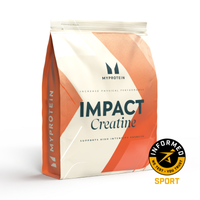
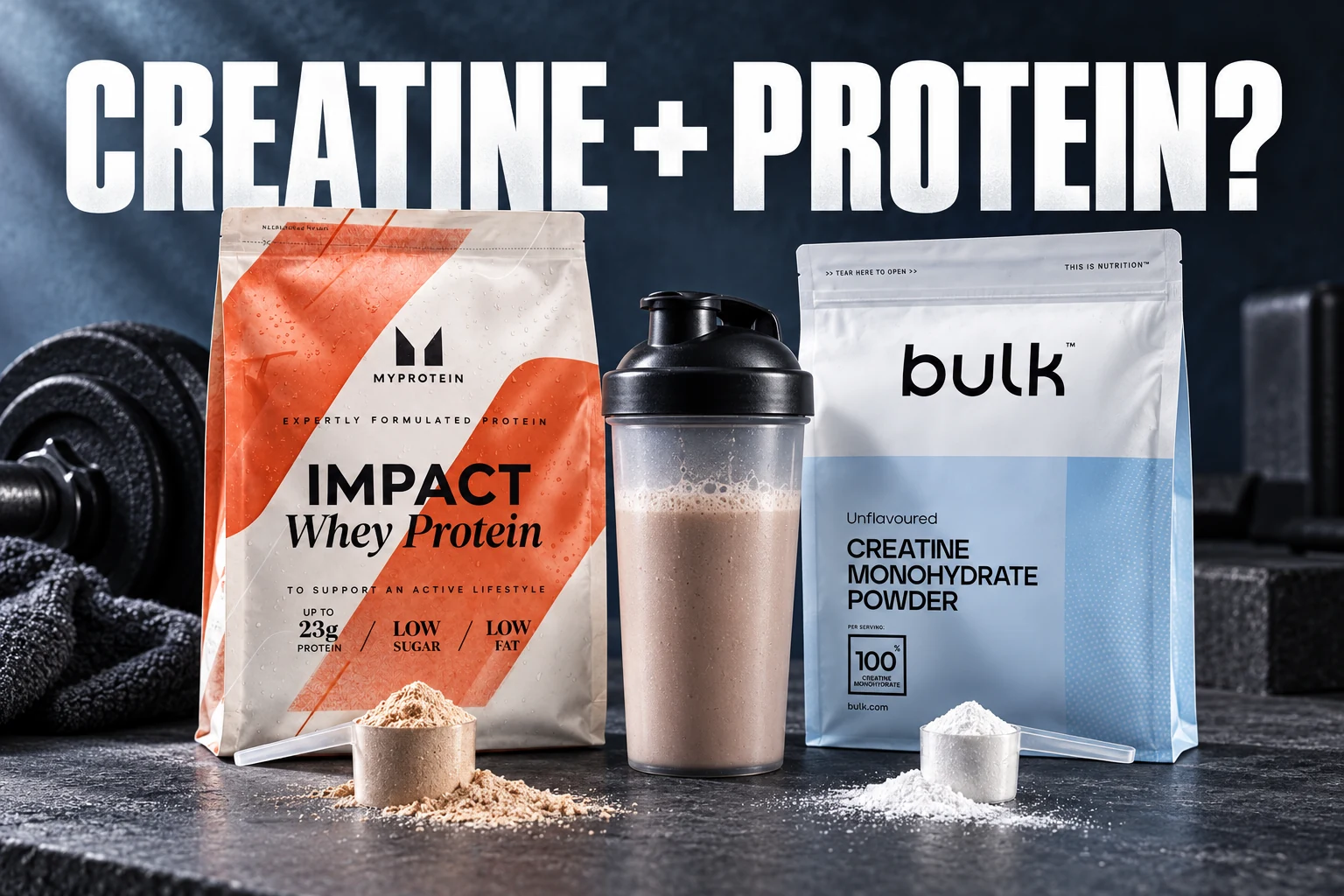
The three products below illustrate why source and certification deserve to be treated as separate questions. MyProtein THE Creatine uses Creapure; MyProtein Impact Creatine is the lower-cost generic route; and Optimum Nutrition Micronised Creatine Powder uses non-Creapure monohydrate while running its own third-party testing programme. Certification status can and does change over time, so verify the exact current product rather than trusting an older article's label.
Use the ProteinDeals creatine comparison table for current prices across UK products. The supplements-reviews matchup then places MyProtein Impact and THE Creatine side by side, making it easier to judge whether the documented source is actually worth the price gap at today's checkout cost.
References
Sources and further reading
- 01International Society of Sports Nutrition — creatine position stand
Evidence review covering creatine effectiveness, established dosing and safety in healthy people.