
Quick answer
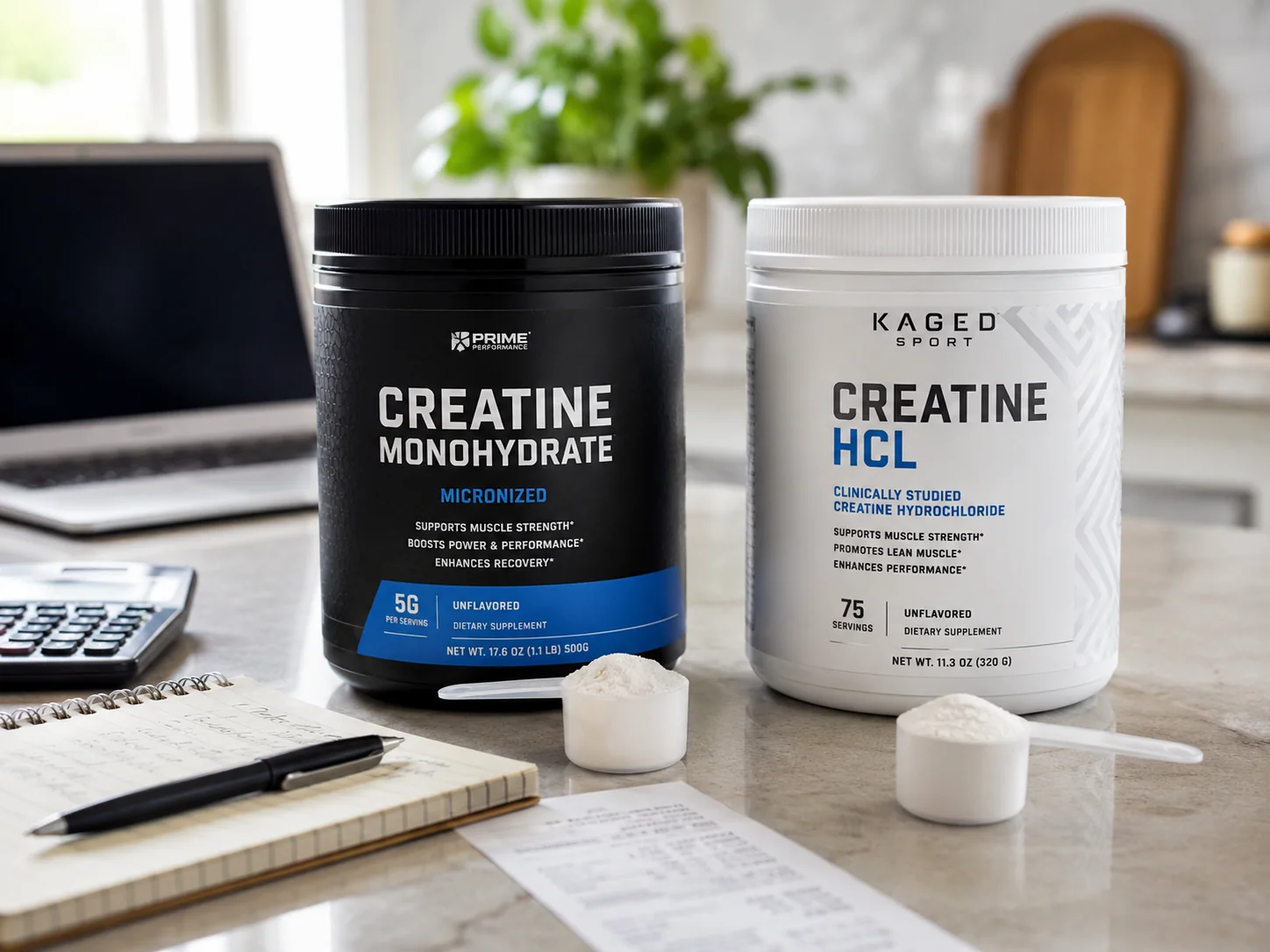
Creatine monohydrate wins. It has the stronger evidence base, lower cost and established 3–5g daily protocol. HCl's greater solubility does not establish superior muscle or strength results, and claims that tiny doses are equivalent remain a weak reason to pay more. Our purchase is reputable 100% monohydrate powder ranked by cost per 5g. Try taking it with food or splitting the dose if stomach discomfort occurs before switching to an expensive alternative form.
What are creatine monohydrate and creatine HCL?
Creatine monohydrate is creatine bonded to a water molecule. Creatine HCL is creatine bonded to hydrochloric acid. Both deliver the same active compound to muscle tissue. Creatine monohydrate has been the subject of hundreds of peer-reviewed studies since the 1990s. Creatine HCL entered the supplement market in the 2000s and carries a much thinner research base.
The two forms are marketed differently. Creatine monohydrate sells on price and clinical track record. Creatine HCL sells on solubility and the claim that smaller doses work as well as larger monohydrate doses. The second claim is the one buyers should scrutinise.
Is creatine HCL more soluble than monohydrate?
Yes. Creatine HCL is approximately 41 times more water-soluble than creatine monohydrate. This is the one measurable claim that HCL marketing gets right. Creatine monohydrate leaves visible grit at the bottom of a shaker when mixed in cold water; creatine HCL dissolves fully. Users who find creatine monohydrate gritty or unpleasant to drink often cite this as their reason for switching.
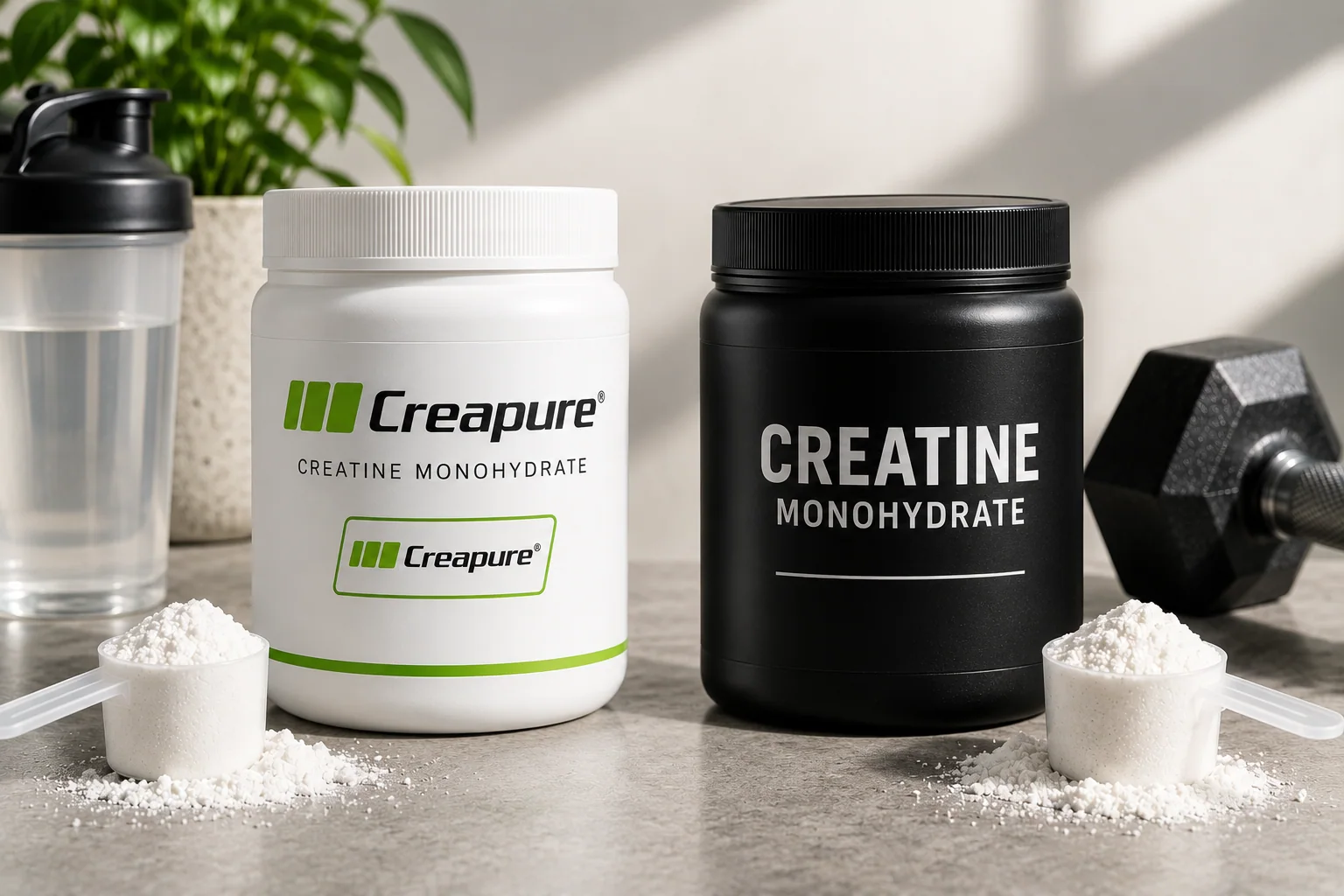
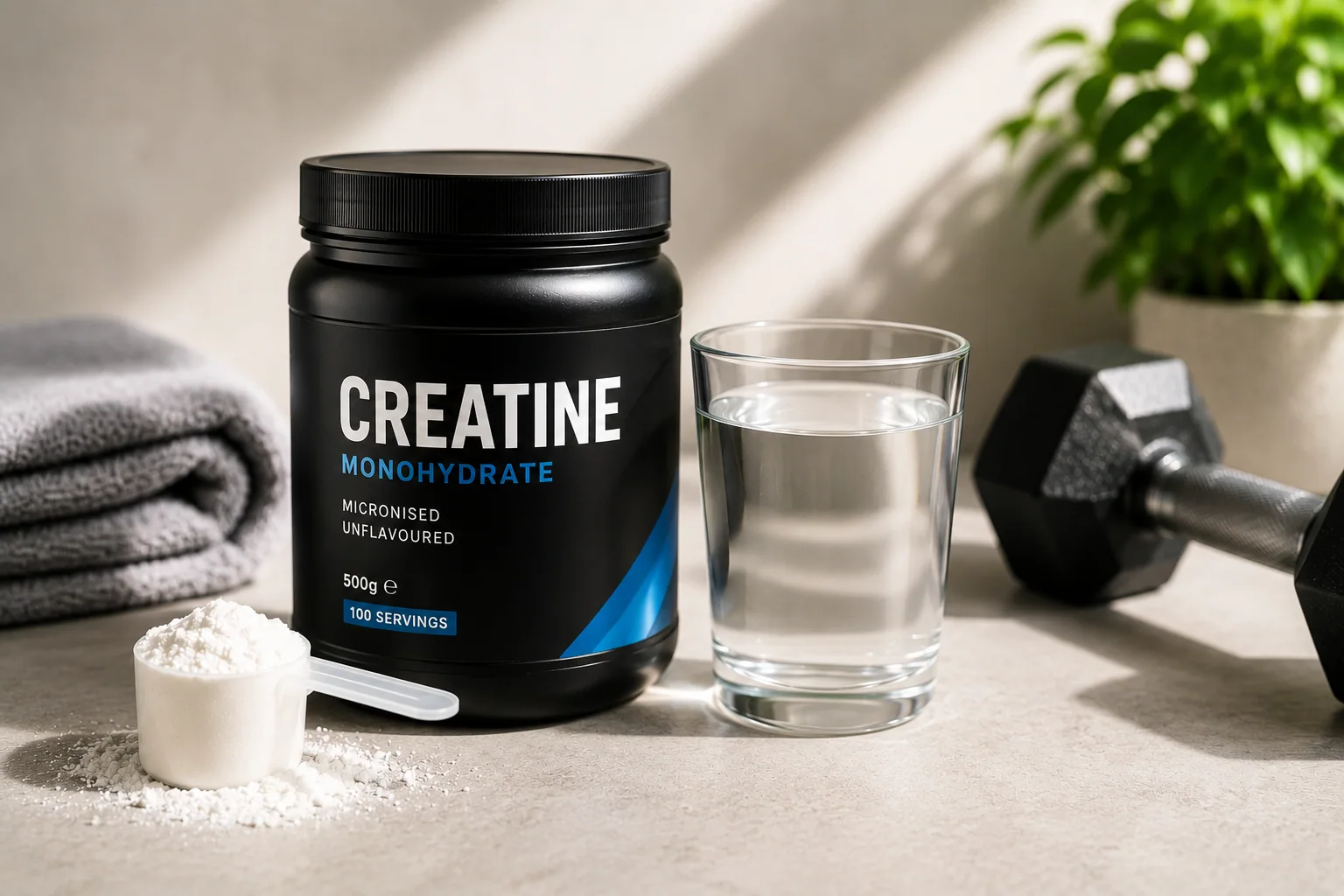
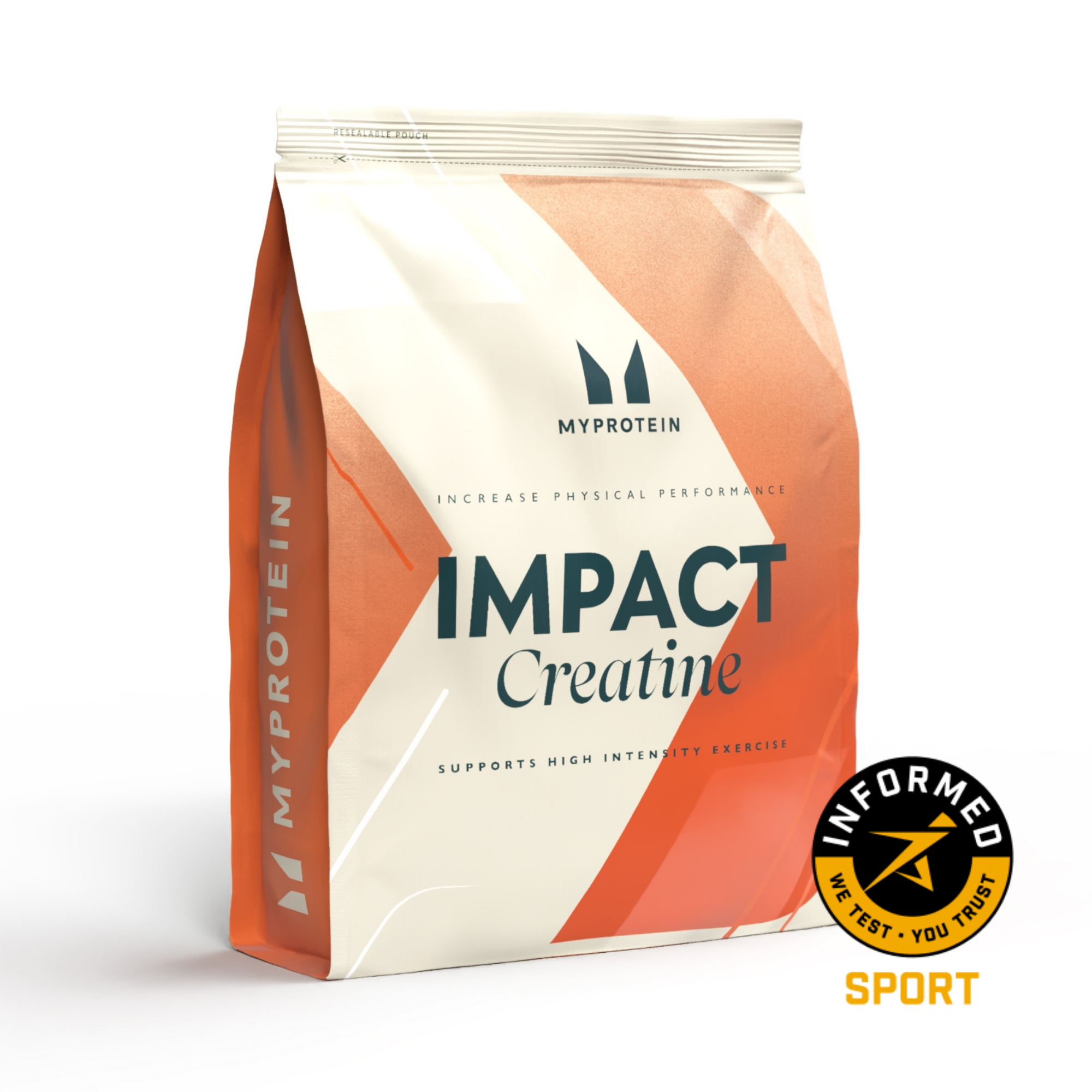
Micronised creatine monohydrate closes most of the solubility gap. The particle size is reduced so the powder mixes into water, protein shakes, or juice without clumping. MyProtein Impact Creatine and Optimum Nutrition Micronised Creatine both use this form, and both mix cleanly enough that solubility is rarely a genuine deciding factor.
Does better solubility mean better results?
Better solubility does not translate to better absorption or better strength gains. This is the finding across every head-to-head human trial to date. The 2024 PubMed study cited above found no significant difference between HCL and monohydrate on strength, power output, body composition, or anabolic hormone response. A 2019 ScienceDirect trial (S0765159719302011) in young trained men reached the same conclusion.
The mechanism explains the result. Creatine saturation in muscle is determined by total daily creatine intake, not by how quickly a single dose dissolves in water. Once muscle creatine stores hit saturation (typically 3 to 4 weeks at 3 to 5 grams per day), adding more creatine produces no further benefit. Solubility affects drink texture, not the biology.
Community perspective
What others are saying
That makes sense. GI issues are usually the main reason people end up switching away from monohydrate. Out of curiosity, do you take a smaller dose with HCL, or did you ever try splitting mono doses throughout the day before switching? For some people it’s the form, for others it’s just total amount at once. Either way, if HCL lets you use creatine consistently without issues, that’s probably the biggest win.
u/SameDaySupplements in r/Supplements
I have also seen suggestions that mixing Creatine Monohydrate with a more acidic beverage, such as orange juice, can help with the solubility due to the pH. If you want to stick with monohydrate you could try this approach, because the Creatine HCl is essentially doing the same thing.
u/MylesGrimard in r/Supplements
Watch what buyers found
Hands-on opinions
Creatine Monohydrate vs. HCL: Which One is Better? Nutrition Coach Explains | Naked Nutrition
Naked Nutrition
A topic-specific video selected for additional practical context on Creatine Monohydrate vs HCl: Price, Quality and Value Compared.
How much more does creatine HCL cost?
Creatine HCL costs 2 to 3 times more per gram than creatine monohydrate in the UK. A 500g tub of MyProtein Impact Creatine typically retails at around £15 to £20. MyProtein Creatine HCL in a comparable size retails at around £25 to £35. Optimum Nutrition Micronised Creatine Powder sits between the two on price but uses monohydrate, not HCL.
The cost delta compounds over a year. A daily creatine user spends around £30 to £40 per year on monohydrate versus £80 to £120 per year on HCL for the same result. The price premium buys improved solubility and nothing else that the research supports.
Which form should you pick?
Pick creatine monohydrate unless one specific criterion applies.
- 1
You have previously tried monohydrate and experienced persistent digestive discomfort that did not resolve when switching to a micronised version. Creatine HCL does have anecdotal reports of better GI tolerance.
- 2
You strongly prefer clean drink texture and find micronised monohydrate still grittier than you can tolerate.
- 3
You are willing to pay the 2 to 3x price premium for the above with no performance return.
Live comparison
Creatine products
FlavourSize (g)QtyServingsOfferTotal Per serving 10001200 £13.99 --£0.070 7501150 £11.99 --£0.080 5001100 £9.99 --£0.100 |
FlavourSize (g)QtyServingsOfferTotal Per serving 500011000 £77.49 --£0.077 20001400 £31.99 --£0.080 10001200 £16.99 --£0.085 |
FlavourSize (g)QtyServingsOfferTotal Per serving 900130 £13.99£30.00 -53%30.0g76£0.466 |
FlavourSize (g)QtyServingsOfferTotal Per serving 4050130 £62.99 44.8g474£2.100 2700120 £44.99 44.8g474£2.250 1350110 £24.99 44.8g474£2.499 |
FlavourSize (g)QtyServingsOfferTotal Per serving 3000160 £49.00 17.0g177£0.817 |
FlavourSize (g)QtyServingsOfferTotal Per serving 10001200 £19.99 --£0.100 5001100 £11.99 --£0.120 300160 £8.99 --£0.150 |
FlavourSize (g)QtyServingsOfferTotal Per serving 250173 £5.00 --£0.068 10001222 £21.99 --£0.099 5001147 £11.99 --£0.082 |
FlavourSize (g)QtyServingsOfferTotal Per serving 10001167 £21.99 --£0.132 500183 £11.49 --£0.138 250142 £6.99 --£0.166 |
FlavourSize (g)QtyServingsOfferTotal Per serving 43219 £10.00 30.0g152£1.111 564112 £15.00 30.0g150£1.250 1192.5125 £34.99 30.0g152£1.400 |
FlavourSize (g)QtyServingsOfferTotal Per serving 10001200 £24.99 --£0.125 5001100 £12.99 --£0.130 250150 £8.99 --£0.180 |
FlavourSize (g)QtyServingsOfferTotal Per serving 10001- £24.99 --- 5001- £14.99 --- 2501- £7.99 --- |
FlavourSize (g)QtyServingsOfferTotal Per serving 10001294 £27.49 --£0.094 |
FlavourSize (g)QtyServingsOfferTotal Per serving 9001- £25.00 --- |
FlavourSize (g)QtyServingsOfferTotal Per serving 10001200 £29.95 --£0.150 5001100 £24.95 --£0.249 250150 £18.95 --£0.379 |
FlavourSize (g)QtyServingsOfferTotal Per serving 3901- £11.99£16.99 -29%--- |
FlavourSize (g)QtyServingsOfferTotal Per serving 1260121 £39.99 34.0g202£1.904 |
FlavourSize (g)QtyServingsOfferTotal Per serving 10001200 £31.99 --£0.160 20001400 £64.99 --£0.162 5001100 £20.99 --£0.210 |
FlavourSize (g)QtyServingsOfferTotal Per serving 1000133 £31.99 22.2g105£0.969 500117 £17.99 22.2g105£1.058 25018 £9.99 22.2g105£1.249 |
FlavourSize (g)QtyServingsOfferTotal Per serving 300160 £9.99£19.99 -50%--£0.167 |
FlavourSize (g)QtyServingsOfferTotal Per serving 15003300 £50.13 --£0.167 9003180 £33.78 --£0.188 5001100 £18.99 --£0.190 |
FlavourSize (g)QtyServingsOfferTotal Per serving 250155 £8.99 --£0.163 |
FlavourSize (g)QtyServingsOfferTotal Per serving 500120 £17.99 15.6g-£0.899 |
FlavourSize (g)QtyServingsOfferTotal Per serving 500120 £17.99 15.6g-£0.899 |
FlavourSize (g)QtyServingsOfferTotal Per serving 50015 £18.00 --£3.600 23012 £9.00 --£4.500 1001- £4.99 --- |
FlavourSize (g)QtyServingsOfferTotal Per serving 20001- £72.95 --- 10001- £49.95 --- 5001- £26.95 --- |
FlavourSize (g)QtyServingsOfferTotal Per serving 9001180 £32.99 --£0.183 6001120 £22.49 --£0.187 300160 £11.49 --£0.192 |
FlavourSize (g)QtyServingsOfferTotal Per serving 4001- £14.99 --- |
FlavourSize (g)QtyServingsOfferTotal Per serving 400180 £14.99 500.0g-£0.187 |
FlavourSize (g)QtyServingsOfferTotal Per serving 400180 £14.99 500.0g-£0.187 |
FlavourSize (g)QtyServingsOfferTotal Per serving 500187 £19.99 --£0.230 250143 £13.49 --£0.314 |
FlavourSize (g)QtyServingsOfferTotal Per serving 5001100 £19.99 --£0.200 |
FlavourSize (g)QtyServingsOfferTotal Per serving 1000133 £39.99 -115£1.212 |
FlavourSize (g)QtyServingsOfferTotal Per serving 3001100 £12.00 --£0.120 |
FlavourSize (g)QtyServingsOfferTotal Per serving 10001250 £42.00 --£0.168 300175 £19.00 --£0.253 |
FlavourSize (g)QtyServingsOfferTotal Per serving 1260121 £56.00 35.0g192£2.667 |
FlavourSize (g)QtyServingsOfferTotal Per serving 330130 £15.00 -4£0.500 |
FlavourSize (g)QtyServingsOfferTotal Per serving 5001167 £22.99 --£0.138 |
FlavourSize (g)QtyServingsOfferTotal Per serving 210142 £10.00 --£0.238 |
FlavourSize (g)QtyServingsOfferTotal Per serving 250150 £11.99£23.99 -50%--£0.240 |
FlavourSize (g)QtyServingsOfferTotal Per serving 501212 £29.00 15.0g200£2.417 |
FlavourSize (g)QtyServingsOfferTotal Per serving 5001100 £24.99 --£0.250 250150 £14.99 --£0.300 |
FlavourSize (g)QtyServingsOfferTotal Per serving 5001100 £25.00 --£0.250 |
FlavourSize (g)QtyServingsOfferTotal Per serving 5001121 £25.00 --£0.207 100124 £10.00 --£0.417 |
FlavourSize (g)QtyServingsOfferTotal Per serving 450190 £23.99 --£0.267 |
FlavourSize (g)QtyServingsOfferTotal Per serving 450190 £26.00 --£0.289 |
FlavourSize (g)QtyServingsOfferTotal Per serving 25019 £15.19 --£1.688 |
FlavourSize (g)QtyServingsOfferTotal Per serving 6341186 £40.00 --£0.215 317193 £22.00 --£0.237 187155 £14.00 --£0.255 |
FlavourSize (g)QtyServingsOfferTotal Per serving 5001100 £31.99 --£0.320 250150 £17.49 --£0.350 |
FlavourSize (g)QtyServingsOfferTotal Per serving 249130 £16.00 --£0.533 |
FlavourSize (g)QtyServingsOfferTotal Per serving 300160 £19.95 --£0.332 |
FlavourSize (g)QtyServingsOfferTotal Per serving 300160 £19.99 --£0.333 |
FlavourSize (g)QtyServingsOfferTotal Per serving 250150 £16.99 --£0.340 |
FlavourSize (g)QtyServingsOfferTotal Per serving 400180 £27.99 1.1g-£0.350 |
FlavourSize (g)QtyServingsOfferTotal Per serving 400180 £27.99 1.1g-£0.350 150130 £11.99 1.1g-£0.400 |
FlavourSize (g)QtyServingsOfferTotal Per serving 5001- £35.00 --- |
FlavourSize (g)QtyServingsOfferTotal Per serving 5001100 £35.99 --£0.360 300160 £26.99 --£0.450 100120 £18.99 --£0.949 |
FlavourSize (g)QtyServingsOfferTotal Per serving 10001200 £74.99 --£0.375 5001100 £39.99 --£0.400 100120 £9.99 --£0.499 |
FlavourSize (g)QtyServingsOfferTotal Per serving 300160 £23.00 --£0.383 |
FlavourSize (g)QtyServingsOfferTotal Per serving 4441- £34.95 --- 2221- £19.95 --- |
FlavourSize (g)QtyServingsOfferTotal Per serving 252184 £19.99 --£0.238 |
FlavourSize (g)QtyServingsOfferTotal Per serving 3101124 £24.99 21.0g-£0.202 |
FlavourSize (g)QtyServingsOfferTotal Per serving 10001200 £82.99 --£0.415 5001147 £42.49 --£0.289 250183 £28.99 --£0.349 |
FlavourSize (g)QtyServingsOfferTotal Per serving 200140 £17.99 --£0.450 |
FlavourSize (g)QtyServingsOfferTotal Per serving 5001100 £49.99 --£0.500 |
FlavourSize (g)QtyServingsOfferTotal Per serving 350150 £35.00 --£0.700 |
FlavourSize (g)QtyServingsOfferTotal Per serving 168128 £25.00 --£0.893 |
FlavourSize (g)QtyServingsOfferTotal Per serving 150130 £22.50 --£0.750 |
FlavourSize (g)QtyServingsOfferTotal Per serving 180130 £28.00 4.1g21£0.933 |
FlavourSize (g)QtyServingsOfferTotal Per serving 12020 £12.50£25.00 -50%--£0.625 |
FlavourSize (g)QtyServingsOfferTotal Per serving 2828 £24.99£30.00 -17%--£0.892 |
FlavourSize (g)QtyServingsOfferTotal Per serving 120120 £39.49 --£0.329 180180 £58.99 --£0.328 6060 £19.99 --£0.333 |
FlavourSize (g)QtyServingsOfferTotal Per serving 3030 £21.99 --£0.733 |
FlavourSize (g)QtyServingsOfferTotal Per serving 3030 £12.99 --£0.433 |
FlavourSize (g)QtyServingsOfferTotal Per serving 217 £4.49 --£0.641 3010 £5.00 0.5g12£0.500 9030 £18.99 0.5g12£0.633 |
FlavourSize (g)QtyServingsOfferTotal Per serving 8026 £18.49 --£0.711 9030 £8.49 --£0.283 |
FlavourSize (g)QtyServingsOfferTotal Per serving 3010 £5.00 0.5g12£0.500 9030 £18.99 0.5g12£0.633 |
FlavourSize (g)QtyServingsOfferTotal Per serving 24040 £16.00 --£0.400 |
FlavourSize (g)QtyServingsOfferTotal Per serving 12020 £10.00 --£0.500 |
FlavourSize (g)QtyServingsOfferTotal Per serving 6030 £16.00 --£0.533 |
FlavourSize (g)QtyServingsOfferTotal Per serving - £12.00 --- |
FlavourSize (g)QtyServingsOfferTotal Per serving 6020 £14.99 --£0.750 |
FlavourSize (g)QtyServingsOfferTotal Per serving 25 £14.99 --£0.600 |
FlavourSize (g)QtyServingsOfferTotal Per serving 9030 £14.99 --£0.500 |
FlavourSize (g)QtyServingsOfferTotal Per serving 1212 £14.99 26.8g316£1.249 |
FlavourSize (g)QtyServingsOfferTotal Per serving 18060 £9.95 --£0.166 6020 £4.89 --£0.244 |
FlavourSize (g)QtyServingsOfferTotal Per serving 120120 £8.99 --£0.075 240240 £14.99 --£0.062 360360 £17.99 --£0.050 |
FlavourSize (g)QtyServingsOfferTotal Per serving 12020 £5.99 --£0.299 24040 £7.99 --£0.200 36060 £10.99 --£0.183 |
FlavourSize (g)QtyServingsOfferTotal Per serving 9030 £19.99 21.0g-£0.666 |
FlavourSize (g)QtyServingsOfferTotal Per serving 120120 £8.75 80.0g-£0.073 180180 £11.49 80.0g-£0.064 360360 £17.99 80.0g-£0.050 |
FlavourSize (g)QtyServingsOfferTotal Per serving 180180 £7.99 80.0g-£0.044 360360 £14.99 80.0g-£0.042 9090 £4.99 80.0g-£0.055 |
FlavourSize (g)QtyServingsOfferTotal Per serving 18060 £24.99 --£0.416 |
FlavourSize (g)QtyServingsOfferTotal Per serving 1010 £8.99 --£0.899 |
FlavourSize (g)QtyServingsOfferTotal Per serving 200200 £9.95 --£0.050 |
FlavourSize (g)QtyServingsOfferTotal Per serving 8020 £19.00 --£0.950 |
FlavourSize (g)QtyServingsOfferTotal Per serving 2 £10.00 10.0g-£5.000 |
FlavourSize (g)QtyServingsOfferTotal Per serving 150 £38.00 --£0.253 |
FlavourSize (g)QtyServingsOfferTotal Per serving 15 £18.00 --£1.200 |
FlavourSize (g)QtyServingsOfferTotal Per serving 60 £27.00 --£0.450 90 £33.00 --£0.367 |
FlavourSize (g)QtyServingsOfferTotal Per serving 12030 £28.00 --£0.933 |
FlavourSize (g)QtyServingsOfferTotal Per serving - £13.99 --- |










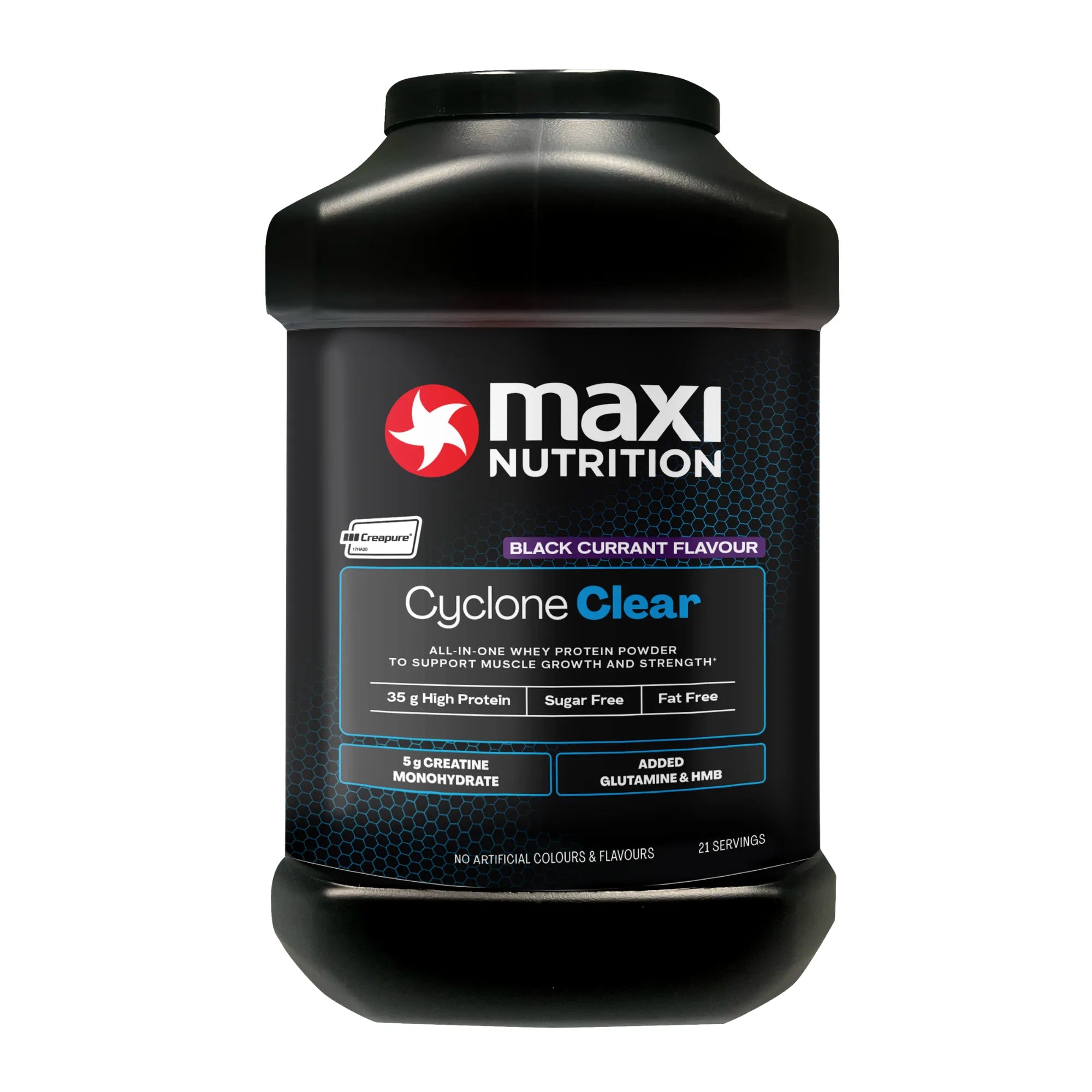


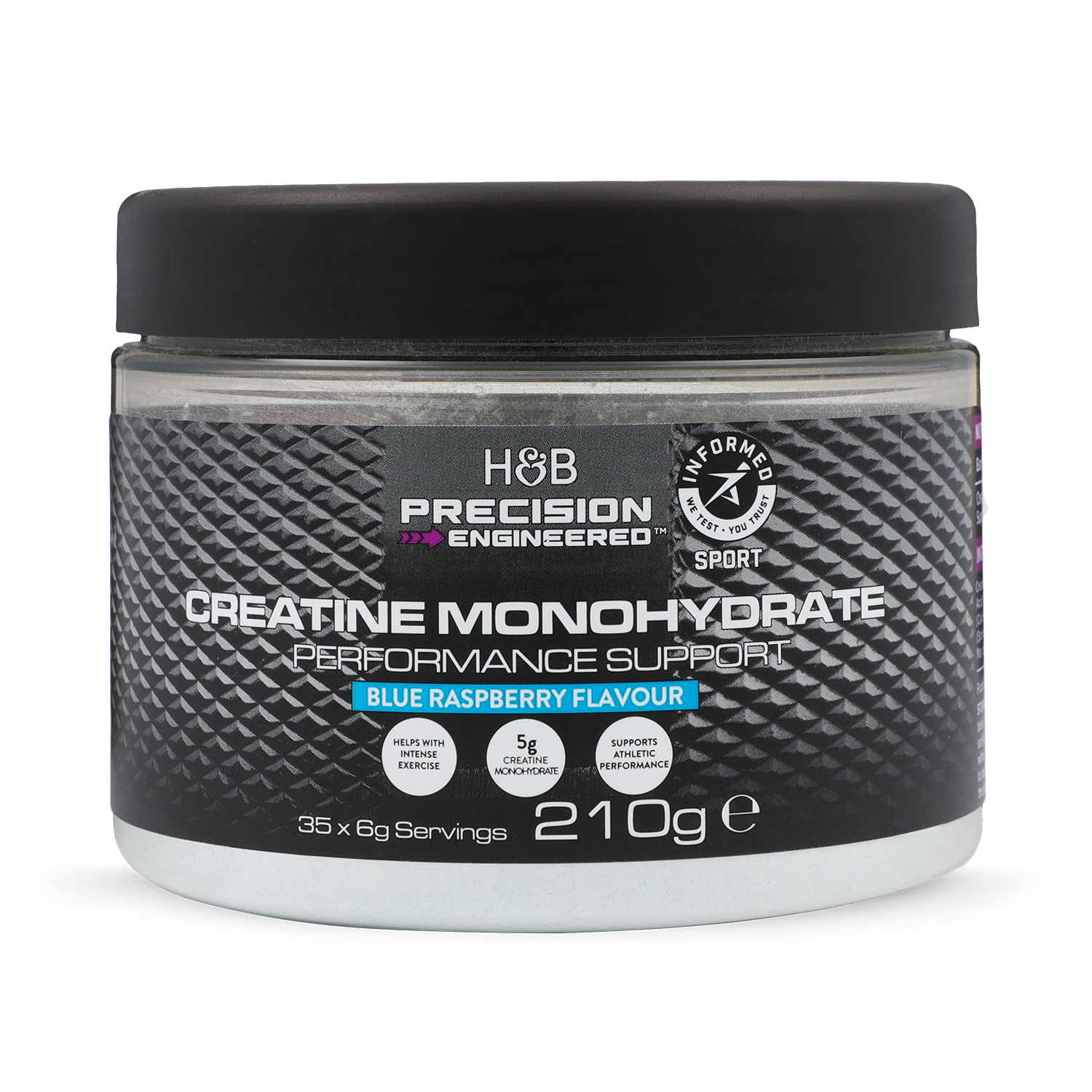


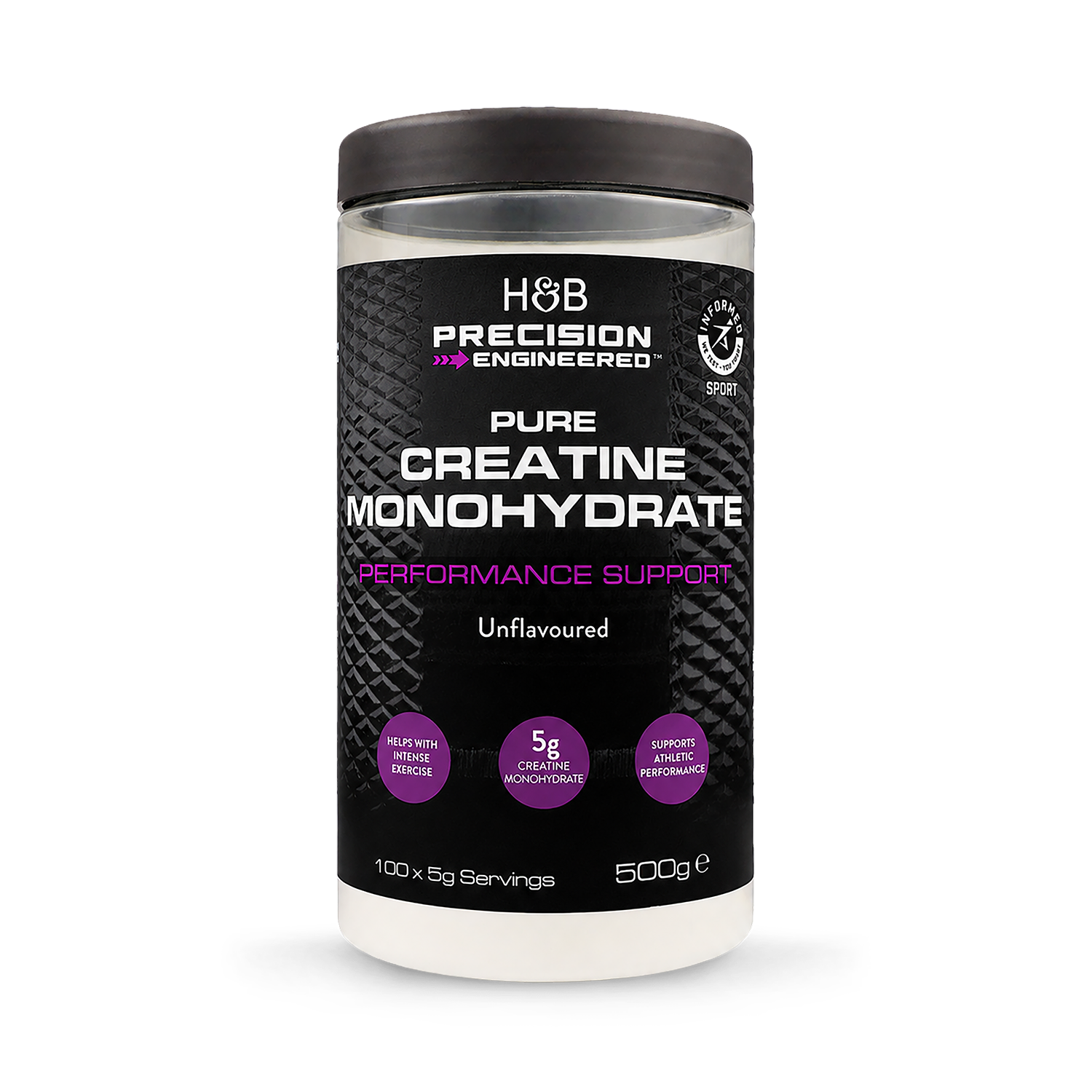











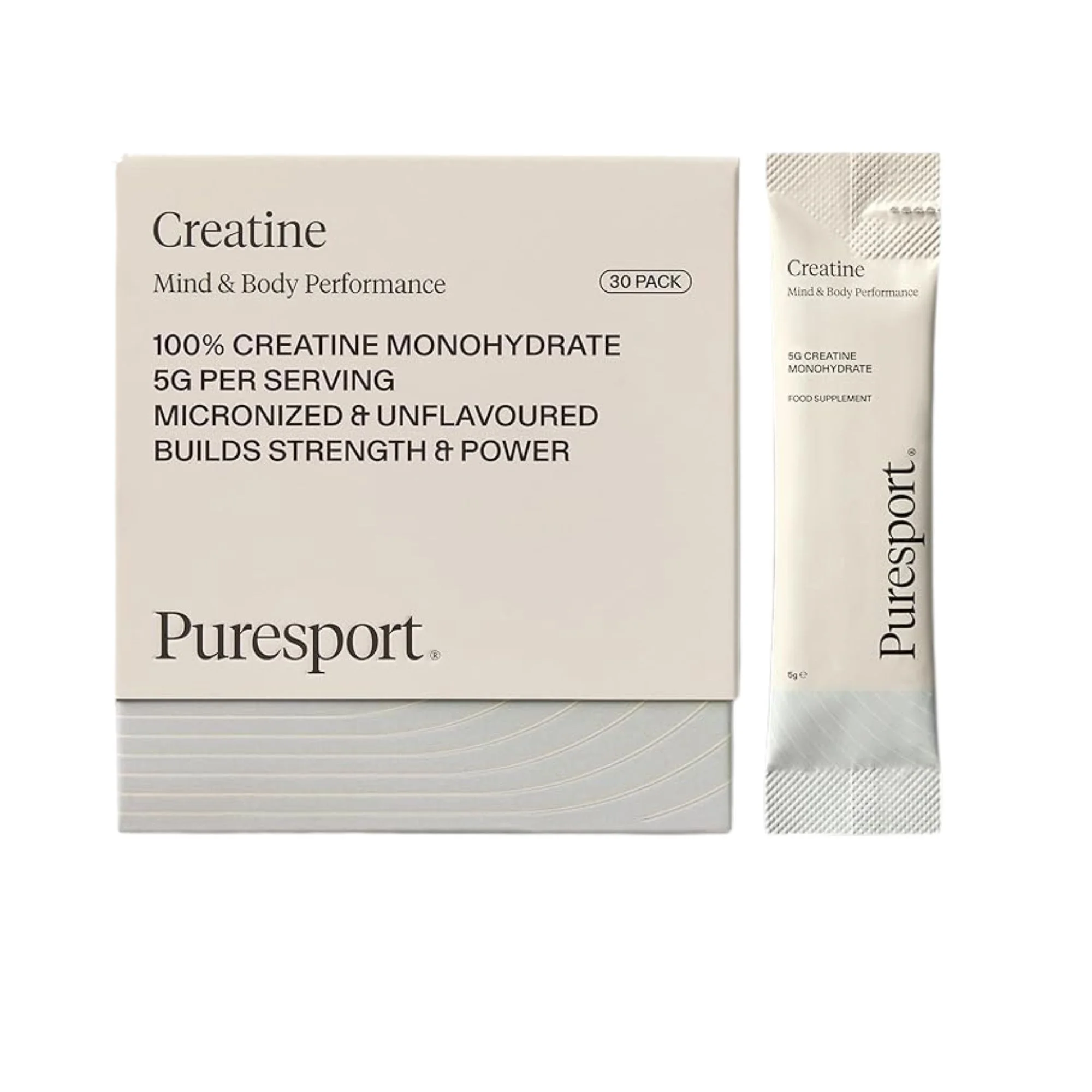
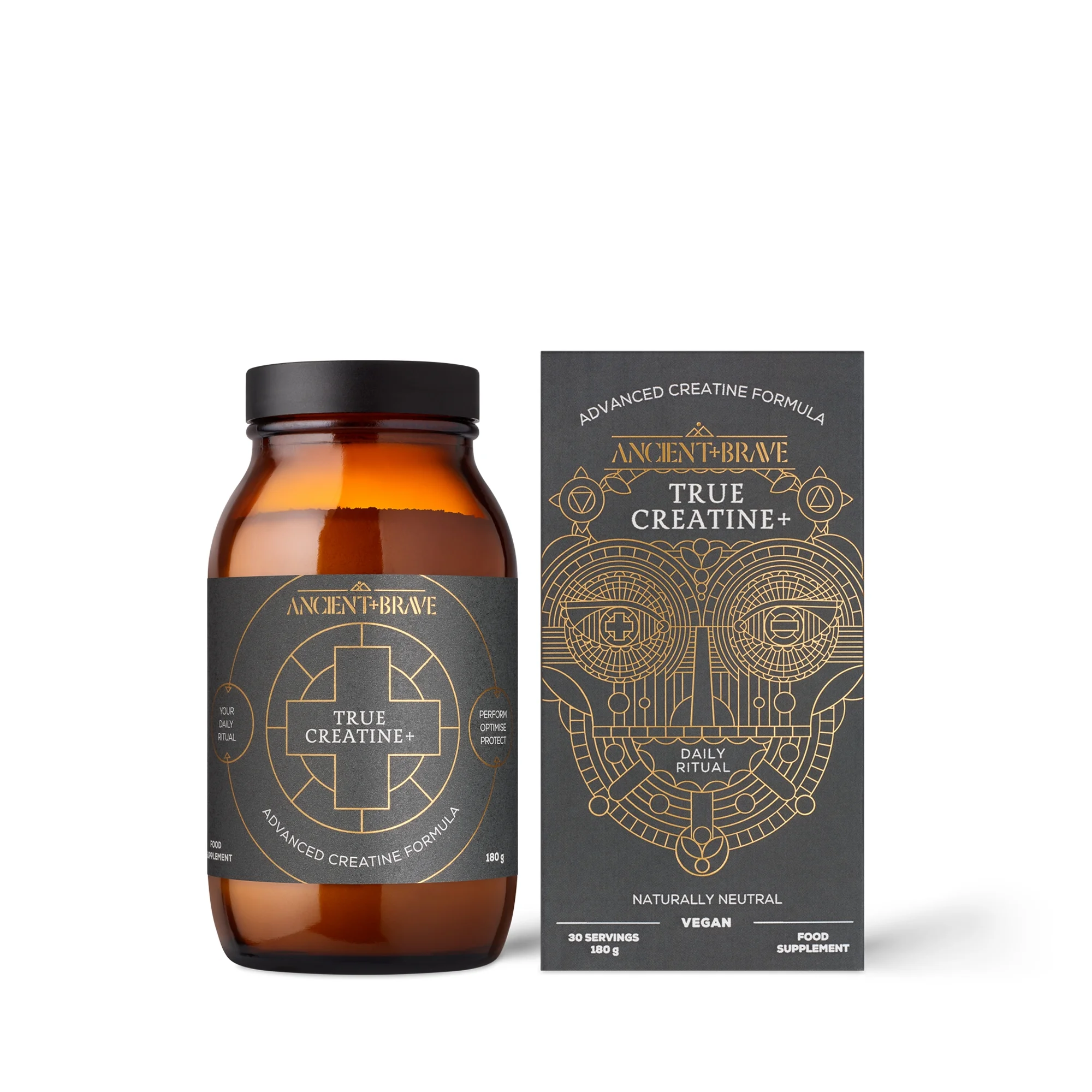


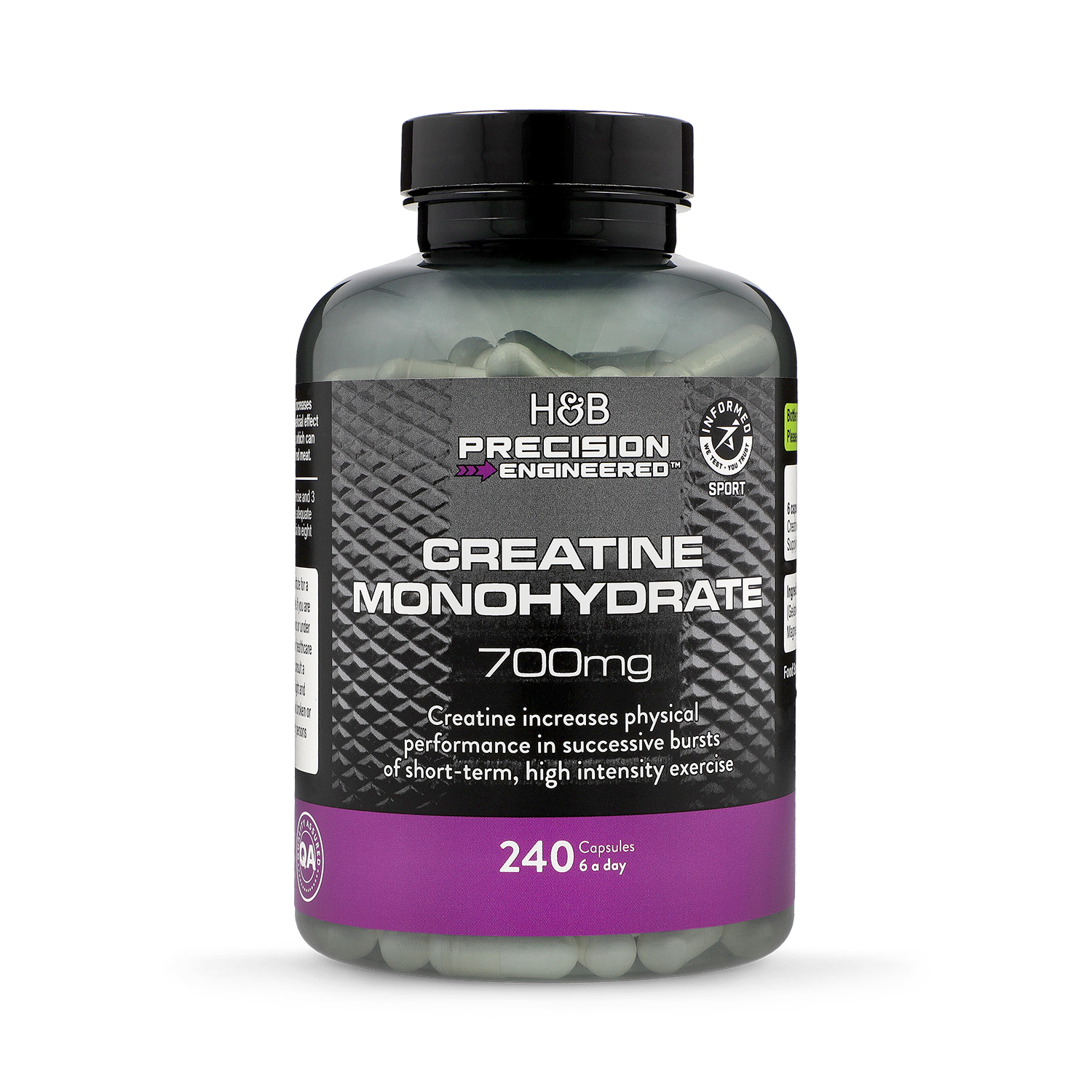
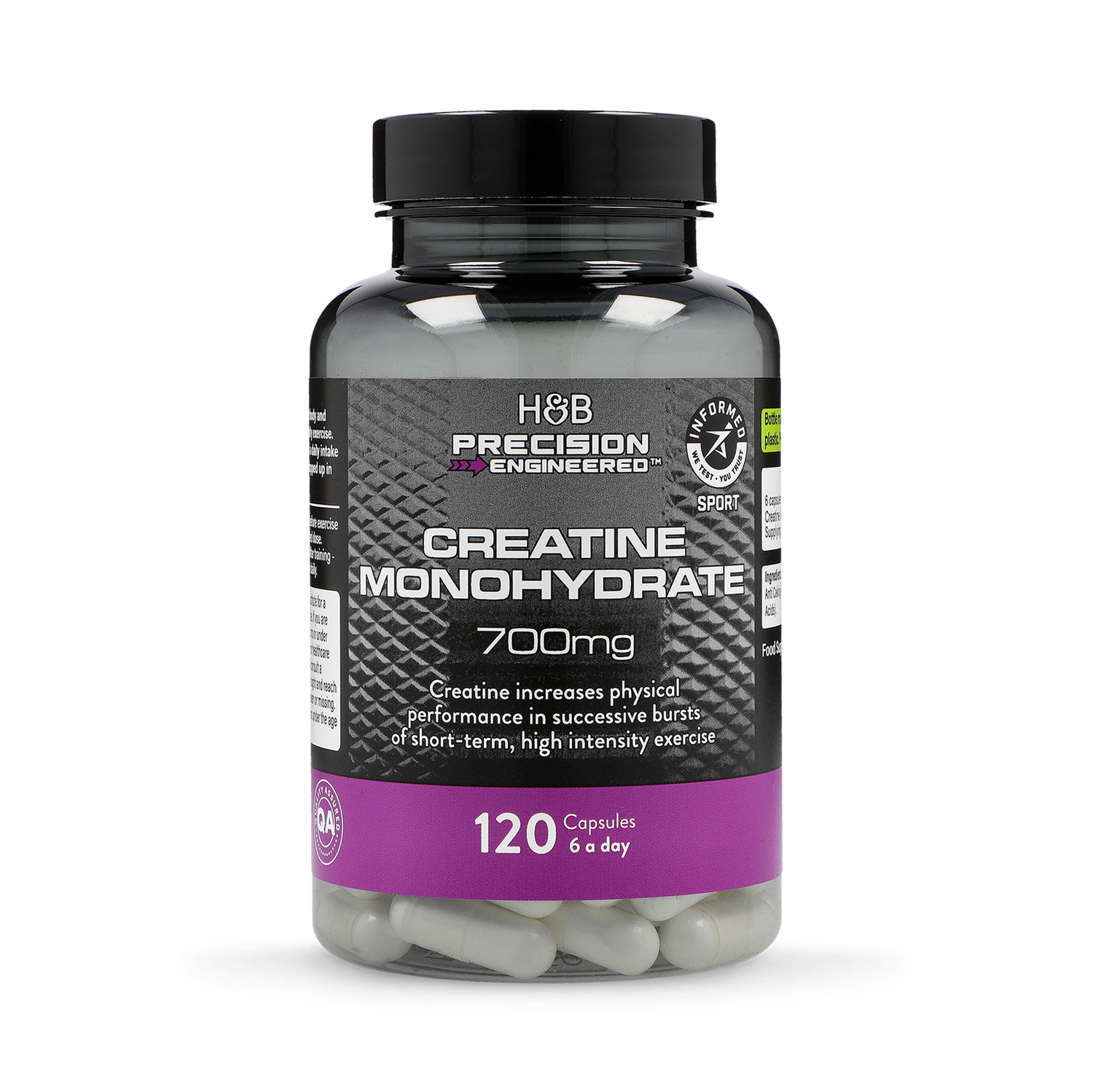
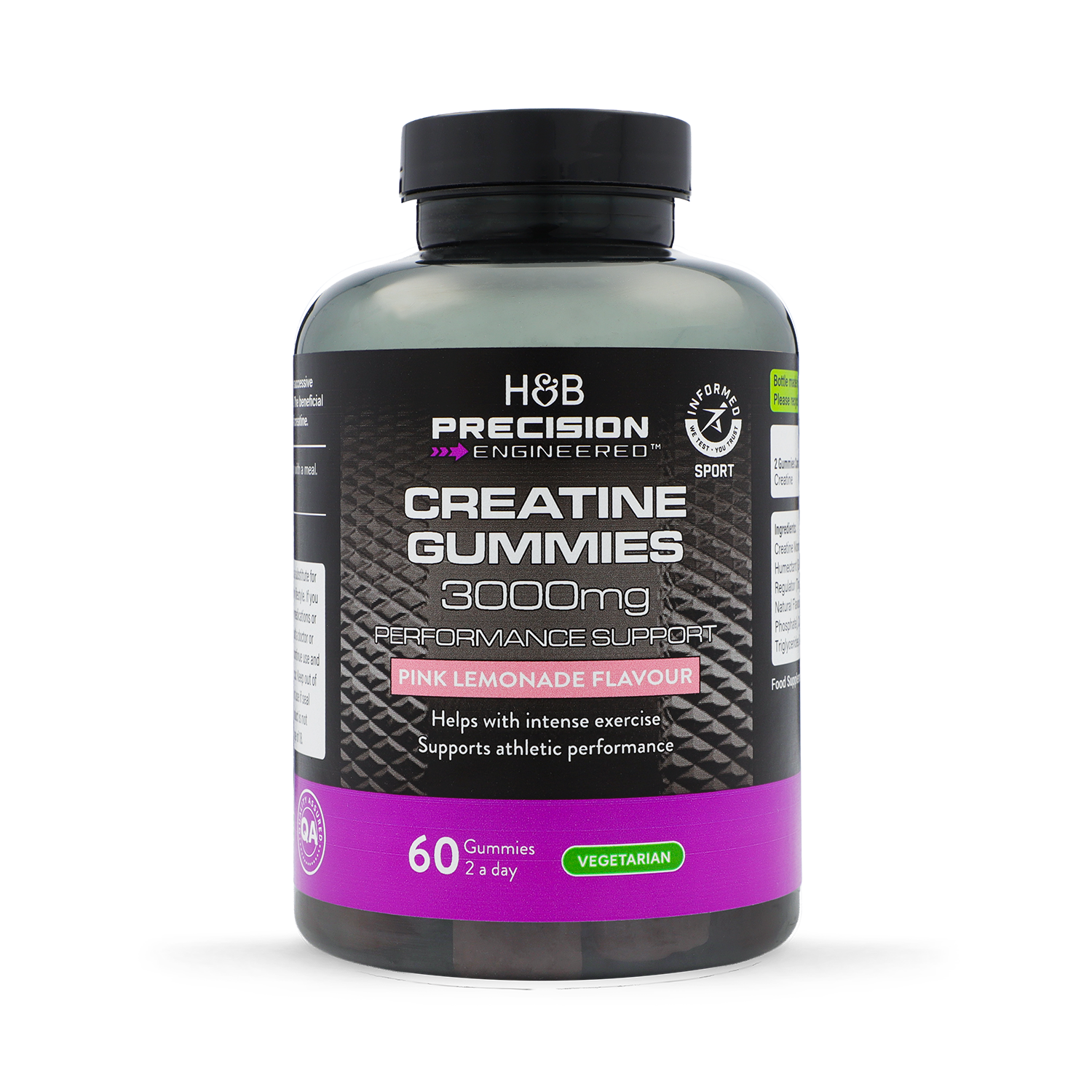



Best overall Creatine
Creatine Monohydrate Powder
Pure Source Nutrition · 100g
Pros
- Straightforward creatine monohydrate format
- Protein source and pack format are disclosed
Cons
- 41.7% above the £4.23/100g average across 48 comparable /compare listings
- Small pack can cost more per 100g
If none of these apply
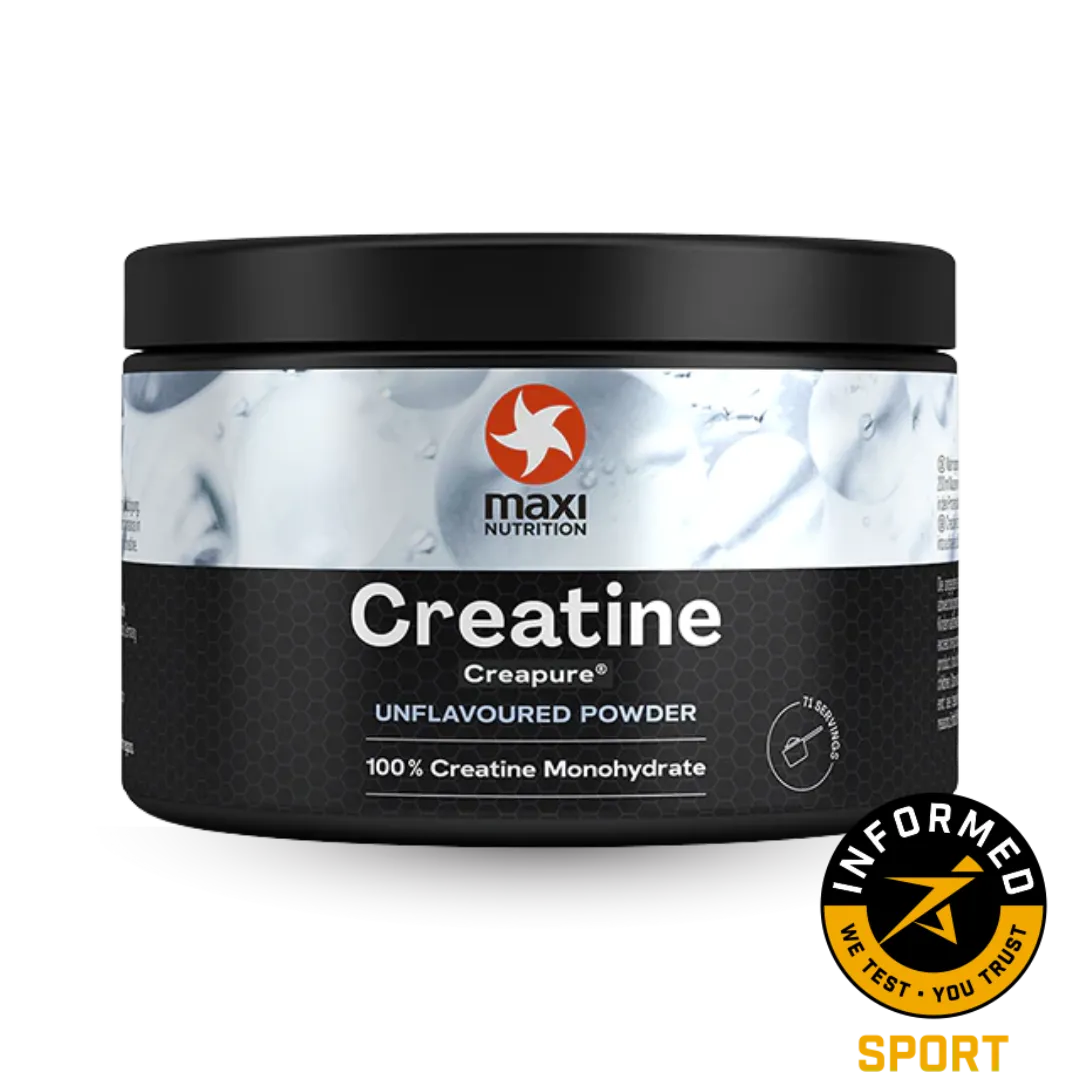
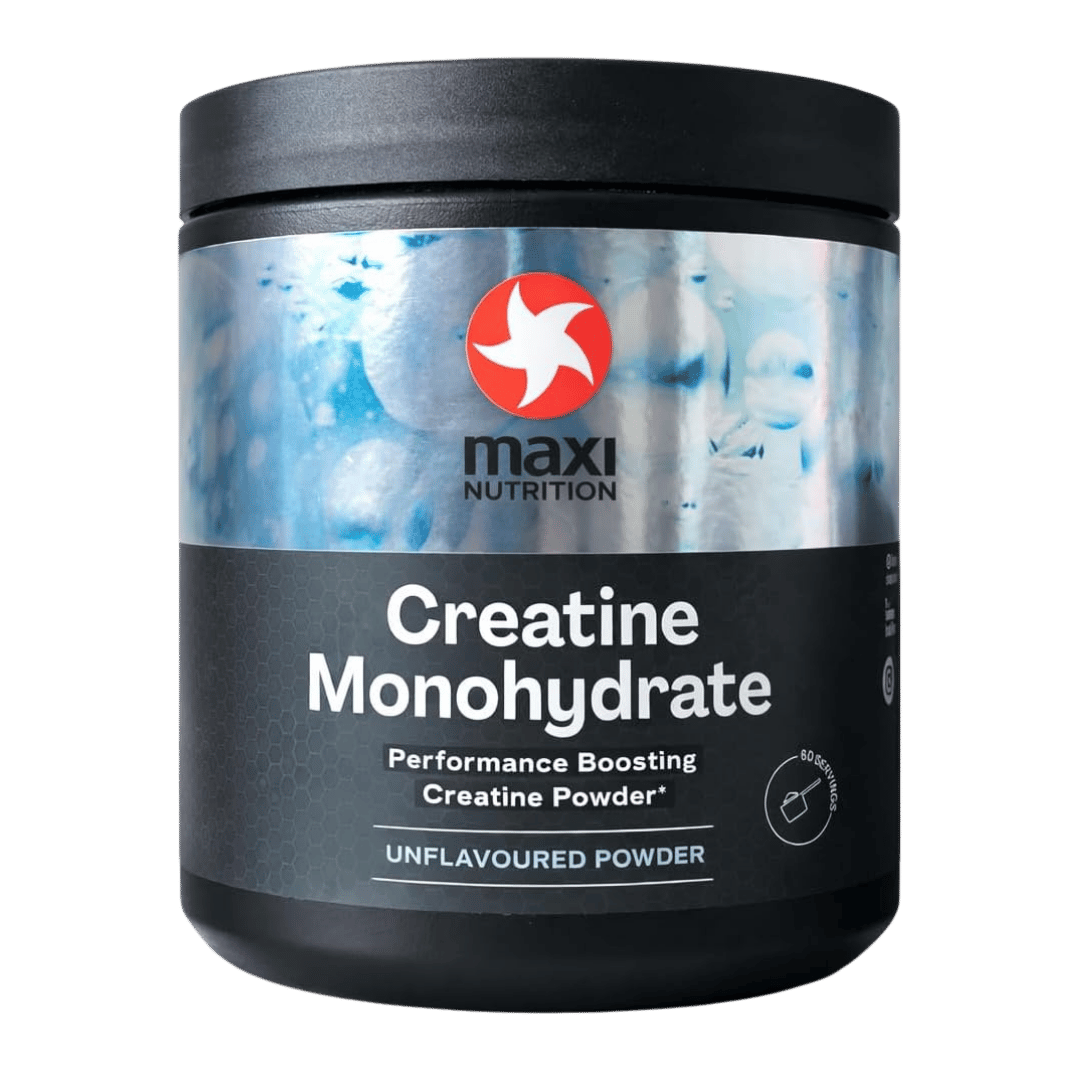
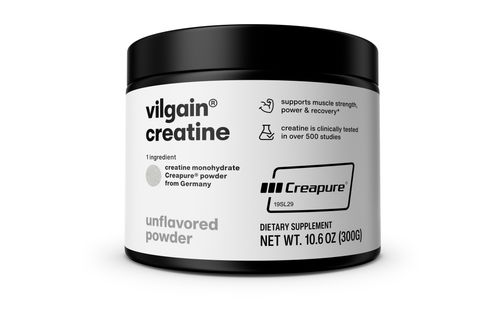
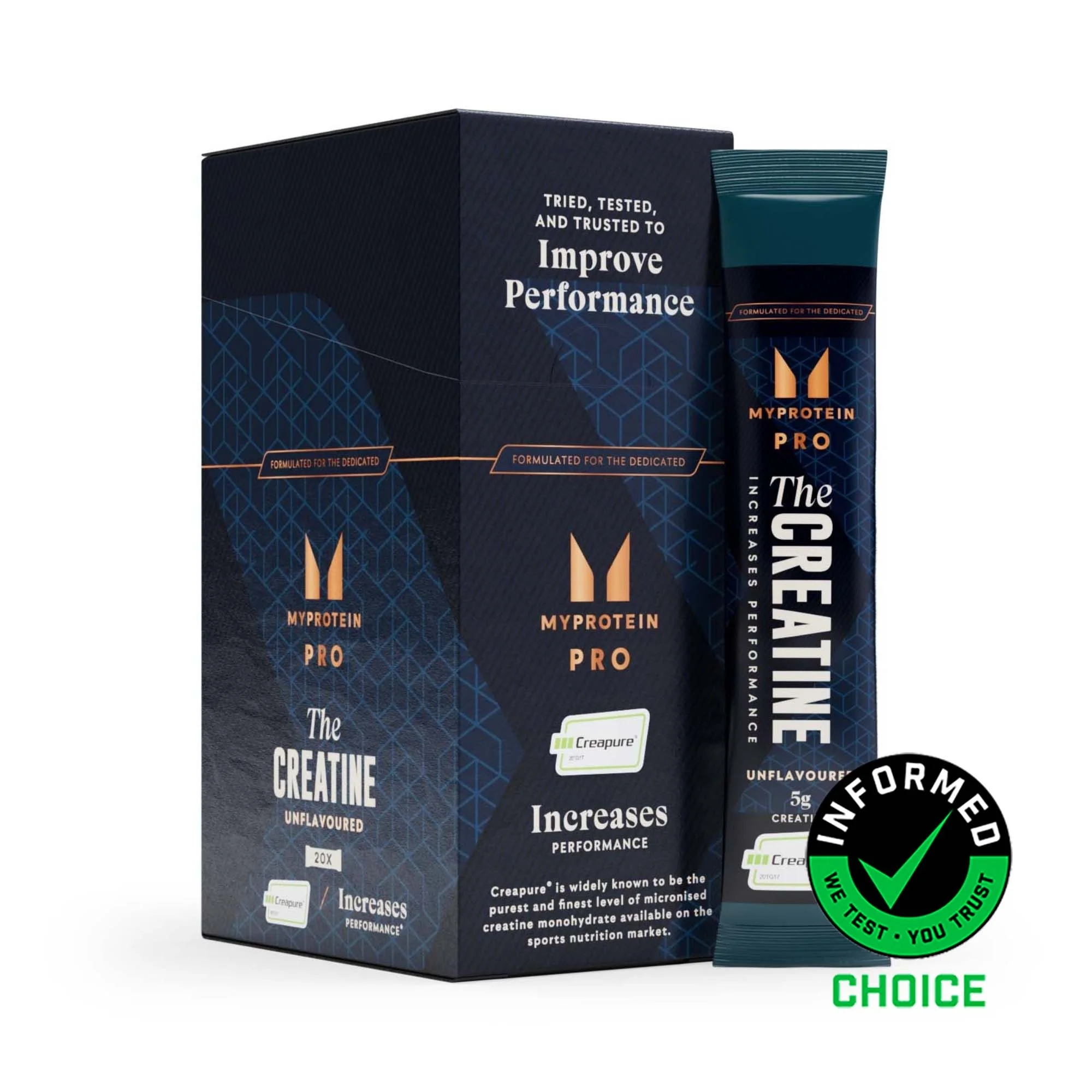
Creatine monohydrate is the rational pick. For competitive athletes subject to banned-substance testing, choose a Creapure-certified monohydrate (MyProtein THE Creatine, for example) over generic monohydrate or HCL. The third-party purity verification matters more than the creatine form.

UK creatine picks
The cheapest monohydrate per 5g dose on the UK market sits around 15 to 20 pence per serving. The ProteinDeals creatine comparison table ranks current UK options by cost per 5g, Creapure status, and third-party testing.
References
Sources and further reading
- 01International Society of Sports Nutrition — creatine position stand
Evidence review covering creatine effectiveness, established dosing and safety in healthy people.