

Quick answer
Fatigue, weakness, hair changes or poor recovery do not diagnose protein deficiency. Severe deficiency is uncommon in the UK, and these symptoms have many possible causes. Estimate intake across several normal days and seek clinical advice when symptoms persist, weight loss is unexplained or eating is difficult. Food should usually close the gap. Protein powder is a convenient option—not a treatment for an undiagnosed condition. Older adults, people with restrictive diets and those experiencing illness or appetite loss may benefit from individual dietetic assessment.
What is protein deficiency?
Protein deficiency occurs when daily intake falls below what the body needs to repair tissue, build muscle and support immune function. The NHS Reference Nutrient Intake for UK adults sits at 0.75g per kilogram of body weight per day, working out to roughly 56g for a 75kg man and 45g for a 60kg woman. These figures are minimum thresholds, though, not optimal targets to aim for.
For adults who exercise, the British Dietetic Association recommends 1.2g to 2.0g per kilogram of body weight per day. An 80kg person training three times a week therefore needs 96g to 160g of protein daily, nearly triple the baseline RNI. Falling consistently below your actual requirement produces symptoms that many people mistake for general tiredness or simply getting older.
How much protein do UK adults actually need per day?
Daily protein needs depend on body weight, age and activity level. Here's what the evidence suggests for UK adults:
- 1
Sedentary adults: 0.75g per kg body weight (NHS RNI). A 70kg person needs at least 53g per day.
- 2
Active adults training 2 to 4 times per week: 1.2 to 1.6g per kg. A 70kg person needs 84 to 112g per day.
- 3
Strength athletes and bodybuilders: 1.6 to 2.2g per kg. A 70kg person needs 112 to 154g per day.
- 4
Adults over 65: 1.0 to 1.2g per kg to help prevent sarcopenia, the age related loss of muscle. A 70kg person needs 70 to 84g per day.
- 5
People on calorie restricted diets: 1.2 to 1.6g per kg to preserve muscle while losing fat.

Where most UK adults actually land
Most UK adults average about 85g (men) and 67g (women) of protein per day, according to the National Diet and Nutrition Survey. That sounds adequate for sedentary adults, but it falls well short for anyone who exercises regularly, is over 65, or is trying to lose weight while preserving muscle.
Not sure where you stand? Use the ProteinDeals protein calculator to get a personalised daily target based on your weight and activity level.
Community perspective
What others are saying
Watch what buyers found
Hands-on opinions
8 Signs you Might be Suffering from Protein Deficiency
Medical Centric Podcast
A topic-specific video selected for additional practical context on Protein Deficiency UK Signs Symptoms: What the Evidence Says.
Signs you are not getting enough protein
Protein deficiency rarely announces itself obviously. These are the symptoms worth watching for if you suspect your intake is running too low.
- 1
Losing muscle despite training. Protein builds muscle tissue, so if your body lacks enough of it to repair muscle fibres after exercise, it starts breaking down existing muscle for amino acids instead. Lifts that stall or decline despite consistent training can be a warning signal. Research in the Journal of the International Society of Sports Nutrition found athletes consuming less than 1.2g of protein per kg body weight lost measurable lean mass over a 12-week period.
- 2
Feeling tired all the time. Chronic fatigue is one of the most common, and most overlooked, protein deficiency symptoms in the UK. Protein plays a direct role in energy regulation, and without enough amino acids, the body struggles to produce neurotransmitters like dopamine and serotonin efficiently, leaving you sluggish, unmotivated and mentally foggy.
- 3
Getting ill more often than usual. The immune system depends on protein to produce antibodies. Consistently low protein intake makes people more susceptible to colds, infections and slower recovery from illness. Catching every bug going round the office can point to inadequate protein as a contributing factor.
- 4
Thinning hair or brittle nails. Hair and nails are made primarily of the protein keratin. When dietary protein runs short, the body prioritises vital organs over hair and nail growth, so thinning hair, brittle nails and dry, flaky skin are visible signs it's rationing its protein supply.
- 5
Slow healing from cuts and injuries. Protein is essential for tissue repair. Minor cuts taking longer to heal, or exercise soreness lingering for days longer than expected, can indicate protein intake is inadequate for normal tissue repair.
- 6
Constant hunger, especially for sugary or starchy foods. Protein is the most satiating macronutrient, so when intake is low, the body compensates with stronger hunger signals, particularly for quick-energy carbohydrates. Constant snacking and sugar cravings between meals can trace back to low protein.
- 7
Swelling in the hands, feet or ankles. In more pronounced cases, low protein intake causes fluid retention, known as oedema. Albumin, a protein produced by the liver, helps maintain fluid balance in the blood, and when albumin levels drop from insufficient protein, fluid leaks into surrounding tissue and causes visible swelling. This signals a more serious deficiency and warrants a conversation with a GP.
Who is most at risk in the UK?
Protein deficiency doesn't affect everyone equally. Certain groups in the UK consistently fall short more than others.
- 1
Adults over 65. A 2020 study published in Nutrients found that 1 in 6 UK adults over 65 consumed less than the RNI for protein. Age-related appetite loss, dental problems and reduced cooking ability all contribute. This age group also needs more protein per kg than younger adults to help prevent sarcopenia.
- 2
People on calorie-restricted diets. Reducing overall food intake to lose weight often drags protein intake down with it, accelerating muscle loss, which is the opposite of what most dieters actually want. People on GLP-1 medications like Mounjaro and Wegovy face particular risk here, with studies showing up to 25 to 40% of weight lost can be lean muscle.
- 3
Vegans and vegetarians. Plant-based diets can absolutely provide enough protein, but it takes more planning to get there. Plant proteins are generally less protein-dense per calorie than animal sources, and some carry incomplete amino acid profiles. A well-chosen vegan protein powder helps bridge the gap.
- 4
Students and young adults on tight budgets. High-protein foods like meat, fish and dairy tend to cost more than carb-heavy staples like pasta and bread. Budget constraints often push protein intake down without people even noticing.
- 5
People who skip meals regularly. Intermittent fasting and meal-skipping are common, but cramming a full day's protein into one or two meals is genuinely difficult. Research suggests spreading protein intake across 3 to 4 meals supports muscle synthesis better than loading it all into one sitting.
How protein powder helps close the gap
Protein powder isn't a replacement for a balanced diet, but it remains one of the most practical and cost-effective ways to increase daily protein intake. A single 30g scoop of whey concentrate delivers roughly 22 to 25g of protein in around 120 calories, with minimal fat and carbohydrates.
To put that in context, getting 25g of protein from whole food costs more and takes more preparation. A chicken breast provides a similar amount, but costs considerably more per serving and requires cooking. A scoop of whey protein mixed with water takes 30 seconds and costs as little as 30 to 40p depending on the brand and bag size.
For someone who needs 120g of protein per day and currently gets 80g from food, two scoops of protein powder close that 40g gap completely. That's the difference between hitting your target and slowly losing muscle mass over months without understanding why.
The cost advantage becomes clearer still when comparing protein powders by cost per 25g of protein rather than sticker price. A 2.5kg bag that looks expensive upfront might deliver protein at 35p per 25g serving, while a smaller tub at a lower price point might cost 55p per serving. ProteinDeals calculates this automatically for every product. Check the whey concentrate comparison table to see current prices across all UK retailers.
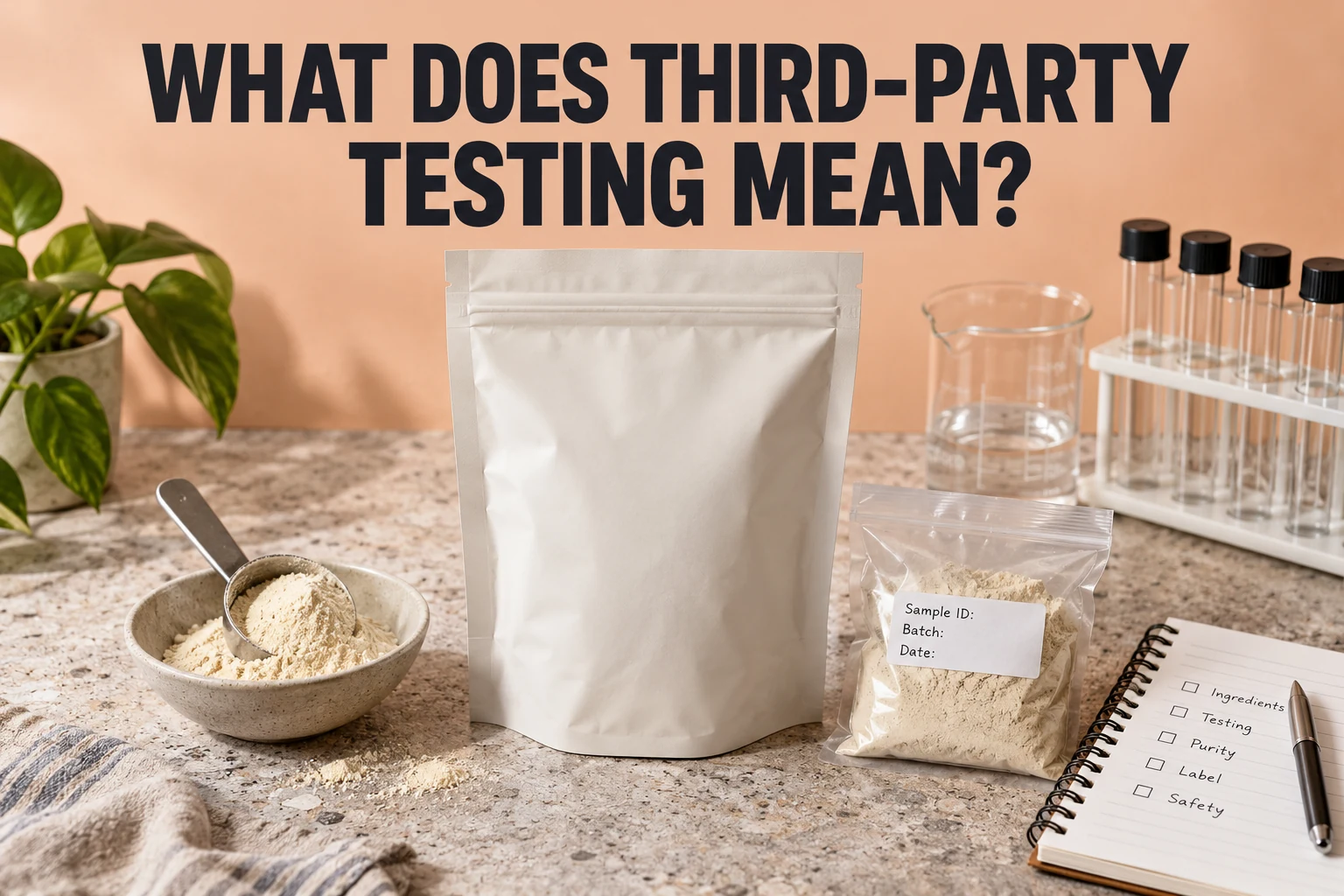
Which type of protein powder is best for boosting intake?
Whey concentrate is the best starting point for most people addressing low protein intake. It delivers 70 to 82g of protein per 100g of powder, mixes easily, tastes good and remains the most affordable option on the market.
Here's how the main types compare for someone focused purely on increasing daily protein intake:
| Rank | Product | Best for | ProteinDeals verdict |
|---|---|---|---|
| 1 | Whey concentrateFrom £14.99 Pros
| Cheapest option per 25g protein | delivers 70 to 82g protein per 100g and is the cheapest option per 25g protein. Best for most people. Check prices on the whey concentrate table. |
| 2 | Best-value alternative | delivers 85 to 92g protein per 100g with less lactose and fat. Costs more per kg but delivers more protein per scoop. Best for lactose-sensitive people and those on strict calorie budgets. Compare options on the whey isolate table. | |
| 3 | Specialist option | (pea and rice) deliver 60 to 75g protein per 100g. Best for vegans and those avoiding dairy. See current prices on the plant-based table. | |
| 4 | Specialist option | delivers 75 to 85g protein per 100g and digests slowly. Best for a before-bed protein boost. Browse options on the casein table. |

Live comparison
Whey Protein products
FlavourSize (g)QtyServingsOfferTotal Per 25g protein 3000191.2 £37.99 25.0g125£0.417 2000160.8 £27.99 25.0g125£0.460 1000130.4 £15.99 25.0g125£0.526 |
FlavourSize (g)QtyServingsOfferTotal Per 25g protein 1000132.3 £14.99£19.99 -25%25.0g118£0.463 |
FlavourSize (g)QtyServingsOfferTotal Per 25g protein 1000132.3 £14.99£19.99 -25%25.0g118£0.463 |
FlavourSize (g)QtyServingsOfferTotal Per 25g protein 1000127.3 £18.99 25.0g138£0.695 |
FlavourSize (g)QtyServingsOfferTotal Per 25g protein 48001113.3 £80.49 25.0g155£0.711 2400156.6 £40.99 25.0g155£0.724 1200128.3 £21.29 25.0g155£0.752 |
FlavourSize (g)QtyServingsOfferTotal Per 25g protein 48001130.6 £95.99 25.0g136£0.735 2400165.3 £51.99 25.0g136£0.796 1200132.6 £28.29 25.0g136£0.867 |
FlavourSize (g)QtyServingsOfferTotal Per 25g protein 48001132.5 £104.49 25.0g131£0.789 2400166.2 £56.49 25.0g131£0.853 1200133.1 £30.49 25.0g131£0.921 |
FlavourSize (g)QtyServingsOfferTotal Per 25g protein 43501125.3 £99.99 25.0g132£0.798 1000128.8 £25.99 25.0g127£0.902 50001146 £144.49 25.0g129£0.990 |
FlavourSize (g)QtyServingsOfferTotal Per 25g protein 60001168 £143.99 25.0g129£0.857 3000184 £77.99 25.0g129£0.928 1500142 £41.99 25.0g129£1.000 |
FlavourSize (g)QtyServingsOfferTotal Per 25g protein 2000157 £49.99£99.99 -50%25.0g136£0.878 1000128.5 £29.99£49.99 -40%25.0g136£1.053 500114.2 £17.99£24.99 -28%25.0g136£1.263 |
FlavourSize (g)QtyServingsOfferTotal Per 25g protein 2250163 £55.99 25.0g156£0.889 750121 £19.99 25.0g156£0.952 375110.8 £11.99 25.0g153£1.110 |
FlavourSize (g)QtyServingsOfferTotal Per 25g protein 720120.2 £17.99£29.99 -40%25.0g133£0.892 2000156 £69.99 25.0g134£1.250 15001- £64.99 --- |
FlavourSize (g)QtyServingsOfferTotal Per 25g protein 50001142 £129.99 25.0g133£0.915 2500171 £67.99 25.0g133£0.958 1000128.4 £27.99 25.0g133£0.986 |
FlavourSize (g)QtyServingsOfferTotal Per 25g protein 2000164.8 £60.00 25.0g127£0.926 |
FlavourSize (g)QtyServingsOfferTotal Per 25g protein 50001150 £139.99 25.0g125£0.933 2500175 £74.99 25.0g125£1.000 1000130 £31.99 25.0g125£1.066 |
FlavourSize (g)QtyServingsOfferTotal Per 25g protein 2100163 £59.95 25.0g126£0.952 510115.3 £29.95 25.0g126£1.957 |
FlavourSize (g)QtyServingsOfferTotal Per 25g protein 1800157.6 £54.95 25.0g113£0.954 1000132 £32.95 25.0g113£1.030 450114.4 £19.95 25.0g113£1.385 |
FlavourSize (g)QtyServingsOfferTotal Per 25g protein 50001112 £107.99 25.0g151£0.964 2500154 £59.99 25.0g162£1.111 1000123.2 £28.49 25.0g155£1.228 |
FlavourSize (g)QtyServingsOfferTotal Per 25g protein 908130.5 £30.02£49.99 -40%25.0g108£0.984 |
FlavourSize (g)QtyServingsOfferTotal Per 25g protein 40001124.8 £123.99 25.0g120£0.993 2000162.4 £63.99 25.0g120£1.025 1000131.2 £33.99 25.0g120£1.089 |
FlavourSize (g)QtyServingsOfferTotal Per 25g protein 40001118.4 £119.49 25.0g127£1.009 1000129.6 £31.99 25.0g127£1.081 |
FlavourSize (g)QtyServingsOfferTotal Per 25g protein 50001158.2 £159.99 25.0g126£1.011 3000194.9 £99.99 25.0g126£1.053 2000163.3 £69.99 25.0g126£1.106 |
FlavourSize (g)QtyServingsOfferTotal Per 25g protein 40001123.2 £127.99 25.0g123£1.039 500114.8 £15.99 25.0g127£1.080 2000159.2 £65.99 25.0g127£1.115 |
FlavourSize (g)QtyServingsOfferTotal Per 25g protein 1000128.5 £29.99£49.99 -40%25.0g136£1.053 500114.2 £17.99£49.99 -64%25.0g136£1.263 |
FlavourSize (g)QtyServingsOfferTotal Per 25g protein 45001138.1 £145.99 25.0g128£1.057 2270169.6 £89.99 25.0g128£1.292 1000130.7 £52.99 25.0g128£1.727 |
FlavourSize (g)QtyServingsOfferTotal Per 25g protein 908127.6 £29.39£42.99 -32%25.0g124£1.065 2000160.8 £92.99 25.0g126£1.529 3010.9 £2.99 25.0g125£3.194 |
FlavourSize (g)QtyServingsOfferTotal Per 25g protein 2270173.5 £79.99 25.0g117£1.088 |
FlavourSize (g)QtyServingsOfferTotal Per 25g protein 2270173.5 £79.99£89.99 -11%25.0g117£1.088 |
FlavourSize (g)QtyServingsOfferTotal Per 25g protein 2000153.6 £59.99 25.0g142£1.119 900124.1 £39.99 25.0g142£1.658 |
FlavourSize (g)QtyServingsOfferTotal Per 25g protein 2200170.4 £79.99 25.0g-£1.136 900128.8 £41.99 25.0g-£1.458 1500148 £74.99 25.0g-£1.562 |
FlavourSize (g)QtyServingsOfferTotal Per 25g protein 2000152 £59.99 25.0g151£1.154 1000126 £34.99 25.0g151£1.346 |
FlavourSize (g)QtyServingsOfferTotal Per 25g protein 500113.8 £15.99£24.99 -36%25.0g130£1.159 1000127.6 £39.99£44.99 -11%25.0g130£1.449 |
FlavourSize (g)QtyServingsOfferTotal Per 25g protein 1000129.6 £34.49 25.0g128£1.165 |
FlavourSize (g)QtyServingsOfferTotal Per 25g protein 2000158.3 £68.95 25.0g135£1.182 825124.1 £33.95 25.0g135£1.411 450113.1 £19.95 25.0g135£1.520 |
FlavourSize (g)QtyServingsOfferTotal Per 25g protein 2500177 £91.99 25.0g119£1.195 1000130.8 £39.99 25.0g119£1.298 500115.4 £23.49 25.0g119£1.525 |
FlavourSize (g)QtyServingsOfferTotal Per 25g protein 1000130.8 £36.99 25.0g130£1.201 500115.4 £25.99 25.0g130£1.688 |
FlavourSize (g)QtyServingsOfferTotal Per 25g protein 2000161.7 £75.00 25.0g126£1.215 |
FlavourSize (g)QtyServingsOfferTotal Per 25g protein 45301137.7 £170.00 25.0g123£1.234 2260168.7 £98.00 25.0g123£1.426 899127.3 £50.00 25.0g123£1.830 |
FlavourSize (g)QtyServingsOfferTotal Per 25g protein 900125.9 £32.00 25.0g130£1.235 |
FlavourSize (g)QtyServingsOfferTotal Per 25g protein 1800160.5 £75.00 25.0g-£1.240 |
FlavourSize (g)QtyServingsOfferTotal Per 25g protein 650117.4 £22.00 25.0g136£1.263 |
FlavourSize (g)QtyServingsOfferTotal Per 25g protein 500114.2 £17.99£24.99 -28%25.0g112£1.263 |
FlavourSize (g)QtyServingsOfferTotal Per 25g protein 2250155.2 £69.99 25.0g147£1.269 908122.3 £39.99 25.0g147£1.796 |
FlavourSize (g)QtyServingsOfferTotal Per 25g protein 2000154.4 £71.99 25.0g132£1.323 1000127.2 £39.99 25.0g132£1.470 500113.6 £21.99 25.0g132£1.617 |
FlavourSize (g)QtyServingsOfferTotal Per 25g protein 2270167.2 £92.00 25.0g125£1.369 |
FlavourSize (g)QtyServingsOfferTotal Per 25g protein 1000129.2 £39.99 25.0g152£1.370 |
FlavourSize (g)QtyServingsOfferTotal Per 25g protein 899125.5 £35.00 25.0g136£1.371 |
FlavourSize (g)QtyServingsOfferTotal Per 25g protein 1000127.6 £37.99 25.0g130£1.376 500113.8 £19.99 25.0g130£1.449 |
FlavourSize (g)QtyServingsOfferTotal Per 25g protein 900257.6 £80.98 25.0g120£1.406 900128.8 £44.99 25.0g120£1.562 3010.9 £2.49 25.0g120£2.664 |
FlavourSize (g)QtyServingsOfferTotal Per 25g protein 1000131.2 £44.99 25.0g127£1.442 3010.9 £1.75 25.0g129£1.944 30019.2 £21.99 25.0g126£2.380 |
FlavourSize (g)QtyServingsOfferTotal Per 25g protein 2000162.4 £89.99 25.0g130£1.442 1000128.8 £44.99 25.0g135£1.562 30019.1 £21.99 25.0g128£2.405 |
FlavourSize (g)QtyServingsOfferTotal Per 25g protein 420113.1 £18.99 25.0g120£1.445 |
FlavourSize (g)QtyServingsOfferTotal Per 25g protein 1800148.2 £69.99 25.0g139£1.451 1200132.2 £47.49 25.0g139£1.477 600116.1 £24.99 25.0g139£1.554 |
FlavourSize (g)QtyServingsOfferTotal Per 25g protein 2250182 £119.99 25.0g100£1.463 750127.3 £49.99 25.0g100£1.829 |
FlavourSize (g)QtyServingsOfferTotal Per 25g protein 900130 £43.99 25.0g-£1.467 |
FlavourSize (g)QtyServingsOfferTotal Per 25g protein 1800154 £79.99 25.0g128£1.481 810124.3 £49.99 25.0g128£2.057 450113 £29.99 25.0g133£2.314 |
FlavourSize (g)QtyServingsOfferTotal Per 25g protein 48001150.5 £224.00£236.00 -5%25.0g126£1.488 2400175.3 £120.00 25.0g126£1.594 1200137.6 £62.00 25.0g126£1.648 |
FlavourSize (g)QtyServingsOfferTotal Per 25g protein 1000260 £89.98 25.0g125£1.500 1000130 £49.99 25.0g125£1.666 |
FlavourSize (g)QtyServingsOfferTotal Per 25g protein 1020129.4 £44.99 25.0g127£1.532 |
FlavourSize (g)QtyServingsOfferTotal Per 25g protein 1000129.3 £48.95 25.0g131£1.669 |
FlavourSize (g)QtyServingsOfferTotal Per 25g protein 1000122 £36.99 25.0g166£1.678 |
FlavourSize (g)QtyServingsOfferTotal Per 25g protein 2000164.8 £112.00 25.0g129£1.728 1000132.4 £59.00 25.0g129£1.821 |
FlavourSize (g)QtyServingsOfferTotal Per 25g protein 600115.8 £27.49 25.0g142£1.735 |
FlavourSize (g)QtyServingsOfferTotal Per 25g protein 1000126.4 £54.00£60.00 -10%25.0g129£2.045 500113.6 £30.00 25.0g129£2.206 |
FlavourSize (g)QtyServingsOfferTotal Per 25g protein 1000126.8 £54.99 25.0g137£2.052 |
FlavourSize (g)QtyServingsOfferTotal Per 25g protein 1000125.6 £54.00£60.00 -10%25.0g134£2.109 500112.8 £30.00 25.0g134£2.344 |
FlavourSize (g)QtyServingsOfferTotal Per 25g protein 6011.8 £3.99 25.0g119£2.159 |
FlavourSize (g)QtyServingsOfferTotal Per 25g protein 30018.6 £24.99 25.0g128£2.892 |
FlavourSize (g)QtyServingsOfferTotal Per 25g protein 3110.9 £4.39 25.0g123£4.658 |
FlavourSize (g)QtyServingsOfferTotal Per 25g protein - £8.99 25.0g495- |
FlavourSize (g)QtyServingsOfferTotal Per 25g protein 20001- £77.50 25.0g-- |
FlavourSize (g)QtyServingsOfferTotal Per 25g protein 9001- £28.00 --- |
FlavourSize (g)QtyServingsOfferTotal Per 25g protein 20001- £67.50 25.0g-- 9081- £36.00 25.0g-- 4761- £18.00 25.0g-- |


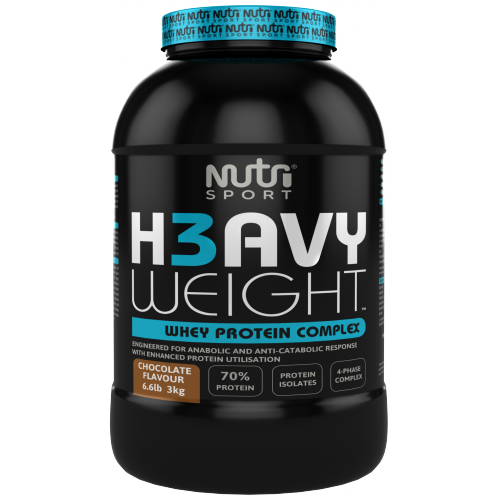


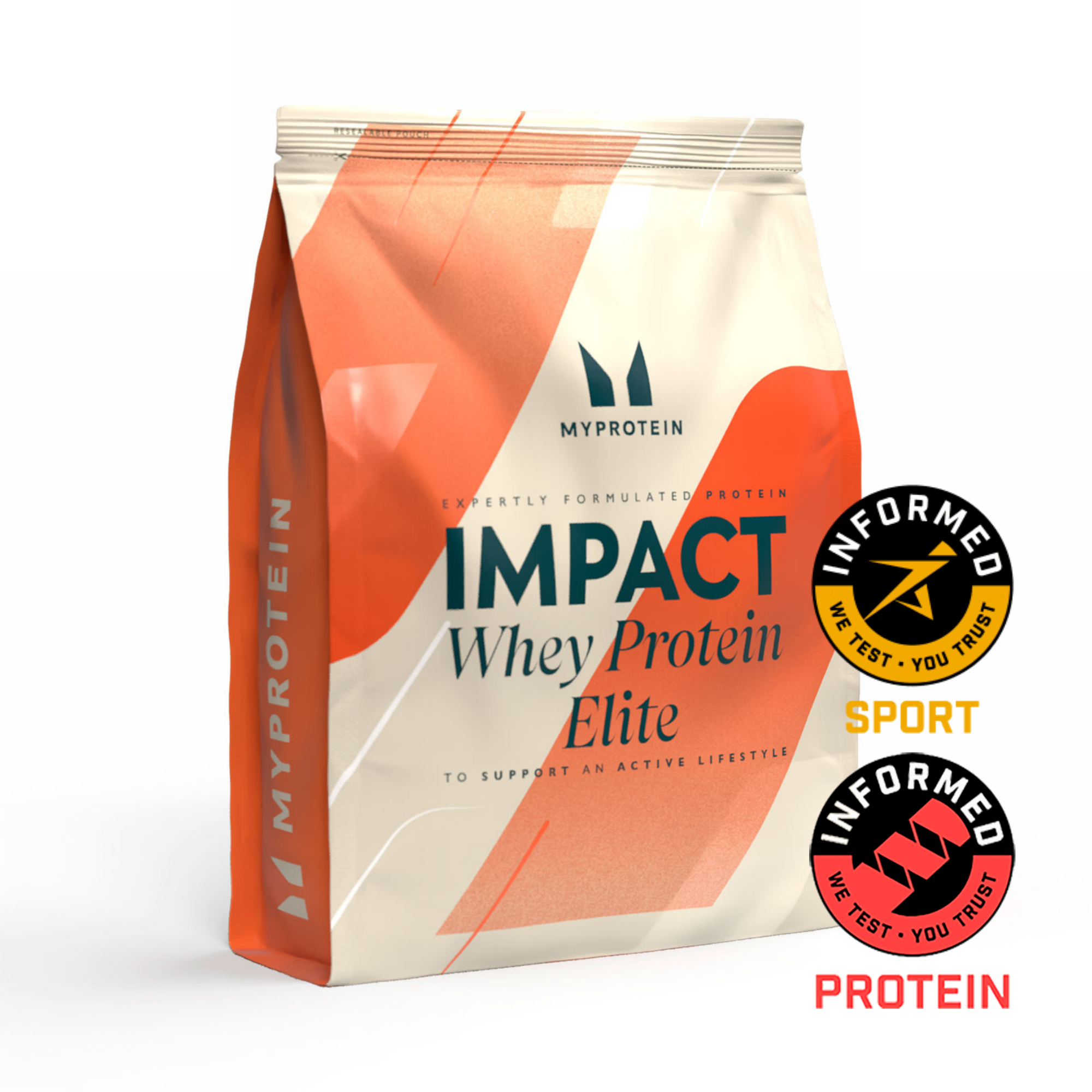


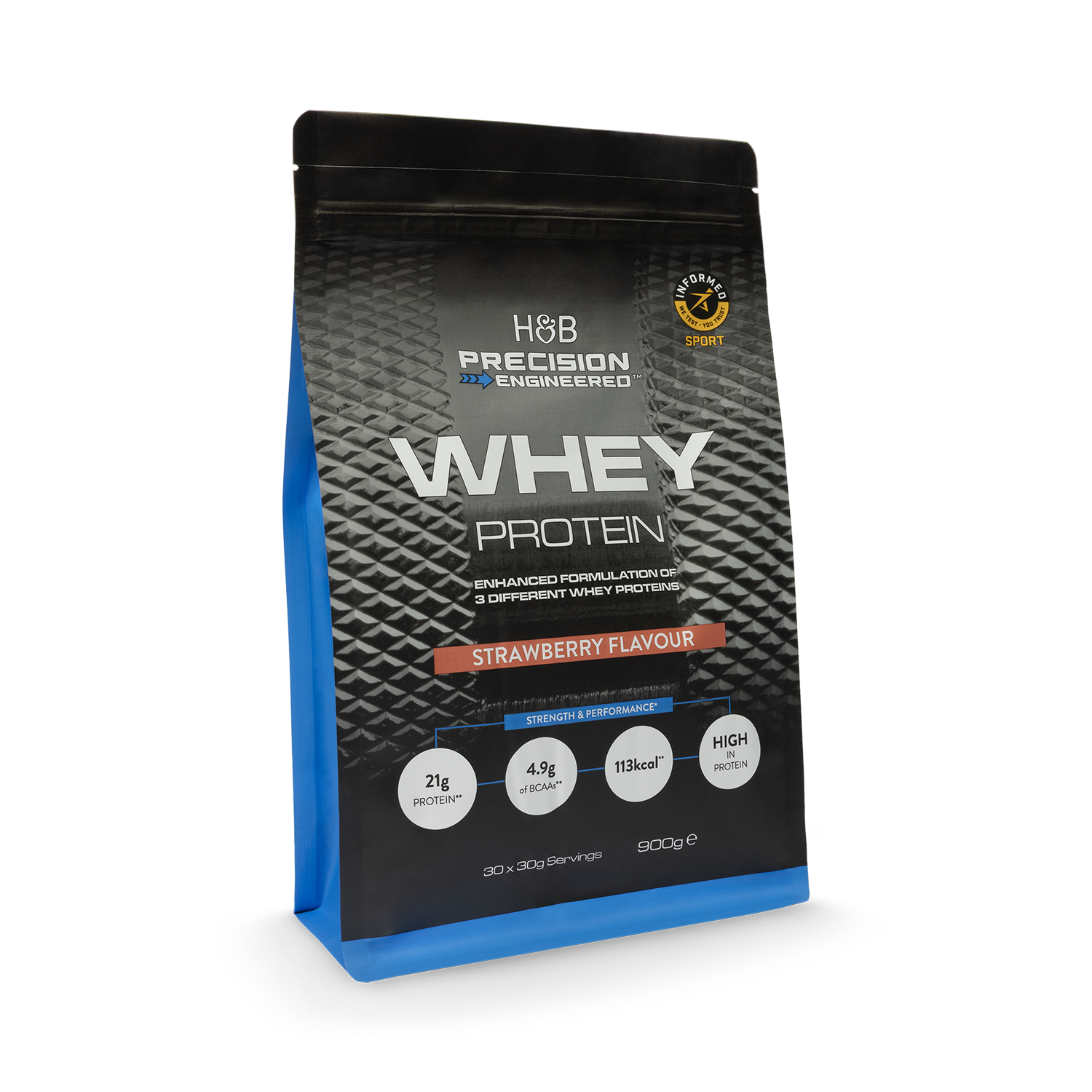

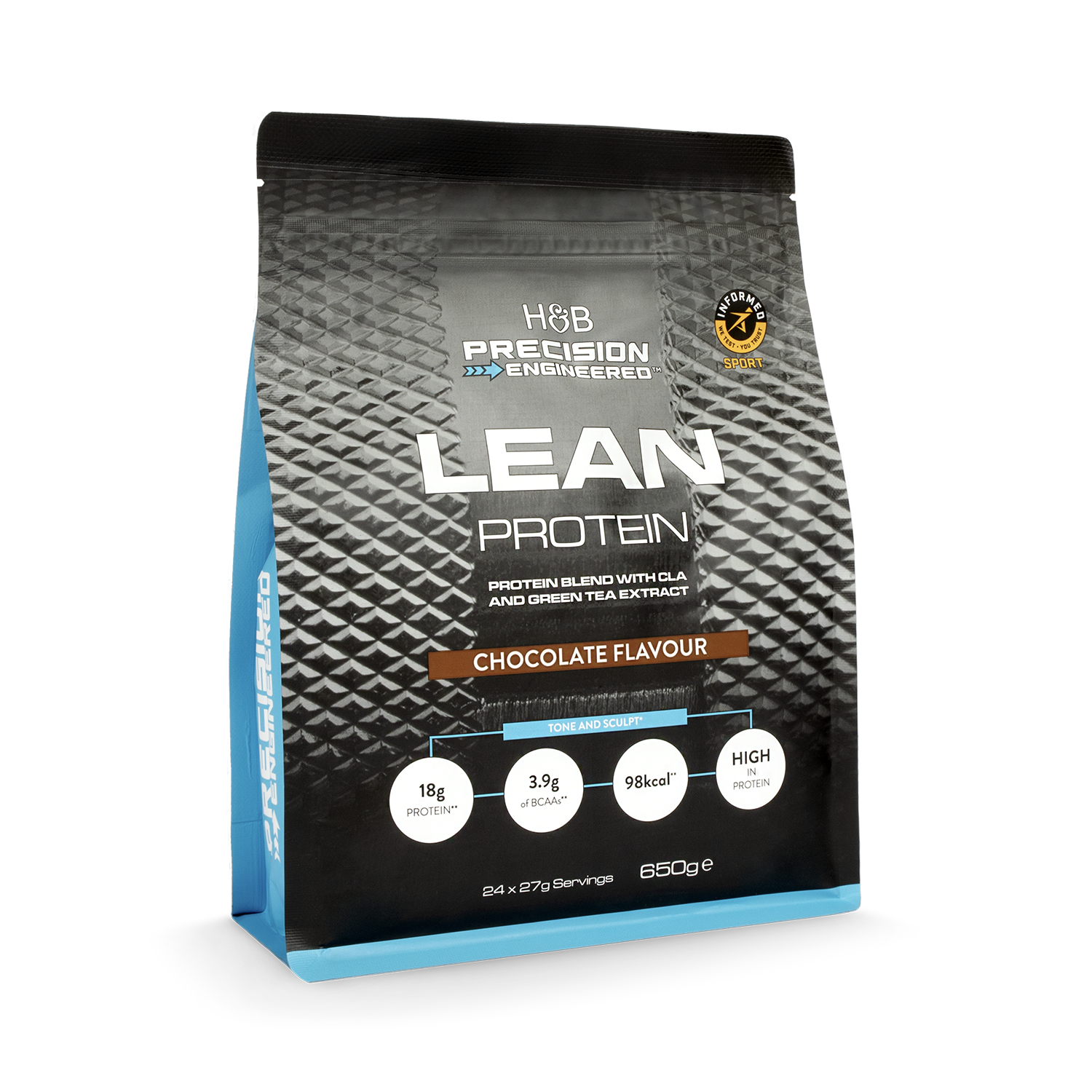



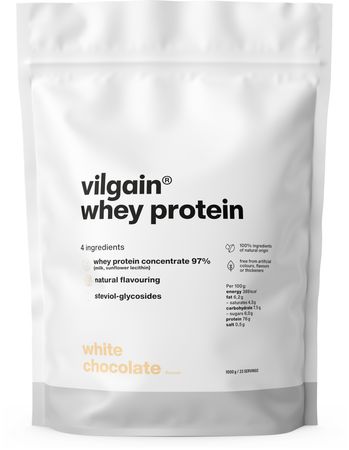
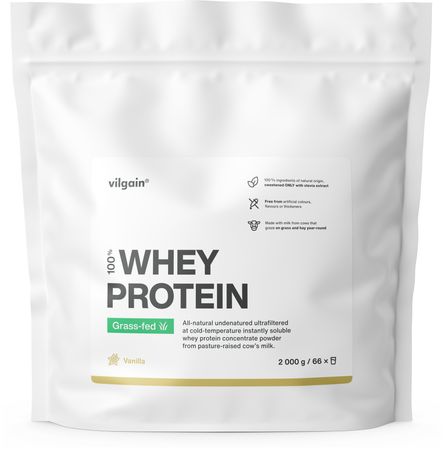
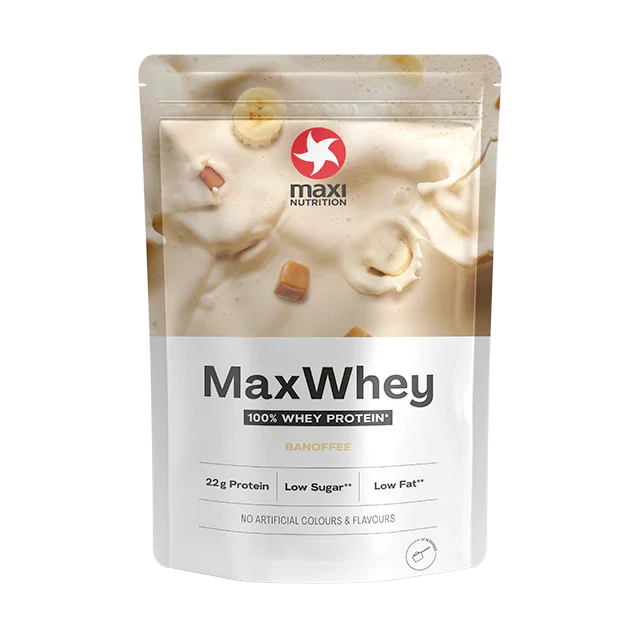





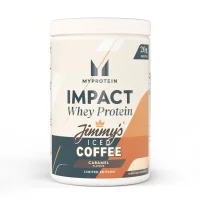

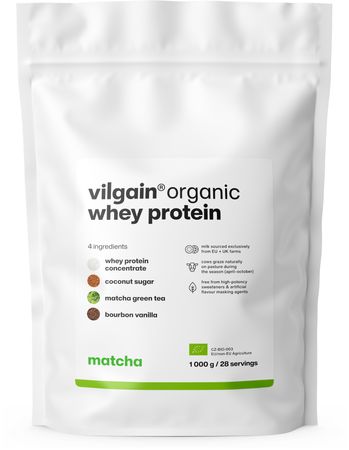


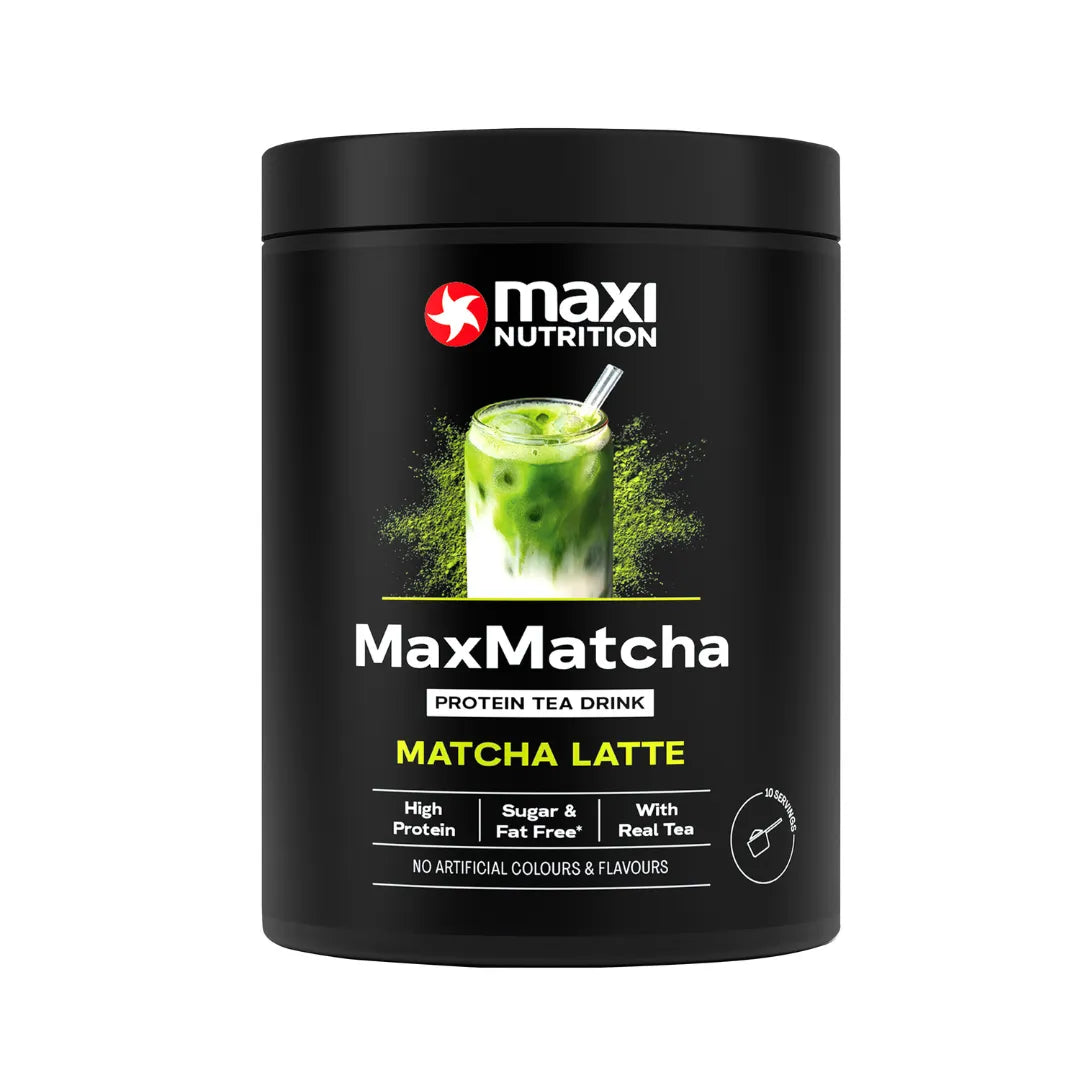



Best overall Whey Protein
Sports Fuel Premium Protein
Bodybuilding Warehouse · 1kg
Pros
- Provides 25g protein for about 118 kcal, keeping non-protein calories low (0.2g fat)
- 60.8% cheaper per 25g protein than the median of 65 other Whey Protein product families in this comparison
Where to start if you are new to protein powder
Start with a whey concentrate from a reputable UK brand if you just want to increase daily intake affordably. Myprotein Impact Whey and Bulk Pure Whey both deliver over 70g of protein per 100g and rank consistently among the cheapest protein per 25g in the UK.
For a fuller breakdown of the differences, see our guide to whey isolate vs concentrate.
The bottom line
Protein deficiency in the UK is not just a developing-world problem. Anyone over 65, on a calorie-restricted diet, following a plant-based diet, or training regularly without tracking intake faces a real chance of falling short. The symptoms, from muscle loss and fatigue to weakened immunity and slow recovery, creep in gradually and are easy to dismiss as something else.
The fix is fairly straightforward. Calculate your actual daily requirement using the protein calculator, track intake for a week, and if a gap shows up, add one or two scoops of protein powder to your daily routine. It remains one of the cheapest and most time-efficient ways to protect muscle mass, energy levels and long-term health.
References
Sources and further reading
- 01ProteinDeals — live product comparison
Current product, nutrition and retailer data used for the article's buying context.