
Quick answer
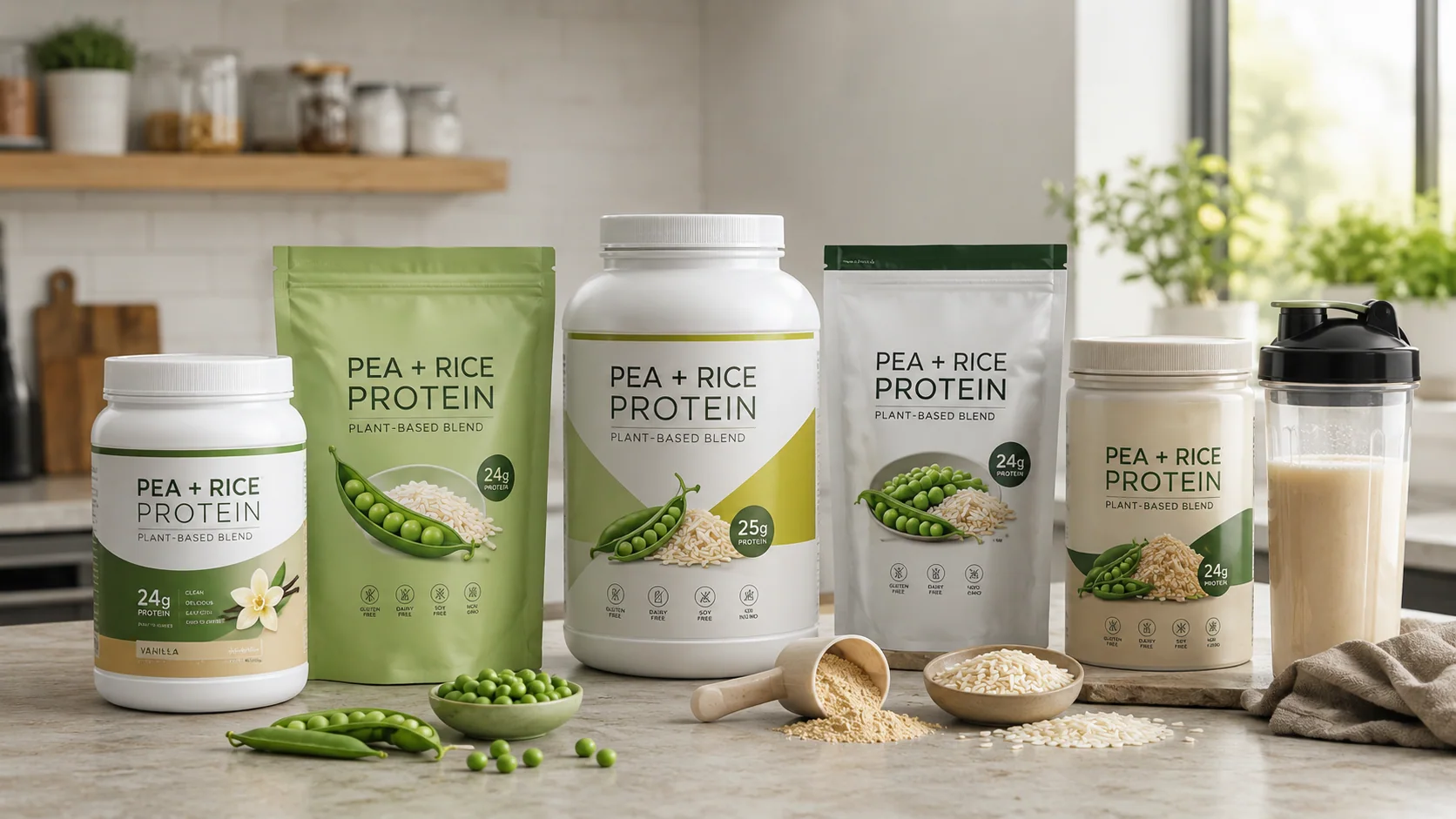
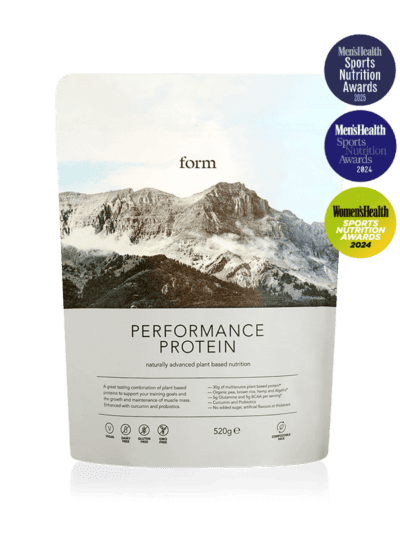
Pea-and-rice is our preferred non-soy vegan blend because the amino-acid weaknesses of one source are partly balanced by the other. Form Performance Protein is our premium pick and Bulk Vegan Protein is our value option. It can support muscle gain when total protein and training are adequate.
The problem with single-source plant proteins
Most plant proteins are incomplete. They contain all nine essential amino acids, but one or more is present in quantities too low to support optimal muscle protein synthesis when that source is used exclusively.
Pea protein is low in methionine and cysteine. Rice protein is low in lysine. Either used alone requires compensating through the rest of the diet. Together, they cover each other's gaps almost completely.
Live comparison
Vegan Protein products
FlavourSize (g)Size (ml)QtyServingsOfferTotal Per serving 50001167 £36.99 27.0g111£0.221 2500183 £20.99 27.0g111£0.253 1000133 £11.99 27.0g111£0.363 |
FlavourSize (g)Size (ml)QtyServingsOfferTotal Per serving 50001167 £40.99 25.8g121£0.245 2500183 £22.99 25.8g121£0.277 1000133 £13.99 25.8g121£0.424 |
FlavourSize (g)Size (ml)QtyServingsOfferTotal Per serving 50001167 £38.99 24.0g102£0.233 30001100 £29.99 24.0g102£0.300 1000133 £13.49 24.2g102£0.409 |
FlavourSize (g)Size (ml)QtyServingsOfferTotal Per serving 50001167 £44.99 26.5g112£0.269 30001100 £27.99 26.5g112£0.280 1000133 £13.99 26.5g112£0.424 |
FlavourSize (g)Size (ml)QtyServingsOfferTotal Per serving 40001132 £47.99 26.0g113£0.364 2000166 £25.99 26.0g113£0.394 1000133 £13.99 26.0g113£0.424 |
FlavourSize (g)Size (ml)QtyServingsOfferTotal Per serving 40001133 £39.99 21.4g101£0.301 |
FlavourSize (g)Size (ml)QtyServingsOfferTotal Per serving 50001167 £59.99 25.0g107£0.359 2500183 £31.99 25.0g107£0.385 1000133 £13.99 25.0g107£0.424 |
FlavourSize (g)Size (ml)QtyServingsOfferTotal Per serving 2700190 £30.00 23.0g116£0.333 2880190 £30.00 21.0g118£0.333 900130 £14.99 23.0g116£0.500 |
FlavourSize (g)Size (ml)QtyServingsOfferTotal Per serving 50001167 £59.99 24.0g119£0.359 2500183 £31.49 24.0g119£0.379 1000133 £13.99 24.0g119£0.424 |
FlavourSize (g)Size (ml)QtyServingsOfferTotal Per serving 40001132 £47.99 24.0g122£0.364 2000166 £24.99 24.0g122£0.379 1000133 £13.99 24.0g122£0.424 |
FlavourSize (g)Size (ml)QtyServingsOfferTotal Per serving 50001167 £70.99 25.8g114£0.425 30001100 £46.99 25.8g114£0.470 1000133 £17.99 25.8g114£0.545 |
FlavourSize (g)Size (ml)QtyServingsOfferTotal Per serving 2500183 £33.99 24.0g112£0.410 1000133 £14.99 24.0g112£0.454 |
FlavourSize (g)Size (ml)QtyServingsOfferTotal Per serving 50001167 £72.99 24.9g118£0.437 30001100 £52.99 24.9g118£0.530 1000133 £17.99 24.9g118£0.545 |
FlavourSize (g)Size (ml)QtyServingsOfferTotal Per serving 50001166 £67.49 23.0g106£0.407 2500183 £35.49 23.0g106£0.428 1000133 £14.99 23.0g106£0.454 |
FlavourSize (g)Size (ml)QtyServingsOfferTotal Per serving 40001160 £61.49 21.0g91£0.384 2000180 £33.99 21.0g91£0.425 1000140 £18.49 21.0g91£0.462 |
FlavourSize (g)Size (ml)QtyServingsOfferTotal Per serving 40001132 £67.99 26.0g108£0.515 2000166 £37.49 26.0g108£0.568 1000133 £20.49 26.0g108£0.621 |
FlavourSize (g)Size (ml)QtyServingsOfferTotal Per serving 50001167 £48.99 14.4g104£0.293 30001100 £30.99 14.4g104£0.310 1000133 £14.49 14.4g104£0.439 |
FlavourSize (g)Size (ml)QtyServingsOfferTotal Per serving 50001167 £82.99 24.0g103£0.497 2500183 £45.99 24.0g103£0.554 1000133 £20.00 24.0g103£0.606 |
FlavourSize (g)Size (ml)QtyServingsOfferTotal Per serving 1000150 £9.80 8.6g60£0.196 500125 £7.75 8.6g60£0.310 |
FlavourSize (g)Size (ml)QtyServingsOfferTotal Per serving 50001143 £79.99 24.0g127£0.559 2500171 £42.99 24.0g127£0.605 1000129 £18.99 24.0g127£0.655 |
FlavourSize (g)Size (ml)QtyServingsOfferTotal Per serving 25018 £4.99 24.0g119£0.624 |
FlavourSize (g)Size (ml)QtyServingsOfferTotal Per serving 40001114 £82.49 28.0g124£0.724 2000157 £45.99 28.0g124£0.807 1000128 £24.79 28.0g124£0.885 |
FlavourSize (g)Size (ml)QtyServingsOfferTotal Per serving 50001167 £102.99 24.2g105£0.617 30001100 £63.99 24.2g105£0.640 2000167 £45.99 24.2g105£0.686 |
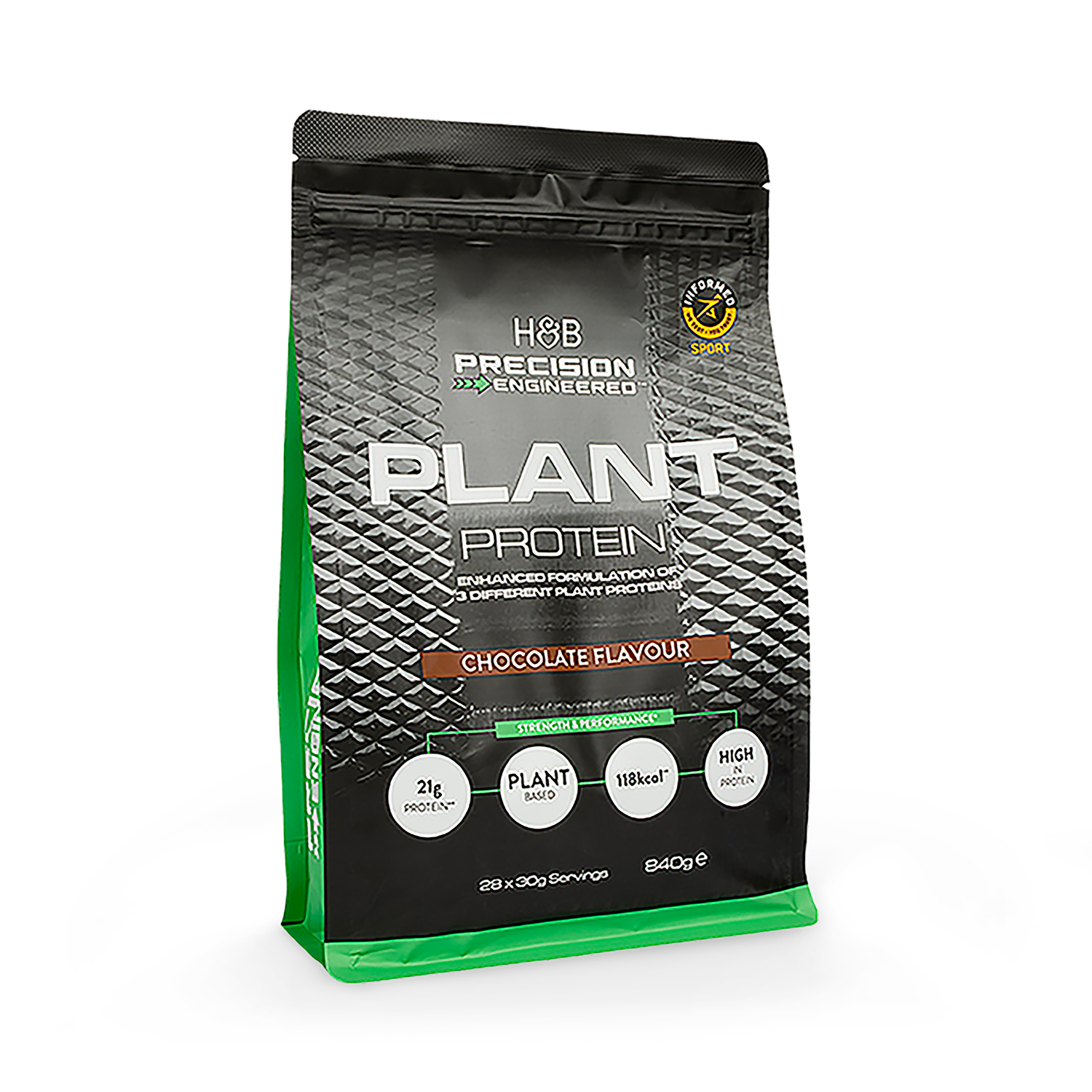
FlavourSize (g)Size (ml)QtyServingsOfferTotal Per serving 840128 £16.00 21.0g118£0.571 |
FlavourSize (g)Size (ml)QtyServingsOfferTotal Per serving 10001100 £24.99 9.0g39£0.250 250125 £9.99 9.0g39£0.400 |
FlavourSize (g)Size (ml)QtyServingsOfferTotal Per serving 1000150 £14.50 10.4g66£0.290 500125 £11.70 10.4g66£0.468 |
FlavourSize (g)Size (ml)QtyServingsOfferTotal Per serving 10001100 £24.99 8.0g41£0.250 250125 £9.99 8.0g41£0.400 |
FlavourSize (g)Size (ml)QtyServingsOfferTotal Per serving 270110 £7.50 20.1g110£0.750 |
FlavourSize (g)Size (ml)QtyServingsOfferTotal Per serving 2500183 £77.49 25.0g117£0.934 1000133 £32.49 25.0g117£0.985 5000133 £146.99 25.0g117£4.454 |
FlavourSize (g)Size (ml)QtyServingsOfferTotal Per serving 2000167 £55.99 21.0g128£0.836 900130 £29.99 21.0g128£1.000 |
FlavourSize (g)Size (ml)QtyServingsOfferTotal Per serving 1000140 £29.99 19.0g93£0.750 500120 £16.99 18.0g93£0.849 |
FlavourSize (g)Size (ml)QtyServingsOfferTotal Per serving 900129 £28.00 23.0g124£0.966 |
FlavourSize (g)Size (ml)QtyServingsOfferTotal Per serving 1000120 £13.99 17.0g174£0.700 500110 £7.99 17.0g174£0.799 |
FlavourSize (g)Size (ml)QtyServingsOfferTotal Per serving 2500142 £49.99 29.0g216£1.190 |
FlavourSize (g)Size (ml)QtyServingsOfferTotal Per serving 390114 £13.59 23.0g120£0.971 |
FlavourSize (g)Size (ml)QtyServingsOfferTotal Per serving 2267.96176 £86.00 25.0g115£1.132 1133.98138 £53.00 25.0g115£1.395 |
FlavourSize (g)Size (ml)QtyServingsOfferTotal Per serving 45033 £13.47 96.0g570£4.490 15013 £4.99 96.0g570£1.663 |
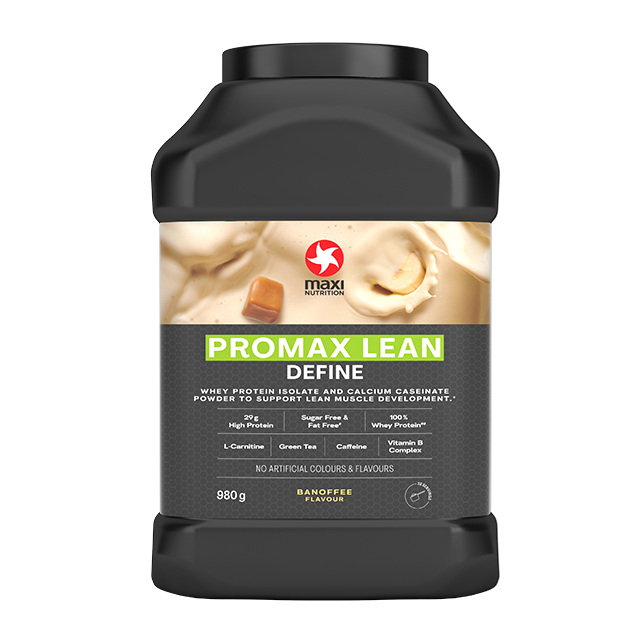
FlavourSize (g)Size (ml)QtyServingsOfferTotal Per serving 980128 £39.99 30.0g127£1.428 |
FlavourSize (g)Size (ml)QtyServingsOfferTotal Per serving 754126 £25.00 20.0g105£0.962 |
FlavourSize (g)Size (ml)QtyServingsOfferTotal Per serving 1530117 £33.90 40.0g400£1.994 |
FlavourSize (g)Size (ml)QtyServingsOfferTotal Per serving 2000166 £69.99 21.0g111£1.060 1000133 £39.99 21.0g111£1.212 500116 £21.99 21.0g111£1.374 |
FlavourSize (g)Size (ml)QtyServingsOfferTotal Per serving 2000266 £83.68 24.0g116£1.268 1000133 £44.99 24.0g116£1.363 |
FlavourSize (g)Size (ml)QtyServingsOfferTotal Per serving 40015 £6.49 25.0g322£1.298 |
FlavourSize (g)Size (ml)QtyServingsOfferTotal Per serving 908130 £34.99 21.8g104£1.166 |
FlavourSize (g)Size (ml)QtyServingsOfferTotal Per serving 1800155 £59.99 20.0g119£1.091 800124 £39.99 20.0g119£1.666 |
FlavourSize (g)Size (ml)QtyServingsOfferTotal Per serving 900130 £33.99 21.0g110£1.133 |
FlavourSize (g)Size (ml)QtyServingsOfferTotal Per serving 300110 £11.99 22.0g100£1.199 |
FlavourSize (g)Size (ml)QtyServingsOfferTotal Per serving 684120 £28.00 24.0g132£1.400 |
FlavourSize (g)Size (ml)QtyServingsOfferTotal Per serving 42016 £8.49 25.0g268£1.415 |
FlavourSize (g)Size (ml)QtyServingsOfferTotal Per serving 600120 £25.99 21.0g109£1.299 |
FlavourSize (g)Size (ml)QtyServingsOfferTotal Per serving 16816 £7.99 21.0g105£1.332 |
FlavourSize (g)Size (ml)QtyServingsOfferTotal Per serving 520113 £27.00 32.0g-£2.077 |
FlavourSize (g)Size (ml)QtyServingsOfferTotal Per serving 1000125 £39.99 24.2g143£1.600 |
FlavourSize (g)Size (ml)QtyServingsOfferTotal Per serving 300115 £10.00 10.0g72£0.667 10015 £4.00 10.0g72£0.800 |
FlavourSize (g)Size (ml)QtyServingsOfferTotal Per serving 520113 £27.00 30.0g149£2.077 |
FlavourSize (g)Size (ml)QtyServingsOfferTotal Per serving 1000112 £17.99 20.0g271£1.499 50016 £9.99 20.0g271£1.665 |
FlavourSize (g)Size (ml)QtyServingsOfferTotal Per serving 1000133 £54.00 21.0g115£1.636 500116 £30.00 21.0g115£1.875 |
FlavourSize (g)Size (ml)QtyServingsOfferTotal Per serving 520113 £33.00 31.0g148£2.538 |
FlavourSize (g)Size (ml)QtyServingsOfferTotal Per serving 3301212 £14.99 15.0g80£1.249 33044 £5.99 15.0g80£1.498 |
FlavourSize (g)Size (ml)QtyServingsOfferTotal Per serving 1746147 £93.57 23.1g132£1.991 582147 £31.19 7.7g44£0.664 |
FlavourSize (g)Size (ml)QtyServingsOfferTotal Per serving 697.4122 £38.00 20.0g120£1.727 719.4122 £38.00 20.0g130£1.727 671122 £38.00 20.0g120£1.727 |
FlavourSize (g)Size (ml)QtyServingsOfferTotal Per serving 1212 £26.00 22.0g-£2.167 77 £16.50 22.0g-£2.357 - £2.50 22.0g-- |
FlavourSize (g)Size (ml)QtyServingsOfferTotal Per serving 1200110 £31.99 32.0g523£3.199 |
FlavourSize (g)Size (ml)QtyServingsOfferTotal Per serving 520113 £27.00 20.0g133£2.077 |
FlavourSize (g)Size (ml)QtyServingsOfferTotal Per serving 317110 £23.00 20.0g120£2.300 327110 £23.00 20.0g130£2.300 305110 £23.00 20.0g120£2.300 |
FlavourSize (g)Size (ml)QtyServingsOfferTotal Per serving 50011 £6.95 60.0g439£6.950 |
FlavourSize (g)Size (ml)QtyServingsOfferTotal Per serving 600120 £52.00 22.0g110£2.600 |
FlavourSize (g)Size (ml)QtyServingsOfferTotal Per serving 235124 £14.95 5.0g35£0.623 |
FlavourSize (g)Size (ml)QtyServingsOfferTotal Per serving 352.8112 £31.00 20.0g110£2.583 |
FlavourSize (g)Size (ml)QtyServingsOfferTotal Per serving 300130 £33.00 7.4g38£1.100 |
FlavourSize (g)Size (ml)QtyServingsOfferTotal Per serving 54033 £6.75 3.6g290£2.250 18013 £2.39 3.6g290£0.797 |
FlavourSize (g)Size (ml)QtyServingsOfferTotal Per serving 300033 £65.97 --£21.990 10001- £21.99 --- |
FlavourSize (g)Size (ml)QtyServingsOfferTotal Per serving 1191130 £49.99 -150£1.666 |
FlavourSize (g)Size (ml)QtyServingsOfferTotal Per serving 1047130 £49.99 -150£1.666 |
FlavourSize (g)Size (ml)QtyServingsOfferTotal Per serving 10001- £13.99 --- 5001- £8.99 --- 2501- £5.99 --- |
FlavourSize (g)Size (ml)QtyServingsOfferTotal Per serving 1751- £9.00 --- |
FlavourSize (g)Size (ml)QtyServingsOfferTotal Per serving 2501- £15.00 --- |
FlavourSize (g)Size (ml)QtyServingsOfferTotal Per serving - £70.00 --- |
FlavourSize (g)Size (ml)QtyServingsOfferTotal Per serving 1701- £9.95 4.0g-- |
FlavourSize (g)Size (ml)QtyServingsOfferTotal Per serving 30 £19.95 0.0g16£0.665 |



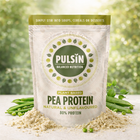
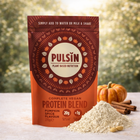


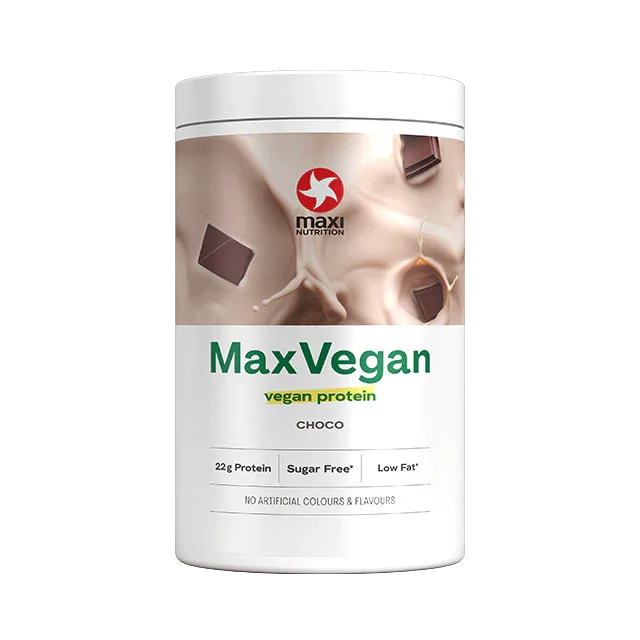

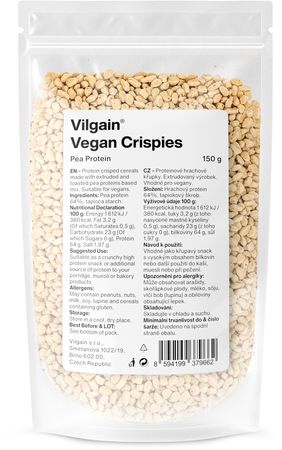














Why pea and rice work so well together
The amino acid deficits of pea and rice protein are complementary in the most useful way possible. Pea protein is high in lysine, the amino acid that rice lacks, and rice protein is relatively high in methionine and cysteine, the amino acids that pea lacks.
Blending the two in a roughly 70:30 or 60:40 pea-to-rice ratio produces a combined amino acid profile that closely mirrors whey protein. This is why pea and rice blends consistently outperform single-source plant proteins in muscle-building research.
Leucine content of the blend
Leucine, the key amino acid for triggering muscle protein synthesis, is present at around 8% in pea protein and around 6.5-7% in rice protein. A 70:30 pea-to-rice blend has a leucine content of roughly 7.5-8%, compared to whey's 10-11%.
This small gap is closed by using a slightly larger serving size. A 30-35g serving of a pea and rice blend delivers approximately the same leucine dose as a 25g serving of whey, which is sufficient to maximally stimulate muscle protein synthesis.
Community perspective
What others are saying
What's the BCAA profile of the rice/pea mix? Outside of straight-up BCAA supps, whey has the highest amount of leucine, which is a potent muscle protein sythesis stimulator (and the only amino acid capable of doing so to boot).
u/eric_twinge in r/Supplements
Isn't pea protein thick as fuack? But shit, never knew Rice was so high in Cysteine as well as Leucine. They are very comparable.
u/silverhydra in r/Supplements
Pea and Brown Rice protein when combined are very close in profile and bio availability. The combination is around 90% as good as isolate, or about as good as concentrate.
u/gunch in r/Supplements
Watch what buyers found
Hands-on opinions
Why Combining Pea and Rice Protein Can Build Muscle Mass | Nutrition Coach Explains| Naked Nutrition
Naked Nutrition
A topic-specific video selected for additional practical context on Pea and Rice Protein Blend: A Smarter Buyer's Guide for 2026.
How to read a vegan protein label
When buying a pea and rice blend, look for the ratio on the label. A product that lists pea protein first with rice protein as a secondary ingredient is weighted toward pea, which is the stronger of the two for leucine and lysine content.
Check total protein per 100g. The blend should deliver at least 70g. Products with additional ingredients like digestive enzymes, added leucine, or vitamin blends may cost more but can offer a more complete nutritional profile for athletes with higher recovery demands.

Cheapest Vegan Protein
Soy Protein Isolate Powder – 90% Protein
Pure Source Nutrition · 500g
Pros
- Soy is a complete dairy-free protein containing all nine essential amino acids
- 39.7% below the £2.65/100g average across 64 comparable /compare listings
Pea and rice vs soy
Soy protein is the closest plant equivalent to whey in terms of amino acid completeness and digestibility. A well-formulated pea and rice blend approaches soy on both measures while avoiding the soy allergen.
For people without soy sensitivity, both are effective. The pea and rice format has become the industry standard for vegan protein in the UK partly because of the wider allergen-free appeal and partly because pea protein production has scaled rapidly.
References
Sources and further reading
- 01ProteinDeals — live product comparison
Current product, nutrition and retailer data used for the article's buying context.
Frequently asked questions
What ratio of pea to rice protein is best?+
A 70:30 to 60:40 pea-to-rice ratio is the most commonly used in UK vegan protein products and is well supported by research on amino acid completeness. The exact ratio matters less than both sources being present in meaningful amounts.
Is pea and rice protein better than whey?+
Not categorically. A well-formulated pea and rice blend is comparable to whey for muscle building when serving sizes account for the lower leucine density. Whey remains slightly more efficient per gram, but the practical difference for most people is small.
Do I need a pea and rice blend or can I buy them separately?+
Pre-blended products are more convenient and typically priced similarly to buying separately. Buying separate pea and rice protein powders allows you to control the ratio but requires mixing and storage of two products.