
Quick answer
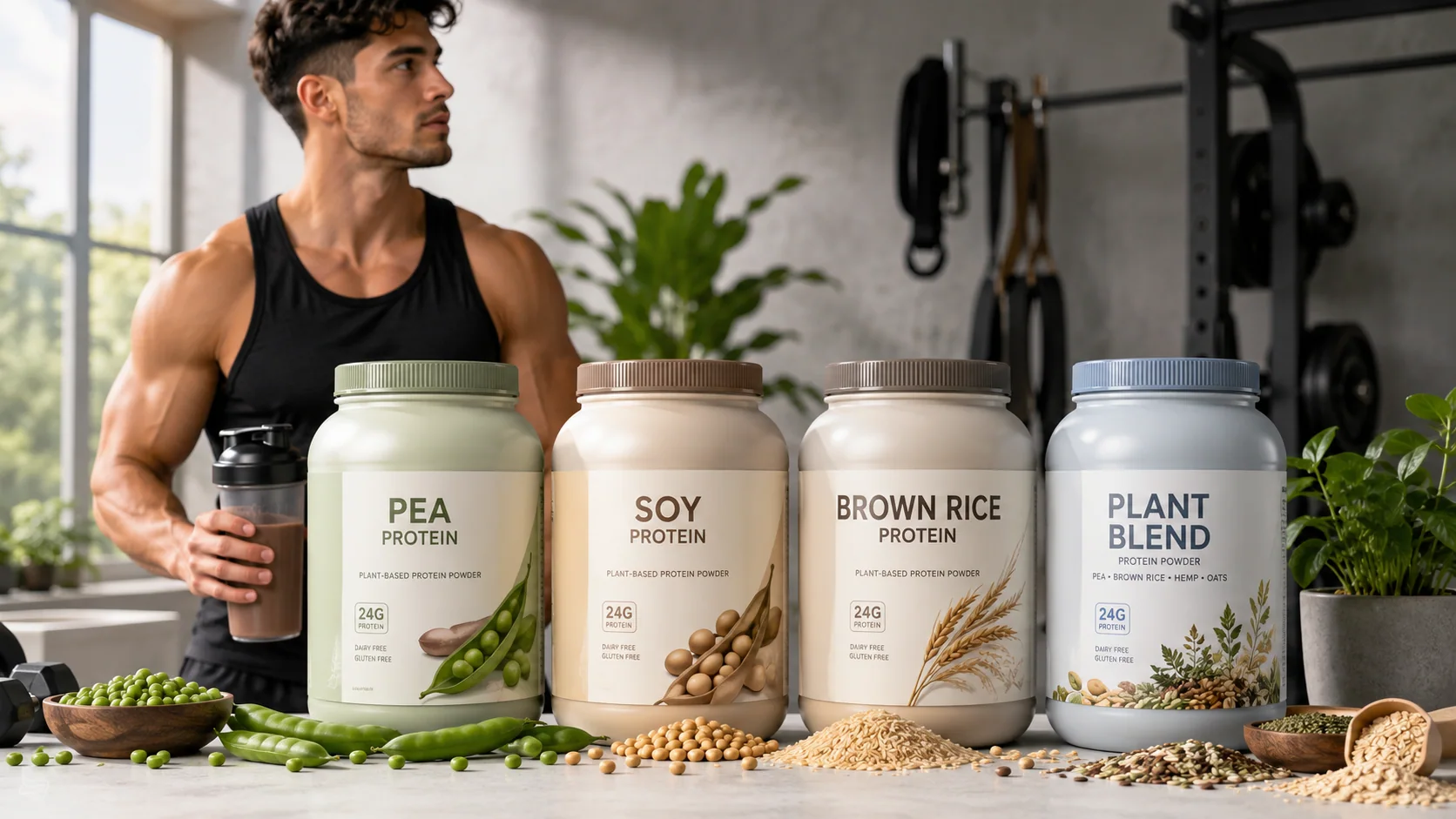
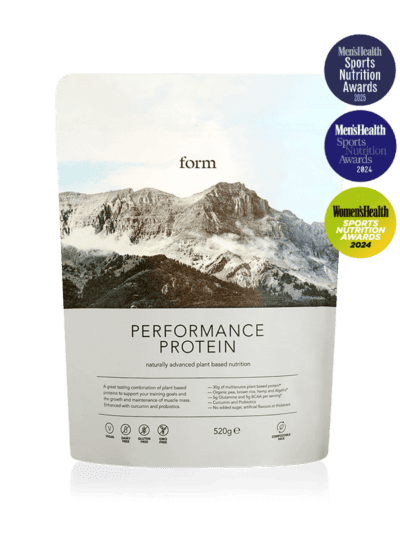
Vegan protein can build muscle effectively when total protein, essential amino acids and training are sufficient. Our pick is a pea-and-rice blend such as Form Performance Protein; soy isolate is the cheaper complete option. Plant servings may need to be slightly larger than whey servings to deliver comparable essential amino acids.
What the research shows
A 2015 study in the Journal of the International Society of Sports Nutrition compared pea protein directly against whey protein in a resistance training cohort over eight weeks. Both groups gained comparable muscle thickness, with the pea protein group performing no worse than the whey group on any muscle measure.
Subsequent research on soy protein and rice protein has produced similar findings when total protein intake is matched between groups. The recurring conclusion: protein source matters less than total daily protein intake when quality is adequate.
Live comparison
Vegan Protein products
FlavourSize (g)Size (ml)QtyServingsOfferTotal Per serving 50001167 £36.99 27.0g111£0.221 2500183 £20.99 27.0g111£0.253 1000133 £11.99 27.0g111£0.363 |
FlavourSize (g)Size (ml)QtyServingsOfferTotal Per serving 50001167 £40.99 25.8g121£0.245 2500183 £22.99 25.8g121£0.277 1000133 £13.99 25.8g121£0.424 |
FlavourSize (g)Size (ml)QtyServingsOfferTotal Per serving 50001167 £38.99 24.0g102£0.233 30001100 £29.99 24.0g102£0.300 1000133 £13.49 24.2g102£0.409 |
FlavourSize (g)Size (ml)QtyServingsOfferTotal Per serving 50001167 £44.99 26.5g112£0.269 30001100 £27.99 26.5g112£0.280 1000133 £13.99 26.5g112£0.424 |
FlavourSize (g)Size (ml)QtyServingsOfferTotal Per serving 40001132 £47.99 26.0g113£0.364 2000166 £25.99 26.0g113£0.394 1000133 £13.99 26.0g113£0.424 |
FlavourSize (g)Size (ml)QtyServingsOfferTotal Per serving 40001133 £39.99 21.4g101£0.301 |
FlavourSize (g)Size (ml)QtyServingsOfferTotal Per serving 50001167 £59.99 25.0g107£0.359 2500183 £31.99 25.0g107£0.385 1000133 £13.99 25.0g107£0.424 |
FlavourSize (g)Size (ml)QtyServingsOfferTotal Per serving 2700190 £30.00 23.0g116£0.333 2880190 £30.00 21.0g118£0.333 900130 £14.99 23.0g116£0.500 |
FlavourSize (g)Size (ml)QtyServingsOfferTotal Per serving 50001167 £59.99 24.0g119£0.359 2500183 £31.49 24.0g119£0.379 1000133 £13.99 24.0g119£0.424 |
FlavourSize (g)Size (ml)QtyServingsOfferTotal Per serving 40001132 £47.99 24.0g122£0.364 2000166 £24.99 24.0g122£0.379 1000133 £13.99 24.0g122£0.424 |
FlavourSize (g)Size (ml)QtyServingsOfferTotal Per serving 50001167 £70.99 25.8g114£0.425 30001100 £46.99 25.8g114£0.470 1000133 £17.99 25.8g114£0.545 |
FlavourSize (g)Size (ml)QtyServingsOfferTotal Per serving 2500183 £33.99 24.0g112£0.410 1000133 £14.99 24.0g112£0.454 |
FlavourSize (g)Size (ml)QtyServingsOfferTotal Per serving 50001167 £72.99 24.9g118£0.437 30001100 £52.99 24.9g118£0.530 1000133 £17.99 24.9g118£0.545 |
FlavourSize (g)Size (ml)QtyServingsOfferTotal Per serving 50001166 £67.49 23.0g106£0.407 2500183 £35.49 23.0g106£0.428 1000133 £14.99 23.0g106£0.454 |
FlavourSize (g)Size (ml)QtyServingsOfferTotal Per serving 40001160 £61.49 21.0g91£0.384 2000180 £33.99 21.0g91£0.425 1000140 £18.49 21.0g91£0.462 |
FlavourSize (g)Size (ml)QtyServingsOfferTotal Per serving 40001132 £67.99 26.0g108£0.515 2000166 £37.49 26.0g108£0.568 1000133 £20.49 26.0g108£0.621 |
FlavourSize (g)Size (ml)QtyServingsOfferTotal Per serving 50001167 £48.99 14.4g104£0.293 30001100 £30.99 14.4g104£0.310 1000133 £14.49 14.4g104£0.439 |
FlavourSize (g)Size (ml)QtyServingsOfferTotal Per serving 50001167 £82.99 24.0g103£0.497 2500183 £45.99 24.0g103£0.554 1000133 £20.00 24.0g103£0.606 |
FlavourSize (g)Size (ml)QtyServingsOfferTotal Per serving 1000150 £9.80 8.6g60£0.196 500125 £7.75 8.6g60£0.310 |
FlavourSize (g)Size (ml)QtyServingsOfferTotal Per serving 50001143 £79.99 24.0g127£0.559 2500171 £42.99 24.0g127£0.605 1000129 £18.99 24.0g127£0.655 |
FlavourSize (g)Size (ml)QtyServingsOfferTotal Per serving 25018 £4.99 24.0g119£0.624 |
FlavourSize (g)Size (ml)QtyServingsOfferTotal Per serving 40001114 £82.49 28.0g124£0.724 2000157 £45.99 28.0g124£0.807 1000128 £24.79 28.0g124£0.885 |
FlavourSize (g)Size (ml)QtyServingsOfferTotal Per serving 50001167 £102.99 24.2g105£0.617 30001100 £63.99 24.2g105£0.640 2000167 £45.99 24.2g105£0.686 |
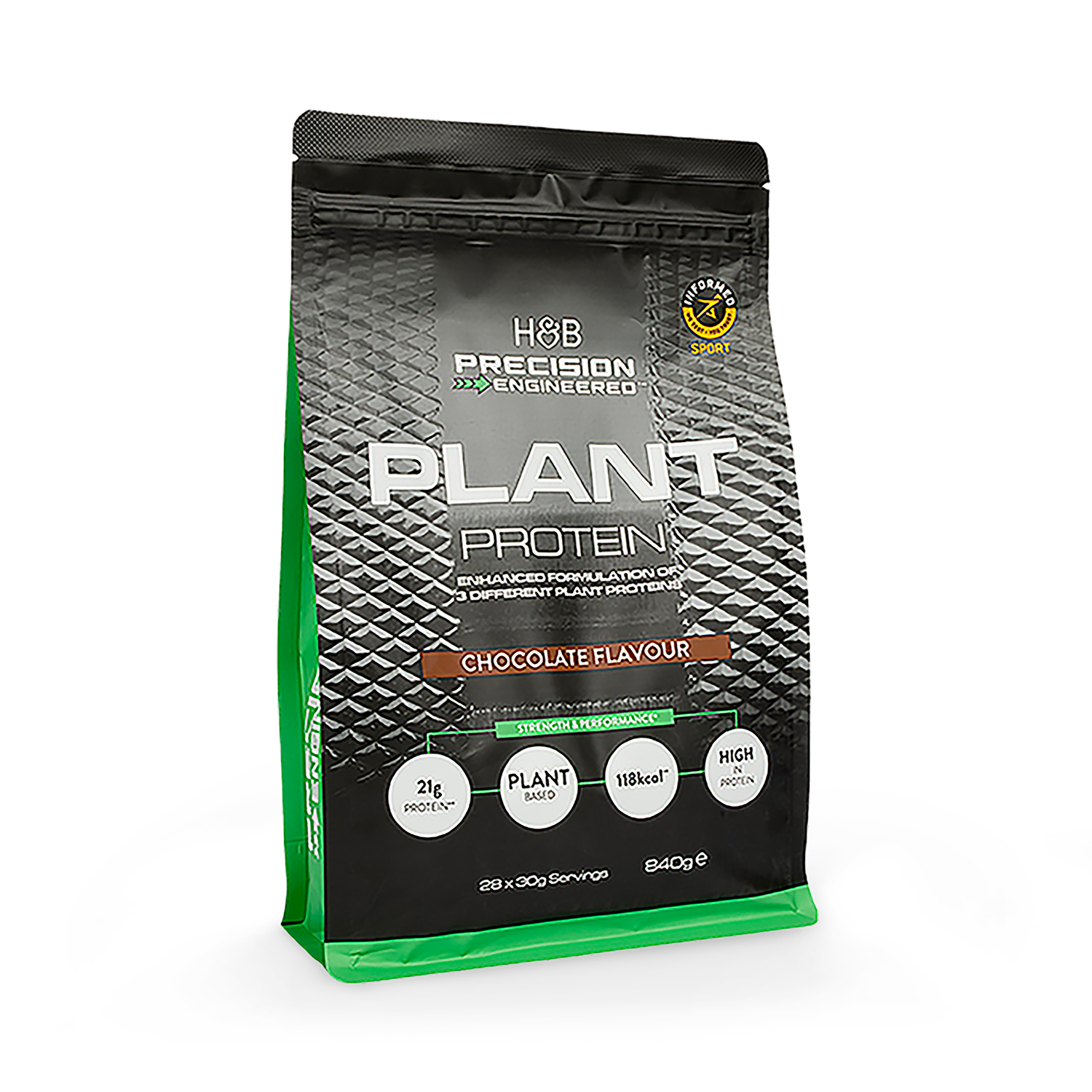
FlavourSize (g)Size (ml)QtyServingsOfferTotal Per serving 840128 £16.00 21.0g118£0.571 |
FlavourSize (g)Size (ml)QtyServingsOfferTotal Per serving 10001100 £24.99 9.0g39£0.250 250125 £9.99 9.0g39£0.400 |
FlavourSize (g)Size (ml)QtyServingsOfferTotal Per serving 1000150 £14.50 10.4g66£0.290 500125 £11.70 10.4g66£0.468 |
FlavourSize (g)Size (ml)QtyServingsOfferTotal Per serving 10001100 £24.99 8.0g41£0.250 250125 £9.99 8.0g41£0.400 |
FlavourSize (g)Size (ml)QtyServingsOfferTotal Per serving 270110 £7.50 20.1g110£0.750 |
FlavourSize (g)Size (ml)QtyServingsOfferTotal Per serving 2500183 £77.49 25.0g117£0.934 1000133 £32.49 25.0g117£0.985 5000133 £146.99 25.0g117£4.454 |
FlavourSize (g)Size (ml)QtyServingsOfferTotal Per serving 2000167 £55.99 21.0g128£0.836 900130 £29.99 21.0g128£1.000 |
FlavourSize (g)Size (ml)QtyServingsOfferTotal Per serving 1000140 £29.99 19.0g93£0.750 500120 £16.99 18.0g93£0.849 |
FlavourSize (g)Size (ml)QtyServingsOfferTotal Per serving 900129 £28.00 23.0g124£0.966 |
FlavourSize (g)Size (ml)QtyServingsOfferTotal Per serving 1000120 £13.99 17.0g174£0.700 500110 £7.99 17.0g174£0.799 |
FlavourSize (g)Size (ml)QtyServingsOfferTotal Per serving 2500142 £49.99 29.0g216£1.190 |
FlavourSize (g)Size (ml)QtyServingsOfferTotal Per serving 390114 £13.59 23.0g120£0.971 |
FlavourSize (g)Size (ml)QtyServingsOfferTotal Per serving 2267.96176 £86.00 25.0g115£1.132 1133.98138 £53.00 25.0g115£1.395 |
FlavourSize (g)Size (ml)QtyServingsOfferTotal Per serving 45033 £13.47 96.0g570£4.490 15013 £4.99 96.0g570£1.663 |
FlavourSize (g)Size (ml)QtyServingsOfferTotal Per serving 980128 £39.99 30.0g127£1.428 |
FlavourSize (g)Size (ml)QtyServingsOfferTotal Per serving 754126 £25.00 20.0g105£0.962 |
FlavourSize (g)Size (ml)QtyServingsOfferTotal Per serving 1530117 £33.90 40.0g400£1.994 |
FlavourSize (g)Size (ml)QtyServingsOfferTotal Per serving 2000166 £69.99 21.0g111£1.060 1000133 £39.99 21.0g111£1.212 500116 £21.99 21.0g111£1.374 |
FlavourSize (g)Size (ml)QtyServingsOfferTotal Per serving 2000266 £83.68 24.0g116£1.268 1000133 £44.99 24.0g116£1.363 |
FlavourSize (g)Size (ml)QtyServingsOfferTotal Per serving 40015 £6.49 25.0g322£1.298 |
FlavourSize (g)Size (ml)QtyServingsOfferTotal Per serving 908130 £34.99 21.8g104£1.166 |
FlavourSize (g)Size (ml)QtyServingsOfferTotal Per serving 1800155 £59.99 20.0g119£1.091 800124 £39.99 20.0g119£1.666 |
FlavourSize (g)Size (ml)QtyServingsOfferTotal Per serving 900130 £33.99 21.0g110£1.133 |
FlavourSize (g)Size (ml)QtyServingsOfferTotal Per serving 300110 £11.99 22.0g100£1.199 |
FlavourSize (g)Size (ml)QtyServingsOfferTotal Per serving 684120 £28.00 24.0g132£1.400 |
FlavourSize (g)Size (ml)QtyServingsOfferTotal Per serving 42016 £8.49 25.0g268£1.415 |
FlavourSize (g)Size (ml)QtyServingsOfferTotal Per serving 600120 £25.99 21.0g109£1.299 |
FlavourSize (g)Size (ml)QtyServingsOfferTotal Per serving 16816 £7.99 21.0g105£1.332 |
FlavourSize (g)Size (ml)QtyServingsOfferTotal Per serving 520113 £27.00 32.0g-£2.077 |
FlavourSize (g)Size (ml)QtyServingsOfferTotal Per serving 1000125 £39.99 24.2g143£1.600 |
FlavourSize (g)Size (ml)QtyServingsOfferTotal Per serving 300115 £10.00 10.0g72£0.667 10015 £4.00 10.0g72£0.800 |
FlavourSize (g)Size (ml)QtyServingsOfferTotal Per serving 520113 £27.00 30.0g149£2.077 |
FlavourSize (g)Size (ml)QtyServingsOfferTotal Per serving 1000112 £17.99 20.0g271£1.499 50016 £9.99 20.0g271£1.665 |
FlavourSize (g)Size (ml)QtyServingsOfferTotal Per serving 1000133 £54.00 21.0g115£1.636 500116 £30.00 21.0g115£1.875 |
FlavourSize (g)Size (ml)QtyServingsOfferTotal Per serving 520113 £33.00 31.0g148£2.538 |
FlavourSize (g)Size (ml)QtyServingsOfferTotal Per serving 3301212 £14.99 15.0g80£1.249 33044 £5.99 15.0g80£1.498 |
FlavourSize (g)Size (ml)QtyServingsOfferTotal Per serving 1746147 £93.57 23.1g132£1.991 582147 £31.19 7.7g44£0.664 |
FlavourSize (g)Size (ml)QtyServingsOfferTotal Per serving 697.4122 £38.00 20.0g120£1.727 719.4122 £38.00 20.0g130£1.727 671122 £38.00 20.0g120£1.727 |
FlavourSize (g)Size (ml)QtyServingsOfferTotal Per serving 1212 £26.00 22.0g-£2.167 77 £16.50 22.0g-£2.357 - £2.50 22.0g-- |
FlavourSize (g)Size (ml)QtyServingsOfferTotal Per serving 1200110 £31.99 32.0g523£3.199 |
FlavourSize (g)Size (ml)QtyServingsOfferTotal Per serving 520113 £27.00 20.0g133£2.077 |
FlavourSize (g)Size (ml)QtyServingsOfferTotal Per serving 317110 £23.00 20.0g120£2.300 327110 £23.00 20.0g130£2.300 305110 £23.00 20.0g120£2.300 |
FlavourSize (g)Size (ml)QtyServingsOfferTotal Per serving 50011 £6.95 60.0g439£6.950 |
FlavourSize (g)Size (ml)QtyServingsOfferTotal Per serving 600120 £52.00 22.0g110£2.600 |
FlavourSize (g)Size (ml)QtyServingsOfferTotal Per serving 235124 £14.95 5.0g35£0.623 |
FlavourSize (g)Size (ml)QtyServingsOfferTotal Per serving 352.8112 £31.00 20.0g110£2.583 |
FlavourSize (g)Size (ml)QtyServingsOfferTotal Per serving 300130 £33.00 7.4g38£1.100 |
FlavourSize (g)Size (ml)QtyServingsOfferTotal Per serving 54033 £6.75 3.6g290£2.250 18013 £2.39 3.6g290£0.797 |
FlavourSize (g)Size (ml)QtyServingsOfferTotal Per serving 300033 £65.97 --£21.990 10001- £21.99 --- |
FlavourSize (g)Size (ml)QtyServingsOfferTotal Per serving 1191130 £49.99 -150£1.666 |
FlavourSize (g)Size (ml)QtyServingsOfferTotal Per serving 1047130 £49.99 -150£1.666 |
FlavourSize (g)Size (ml)QtyServingsOfferTotal Per serving 10001- £13.99 --- 5001- £8.99 --- 2501- £5.99 --- |
FlavourSize (g)Size (ml)QtyServingsOfferTotal Per serving 1751- £9.00 --- |
FlavourSize (g)Size (ml)QtyServingsOfferTotal Per serving 2501- £15.00 --- |
FlavourSize (g)Size (ml)QtyServingsOfferTotal Per serving - £70.00 --- |
FlavourSize (g)Size (ml)QtyServingsOfferTotal Per serving 1701- £9.95 4.0g-- |
FlavourSize (g)Size (ml)QtyServingsOfferTotal Per serving 30 £19.95 0.0g16£0.665 |




















Why the older scepticism existed
The concern about plant protein for muscle building was grounded in two real limitations: incomplete amino acid profiles in single-source plant proteins, and lower leucine content compared to whey.
Both limitations are addressed by modern vegan protein blends. Pea and rice protein combined produce a complete essential amino acid profile. And leucine density, while slightly lower than whey, can be compensated for by using slightly larger servings, typically 30-35g rather than 25g, to ensure the leucine threshold for muscle protein synthesis is reached.
Leucine and the muscle protein synthesis threshold
Leucine is the amino acid most directly responsible for triggering the mTOR signalling pathway that initiates muscle protein synthesis. Research suggests a leucine dose of roughly 2-3g per meal is needed to maximally stimulate this pathway.
Whey protein delivers approximately 2.5g of leucine in a 25g serving. A 30g serving of a pea and rice blend delivers approximately 2.4-2.6g depending on the formulation. The gap is small and easily closed by adjusting serving size.
Community perspective
What others are saying
Watch what buyers found
Hands-on opinions
Whey vs Plant Protein: Is One Better Than The Other? | Nutritionist Explains | Myprotein
Myprotein
A topic-specific video selected for additional practical context on Vegan Protein for Muscle Building: Best Options Compared for 2026.
How much vegan protein you need
Because of the slightly lower digestibility of plant proteins compared to whey, vegan athletes may benefit from targeting the higher end of the protein intake range: 1.8-2.2g per kg of bodyweight per day for muscle building.
This is not dramatically higher than the standard recommendation. The key is distributing intake across multiple meals to ensure each meal contains sufficient leucine to stimulate muscle protein synthesis rather than loading protein into one or two large sittings.

Cheapest Vegan Protein
Soy Protein Isolate Powder – 90% Protein
Pure Source Nutrition · 500g
Pros
- Soy is a complete dairy-free protein containing all nine essential amino acids
- 39.7% below the £2.65/100g average across 64 comparable /compare listings
Practical tips for muscle building on vegan protein
Choose a pea and rice blend or a soy protein isolate as your primary supplement. These have the strongest research backing and closest amino acid profiles to whey.
Use a serving size of 30-35g rather than the standard 25g to compensate for lower leucine density and digestibility.
Supplement with creatine monohydrate. Vegans tend to have lower baseline muscle creatine stores than omnivores because creatine is found primarily in meat. Supplementation produces meaningful performance and recovery benefits.
Prioritise whole food protein sources alongside supplementation, lentils, tofu, edamame, tempeh and seitan are high-protein plant foods that complement a vegan protein powder.
References
Sources and further reading
- 01Morton et al. — protein supplementation and resistance training
Systematic review and meta-analysis informing the emphasis on total protein and resistance training.
Frequently asked questions
Do vegan bodybuilders use whey protein?+
No. Vegan bodybuilders use plant-based protein powders, typically pea and rice blends or soy isolate, and achieve comparable results to non-vegan athletes when protein intake and training are matched.
Is vegan protein powder suitable for beginners?+
Yes. Beginners respond well to any form of adequate protein alongside resistance training. Vegan protein powder is as effective a starting point as whey for someone new to supplementation.
Should vegans take more protein than omnivores?+
Slightly more is often recommended to compensate for lower digestibility of plant proteins. Targeting the upper range of 1.8-2.2g per kg of bodyweight provides a reasonable buffer without overcomplicating intake.