
Quick answer
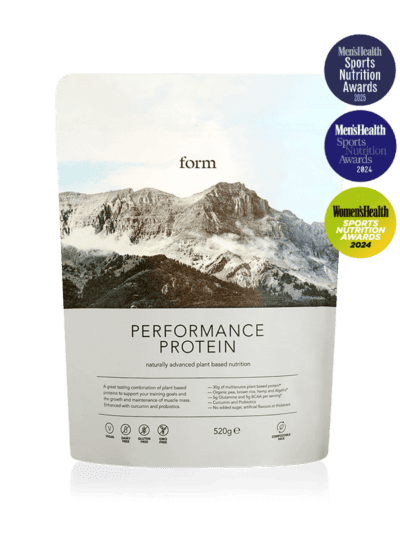
Form Performance Protein is our best complete vegan blend; Bulk Vegan Protein is our value pick; soy isolate is the cheapest serious option when you tolerate its flavour. Form wins on formulation and texture, but Bulk should win the purchase when it is over 15% cheaper per gram of protein. Avoid single-source powders chosen only because the front label looks clean. A pea-and-rice blend gives a more balanced amino-acid profile, while soy isolate is already complete. Buy a small pouch first: plant texture varies far more than the nutrition table suggests.
Best vegan protein powder UK (2026)
Our top vegan picks right now, by need. All are dairy free with a complete or near-complete amino acid profile. Prices move weekly, so use the live link for today's cost per 25g of protein.
| Best for | Product | Protein per 100g | Live prices |
|---|---|---|---|
| Best value | Bulk Vegan Protein Pros
Cons
| 69g | Compare |
| Best taste | Protein Works Vegan 360 Pros
| 81g | Compare |
| Highest protein, low carb | Bulk Clear Vegan Protein Pros
Cons
| 80g | Compare |
| Budget single-source | Myprotein Pea Protein Isolate | 76g | Compare |


Live comparison
Vegan Protein products
FlavourSize (g)Size (ml)QtyServingsOfferTotal Per serving 50001167 £36.99 27.0g111£0.221 2500183 £20.99 27.0g111£0.253 1000133 £11.99 27.0g111£0.363 |
FlavourSize (g)Size (ml)QtyServingsOfferTotal Per serving 50001167 £40.99 25.8g121£0.245 2500183 £22.99 25.8g121£0.277 1000133 £13.99 25.8g121£0.424 |
FlavourSize (g)Size (ml)QtyServingsOfferTotal Per serving 50001167 £38.99 24.0g102£0.233 30001100 £29.99 24.0g102£0.300 1000133 £13.49 24.2g102£0.409 |
FlavourSize (g)Size (ml)QtyServingsOfferTotal Per serving 50001167 £44.99 26.5g112£0.269 30001100 £27.99 26.5g112£0.280 1000133 £13.99 26.5g112£0.424 |
FlavourSize (g)Size (ml)QtyServingsOfferTotal Per serving 40001132 £47.99 26.0g113£0.364 2000166 £25.99 26.0g113£0.394 1000133 £13.99 26.0g113£0.424 |
FlavourSize (g)Size (ml)QtyServingsOfferTotal Per serving 40001133 £39.99 21.4g101£0.301 |
FlavourSize (g)Size (ml)QtyServingsOfferTotal Per serving 50001167 £59.99 25.0g107£0.359 2500183 £31.99 25.0g107£0.385 1000133 £13.99 25.0g107£0.424 |
FlavourSize (g)Size (ml)QtyServingsOfferTotal Per serving 2700190 £30.00 23.0g116£0.333 2880190 £30.00 21.0g118£0.333 900130 £14.99 23.0g116£0.500 |
FlavourSize (g)Size (ml)QtyServingsOfferTotal Per serving 50001167 £59.99 24.0g119£0.359 2500183 £31.49 24.0g119£0.379 1000133 £13.99 24.0g119£0.424 |
FlavourSize (g)Size (ml)QtyServingsOfferTotal Per serving 40001132 £47.99 24.0g122£0.364 2000166 £24.99 24.0g122£0.379 1000133 £13.99 24.0g122£0.424 |
FlavourSize (g)Size (ml)QtyServingsOfferTotal Per serving 50001167 £70.99 25.8g114£0.425 30001100 £46.99 25.8g114£0.470 1000133 £17.99 25.8g114£0.545 |
FlavourSize (g)Size (ml)QtyServingsOfferTotal Per serving 2500183 £33.99 24.0g112£0.410 1000133 £14.99 24.0g112£0.454 |
FlavourSize (g)Size (ml)QtyServingsOfferTotal Per serving 50001167 £72.99 24.9g118£0.437 30001100 £52.99 24.9g118£0.530 1000133 £17.99 24.9g118£0.545 |
FlavourSize (g)Size (ml)QtyServingsOfferTotal Per serving 50001166 £67.49 23.0g106£0.407 2500183 £35.49 23.0g106£0.428 1000133 £14.99 23.0g106£0.454 |
FlavourSize (g)Size (ml)QtyServingsOfferTotal Per serving 40001160 £61.49 21.0g91£0.384 2000180 £33.99 21.0g91£0.425 1000140 £18.49 21.0g91£0.462 |
FlavourSize (g)Size (ml)QtyServingsOfferTotal Per serving 40001132 £67.99 26.0g108£0.515 2000166 £37.49 26.0g108£0.568 1000133 £20.49 26.0g108£0.621 |
FlavourSize (g)Size (ml)QtyServingsOfferTotal Per serving 50001167 £48.99 14.4g104£0.293 30001100 £30.99 14.4g104£0.310 1000133 £14.49 14.4g104£0.439 |
FlavourSize (g)Size (ml)QtyServingsOfferTotal Per serving 50001167 £82.99 24.0g103£0.497 2500183 £45.99 24.0g103£0.554 1000133 £20.00 24.0g103£0.606 |
FlavourSize (g)Size (ml)QtyServingsOfferTotal Per serving 1000150 £9.80 8.6g60£0.196 500125 £7.75 8.6g60£0.310 |
FlavourSize (g)Size (ml)QtyServingsOfferTotal Per serving 50001143 £79.99 24.0g127£0.559 2500171 £42.99 24.0g127£0.605 1000129 £18.99 24.0g127£0.655 |
FlavourSize (g)Size (ml)QtyServingsOfferTotal Per serving 25018 £4.99 24.0g119£0.624 |
FlavourSize (g)Size (ml)QtyServingsOfferTotal Per serving 40001114 £82.49 28.0g124£0.724 2000157 £45.99 28.0g124£0.807 1000128 £24.79 28.0g124£0.885 |
FlavourSize (g)Size (ml)QtyServingsOfferTotal Per serving 50001167 £102.99 24.2g105£0.617 30001100 £63.99 24.2g105£0.640 2000167 £45.99 24.2g105£0.686 |
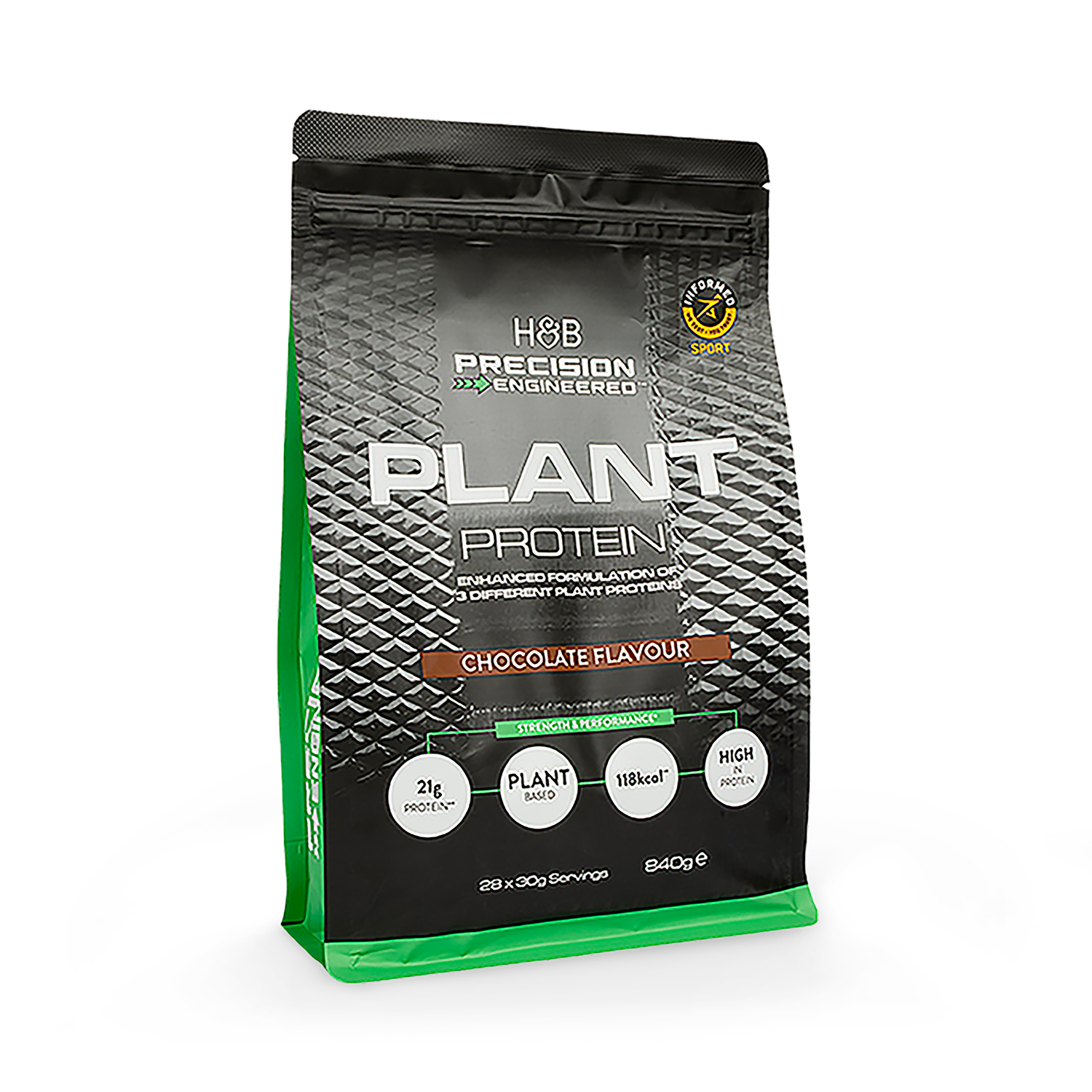
FlavourSize (g)Size (ml)QtyServingsOfferTotal Per serving 840128 £16.00 21.0g118£0.571 |
FlavourSize (g)Size (ml)QtyServingsOfferTotal Per serving 10001100 £24.99 9.0g39£0.250 250125 £9.99 9.0g39£0.400 |
FlavourSize (g)Size (ml)QtyServingsOfferTotal Per serving 1000150 £14.50 10.4g66£0.290 500125 £11.70 10.4g66£0.468 |
FlavourSize (g)Size (ml)QtyServingsOfferTotal Per serving 10001100 £24.99 8.0g41£0.250 250125 £9.99 8.0g41£0.400 |
FlavourSize (g)Size (ml)QtyServingsOfferTotal Per serving 270110 £7.50 20.1g110£0.750 |
FlavourSize (g)Size (ml)QtyServingsOfferTotal Per serving 2500183 £77.49 25.0g117£0.934 1000133 £32.49 25.0g117£0.985 5000133 £146.99 25.0g117£4.454 |
FlavourSize (g)Size (ml)QtyServingsOfferTotal Per serving 2000167 £55.99 21.0g128£0.836 900130 £29.99 21.0g128£1.000 |
FlavourSize (g)Size (ml)QtyServingsOfferTotal Per serving 1000140 £29.99 19.0g93£0.750 500120 £16.99 18.0g93£0.849 |
FlavourSize (g)Size (ml)QtyServingsOfferTotal Per serving 900129 £28.00 23.0g124£0.966 |
FlavourSize (g)Size (ml)QtyServingsOfferTotal Per serving 1000120 £13.99 17.0g174£0.700 500110 £7.99 17.0g174£0.799 |
FlavourSize (g)Size (ml)QtyServingsOfferTotal Per serving 2500142 £49.99 29.0g216£1.190 |
FlavourSize (g)Size (ml)QtyServingsOfferTotal Per serving 390114 £13.59 23.0g120£0.971 |
FlavourSize (g)Size (ml)QtyServingsOfferTotal Per serving 2267.96176 £86.00 25.0g115£1.132 1133.98138 £53.00 25.0g115£1.395 |
FlavourSize (g)Size (ml)QtyServingsOfferTotal Per serving 45033 £13.47 96.0g570£4.490 15013 £4.99 96.0g570£1.663 |
FlavourSize (g)Size (ml)QtyServingsOfferTotal Per serving 980128 £39.99 30.0g127£1.428 |
FlavourSize (g)Size (ml)QtyServingsOfferTotal Per serving 754126 £25.00 20.0g105£0.962 |
FlavourSize (g)Size (ml)QtyServingsOfferTotal Per serving 1530117 £33.90 40.0g400£1.994 |
FlavourSize (g)Size (ml)QtyServingsOfferTotal Per serving 2000166 £69.99 21.0g111£1.060 1000133 £39.99 21.0g111£1.212 500116 £21.99 21.0g111£1.374 |
FlavourSize (g)Size (ml)QtyServingsOfferTotal Per serving 2000266 £83.68 24.0g116£1.268 1000133 £44.99 24.0g116£1.363 |
FlavourSize (g)Size (ml)QtyServingsOfferTotal Per serving 40015 £6.49 25.0g322£1.298 |
FlavourSize (g)Size (ml)QtyServingsOfferTotal Per serving 908130 £34.99 21.8g104£1.166 |
FlavourSize (g)Size (ml)QtyServingsOfferTotal Per serving 1800155 £59.99 20.0g119£1.091 800124 £39.99 20.0g119£1.666 |
FlavourSize (g)Size (ml)QtyServingsOfferTotal Per serving 900130 £33.99 21.0g110£1.133 |
FlavourSize (g)Size (ml)QtyServingsOfferTotal Per serving 300110 £11.99 22.0g100£1.199 |
FlavourSize (g)Size (ml)QtyServingsOfferTotal Per serving 684120 £28.00 24.0g132£1.400 |
FlavourSize (g)Size (ml)QtyServingsOfferTotal Per serving 42016 £8.49 25.0g268£1.415 |
FlavourSize (g)Size (ml)QtyServingsOfferTotal Per serving 600120 £25.99 21.0g109£1.299 |
FlavourSize (g)Size (ml)QtyServingsOfferTotal Per serving 16816 £7.99 21.0g105£1.332 |
FlavourSize (g)Size (ml)QtyServingsOfferTotal Per serving 520113 £27.00 32.0g-£2.077 |
FlavourSize (g)Size (ml)QtyServingsOfferTotal Per serving 1000125 £39.99 24.2g143£1.600 |
FlavourSize (g)Size (ml)QtyServingsOfferTotal Per serving 300115 £10.00 10.0g72£0.667 10015 £4.00 10.0g72£0.800 |
FlavourSize (g)Size (ml)QtyServingsOfferTotal Per serving 520113 £27.00 30.0g149£2.077 |
FlavourSize (g)Size (ml)QtyServingsOfferTotal Per serving 1000112 £17.99 20.0g271£1.499 50016 £9.99 20.0g271£1.665 |
FlavourSize (g)Size (ml)QtyServingsOfferTotal Per serving 1000133 £54.00 21.0g115£1.636 500116 £30.00 21.0g115£1.875 |
FlavourSize (g)Size (ml)QtyServingsOfferTotal Per serving 520113 £33.00 31.0g148£2.538 |
FlavourSize (g)Size (ml)QtyServingsOfferTotal Per serving 3301212 £14.99 15.0g80£1.249 33044 £5.99 15.0g80£1.498 |
FlavourSize (g)Size (ml)QtyServingsOfferTotal Per serving 1746147 £93.57 23.1g132£1.991 582147 £31.19 7.7g44£0.664 |
FlavourSize (g)Size (ml)QtyServingsOfferTotal Per serving 697.4122 £38.00 20.0g120£1.727 719.4122 £38.00 20.0g130£1.727 671122 £38.00 20.0g120£1.727 |
FlavourSize (g)Size (ml)QtyServingsOfferTotal Per serving 1212 £26.00 22.0g-£2.167 77 £16.50 22.0g-£2.357 - £2.50 22.0g-- |
FlavourSize (g)Size (ml)QtyServingsOfferTotal Per serving 1200110 £31.99 32.0g523£3.199 |
FlavourSize (g)Size (ml)QtyServingsOfferTotal Per serving 520113 £27.00 20.0g133£2.077 |
FlavourSize (g)Size (ml)QtyServingsOfferTotal Per serving 317110 £23.00 20.0g120£2.300 327110 £23.00 20.0g130£2.300 305110 £23.00 20.0g120£2.300 |
FlavourSize (g)Size (ml)QtyServingsOfferTotal Per serving 50011 £6.95 60.0g439£6.950 |
FlavourSize (g)Size (ml)QtyServingsOfferTotal Per serving 600120 £52.00 22.0g110£2.600 |
FlavourSize (g)Size (ml)QtyServingsOfferTotal Per serving 235124 £14.95 5.0g35£0.623 |
FlavourSize (g)Size (ml)QtyServingsOfferTotal Per serving 352.8112 £31.00 20.0g110£2.583 |
FlavourSize (g)Size (ml)QtyServingsOfferTotal Per serving 300130 £33.00 7.4g38£1.100 |
FlavourSize (g)Size (ml)QtyServingsOfferTotal Per serving 54033 £6.75 3.6g290£2.250 18013 £2.39 3.6g290£0.797 |
FlavourSize (g)Size (ml)QtyServingsOfferTotal Per serving 300033 £65.97 --£21.990 10001- £21.99 --- |
FlavourSize (g)Size (ml)QtyServingsOfferTotal Per serving 1191130 £49.99 -150£1.666 |
FlavourSize (g)Size (ml)QtyServingsOfferTotal Per serving 1047130 £49.99 -150£1.666 |
FlavourSize (g)Size (ml)QtyServingsOfferTotal Per serving 10001- £13.99 --- 5001- £8.99 --- 2501- £5.99 --- |
FlavourSize (g)Size (ml)QtyServingsOfferTotal Per serving 1751- £9.00 --- |
FlavourSize (g)Size (ml)QtyServingsOfferTotal Per serving 2501- £15.00 --- |
FlavourSize (g)Size (ml)QtyServingsOfferTotal Per serving - £70.00 --- |
FlavourSize (g)Size (ml)QtyServingsOfferTotal Per serving 1701- £9.95 4.0g-- |
FlavourSize (g)Size (ml)QtyServingsOfferTotal Per serving 30 £19.95 0.0g16£0.665 |



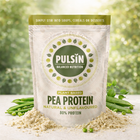
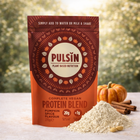


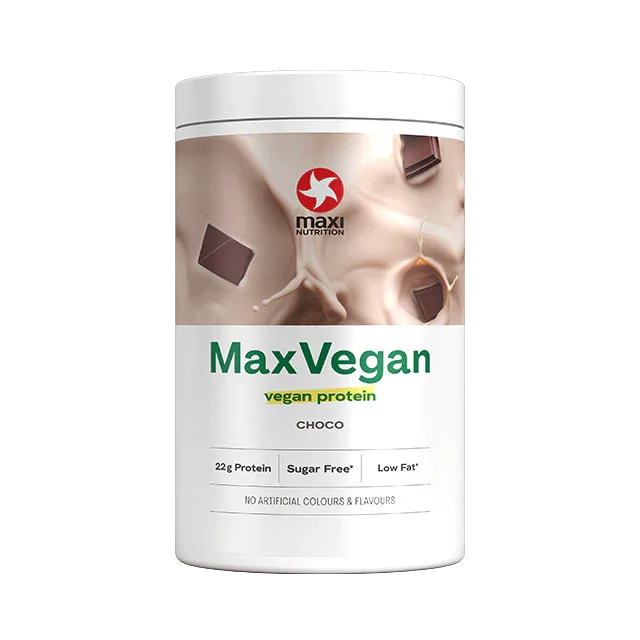

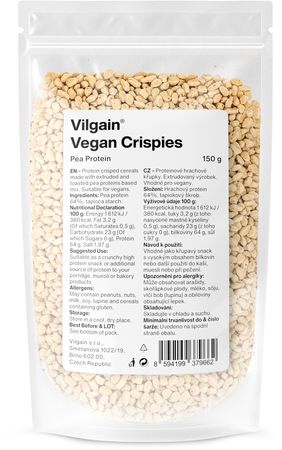














Best overall Vegan Protein
Soy Protein Isolate Powder – 90% Protein
Pure Source Nutrition · 500g
Pros
- Soy is a complete dairy-free protein containing all nine essential amino acids
- 39.7% below the £2.65/100g average across 64 comparable /compare listings
Why choose vegan protein powder?
The reasons people switch to plant based protein powder are straightforward. Lactose intolerance is the most common driver, with roughly 5 percent of the UK population carrying some degree of dairy sensitivity, and many more experiencing bloating or discomfort from whey without realising the cause. A vegan protein shake removes dairy from the equation entirely.
Ethical and environmental concerns are the second driver. Plant-based protein production uses significantly less water and land than dairy farming, so if you are already reducing animal products in your diet, switching your protein powder is one of the easier changes to make.
Then there is the practical side. Modern vegan blends using pea and rice protein together deliver a complete amino acid profile comparable to whey, so you are no longer making a meaningful sacrifice in protein quality. That gap has genuinely closed.
This is not just a product for vegans and vegetarians. Anyone who wants a dairy free protein powder, whether for gut comfort, skin issues, or personal preference, benefits from what plant-based protein offers in 2026.
What to look for in a vegan protein powder
Not all vegetarian protein powder is created equal. Here is what separates a good product from a mediocre one.
- 1
Protein per 100g. Aim for 70g or more of protein per 100g of powder. Some vegan protein powders are heavily padded with carbohydrates, fibre, or flavourings that bring the protein percentage down to 50-60g per 100g. That means you need a bigger serving to hit the same protein total, and your bag runs out faster. Always check the nutrition label rather than the front-of-pack marketing.
- 2
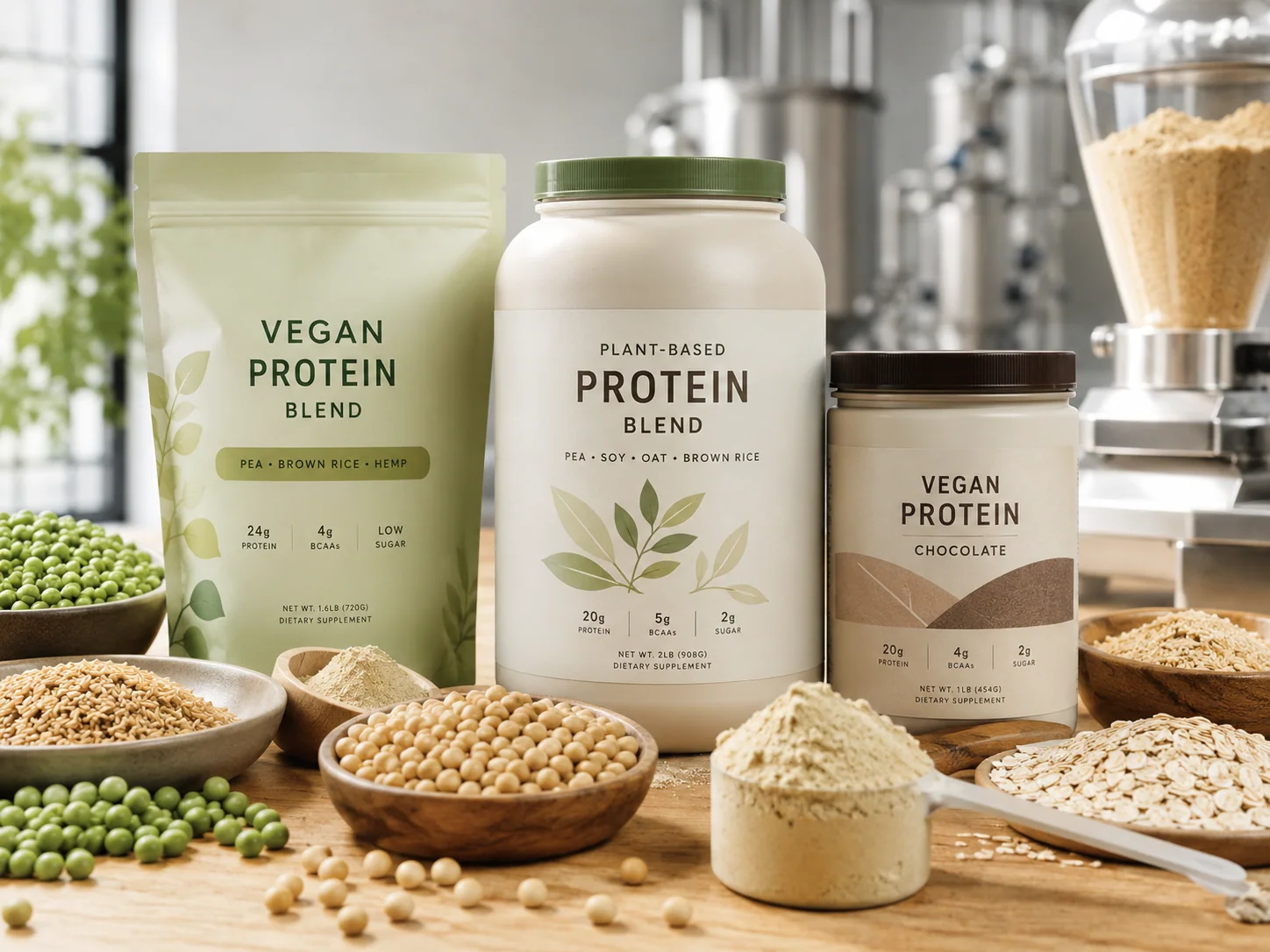
Multiple plant sources. Pea protein combined with rice protein is the gold standard blend. Pea protein is rich in lysine and BCAAs but low in methionine, and rice protein fills that gap. Together they create a complete amino acid profile that closely matches whey. Some brands add hemp, sunflower, or pumpkin seed protein for extra variety, but pea and rice is the foundation worth prioritising.
- 3
Complete amino acid profile. Single-source vegan proteins, whether pea only or soy only, can be limiting in one or more essential amino acids. A blended product solves this. If a brand does not list its amino acid breakdown, treat that as a red flag.
- 4
Taste and texture. Vegan protein has improved hugely, but some brands are still gritty or chalky, which is the biggest complaint people have when switching from whey. Chocolate and salted caramel flavours tend to mask any plant taste best. If you are sensitive to texture, look for brands using finer-milled protein isolates.
- 5
Sweetener type. Most vegan protein powders use either stevia or sucralose. Stevia is natural but can leave a bitter aftertaste, while sucralose tastes closer to sugar but is artificial. Neither is harmful at supplement doses, so it comes down to personal preference. Some brands offer unsweetened versions if you prefer to add your own flavouring.
Community perspective
What others are saying
Protein works vegan protein. Strawberries and cream. Add in cherries and/or berries for health on top.
u/Equivalent_Whole_423 in r/veganfitness
I prefer the clear protein powders, not a big fan of the shake type ones. I use Myprotein most often but protein works is good too... And on that note if you want a shake type one I actually like the protein works vegan protein extreme (I tried the chocolate bueno flavour) it has 130kcal, 3g carb and 28g protein per scoop)
u/wrain10 in r/veganuk
I'm using the Vegan Wondershake from Protein Works and it's great, salted caramel flavour is very good.
u/DrRickDaglessMZd in r/veganuk
Watch what buyers found
Hands-on opinions
✅Top 10 Best Vegan Protein Powder in 2026
10 Best Reviews
A topic-specific video selected for additional practical context on Best Vegan Protein Powder UK: A Smarter Buyer's Guide for 2026.
Best value vegan protein powders in the UK
Prices change weekly, so always check the live vegan protein price comparison before buying. That said, these brands consistently offer the best value for money.
- 1
Bulk Vegan Protein Powder. Bulk is one of the most reliable sources of cheap vegan protein powder in the UK. Its vegan blend uses pea and brown rice protein, delivers around 69g of protein per 100g, and is consistently priced below most competitors. Flavour options are limited compared to whey, but chocolate and strawberry are decent. If value is your priority, start here.
- 2
Myprotein Pea Protein Isolate. A budget single-source option that works well if you already supplement with varied protein sources elsewhere in your diet. At around 76g of protein per 100g, protein density is excellent. The downside is that pea protein alone is not a complete protein, since it is low in methionine. Taste is basic but inoffensive, and it is best bought during Myprotein's frequent sales.
- 3
Protein Works Vegan Wondershake. If taste is your main concern, this is the one to try. Protein Works has invested heavily in flavour development for its vegan range, using a blend of pea, brown rice, and hemp protein. Protein content is slightly lower per 100g than the budget options, but for people who have given up on vegan protein because of taste, this is the product that changes minds.
- 4
Prices across all these brands fluctuate depending on sales, bag size, and stock levels. The vegan protein comparison page tracks them all in real time so you can compare cost per 100g before buying.
Can vegan protein match whey for building muscle?
The honest answer is that whey still has a slight edge for muscle protein synthesis. It is absorbed faster, carries a higher leucine content per gram of protein, and has decades of research backing its effectiveness. If you are purely optimising for muscle growth with no dietary restrictions, whey remains the default recommendation.
But the gap is smaller than most people think. If you are hitting your total daily protein target, typically 1.6 to 2.2g per kg of bodyweight, the source of that protein matters far less than the total amount. A vegan protein shake after training still gives your muscles what they need to recover and grow.
Modern pea and rice protein blends carry a complete amino acid profile. They contain enough leucine to trigger muscle protein synthesis, and overall quality is far closer to whey than it was five years ago.
Multiple studies comparing plant and whey protein over 12 week training programmes have found no significant difference in muscle mass or strength gains when total protein intake was matched. The protein source matters less than consistency and total daily intake.
For a detailed breakdown of whey types, see the whey isolate vs concentrate comparison. If you are choosing between whey and vegan specifically for muscle building, whey has a marginal advantage, but vegan protein is more than good enough for the vast majority of people.
Common mistakes when buying vegan protein
These are the errors people make most often when switching to plant based protein powder.
- 1
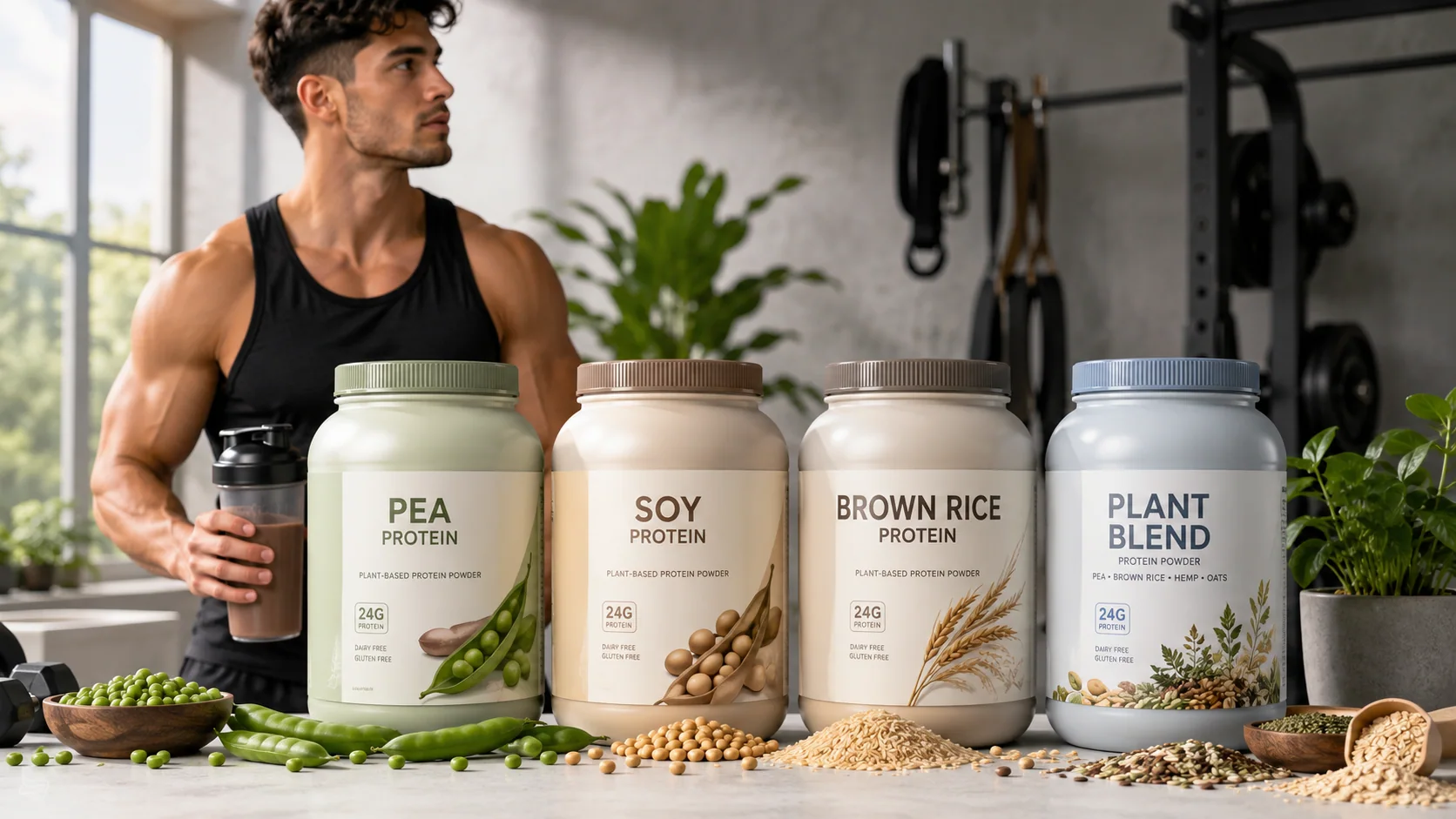
Buying single-source protein. A pea-only or soy-only protein powder is not a complete protein and will be low in at least one essential amino acid. Always look for a blend, pea plus rice at minimum. A single protein source means an incomplete amino acid profile unless you are supplementing from elsewhere in your diet.
- 2
Ignoring protein per 100g. Some vegan powders look cheap until you realise the protein content is only 55-60g per 100g. The rest is carbohydrates, fibre, and flavouring, so you end up needing a bigger scoop for the same protein and the bag runs out faster. Compare on a per-100g-of-protein basis, not bag price.
- 3
Expecting it to taste like whey. It will not. Vegan protein has a different texture and flavour profile. Some people love it, some tolerate it, some never adjust, and that is fine. Try chocolate or salted caramel first, since they tend to be the most palatable across brands. Do not judge all vegan protein by one bad experience with an unflavoured pea isolate.
- 4
Paying a premium for organic protein. Organic certification on protein powder often means lower protein content per 100g, because the processing is less aggressive. You end up paying more for less protein. Unless organic sourcing genuinely matters to you for ethical reasons, the conventional version of the same product is usually better value and higher in protein.
How to find the cheapest vegan protein in the UK
The cheapest vegan protein powder is not always the one with the lowest bag price. Comparing by cost per 25g of protein accounts for differences in bag size, serving size, and protein percentage. A £30 bag with 75g of protein per 100g can work out cheaper per serving than a £20 bag with 55g of protein per 100g.
ProteinDeals tracks vegan protein prices across 85+ UK retailers and normalises everything to cost per 100g so you can compare fairly. Check the vegan protein price comparison for today's cheapest options.
For active discount codes and promotional deals, visit the deals and discount codes page. Many vegan protein brands run frequent sales, and Myprotein in particular discounts its plant range heavily during payday sales and seasonal events.
Buying bigger bags almost always improves the per-serving price. A 2.5kg bag typically costs 15 to 25 percent less per 100g than a 1kg bag of the same product, so if you already know you like a product, buy the largest size available.
Whether you are looking for protein for vegetarians, a dairy free alternative, or simply the cheapest vegan protein shake available, the key is comparing on protein content and normalised cost, not marketing claims or bag size.
References
Sources and further reading
- 01ProteinDeals — live product comparison
Current product, nutrition and retailer data used for the article's buying context.
Frequently asked questions
What is the best vegan protein powder in the UK?+
For most people a pea and rice blend such as Bulk Vegan Protein is the best all-round choice: a complete amino acid profile at around 69g protein per 100g and consistently the cheapest mainstream option. Protein Works Vegan Protein 360 is the pick if taste matters most.
Is vegan protein as good as whey for building muscle?+
Almost. Whey has a slight edge on absorption speed and leucine content, but modern pea and rice blends have a complete amino acid profile and trigger muscle protein synthesis. When total daily protein is matched, studies find no significant difference in muscle or strength gains.
What is the cheapest vegan protein powder in the UK?+
It changes weekly, but Bulk Vegan Protein is usually the cheapest mainstream option, especially in larger bags. Compare by cost per 25g of protein rather than bag price, since protein density varies a lot between vegan powders.
Is pea protein a complete protein on its own?+
Not quite. Pea protein is high in lysine but low in methionine, so a pea-only powder is technically incomplete. Pairing it with rice protein fills the gap, which is why blended pea and rice powders are the recommended choice for vegans.