


Quick answer
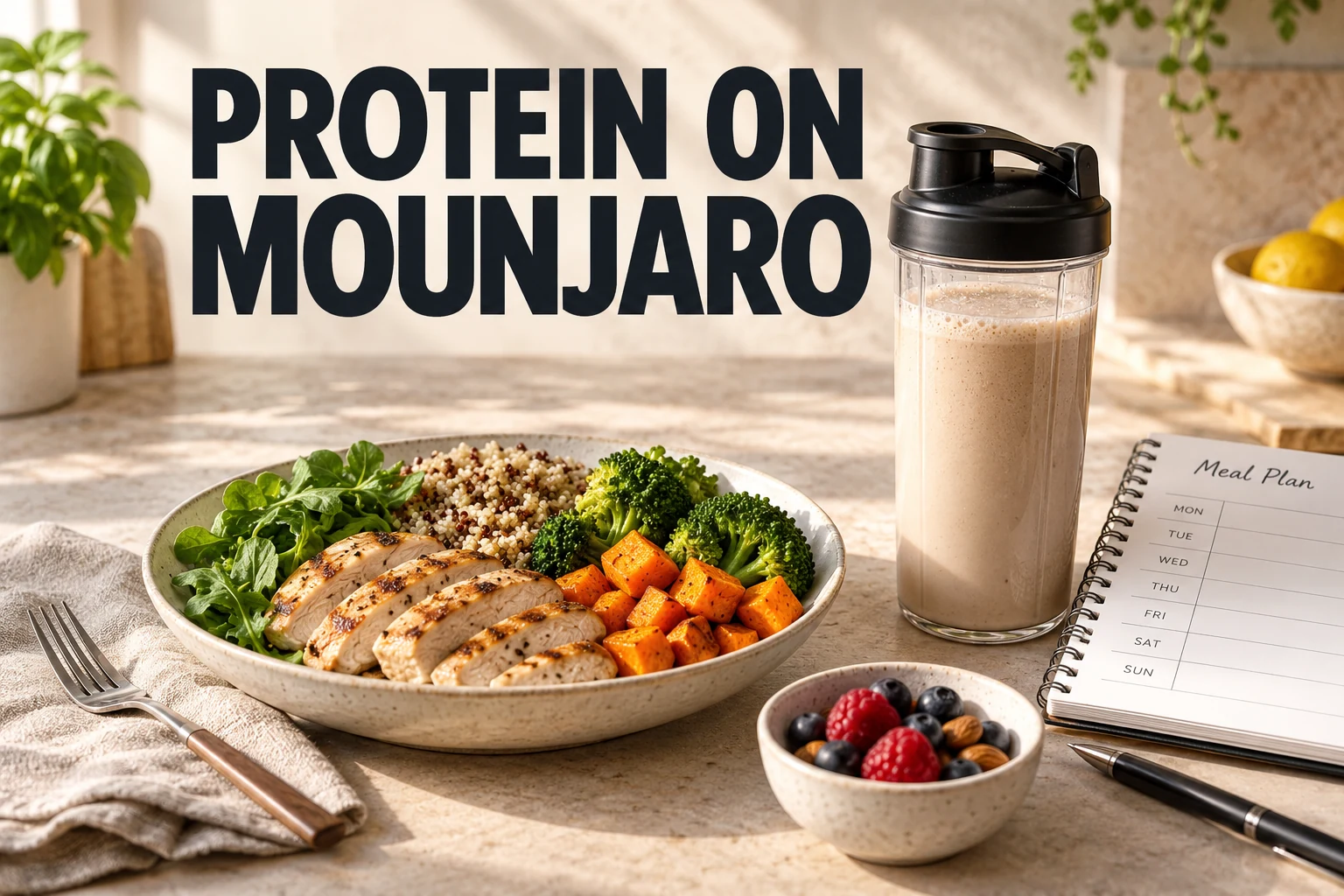
There is no universal Mounjaro meal plan or protein target. Build meals around tolerable protein-rich food, fibre, fluids and enough overall nutrition, then use a small protein shake only when appetite makes food insufficient. Applied Nutrition ISO-XP is our compact powder option; Bulk isolate is the value alternative. Do not threaten readers with an assumed prescription withdrawal rule or treat rapid loss as something to manage alone. Persistent vomiting, dehydration, inability to eat, severe abdominal pain or concerning weakness requires prompt advice from the prescribing service or urgent care as appropriate.
Why losing weight too fast can cost your prescription
NICE guidance for weight management interventions targets a sustained, clinically meaningful loss of 0.5 to 1 kg per week during active treatment. Mounjaro and Wegovy are designed to help you land inside that range, not accelerate past it. When users consistently drop 2 to 3 kg per week for multiple weeks on end, it usually signals inadequate intake rather than an exceptional response to the drug.
At your review appointment, your prescribing clinician looks for more than the number on the scale: stable energy levels, no unusual fatigue or muscle weakness, blood markers within normal ranges, and a healthy rate of loss. If any of these are off, especially combined with very low protein intake or skipping meals entirely, the clinician has a professional duty to pause or adjust your treatment. This is not punishment. It is safety, and exactly why they review you.
The safe weekly loss range on GLP-1
For most UK adults on Mounjaro or Wegovy, the healthy sustained loss range looks like this.
- 1
First 3 months: 0.5 to 1 kg per week is expected and welcomed by clinicians.
- 2
Months 3 to 6: 0.3 to 0.8 kg per week, as the easier initial losses slow.
- 3
Beyond 6 months: plateaus are normal. Weeks without loss are not failure.

When faster loss becomes a red flag
Consistent loss above 2 kg per week for three or more weeks running counts as a red flag, not a win. It usually means calories run dangerously low, protein is not being prioritised, or both. If your tracking shows this pattern, reach out to your prescriber before your next review rather than waiting for them to flag it.
Community perspective
What others are saying
If you find that Mounjaro gives you days of high suppression and days of much lower, then spread your calories over a week. The only supplements I take are the 2 vitamins I'm deficient in and I buy clear whey protein powder as this helps me keep my protein intake high enough.
u/DamsonRant3577 in r/mounjarouk
The nice thing about Mounjaro for me is that I don't have to track my calories or meals as Mounjaro looks after the appetite side. All I have to do is make sure I get enough protein, fibre and carbs esp around exercise.
u/No-Traffic8330 in r/mounjarouk
Watch what buyers found
Hands-on opinions
What is Mounjaro? How does it work? | Weight Loss Medication Explained
PrivateDoc
A topic-specific video selected for additional practical context on Mounjaro Diet Plan Protein UK: What the Evidence Says.
How much protein you actually need per day
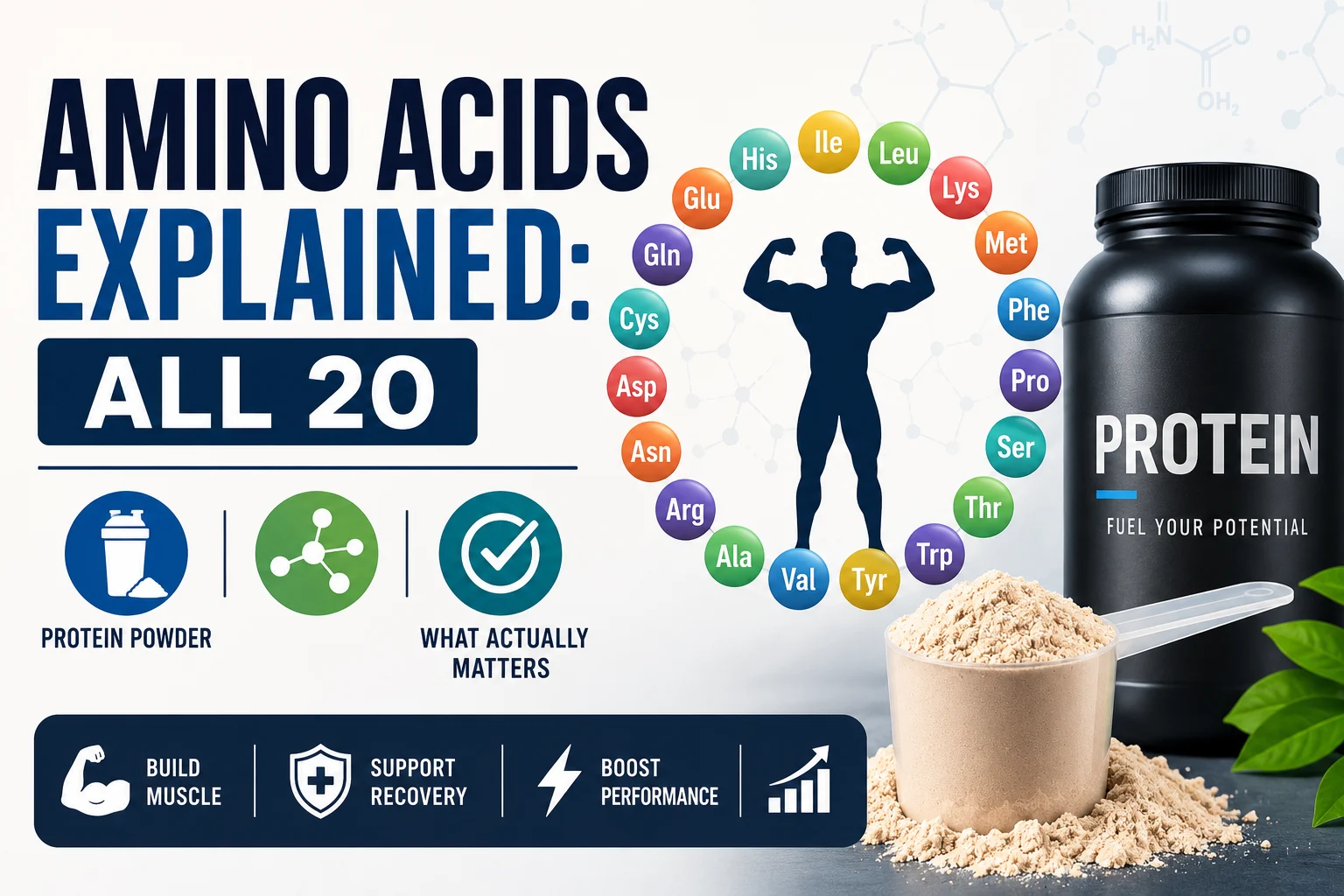
The NHS baseline for adult protein intake sits at 0.75g per kilogram of body weight per day. That is the minimum to prevent deficiency in a weight-stable person. When you are in an active calorie deficit on a GLP-1 drug, that number falls short of protecting your lean mass. The clinical literature consistently recommends 1.4 to 1.6g per kilogram of body weight during a deficit, with some research supporting up to 2g per kilogram for heavily active users.
A worked example for a 90 kg adult targeting weight loss on Mounjaro shows the gap clearly.
- 1
Baseline NHS intake: 90 x 0.75 = 68g per day. Too low on GLP-1.
- 2
GLP-1 target: 90 x 1.4 to 1.6 = 126 to 144g per day.
- 3
Active upper bound: 90 x 2 = 180g per day.

Cheapest Whey Protein
Diet Whey Protein Powder
Pure Source Nutrition · 1kg
A sample Mounjaro meal plan
Appetite on Mounjaro varies depending on where you sit in your dose cycle, so a rigid seven day plan tends to fail. Instead, here are three day type templates to rotate based on how hungry you feel. Adapt portion sizes to your own protein target and calorie budget.
Higher appetite day, around 130g protein total: Greek yogurt with mixed berries and a scoop of whey isolate for breakfast (roughly 35g), grilled chicken breast with quinoa and roasted vegetables for lunch (roughly 40g), cottage cheese with sliced apple in the afternoon (roughly 20g), and baked salmon with sweet potato and steamed greens for dinner (roughly 35g).
Low appetite day, around 130g protein achieved without forcing large solid meals: high-protein overnight oats with a scoop of whey for breakfast (roughly 30g), a clear whey protein drink mid-morning (roughly 20g), a small tuna wrap for lunch (roughly 25g), a protein shake in the afternoon (roughly 25g), and scrambled eggs with smoked salmon for dinner (roughly 30g).
Balanced day, around 125g protein: a two-egg omelette with spinach and feta for breakfast (roughly 25g), chicken and butter-bean salad for lunch (roughly 35g), a protein shake plus a handful of almonds in the afternoon (roughly 25g), and turkey mince chilli for dinner (roughly 40g).
How to track intake without burning out
Tracking every gram forever is not sustainable and probably unnecessary. What matters is staying accurate enough to show your clinician at reviews that you are hitting your protein target consistently.
- 1
MyFitnessPal (free): the UK standard, with a database covering most UK supermarket brands. Use it daily for the first 4 to 6 weeks to calibrate your eye, then drop to spot-tracking.
- 2
Macrofactor (paid, around £10 per month): better at tracking your actual TDEE and adjusting targets as weight drops. Preferred by serious trackers.
- 3
Paper diary: fine if you eat a repetitive weekly rotation. Write down each protein source and rough grams. Low effort, still useful at reviews.

What to measure instead of daily weight
Weigh yourself once a week, not daily. Daily weight is mostly water weight noise, and that noise creates anxiety. Take a progress photo monthly instead. Those two metrics plus a protein intake average are what a sensible clinician wants to see when reviewing your dose.
Where protein powders fit (and where they do not)
Protein powders are not magic and they do not substitute for whole food. But they solve a very specific GLP-1 problem. When appetite bottoms out, getting 40g of protein from a chicken breast feels impossible, while 30g of whey isolate mixed with water or milk goes down in minutes. That is the gap a good powder fills, and the reason clinicians often recommend them to GLP-1 users.
For a broader product round-up framed around muscle preservation on GLP-1, read our companion guide: Best Protein Powder for Mounjaro and GLP-1 Users UK.
Powders do not replace whole food for fibre, micronutrients, satiety, or the simple ritual of sitting down to eat. On days you can eat, eat. Use shakes as a backstop, not a default.
Red flags to raise with your prescriber
Bring any of these up at your next appointment or sooner.
- 1
Unusual fatigue that does not improve with rest.
- 2
Hair thinning or increased shedding.
- 3
Feeling cold more than usual, a classic sign of very low calorie intake.
- 4
Weakness climbing stairs or carrying shopping.
- 5
Losing more than 2 kg per week for three weeks in a row.
- 6
Inability to eat more than one small meal per day for multiple days running.
What your prescriber can do
Your prescribing clinician can help you adjust, step down, or pause treatment. None of these is a reason for shame. They are clinical data, and sharing them early is what keeps your prescription on track.
How do vegans hit protein targets on Mounjaro?
The target stays the same, 1.4 to 1.6g per kilogram of body weight, but it needs spreading across more meals and supplementing strategically. Pea-rice vegan blends like Form Performance Protein or Bulk Vegan Protein deliver roughly 20 to 25g per serving. Two servings a day plus legumes, tofu, and pulses typically hits target.
Does protein timing matter on injection day?
No. Protein does not interact with tirzepatide or semaglutide. Timing depends on your appetite, not the drug. Most users find they can tolerate liquid protein on injection day even when solid food feels difficult.
Is creatine safe alongside Mounjaro?
If you are resistance training on Mounjaro, 3 to 5g of creatine monohydrate a day is well evidenced for preserving strength during a deficit. Check with your prescriber if you have kidney concerns, but for most users it remains safe.
What if you cannot eat enough some days?
If you cannot consistently eat at least one meal plus a shake per day, speak to your prescriber. You may need a dose adjustment or a different anti-emetic. Severely restricted intake on GLP-1 is the most common trigger for clinicians to pause or reduce dose.
References
Sources and further reading
- 01NICE — tirzepatide for managing overweight and obesity
UK clinical guidance; individual treatment and nutrition decisions remain with the prescribing service.