
Quick answer
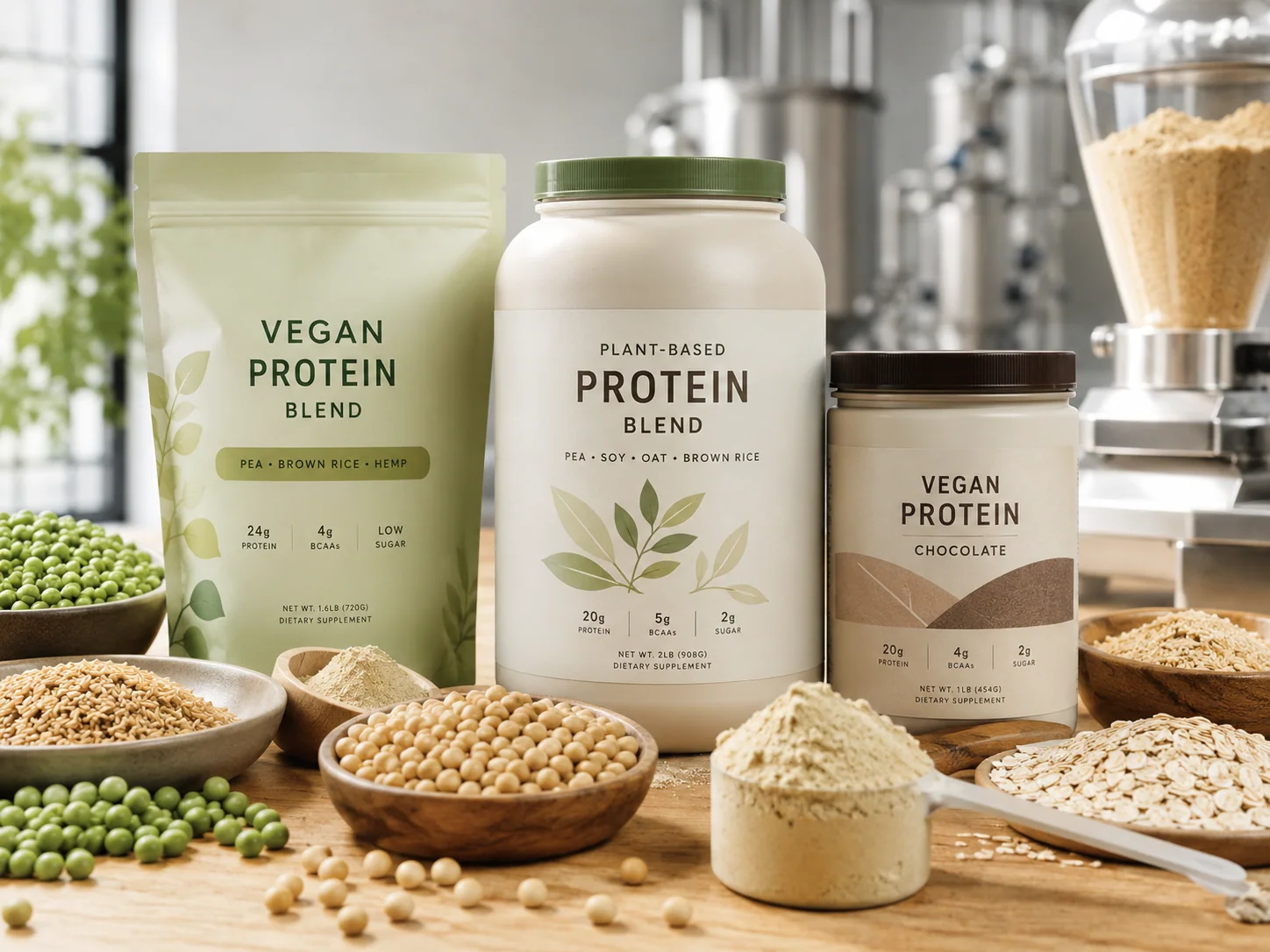
Vegan protein is made by milling and separating protein from crops such as peas, soy or rice, then drying and blending the concentrated fraction. Processing level does not decide quality alone. We favour pea-and-rice blends for balance, soy isolate for budget completeness, and live cost per 1g protein for value.
Starting with the raw plant
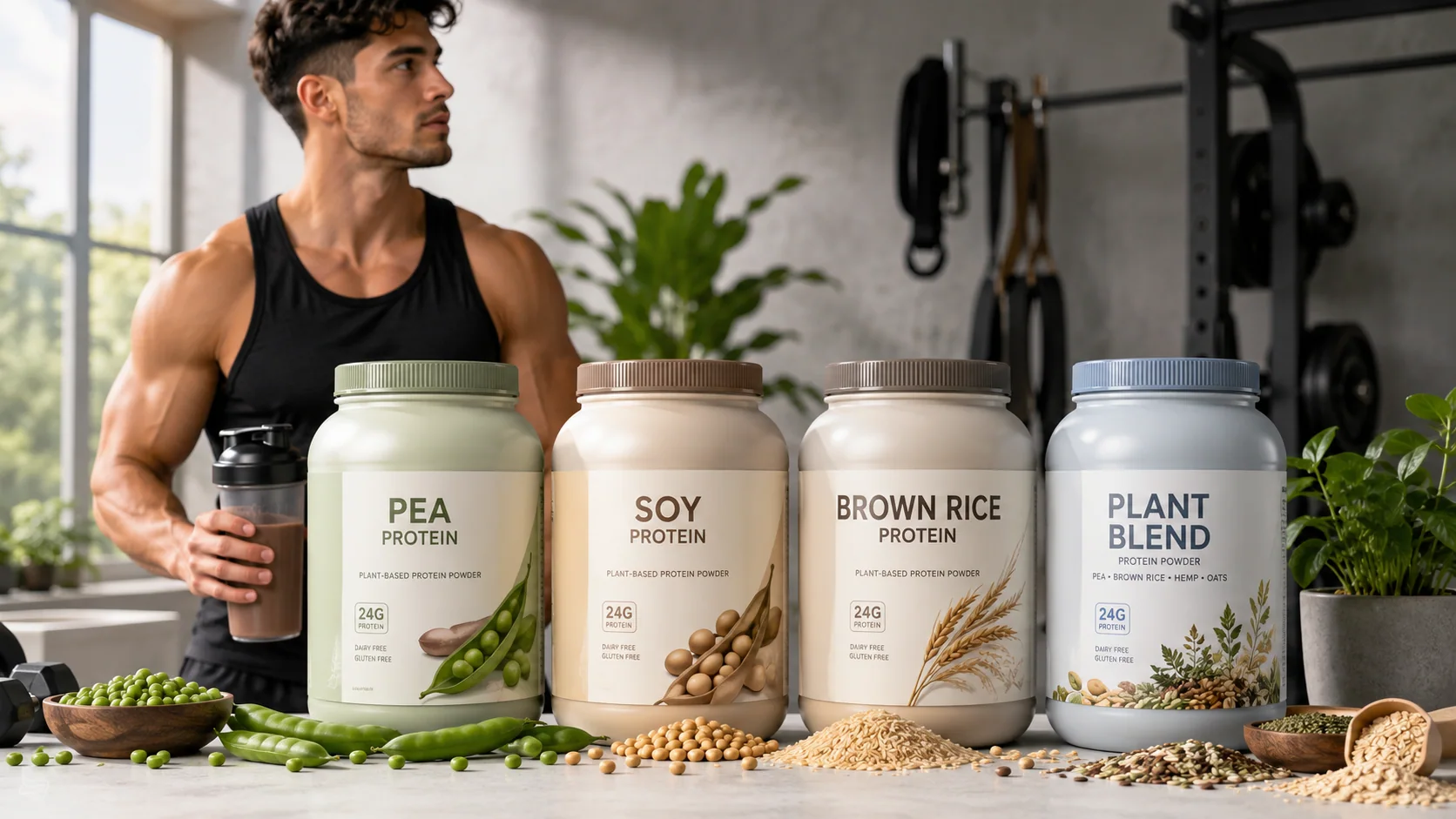
Every vegan protein powder starts with a protein-rich plant source. For pea protein, this is yellow split peas. For soy protein, soybeans. For rice protein, brown rice. The specific variety and growing conditions affect the protein content and amino acid profile of the raw material before processing even begins.
The raw crop is first cleaned, dehulled where necessary, and milled into a flour or paste. At this stage, the material contains protein alongside starch, fibre, fat, and water, all of which need to be separated.
How pea protein is extracted
Pea protein production uses a wet process. The milled pea flour is mixed with water, and the pH is adjusted to dissolve the proteins into solution while leaving most of the starch and fibre behind. The protein-rich liquid is then separated, and the pH is shifted again to cause the protein to precipitate out of solution.
The precipitated protein is collected, washed to remove remaining impurities, and spray-dried into a fine powder. The result is a protein concentrate typically at 80-85% purity, or an isolate at 85-90% purity with further processing.
How soy protein is extracted
Soy protein production involves an additional step compared to pea: the soybeans must be defatted first, since soy has a significantly higher fat content than peas. Solvent extraction using hexane is the industrial standard method, though some producers use expeller pressing or aqueous extraction as alternatives.
After defatting, the protein is separated from the carbohydrates using a similar isoelectric precipitation process to pea protein. Soy protein concentrate retains more carbohydrates; soy protein isolate, at 90%+ protein, undergoes further processing to remove them. Most protein powder products use the isolate form.
Community perspective
What others are saying
Watch what buyers found
Hands-on opinions
Which Is The Best Vegan Protein Powder For Gaining Muscle? | Nutritionist explains... | Myprotein
Myprotein
A topic-specific video selected for additional practical context on How is Vegan Protein Made: Top Picks, Prices and What to Buy.
How rice protein is extracted
Rice protein extraction uses enzymatic processing. Brown rice is treated with enzymes, typically protease and amylase, that break down the starch into sugars while leaving the protein intact. The remaining protein is then separated, washed and dried.
Rice protein is naturally hypoallergenic and relatively neutral in flavour, which makes it a useful blending partner for pea protein. Alone it is low in lysine; blended with pea it forms a complete amino acid profile.

Cheapest Vegan Protein
Soy Protein Isolate Powder – 90% Protein
Pure Source Nutrition · 500g
Pros
- Soy is a complete dairy-free protein containing all nine essential amino acids
- Current tracked price is £7.99 for 500g (£1.60/100g)
What happens after extraction
Once the raw protein powder is produced, manufacturers blend in flavourings, sweeteners, emulsifiers and any additional ingredients. Lecithin, typically from sunflower for vegan products, is commonly added to improve mixability.
The finished powder is tested for protein content, microbial safety and contaminants before packaging. Third-party batch testing is important for quality assurance; reputable brands publish certificates of analysis or use independent testing organisations such as Informed Sport.
What the process means for quality
More processing generally means higher protein purity but also higher cost. A basic pea concentrate at 80% protein is cheaper per gram of powder but delivers slightly less protein per scoop than a 90% isolate.
Processing method also affects digestibility. Enzymatic processing of rice protein improves its bioavailability compared to unprocessed rice. Soy protein isolate has higher digestibility than soy flour because the processing removes anti-nutritional factors present in whole soybeans.
References
Sources and further reading
- 01Competition and Markets Authority — price-reduction claims
UK guidance relevant to reference prices, discount claims and online urgency messaging.
Frequently asked questions
Is vegan protein powder heavily processed?+
It is processed. Protein extraction requires industrial steps. However, the end product is a concentrated food ingredient, not a synthetic compound. The processing level is comparable to whey protein, which also requires significant industrial processing from raw milk whey.
Is cold-processed vegan protein better?+
Cold processing can preserve certain bioactive compounds, but for protein function, amino acid delivery and muscle building, the difference in outcome is minimal. It is more relevant for products marketed around preserving enzymes or immunoglobulins.
Does the production method affect taste?+
Yes. Solvent extraction methods for soy can leave trace flavour notes. Water-extracted or fermented soy products tend to have a cleaner taste. Pea protein processed at lower temperatures also tends to have a less pronounced earthy note.