

Quick answer
Applied Nutrition ABE is our best all-round pre-workout for weight training. Its transparent formula covers caffeine, beta-alanine and citrulline without relying on a proprietary blend. ABE Pump is our evening-session choice; coffee plus separately dosed creatine is our cheapest practical alternative. Do not judge a pre-workout by ingredient count. We prefer a shorter disclosed label at useful doses, and we would skip any formula that hides quantities. Caffeine tolerance and training time should decide between stimulant and stimulant-free before brand or flavour.
What actually matters for weight-training performance?
Weight training performance depends on three neuromuscular factors a pre-workout can influence. First is perceived exertion, meaning how hard the weight feels at a given load. Caffeine reduces this meaningfully, which is why it appears in almost every stim pre-workout. Second is muscular endurance on high-rep sets, meaning how many reps you can grind before fatigue ends the set. Beta-alanine buffers acid buildup and extends this window. Third is blood flow and nutrient delivery, meaning how fast oxygen and glucose reach working muscle. Citrulline drives nitric oxide production, which dilates blood vessels and supports both pump and recovery between sets.
Ingredients outside this triad, such as taurine, tyrosine, choline, B-vitamins, and proprietary blends, have weaker or less consistent evidence for weight-training performance. They are not dangerous, they simply do less work than the core three. A pre-workout that dominates on the core three is almost always a better buy than one that sprawls across 15 ingredients at sub-clinical doses.
Research-backed doses for strength and hypertrophy
- 1
Caffeine: 150 to 300 milligrams per serving. Lower for caffeine-sensitive users, higher for experienced users or heavy sessions. The EFSA upper limit for a single dose is 200 milligrams, and while 300 milligrams is safe, it leaves less headroom for coffee elsewhere in the day.
- 2
Beta-alanine: 3.2 grams per serving. This is the clinical effective dose. Below 2 grams the carnosine elevation becomes marginal, and above 4 grams the tingling side effect intensifies without a proportionate performance gain.
- 3
Citrulline malate: 6 to 8 grams per serving. This translates to roughly 4 to 5 grams of pure L-citrulline. Pure L-citrulline is more concentrated per gram but also more expensive, so the 2:1 malate blend gives you the same citrulline dose at lower raw cost.
- 4
Creatine monohydrate: 2 to 3 grams per serving as a bonus. Most pre-workouts include this, and it is additive to other creatine sources rather than saturating on its own, so if your pre-workout includes 2 grams and you want the full 3 to 5 gram daily saturation dose, supplement an additional 2 to 3 grams separately.
Red flags on the label
Three things to watch for when comparing pre-workout formulations.
- 1
Proprietary blends. A "Performance Matrix 5 grams" label that lumps citrulline, beta-alanine, taurine, and tyrosine into one undisclosed ratio almost always means the expensive ingredients are under-dosed and the cheap ones are padding the weight. A transparent label lists each ingredient individually with its dose in grams or milligrams. Applied Nutrition ABE uses a transparent label, though many cheaper pre-workouts do not.
- 2
Sub-clinical beta-alanine. Any label showing under 2 grams of beta-alanine has decided that the tingle-free experience is worth sacrificing performance. For weight training specifically this is usually a bad trade.
- 3
High caffeine paired with low citrulline. A 400 milligram caffeine dose alongside 3 grams of citrulline malate is engineered for the buzz rather than the pump. The session will feel energised, but lifts will not benefit from the vasodilation and nutrient-delivery boost that more citrulline provides.
Community perspective
What others are saying
Watch what buyers found
Hands-on opinions
PRE-WORKOUT EXPLAINED! — What Is It & Should You Be Using Pre-Workout Supplements? | Doctor ER
Doctor ER
A topic-specific video selected for additional practical context on Best Pre Workout for Weight Training: Best Options Compared for 2026.
Best UK pre-workouts for weight training
Three UK pre-workout products hit the research-backed doses across the core ingredients.
| Rank | Product | Best for | ProteinDeals verdict |
|---|---|---|---|
| 1 | Applied Nutrition ABEFrom £39.95 | Best overall | delivers 200 milligrams of caffeine per scoop, 3.2 grams of beta-alanine, 6 grams of citrulline malate, and 2 grams of creatine monohydrate. The 375g variant carries Informed Sport certification for competitive athletes, making this the most consistently well-dosed mainstream UK pre-workout and the baseline recommendation for anyone starting from scratch. |
| 2 | Best-value alternative | spreads its servings across a wider ingredient list including BCAAs, arginine, beetroot, and glycerol, with caffeine at 200 milligrams per serving. The ingredient depth is higher, but the individual doses on beta-alanine and citrulline are lower than Applied Nutrition ABE. It suits flavour variety and users who prioritise a full-spectrum ingredient deck over strict dose optimisation. | |
| 3 | Applied Nutrition ABE PumpFrom £39.95 | Specialist option | is the stim-free counterpart. For evening weight training or anyone who already drinks coffee, this delivers the beta-alanine, citrulline, and nitric oxide support without the caffeine load, and it is Informed Sport certified. |

Live comparison
Pre-Workout products
FlavourSize (g)Size (ml)QtyServingsOfferTotal Per 25g protein 330 ml33010.1 £5.40 25.0g1525£58.443 |
FlavourSize (g)Size (ml)QtyServingsOfferTotal Per 25g protein 330 ml33010.1 £5.50 25.0g1286£59.525 |
FlavourSize (g)Size (ml)QtyServingsOfferTotal Per 25g protein 330 ml33010.8 £5.50 25.0g-£6.831 |
FlavourSize (g)Size (ml)QtyServingsOfferTotal Per 25g protein 4801- £10.00 --- 5001- £18.99 --- 4001- £17.49 --- |
FlavourSize (g)Size (ml)QtyServingsOfferTotal Per 25g protein 7501- £15.99 --- 6301- £19.99 --- 6001- £19.99 --- |
FlavourSize (g)Size (ml)QtyServingsOfferTotal Per 25g protein 7501- £15.99£24.99 -36%--- |
FlavourSize (g)Size (ml)QtyServingsOfferTotal Per 25g protein 1801- £3.99£9.99 -60%--- |
FlavourSize (g)Size (ml)QtyServingsOfferTotal Per 25g protein 3001- £7.99£19.95 -60%--- |
FlavourSize (g)Size (ml)QtyServingsOfferTotal Per 25g protein 3001- £7.99£19.95 -60%--- |
FlavourSize (g)Size (ml)QtyServingsOfferTotal Per 25g protein 7501- £21.49 --- 6301- £19.99 --- 6501- £21.49 --- |
FlavourSize (g)Size (ml)QtyServingsOfferTotal Per 25g protein 15001- £42.99 --- 10001- £30.99 --- 5001- £18.49 --- |
FlavourSize (g)Size (ml)QtyServingsOfferTotal Per 25g protein 15001- £42.99 --- 10001- £30.99 --- 5001- £18.49 --- |
FlavourSize (g)Size (ml)QtyServingsOfferTotal Per 25g protein 3921- £11.99£20.00 -40%--- |
FlavourSize (g)Size (ml)QtyServingsOfferTotal Per 25g protein 6501- £19.99 --- |
FlavourSize (g)Size (ml)QtyServingsOfferTotal Per 25g protein 6001- £19.99 --- |
FlavourSize (g)Size (ml)QtyServingsOfferTotal Per 25g protein 60 ml6012- £24.00 --- 60 ml601- £2.00 --- |
FlavourSize (g)Size (ml)QtyServingsOfferTotal Per 25g protein 4201- £14.99£34.99 -57%--- |
FlavourSize (g)Size (ml)QtyServingsOfferTotal Per 25g protein 4201- £14.99£34.99 -57%--- |
FlavourSize (g)Size (ml)QtyServingsOfferTotal Per 25g protein 4801- £20.00 --- |
FlavourSize (g)Size (ml)QtyServingsOfferTotal Per 25g protein 2201- £9.99£17.99 -44%--- |
FlavourSize (g)Size (ml)QtyServingsOfferTotal Per 25g protein 4201- £19.99£23.99 -17%--- |
FlavourSize (g)Size (ml)QtyServingsOfferTotal Per 25g protein 4201- £19.99£23.99 -17%--- |
FlavourSize (g)Size (ml)QtyServingsOfferTotal Per 25g protein 4201- £19.99£23.99 -17%--- |
FlavourSize (g)Size (ml)QtyServingsOfferTotal Per 25g protein 4201- £19.99£23.99 -17%--- |
FlavourSize (g)Size (ml)QtyServingsOfferTotal Per 25g protein 30019.5 £14.99£19.99 -25%25.0g123£1.575 |
FlavourSize (g)Size (ml)QtyServingsOfferTotal Per 25g protein 5001- £24.99£29.99 -17%--- |
FlavourSize (g)Size (ml)QtyServingsOfferTotal Per 25g protein 1981- £9.99£26.00 -62%--- |
FlavourSize (g)Size (ml)QtyServingsOfferTotal Per 25g protein 1801- £9.99£23.00 -57%--- |
FlavourSize (g)Size (ml)QtyServingsOfferTotal Per 25g protein 3001- £16.99£24.99 -32%--- |
FlavourSize (g)Size (ml)QtyServingsOfferTotal Per 25g protein 3001- £16.99£33.00 -49%--- |
FlavourSize (g)Size (ml)QtyServingsOfferTotal Per 25g protein 3751- £22.20 --- |
FlavourSize (g)Size (ml)QtyServingsOfferTotal Per 25g protein 2403- £43.17 --- 2401- £15.99 --- |
FlavourSize (g)Size (ml)QtyServingsOfferTotal Per 25g protein 5001- £31.00 --- |
FlavourSize (g)Size (ml)QtyServingsOfferTotal Per 25g protein 951- £5.99£6.99 -14%--- |
FlavourSize (g)Size (ml)QtyServingsOfferTotal Per 25g protein 4503- £89.07 --- 4501- £32.99 --- |
FlavourSize (g)Size (ml)QtyServingsOfferTotal Per 25g protein 3601- £23.99 --- |
FlavourSize (g)Size (ml)QtyServingsOfferTotal Per 25g protein 7001- £47.99 --- |
FlavourSize (g)Size (ml)QtyServingsOfferTotal Per 25g protein 570125.2 £39.99 25.0g-£1.587 |
FlavourSize (g)Size (ml)QtyServingsOfferTotal Per 25g protein 495125.2 £34.99 25.0g-£1.388 |
FlavourSize (g)Size (ml)QtyServingsOfferTotal Per 25g protein 4201- £30.00 --- |
FlavourSize (g)Size (ml)QtyServingsOfferTotal Per 25g protein 3751- £27.95 --- |
FlavourSize (g)Size (ml)QtyServingsOfferTotal Per 25g protein 4601- £35.00 --- |
FlavourSize (g)Size (ml)QtyServingsOfferTotal Per 25g protein 390150.4 £29.99 25.0g-£0.595 |
FlavourSize (g)Size (ml)QtyServingsOfferTotal Per 25g protein 3801- £30.00 --- |
FlavourSize (g)Size (ml)QtyServingsOfferTotal Per 25g protein 5001- £39.95 --- |
FlavourSize (g)Size (ml)QtyServingsOfferTotal Per 25g protein 2501- £19.99 --- |
FlavourSize (g)Size (ml)QtyServingsOfferTotal Per 25g protein 3301- £27.00 --- |
FlavourSize (g)Size (ml)QtyServingsOfferTotal Per 25g protein 2701- £23.00 --- |
FlavourSize (g)Size (ml)QtyServingsOfferTotal Per 25g protein 2701- £23.00 --- |
FlavourSize (g)Size (ml)QtyServingsOfferTotal Per 25g protein 28010 £25.99 25.0g29750£2320.525 |
FlavourSize (g)Size (ml)QtyServingsOfferTotal Per 25g protein 2601- £24.99£37.00 -32%--- |
FlavourSize (g)Size (ml)QtyServingsOfferTotal Per 25g protein 2501- £24.99£31.99 -22%--- 1001- £10.99£15.99 -31%--- |
FlavourSize (g)Size (ml)QtyServingsOfferTotal Per 25g protein 2401- £24.99£37.00 -32%--- |
FlavourSize (g)Size (ml)QtyServingsOfferTotal Per 25g protein 651- £6.99 --- |
FlavourSize (g)Size (ml)QtyServingsOfferTotal Per 25g protein 2321- £24.99£37.00 -32%--- |
FlavourSize (g)Size (ml)QtyServingsOfferTotal Per 25g protein 3301- £38.00 --- |
FlavourSize (g)Size (ml)QtyServingsOfferTotal Per 25g protein 60 ml601- £6.99£24.00 -71%--- |
FlavourSize (g)Size (ml)QtyServingsOfferTotal Per 25g protein 2001- £24.99£37.00 -32%--- |
FlavourSize (g)Size (ml)QtyServingsOfferTotal Per 25g protein 1941- £24.99£37.00 -32%--- |
FlavourSize (g)Size (ml)QtyServingsOfferTotal Per 25g protein 12510.7 £30.00 25.0g821£42.857 |
FlavourSize (g)Size (ml)QtyServingsOfferTotal Per 25g protein 60- £27.99£40.00 -30%--- |
FlavourSize (g)Size (ml)QtyServingsOfferTotal Per 25g protein - £8.99£12.99 -31%--- |
FlavourSize (g)Size (ml)QtyServingsOfferTotal Per 25g protein 100- £6.99 --- 200- £12.99 --- |
FlavourSize (g)Size (ml)QtyServingsOfferTotal Per 25g protein 120- £19.99 --- 60- £12.99 --- |
FlavourSize (g)Size (ml)QtyServingsOfferTotal Per 25g protein - £39.99 --- |
FlavourSize (g)Size (ml)QtyServingsOfferTotal Per 25g protein 1.7 £2.99 25.0g-£1.780 |
FlavourSize (g)Size (ml)QtyServingsOfferTotal Per 25g protein 90- £10.99£14.99 -27%--- |
FlavourSize (g)Size (ml)QtyServingsOfferTotal Per 25g protein 270- £34.99£44.99 -22%--- 90- £13.99£19.99 -30%--- |
FlavourSize (g)Size (ml)QtyServingsOfferTotal Per 25g protein 60- £7.49£29.99 -75%--- |
FlavourSize (g)Size (ml)QtyServingsOfferTotal Per 25g protein 180- £4.99£19.99 -75%--- 60- £2.49£9.99 -75%--- |
FlavourSize (g)Size (ml)QtyServingsOfferTotal Per 25g protein 90- £13.99£19.99 -30%--- |
FlavourSize (g)Size (ml)QtyServingsOfferTotal Per 25g protein 30- £7.99£9.99 -20%--- 90- £17.99£21.99 -18%--- |
FlavourSize (g)Size (ml)QtyServingsOfferTotal Per 25g protein - £17.50 --- |
FlavourSize (g)Size (ml)QtyServingsOfferTotal Per 25g protein 120- £28.99£34.99 -17%--- 60- £16.99£19.99 -15%--- |
FlavourSize (g)Size (ml)QtyServingsOfferTotal Per 25g protein 120- £29.99£34.99 -14%--- 60- £16.99£19.99 -15%--- |
FlavourSize (g)Size (ml)QtyServingsOfferTotal Per 25g protein 180- £9.49£37.99 -75%--- 60- £3.25£12.99 -75%--- |
FlavourSize (g)Size (ml)QtyServingsOfferTotal Per 25g protein 90- £12.99£19.99 -35%--- |
FlavourSize (g)Size (ml)QtyServingsOfferTotal Per 25g protein - £47.00 --- |
FlavourSize (g)Size (ml)QtyServingsOfferTotal Per 25g protein 180- £19.99£24.99 -20%--- 60- £7.99£10.99 -27%--- |
FlavourSize (g)Size (ml)QtyServingsOfferTotal Per 25g protein 90- £10.99£14.99 -27%--- |
FlavourSize (g)Size (ml)QtyServingsOfferTotal Per 25g protein 270- £34.99£44.99 -22%--- 90- £13.99£19.99 -30%--- |
FlavourSize (g)Size (ml)QtyServingsOfferTotal Per 25g protein 120- £31.99£39.99 -20%--- |
FlavourSize (g)Size (ml)QtyServingsOfferTotal Per 25g protein 180- £29.99£34.99 -14%--- |
FlavourSize (g)Size (ml)QtyServingsOfferTotal Per 25g protein 90- £17.49£24.99 -30%--- |
FlavourSize (g)Size (ml)QtyServingsOfferTotal Per 25g protein 60- £7.49£29.99 -75%--- |
Bodybuilding Warehouse  Best before: Aug '25 FlavourSize (g)Size (ml)QtyServingsOfferTotal Per 25g protein - £14.99£24.00 -38%--- |
FlavourSize (g)Size (ml)QtyServingsOfferTotal Per 25g protein - £37.00 --- |
FlavourSize (g)Size (ml)QtyServingsOfferTotal Per 25g protein 1- £2.40 --- 12- £23.95 --- |
FlavourSize (g)Size (ml)QtyServingsOfferTotal Per 25g protein - £1.95 --- - £29.95 --- |
FlavourSize (g)Size (ml)QtyServingsOfferTotal Per 25g protein 90- £19.99 --- |
FlavourSize (g)Size (ml)QtyServingsOfferTotal Per 25g protein - £49.99 25.0g-- |
FlavourSize (g)Size (ml)QtyServingsOfferTotal Per 25g protein - £49.99 25.0g-- |
FlavourSize (g)Size (ml)QtyServingsOfferTotal Per 25g protein 28.8 £49.99 25.0g-£1.736 |
FlavourSize (g)Size (ml)QtyServingsOfferTotal Per 25g protein 28.8 £49.99 25.0g-£1.736 |
FlavourSize (g)Size (ml)QtyServingsOfferTotal Per 25g protein - £54.99 25.0g-- |
FlavourSize (g)Size (ml)QtyServingsOfferTotal Per 25g protein - £6.99 25.0g-- |


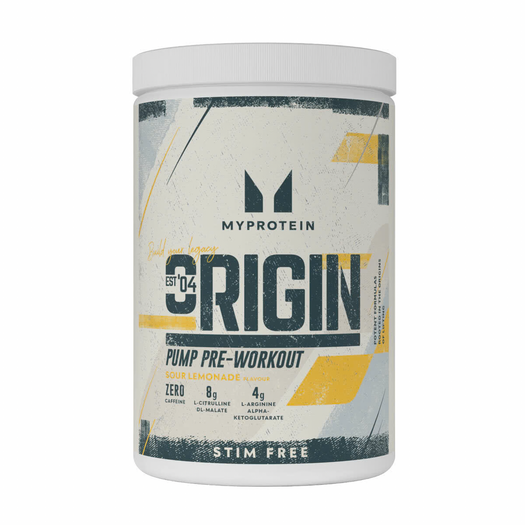




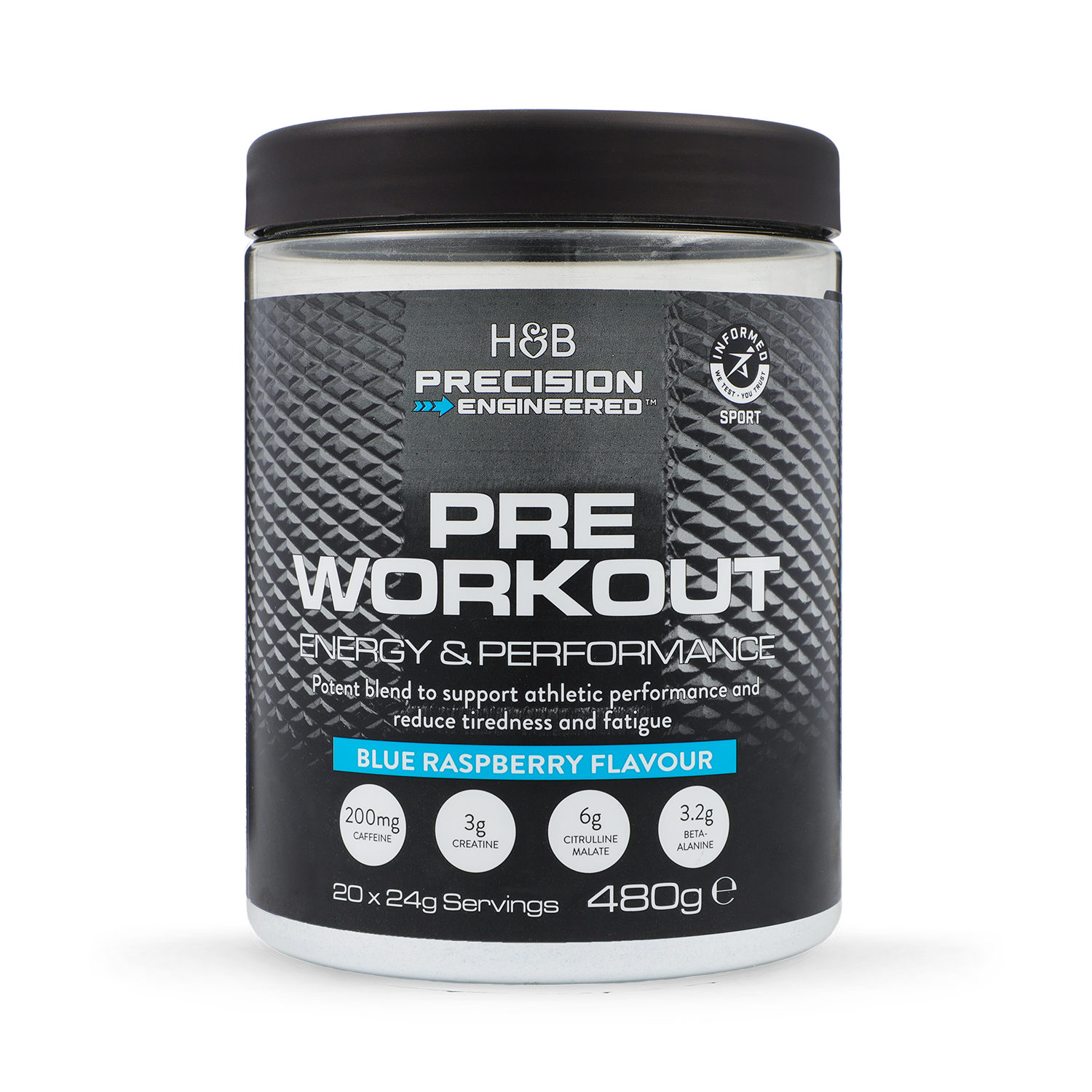


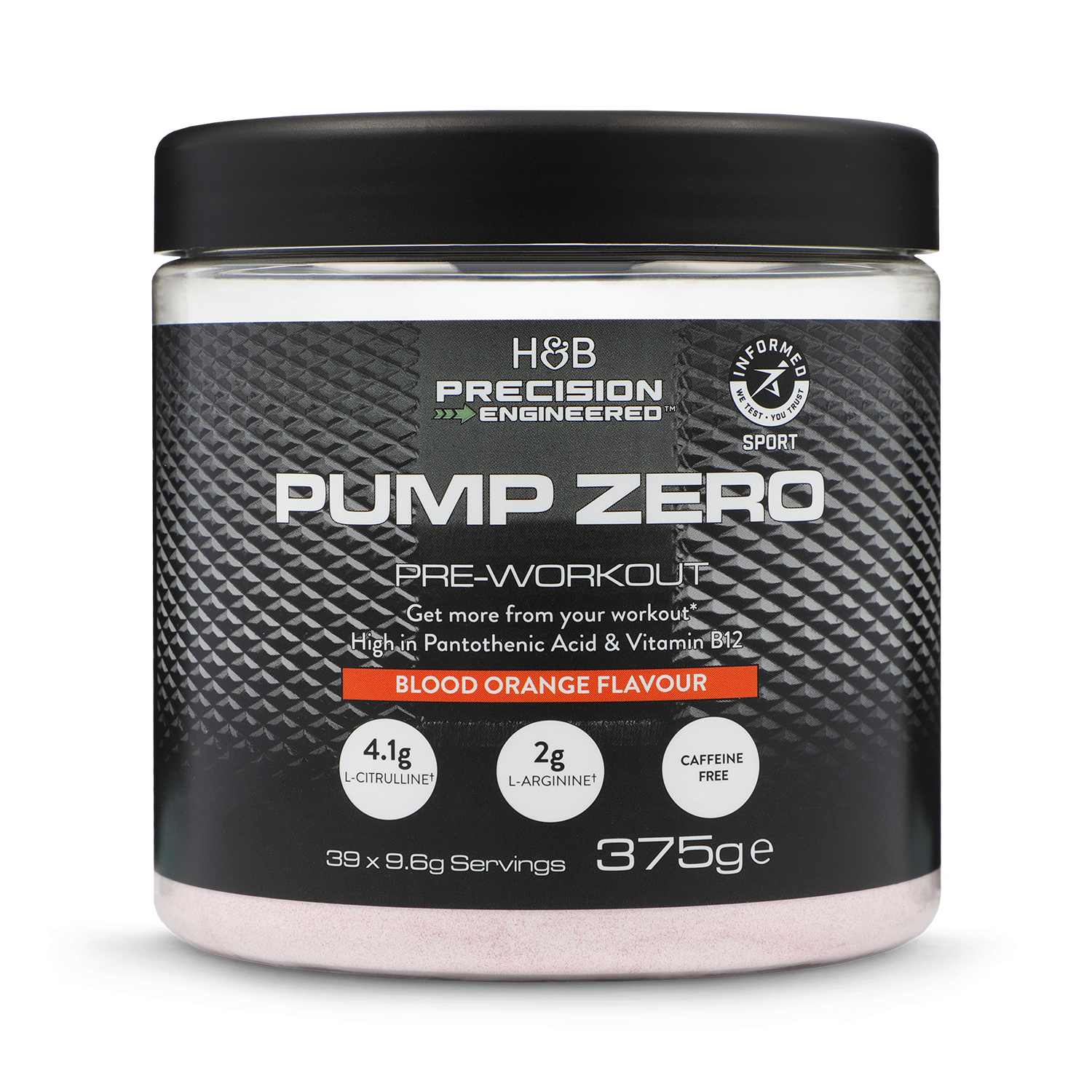









Best overall Pre-Workout
ABE Pump - Zero Stim Pre-Workout
Applied Nutrition · 500g
Timing and stacking protocol
Take pre-workout 20 to 30 minutes before your first working set. Caffeine peaks in the blood at 30 to 60 minutes, beta-alanine reaches its peak effect on a similar timeline, and citrulline and creatine are less time-sensitive within a 2 hour window.
For a 60 to 90 minute session, one scoop is sufficient. For longer sessions of 2 or more hours, or double-session days, avoid double-dosing the same pre-workout. Instead use a stim pre-workout for the morning session and a stim-free pump formula for the afternoon session, which keeps total caffeine under the EFSA daily limit.
Building your own pre-workout from raw ingredients
Advanced lifters sometimes buy bulk raw ingredients such as caffeine anhydrous capsules, pure L-citrulline, and beta-alanine powder, then mix their own pre-workout. The cost per serving drops to around 30 pence, well below the £1 to £1.50 of branded pre-workouts. The trade off is time, flavour (unflavoured pure citrulline and beta-alanine have a distinctive taste), and the risk of measuring errors on caffeine dosing. For most users a transparent-label branded product like Applied Nutrition ABE is the right balance of cost, taste, and safety.
References
Sources and further reading
- 01EFSA — scientific opinion on caffeine safety
European assessment used for general healthy-adult single-dose and daily caffeine guidance.