

Quick answer
Applied Nutrition ISO-XP is our lean-macro pick and MyProtein Impact Whey is our budget choice. Neither burns fat: compare calories at a matched protein portion and skip diet-whey extras that do not improve the overall calorie deficit.
Protein powder is a tool, not a weight-loss treatment
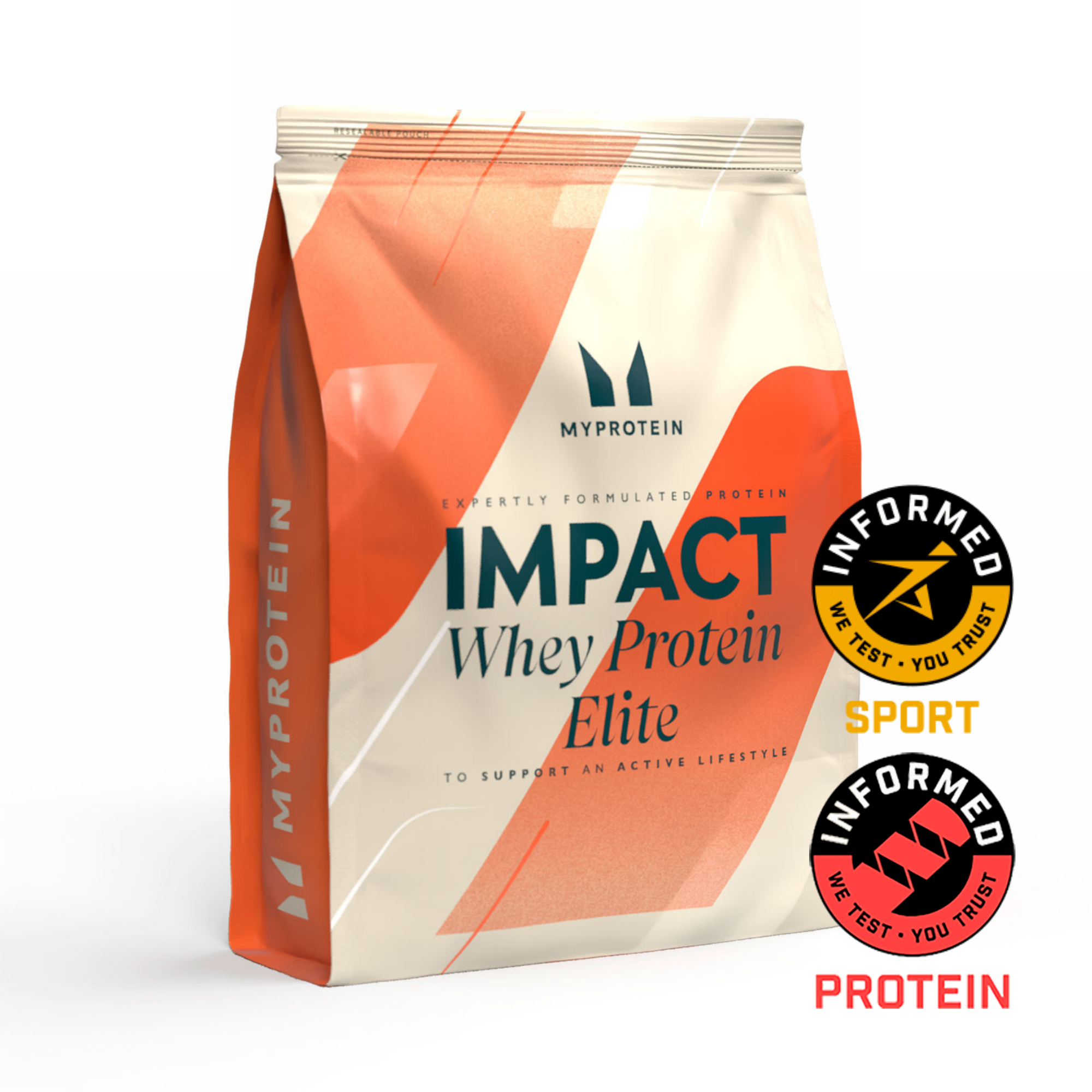
Our pick is an ordinary whey isolate or lean concentrate—not diet whey. No powder causes fat loss, and micro-dosed extras such as CLA or L-carnitine do not rescue an excessive calorie intake. Applied Nutrition ISO-XP is our lean-macro choice; MyProtein Impact Whey is the cheaper everyday choice when its calories fit the plan.
Choose the product that supplies 20–30g protein for the fewest tolerable calories at a sensible price. A meal replacement is a different product with enough energy and nutrients to replace food; ordinary protein powder should not be treated as a complete meal.
Three sensible UK starting points
PhD Diet Whey is the familiar diet-branded option. Its appeal comes down to convenience and flavour choice rather than any special fat-burning mechanism. Compare its current serving nutrition and cost per 25g of protein against standard whey before paying extra for the added ingredients.
Applied Nutrition ISO-XP is a high-protein-density isolate. It's useful when a tightly controlled calorie budget, a low-lactose preference, or a simple formula matters enough to justify the price. Exact nutrition varies by flavour, so the product page is worth more than any single universal macro claim.
A competitively priced whey concentrate from the live whey comparison is the value alternative. If it delivers a similar protein serving for only a few more calories and you digest it comfortably, the isolate premium is unlikely to be what decides whether your diet succeeds.
Build a shortlist instead of trusting a top-seven ranking
A fixed ranking ages quickly, because prices, formulas, flavours and stock all change. Start with the weight-loss protein comparison, then shortlist products delivering roughly the protein amount you want for a calorie cost that fits your day. Only turn to the whey isolate comparison once you've already decided the leaner formula is worth its typical premium.
Compare like with like wherever possible. Nutrition can differ between chocolate, unflavoured and novelty flavours, and serving sizes are chosen by the manufacturer, not standardised. Protein per 100g exposes those differences far more clearly than a bold "grams per scoop" claim on the front of the tub.
Live comparison
Whey Protein products
FlavourSize (g)QtyServingsOfferTotal Per 25g protein 3000191.2 £37.99 25.0g125£0.417 2000160.8 £27.99 25.0g125£0.460 1000130.4 £15.99 25.0g125£0.526 |
FlavourSize (g)QtyServingsOfferTotal Per 25g protein 1000132.3 £14.99£19.99 -25%25.0g118£0.463 |
FlavourSize (g)QtyServingsOfferTotal Per 25g protein 1000132.3 £14.99£19.99 -25%25.0g118£0.463 |
FlavourSize (g)QtyServingsOfferTotal Per 25g protein 1000127.3 £18.99 25.0g138£0.695 |
FlavourSize (g)QtyServingsOfferTotal Per 25g protein 48001113.3 £80.49 25.0g155£0.711 2400156.6 £40.99 25.0g155£0.724 1200128.3 £21.29 25.0g155£0.752 |
FlavourSize (g)QtyServingsOfferTotal Per 25g protein 48001130.6 £95.99 25.0g136£0.735 2400165.3 £51.99 25.0g136£0.796 1200132.6 £28.29 25.0g136£0.867 |
FlavourSize (g)QtyServingsOfferTotal Per 25g protein 48001132.5 £104.49 25.0g131£0.789 2400166.2 £56.49 25.0g131£0.853 1200133.1 £30.49 25.0g131£0.921 |
FlavourSize (g)QtyServingsOfferTotal Per 25g protein 43501125.3 £99.99 25.0g132£0.798 1000128.8 £25.99 25.0g127£0.902 50001146 £144.49 25.0g129£0.990 |
FlavourSize (g)QtyServingsOfferTotal Per 25g protein 60001168 £143.99 25.0g129£0.857 3000184 £77.99 25.0g129£0.928 1500142 £41.99 25.0g129£1.000 |
FlavourSize (g)QtyServingsOfferTotal Per 25g protein 2000157 £49.99£99.99 -50%25.0g136£0.878 1000128.5 £29.99£49.99 -40%25.0g136£1.053 500114.2 £17.99£24.99 -28%25.0g136£1.263 |
FlavourSize (g)QtyServingsOfferTotal Per 25g protein 2250163 £55.99 25.0g156£0.889 750121 £19.99 25.0g156£0.952 375110.8 £11.99 25.0g153£1.110 |
FlavourSize (g)QtyServingsOfferTotal Per 25g protein 720120.2 £17.99£29.99 -40%25.0g133£0.892 2000156 £69.99 25.0g134£1.250 15001- £64.99 --- |
FlavourSize (g)QtyServingsOfferTotal Per 25g protein 50001142 £129.99 25.0g133£0.915 2500171 £67.99 25.0g133£0.958 1000128.4 £27.99 25.0g133£0.986 |
FlavourSize (g)QtyServingsOfferTotal Per 25g protein 2000164.8 £60.00 25.0g127£0.926 |
FlavourSize (g)QtyServingsOfferTotal Per 25g protein 50001150 £139.99 25.0g125£0.933 2500175 £74.99 25.0g125£1.000 1000130 £31.99 25.0g125£1.066 |
FlavourSize (g)QtyServingsOfferTotal Per 25g protein 2100163 £59.95 25.0g126£0.952 510115.3 £29.95 25.0g126£1.957 |
FlavourSize (g)QtyServingsOfferTotal Per 25g protein 1800157.6 £54.95 25.0g113£0.954 1000132 £32.95 25.0g113£1.030 450114.4 £19.95 25.0g113£1.385 |
FlavourSize (g)QtyServingsOfferTotal Per 25g protein 50001112 £107.99 25.0g151£0.964 2500154 £59.99 25.0g162£1.111 1000123.2 £28.49 25.0g155£1.228 |
FlavourSize (g)QtyServingsOfferTotal Per 25g protein 908130.5 £30.02£49.99 -40%25.0g108£0.984 |
FlavourSize (g)QtyServingsOfferTotal Per 25g protein 40001124.8 £123.99 25.0g120£0.993 2000162.4 £63.99 25.0g120£1.025 1000131.2 £33.99 25.0g120£1.089 |
FlavourSize (g)QtyServingsOfferTotal Per 25g protein 40001118.4 £119.49 25.0g127£1.009 1000129.6 £31.99 25.0g127£1.081 |
FlavourSize (g)QtyServingsOfferTotal Per 25g protein 50001158.2 £159.99 25.0g126£1.011 3000194.9 £99.99 25.0g126£1.053 2000163.3 £69.99 25.0g126£1.106 |
FlavourSize (g)QtyServingsOfferTotal Per 25g protein 40001123.2 £127.99 25.0g123£1.039 500114.8 £15.99 25.0g127£1.080 2000159.2 £65.99 25.0g127£1.115 |
FlavourSize (g)QtyServingsOfferTotal Per 25g protein 1000128.5 £29.99£49.99 -40%25.0g136£1.053 500114.2 £17.99£49.99 -64%25.0g136£1.263 |
FlavourSize (g)QtyServingsOfferTotal Per 25g protein 45001138.1 £145.99 25.0g128£1.057 2270169.6 £89.99 25.0g128£1.292 1000130.7 £52.99 25.0g128£1.727 |
FlavourSize (g)QtyServingsOfferTotal Per 25g protein 908127.6 £29.39£42.99 -32%25.0g124£1.065 2000160.8 £92.99 25.0g126£1.529 3010.9 £2.99 25.0g125£3.194 |
FlavourSize (g)QtyServingsOfferTotal Per 25g protein 2270173.5 £79.99 25.0g117£1.088 |
FlavourSize (g)QtyServingsOfferTotal Per 25g protein 2270173.5 £79.99£89.99 -11%25.0g117£1.088 |
FlavourSize (g)QtyServingsOfferTotal Per 25g protein 2000153.6 £59.99 25.0g142£1.119 900124.1 £39.99 25.0g142£1.658 |
FlavourSize (g)QtyServingsOfferTotal Per 25g protein 2200170.4 £79.99 25.0g-£1.136 900128.8 £41.99 25.0g-£1.458 1500148 £74.99 25.0g-£1.562 |
FlavourSize (g)QtyServingsOfferTotal Per 25g protein 2000152 £59.99 25.0g151£1.154 1000126 £34.99 25.0g151£1.346 |
FlavourSize (g)QtyServingsOfferTotal Per 25g protein 500113.8 £15.99£24.99 -36%25.0g130£1.159 1000127.6 £39.99£44.99 -11%25.0g130£1.449 |
FlavourSize (g)QtyServingsOfferTotal Per 25g protein 1000129.6 £34.49 25.0g128£1.165 |
FlavourSize (g)QtyServingsOfferTotal Per 25g protein 2000158.3 £68.95 25.0g135£1.182 825124.1 £33.95 25.0g135£1.411 450113.1 £19.95 25.0g135£1.520 |
FlavourSize (g)QtyServingsOfferTotal Per 25g protein 2500177 £91.99 25.0g119£1.195 1000130.8 £39.99 25.0g119£1.298 500115.4 £23.49 25.0g119£1.525 |
FlavourSize (g)QtyServingsOfferTotal Per 25g protein 1000130.8 £36.99 25.0g130£1.201 500115.4 £25.99 25.0g130£1.688 |
FlavourSize (g)QtyServingsOfferTotal Per 25g protein 2000161.7 £75.00 25.0g126£1.215 |
FlavourSize (g)QtyServingsOfferTotal Per 25g protein 45301137.7 £170.00 25.0g123£1.234 2260168.7 £98.00 25.0g123£1.426 899127.3 £50.00 25.0g123£1.830 |
FlavourSize (g)QtyServingsOfferTotal Per 25g protein 900125.9 £32.00 25.0g130£1.235 |
FlavourSize (g)QtyServingsOfferTotal Per 25g protein 1800160.5 £75.00 25.0g-£1.240 |
FlavourSize (g)QtyServingsOfferTotal Per 25g protein 650117.4 £22.00 25.0g136£1.263 |
FlavourSize (g)QtyServingsOfferTotal Per 25g protein 500114.2 £17.99£24.99 -28%25.0g112£1.263 |
FlavourSize (g)QtyServingsOfferTotal Per 25g protein 2250155.2 £69.99 25.0g147£1.269 908122.3 £39.99 25.0g147£1.796 |
FlavourSize (g)QtyServingsOfferTotal Per 25g protein 2000154.4 £71.99 25.0g132£1.323 1000127.2 £39.99 25.0g132£1.470 500113.6 £21.99 25.0g132£1.617 |
FlavourSize (g)QtyServingsOfferTotal Per 25g protein 2270167.2 £92.00 25.0g125£1.369 |
FlavourSize (g)QtyServingsOfferTotal Per 25g protein 1000129.2 £39.99 25.0g152£1.370 |
FlavourSize (g)QtyServingsOfferTotal Per 25g protein 899125.5 £35.00 25.0g136£1.371 |
FlavourSize (g)QtyServingsOfferTotal Per 25g protein 1000127.6 £37.99 25.0g130£1.376 500113.8 £19.99 25.0g130£1.449 |
FlavourSize (g)QtyServingsOfferTotal Per 25g protein 900257.6 £80.98 25.0g120£1.406 900128.8 £44.99 25.0g120£1.562 3010.9 £2.49 25.0g120£2.664 |
FlavourSize (g)QtyServingsOfferTotal Per 25g protein 1000131.2 £44.99 25.0g127£1.442 3010.9 £1.75 25.0g129£1.944 30019.2 £21.99 25.0g126£2.380 |
FlavourSize (g)QtyServingsOfferTotal Per 25g protein 2000162.4 £89.99 25.0g130£1.442 1000128.8 £44.99 25.0g135£1.562 30019.1 £21.99 25.0g128£2.405 |
FlavourSize (g)QtyServingsOfferTotal Per 25g protein 420113.1 £18.99 25.0g120£1.445 |
FlavourSize (g)QtyServingsOfferTotal Per 25g protein 1800148.2 £69.99 25.0g139£1.451 1200132.2 £47.49 25.0g139£1.477 600116.1 £24.99 25.0g139£1.554 |
FlavourSize (g)QtyServingsOfferTotal Per 25g protein 2250182 £119.99 25.0g100£1.463 750127.3 £49.99 25.0g100£1.829 |
FlavourSize (g)QtyServingsOfferTotal Per 25g protein 900130 £43.99 25.0g-£1.467 |
FlavourSize (g)QtyServingsOfferTotal Per 25g protein 1800154 £79.99 25.0g128£1.481 810124.3 £49.99 25.0g128£2.057 450113 £29.99 25.0g133£2.314 |
FlavourSize (g)QtyServingsOfferTotal Per 25g protein 48001150.5 £224.00£236.00 -5%25.0g126£1.488 2400175.3 £120.00 25.0g126£1.594 1200137.6 £62.00 25.0g126£1.648 |
FlavourSize (g)QtyServingsOfferTotal Per 25g protein 1000260 £89.98 25.0g125£1.500 1000130 £49.99 25.0g125£1.666 |
FlavourSize (g)QtyServingsOfferTotal Per 25g protein 1020129.4 £44.99 25.0g127£1.532 |
FlavourSize (g)QtyServingsOfferTotal Per 25g protein 1000129.3 £48.95 25.0g131£1.669 |
FlavourSize (g)QtyServingsOfferTotal Per 25g protein 1000122 £36.99 25.0g166£1.678 |
FlavourSize (g)QtyServingsOfferTotal Per 25g protein 2000164.8 £112.00 25.0g129£1.728 1000132.4 £59.00 25.0g129£1.821 |
FlavourSize (g)QtyServingsOfferTotal Per 25g protein 600115.8 £27.49 25.0g142£1.735 |
FlavourSize (g)QtyServingsOfferTotal Per 25g protein 1000126.4 £54.00£60.00 -10%25.0g129£2.045 500113.6 £30.00 25.0g129£2.206 |
FlavourSize (g)QtyServingsOfferTotal Per 25g protein 1000126.8 £54.99 25.0g137£2.052 |
FlavourSize (g)QtyServingsOfferTotal Per 25g protein 1000125.6 £54.00£60.00 -10%25.0g134£2.109 500112.8 £30.00 25.0g134£2.344 |
FlavourSize (g)QtyServingsOfferTotal Per 25g protein 6011.8 £3.99 25.0g119£2.159 |
FlavourSize (g)QtyServingsOfferTotal Per 25g protein 30018.6 £24.99 25.0g128£2.892 |
FlavourSize (g)QtyServingsOfferTotal Per 25g protein 3110.9 £4.39 25.0g123£4.658 |
FlavourSize (g)QtyServingsOfferTotal Per 25g protein - £8.99 25.0g495- |
FlavourSize (g)QtyServingsOfferTotal Per 25g protein 20001- £77.50 25.0g-- |
FlavourSize (g)QtyServingsOfferTotal Per 25g protein 9001- £28.00 --- |
FlavourSize (g)QtyServingsOfferTotal Per 25g protein 20001- £67.50 25.0g-- 9081- £36.00 25.0g-- 4761- £18.00 25.0g-- |





















Community perspective
What others are saying
It’s way more about fiber for me than protein. I put chia seeds in my oatmeal and it helps a ton with satiety.
u/eukomos in r/loseit
I agree with you, but isn't this like incredibly obvious? I'm pretty sure every advice I've ever read on this topic says that people bulking need to get sufficient calories and protein. Your post kind of reads like a strawman since I really don't think anyone is recommending to exclusively focus on protein and to totally disregard caloric intake.
u/extremeftw in r/gainit
Fats sate. Fiber fills, and helps keep you full, and has fewer accessible calories per gram. Protein takes more energy to digest, and takes longer to digest, also helping keep you full while burning more calories. Every macro has its purpose.
u/pooppaysthebills in r/loseit
Watch what buyers found
Hands-on opinions
How To Pick The Best Protein Powder (CHOOSE WISELY!)
Jeremy Ethier
A topic-specific video selected for additional practical context on Best Protein Powder for Weight Loss UK: A Practical Buying Guide.

Best overall Whey Protein
Diet Whey Protein Powder
Pure Source Nutrition · 1kg
Pros
- 55.5% cheaper per 25g protein than the median of 65 other Whey Protein product families in this comparison
Read the back label in this order
First, check protein and energy for the same quantity of powder. A useful shortcut is comparing how many calories accompany 20-25g of protein. There's no scientific cliff at 110 calories or 68g protein per 100g; those tidy thresholds you see in buying guides are editorial conventions, not biological ones.
Second, inspect the ingredients against your actual needs. Milk is an allergen, concentrate generally retains more lactose than isolate, and plant products may blend several protein sources together. Added caffeine changes when it makes sense to drink a product. Green tea, carnitine and CLA printed on a label don't turn a shake into a substitute for an actual energy deficit.
Third, calculate value from actual protein delivered rather than bag weight. Cost per 25g of protein makes a concentrated but pricier powder directly comparable with a cheaper, lower-protein blend. Factor in delivery and any code conditions before treating that figure as your real checkout cost.
Finally, buy a small size when trying a new flavour. A slightly higher unit price is cheap insurance against ending up with two kilograms of a powder you don't actually like.
Isolate, diet whey or a lean blend?
Whey isolate concentrates the protein and usually reduces lactose, carbohydrate and fat relative to concentrate. That can be convenient, but the calorie difference between two matched protein servings is often fairly modest. Choose it for the formula itself, not because "isolate" carries some independent fat-loss effect.
Diet whey is usually a whey blend with added fibre or fashionable extras. Fibre may affect texture and fullness, but the complete nutrition panel and serving size deserve the real scrutiny. Don't assume every added botanical is present at an effective dose just because it's printed on the front of the tub.
Lean all-in-one products can contain caffeine or other active ingredients. That may suit a pre-training shake, but it makes the product less flexible later in the day and unsuitable for some people. A plain powder lets you control those extras separately, on your own terms.
For most shoppers, the decision comes down to tolerance, calories, price and taste. The whey isolate versus concentrate guide explains the processing difference in more depth; the product comparisons are most useful once you've narrowed things down to two real candidates.
How much protein is enough during a deficit?
Protein needs depend on body size, training, age, total energy intake and how lean someone already is. A 1.6-2.2g/kg prescription shows up constantly in fitness writing, but it shouldn't be treated as a universal medical target. Research on lean, resistance-trained athletes under energy restriction has proposed higher intakes relative to fat-free mass, while evidence across broader populations is more mixed.
The practical approach is to estimate a daily target, count protein already supplied by meals, and use powder only to fill the remaining gap. One shake may be plenty; two aren't automatically better. The protein calculator gives an estimate, not a diagnosis or a personalised diet plan.
People with kidney disease, pregnancy-related needs, eating-disorder concerns, or clinician-directed diets should seek individual advice rather than adopting a high-protein target lifted from a buying guide. See the systematic review of protein during caloric restriction in resistance-trained lean athletes: https://pubmed.ncbi.nlm.nih.gov/24092765/.
Timing is mostly a problem of convenience
Drink a shake whenever it helps you meet the day's protein and energy plan. That might be at breakfast when food protein is low, after training simply because it's convenient, or between meals if it genuinely replaces a more energy-dense snack. It doesn't erase calories eaten later in the day.
The supposed narrow post-workout "anabolic window" is a poor reason to organise an entire diet around. A 2025 meta-analysis of direct before-versus-after comparisons found no meaningful difference in lean-mass adaptation, though the evidence base was small. Source: https://pubmed.ncbi.nlm.nih.gov/40647175/.
Spread protein across meals in a pattern you can actually sustain, and think about what else is in the powder. A caffeinated lean blend taken at night is a very different choice from plain whey, even when the protein number on the label is identical.
Four mistakes that make a useful shake unhelpful
Common mistakes to avoid:
- 1
Adding rather than substituting: a shake consumed on top of an unchanged diet adds energy, and only supports a deficit when the overall day still fits the plan
- 2
Comparing scoops instead of grams: scoop sizes differ, so "25g protein per serving" may require far more powder in one product than another, so compare per 100g and cost per 25g of actual protein
- 3
Buying the biggest bag before testing it: texture, sweetness and digestive tolerance are hard to infer from a nutrition panel, so trial sizes reduce the cost of a bad match
- 4
Treating supplements as the foundation: whole foods contribute fibre, micronutrients and eating satisfaction that a basic whey shake doesn't, so powder is best used to patch a practical gap rather than displace every protein-containing meal
Compare the delivered price, not the loudest discount
Brand sites, specialist retailers, supermarkets and marketplaces can each turn out cheapest on any given day. Claims that one channel is "always" cheaper ignore flash promotions, delivery thresholds and variant-specific stock.
Use the live weight-loss comparison to identify current candidates, then verify the same weight and flavour at checkout. Factor in postage, subscription conditions and the quantity you'd need to buy to unlock a code. A low unit price on three bags isn't a saving if one bag meets your needs.
On marketplaces, check who actually sells and fulfils the product, not just the price shown. For subscriptions, note the renewal price and cancellation terms rather than assuming the first-order discount will persist indefinitely.
The short answers
What is best? The product that supplies the protein you need within your calorie budget, at a tolerable price, in a formula you'll actually use. That may well be ordinary whey rather than a diet-branded powder.
Can shakes cause weight loss on their own? Not independently. They can replace a less suitable food or fill a protein gap, but it's the overall energy deficit that drives weight loss.
Is whey better than plant protein? Neither source has a unique fat-loss property. Compare the full amino-acid blend, protein quantity, calories, allergens, taste and cost instead.
Does the lowest-calorie scoop always win? No. Manufacturer serving sizes differ, tiny calorie differences rarely rescue an unsustainable diet, and satisfaction matters too. Compare matched protein portions rather than scoops.
References
Sources and further reading
- 01British Dietetic Association — weight loss
Guidance supporting the focus on a sustainable overall energy deficit rather than fat-burning powder claims.
Frequently asked questions
What is the best protein powder for weight loss in the UK?+
There's no single universally best powder for weight loss. Compare the calories needed to supply your chosen protein portion, then weigh up current price, allergens, taste and tolerance. Ordinary whey concentrate can be just as practical as a diet-branded product, and isolate is worth it when its leaner formula or lower lactose justifies the premium.
How much protein per day for weight loss?+
Needs vary with body size, age, training, energy intake and health. Use the protein calculator as an estimate, count protein already coming from food, and seek individual clinical advice if you have kidney disease, pregnancy-related needs or a prescribed diet.
Can you lose weight just by drinking protein shakes?+
No. A shake can conveniently supply protein, but it's the overall energy deficit that drives weight loss. Adding shakes on top of an unchanged diet just adds calories; they're useful when they replace something less suitable or fill a genuine protein gap.
Is whey or plant protein better for weight loss?+
Neither has a unique fat-loss effect. Whey is convenient and often protein-dense, while a well-formulated plant blend can meet the same practical need. Choose based on protein quantity, calories, dietary requirements, amino-acid profile, taste and cost.
How many calories should a weight-loss protein shake have?+
There's no universal calorie cut-off. Compare products at a matched protein portion, such as the calories accompanying 20-25g protein, and pick one that fits the rest of your diet. Manufacturer scoop sizes aren't a reliable basis for comparison.