

Key
takeaways
- Menopace Night and Prime Fifty cover the most: 17 of 26 nutrients at 90% of the NRV or more.
- Standard Menopace is the cheapest of the top ten at about 16p a day.
- Only Menopace Max and Menopace Calcium give the full 700mg of calcium. Prime Fifty gives 400mg and the other seven none.
- None treats hot flushes. For symptoms, the NHS points you to a GP, where options include HRT and CBT.
The top 10 most complete menopause supplements in the UK
Most menopause multivitamins are built around B vitamins and vitamin D. Calcium, the nutrient the NHS stresses for bones after the menopause, is the one most of them leave out.
That matters because the menopause raises the risk of osteoporosis. Adults need 700mg of calcium a day, ideally from food, and considering 10 micrograms of vitamin D a day in autumn and winter.
The table ranks the ten by how many of the 26 vitamins and minerals they give in useful amounts, with the cheaper one first when two tie. Scroll sideways for every nutrient, and tap a symbol to see what it does. You can filter the full vitamin and mineral comparison by menopause to see the rest.
| Product | Nutrients at 90%+ NRV | Size | Price | Per day | Vitamins (per daily dose) | Minerals (per daily dose) | ||||||||||||||||||||||||
|---|---|---|---|---|---|---|---|---|---|---|---|---|---|---|---|---|---|---|---|---|---|---|---|---|---|---|---|---|---|---|
| UK daily NRV | 800µg | 1.1mg | 1.4mg | 16mg | 6mg | 1.4mg | 50µg | 200µg | 2.5µg | 80mg | 5µg | 12mg | 75µg | 800mg | 375mg | 10mg | 14mg | 55µg | 150µg | 1mg | 2mg | 40µg | 50µg | 2,000mg | 700mg | 800mg | ||||
1Holland & BarrettVitabiotics Menopace Night | 17 / 26(65%) | 30 tablets30 days | £5.56 | 19p | 750µg94% | 15mg1364% | 5mg357% | 24mg150% | 30mg500% | 10mg714% | 50µg100% | 400µg200% | 20µg800% | 45mg56% | 25µg500% | 30mg250% | 60mg16% | 15mg150% | 6mg43% | 110µg200% | 150µg100% | 1mg100% | 2mg100% | 40µg100% | ||||||
2Holland & BarrettPrime Fifty Menopause Support Sage, Hops & Bone Health | 17 / 26(65%) | 56 tablets (2 a day)28 days | £17.00 | 61p | 400µg50% | 5.5mg500% | 8.4mg600% | 32mg200% | 18mg300% | 10mg714% | 100µg200% | 200µg100% | 40µg1600% | 80mg100% | 20µg400% | 30mg250% | 37.2µg50% | 400mg50% | 94mg25% | 15mg150% | 7mg50% | 55µg100% | 150µg100% | 1mg100% | 2mg100% | 80µg200% | 10µg20% | |||
3Holland & BarrettVitabiotics Menopace | 15 / 26(58%) | 90 tablets90 days | £14.60 | 16p | 750µg94% | 10mg909% | 5mg357% | 20mg125% | 30mg500% | 10mg714% | 30µg60% | 400µg200% | 9µg360% | 45mg56% | 10µg200% | 30mg250% | 100mg27% | 15mg150% | 6mg43% | 100µg182% | 225µg150% | 1mg100% | 0.5mg25% | 50µg125% | ||||||
4Holland & BarrettHolland & Barrett Menopause Complex | 15 / 26(58%) | 60 tablets60 days | £9.77 | 16p | 800µg100% | 10mg909% | 5mg357% | 30mg500% | 10mg714% | 50µg100% | 400µg200% | 10µg400% | 50mg63% | 10µg200% | 30mg250% | 15mg150% | 7mg50% | 100µg182% | 225µg150% | 1mg100% | 0.5mg25% | 50µg125% | ||||||||
5Holland & BarrettVitabiotics Menopace Plus | 15 / 26(58%) | 56 tablets (2 a day)28 days | £10.49 | 37p | 750µg94% | 10mg909% | 5mg357% | 20mg125% | 30mg500% | 10mg714% | 30µg60% | 400µg200% | 9µg360% | 45mg56% | 5µg100% | 30mg250% | 100mg27% | 15mg150% | 6mg43% | 100µg182% | 225µg150% | 1mg100% | 0.5mg25% | 50µg125% | ||||||
6Holland & BarrettPro-Ven For Peri/Menopause | 15 / 26(58%) | 60 capsules (2 a day)30 days | £34.99 | £1.17 | 800µg100% | 1.1mg100% | 1.4mg100% | 16mg100% | 6mg100% | 2.8mg200% | 100µg200% | 200µg100% | 12.5µg500% | 80mg100% | 25µg500% | 12mg100% | 100µg133% | 10mg100% | 80µg200% | |||||||||||
7Holland & BarrettVitabiotics Menopace Max | 14 / 26(54%) | 56 tablets + 28 capsules (3 a day)28 days | £20.76 | 74p | 400µg50% | 10mg909% | 5mg357% | 20mg125% | 30mg500% | 10mg714% | 30µg60% | 400µg200% | 9µg360% | 45mg56% | 10µg200% | 30mg250% | 700mg88% | 100mg27% | 15mg150% | 8mg57% | 100µg182% | 250µg167% | 1mg100% | 0.5mg25% | 50µg125% | |||||
8Holland & BarrettVitabiotics Menopace Calcium | 14 / 26(54%) | 30 tablets (2 a day)15 days | £4.36 | 29p | 400µg50% | 10mg909% | 5mg357% | 20mg125% | 30mg500% | 10mg714% | 30µg60% | 400µg200% | 9µg360% | 45mg56% | 10µg200% | 30mg250% | 700mg88% | 100mg27% | 15mg150% | 8mg57% | 100µg182% | 250µg167% | 1mg100% | 0.5mg25% | 50µg125% | |||||
9Holland & BarrettTogether Health Menopause | 11 / 26(42%) | 60 capsules60 days | £15.59 | 26p | 1.5mg136% | 2mg143% | 20mg125% | 9mg150% | 3mg214% | 100µg200% | 200µg100% | 7.6µg304% | 70mg88% | 15µg300% | 3mg25% | 75µg100% | 100mg27% | 6mg60% | 8mg57% | 56µg102% | 47µg31% | 0.6mg60% | 0.3mg15% | 24µg60% | ||||||
10Holland & Barrett4HER Menopause Nutritional Support with Red Clover & Sage | 11 / 26(42%) | 60 tablets60 days | £21.99 | 37p | 1.65mg150% | 2.1mg150% | 16mg100% | 6mg100% | 2.1mg150% | 150µg300% | 5µg200% | 12mg100% | 55µg100% | 150µg100% | 1mg100% | |||||||||||||||

How we ranked them
We compared the labels of 39 in-stock UK menopause and perimenopause supplements. A nutrient counts when one daily dose gives at least 90% of its NRV (the daily reference amount on UK labels), out of 26 possible, with ties going to the lowest price per day. Five of the ten are Vitabiotics Menopace versions, which differ mainly in vitamin D, calcium, plant extracts and how many you take a day. Prices were checked on 14 November 2026 and will change.
 Our top pick
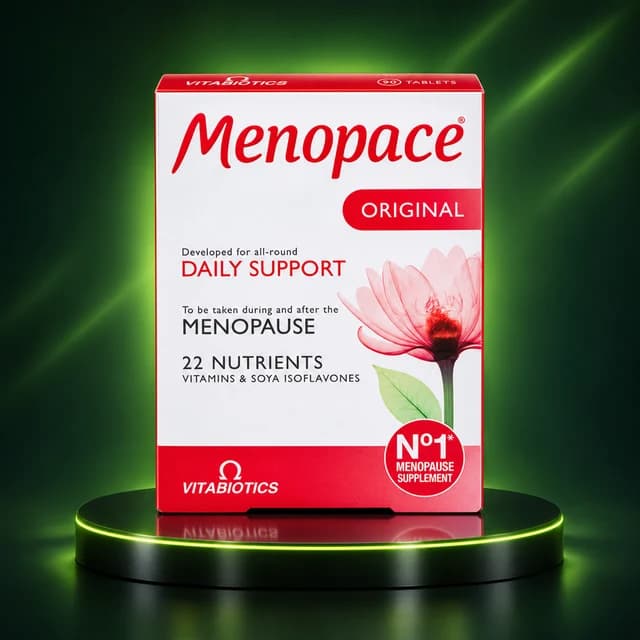
Best for most people. It gives close to a full day of 15 of the 26 nutrients, including the 10µg of vitamin D the NHS advises in autumn and winter, for about 16p a day. The two most complete products add only two more nutrients for three to four times the price. It lists no calcium, so you'll need that from food.
About
16p
Per day
Best menopause supplements for different needs: our picks
Beyond our top pick, these three suit different priorities: more calcium, the widest spread in one tablet, or a broad formula with some calcium.
Vitabiotics Menopace Max
56 tablets + 28 capsules (3 a day) · lasts 28 days
Pack price
£20.76
Per day
74p
Vitabiotics Menopace Max is the pick if bone health is your priority. Its daily dose of two tablets and a red clover capsule gives 700mg of calcium, the full day the NHS says adults need, plus 10µg of vitamin D to help your body use it, for about 74p a day. Menopace Calcium has the same calcium, vitamin D and iron in two tablets for about 90p a day.
Most of its doses sit well inside the safe limits, but its 10mg of vitamin B6 is the most you should take from supplements, so don't add another product containing B6. Its 250µg of iodine is the highest of our picks: half the 500µg limit, but a reason to keep brown seaweed and kelp occasional. Red clover acts like a weak plant oestrogen and has very little evidence behind it, so ask a GP or pharmacist first if you take other medicines or have had a hormone-sensitive condition such as some breast cancers.
Dose check: daily dose against UK amounts
| Nutrient | Daily dose | You need | NHS limit from supplements | Verdict |
|---|---|---|---|---|
| Calcium | 700mg | 700mg | 1,500mg | Within the limit |
| Vitamin D | 10µg | 10µg (NHS) | 100µg | Within the limit |
| Vitamin A | 400µg | 600µg | 1.5mg a day from food and supplements | Within the limitCounts towards the 1.5mg total, so keep liver to once a week. |
| Vitamin B6 | 10mg | 1.2mg | 10mg | At the limitDon't take another product that contains B6. |
| Iodine | 250µg | 140µg | 500µg | Within the limit |
| Iron | 8mg | 8.7mg from age 50 | 17mg | Within the limit |
| Zinc | 15mg | 7mg | 25mg | Within the limit |
Foods to go easy on with this one
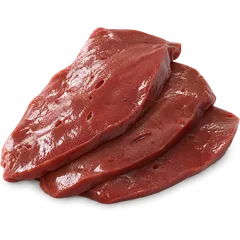
- Liver and liver products, such as pâtéVitamin AVery high in vitamin A. Eat them no more than once a week, and if you have liver every week, skip supplements with vitamin A. This one gives 400µg.
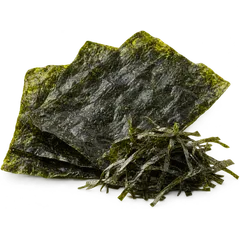
- Brown seaweed and kelpIodineIts iodine varies and can be very high. With 250µg already in this formula, the BDA advises eating brown seaweed or kelp no more than once a week, and not taking kelp supplements.
Vitabiotics Menopace Night
30 tablets · lasts 30 days
Pack price
£5.56
Per day
19p
Vitabiotics Menopace Night packs the widest spread into a single tablet. It's joint most complete in our ranking at 17 of the 26 nutrients, with 25µg of vitamin D, for about 50p a day, and it adds chamomile and hops, which are traditionally used to help with sleep.
It has no calcium, so you'll need that from dairy, fortified alternatives or fish with edible bones. Its 10mg of vitamin B6 is at the limit for supplements, so don't stack it with another B6 product. Its 750µg of vitamin A is fine on its own, but more than 1.5mg a day over many years may affect your bones, especially in older women, so keep liver to once a week at most. Its 2mg of manganese is within the 4mg guide for most adults but above the 0.5mg the NHS gives for older people.
Dose check: daily dose against UK amounts
| Nutrient | Daily dose | You need | NHS limit from supplements | Verdict |
|---|---|---|---|---|
| Vitamin D | 25µg | 10µg (NHS) | 100µg | Within the limit |
| Vitamin A | 750µg | 600µg | 1.5mg a day from food and supplements | Within the limitCounts towards the 1.5mg total, so keep liver to once a week. |
| Vitamin B6 | 10mg | 1.2mg | 10mg | At the limitDon't take another product that contains B6. |
| Iodine | 150µg | 140µg | 500µg | Within the limit |
| Iron | 6mg | 8.7mg from age 50 | 17mg | Within the limit |
| Zinc | 15mg | 7mg | 25mg | Within the limit |
| Manganese | 2mg | Most people get enough from food | 4mg (0.5mg for older people) | Worth checkingAbove the 0.5mg the NHS gives for older people. |
Foods to go easy on with this one
- Liver and liver products, such as pâtéVitamin AVery high in vitamin A. Eat them no more than once a week, and if you have liver every week, skip supplements with vitamin A. This one gives 750µg.
Prime Fifty Menopause Support Sage, Hops & Bone Health
56 tablets (2 a day) · lasts 28 days
Pack price
£17.00
Per day
61p
Prime Fifty Menopause Support is the other joint most complete product at 17 of 26, and the broadest formula with a useful dose of calcium. Two tablets a day give 400mg of calcium, over half the 700mg adults need, plus 20µg of vitamin D, for about 61p a day, with sage and hops added.
Its 10mg of vitamin B6 is at the limit for supplements, so don't pair it with another B6 product. Its 400µg of vitamin A counts towards the 1.5mg a day you shouldn't exceed from food and supplements, so keep liver to once a week at most. Like Menopace Night, its 2mg of manganese is above the 0.5mg limit for older people. Sage and hops are reportedly used for hot flushes, but the evidence is limited, so check with a GP or pharmacist first if you take other medicines.
Dose check: daily dose against UK amounts
| Nutrient | Daily dose | You need | NHS limit from supplements | Verdict |
|---|---|---|---|---|
| Calcium | 400mg | 700mg | 1,500mg | Within the limit |
| Vitamin D | 20µg | 10µg (NHS) | 100µg | Within the limit |
| Vitamin A | 400µg | 600µg | 1.5mg a day from food and supplements | Within the limitCounts towards the 1.5mg total, so keep liver to once a week. |
| Vitamin B6 | 10mg | 1.2mg | 10mg | At the limitDon't take another product that contains B6. |
| Iodine | 150µg | 140µg | 500µg | Within the limit |
| Iron | 7mg | 8.7mg from age 50 | 17mg | Within the limit |
| Zinc | 15mg | 7mg | 25mg | Within the limit |
| Manganese | 2mg | Most people get enough from food | 4mg (0.5mg for older people) | Worth checkingAbove the 0.5mg the NHS gives for older people. |
Foods to go easy on with this one
- Liver and liver products, such as pâtéVitamin AVery high in vitamin A. Eat them no more than once a week, and if you have liver every week, skip supplements with vitamin A. This one gives 400µg.
How to choose a menopause supplement
Six checks will narrow the choice to the formula that suits you.
- Check the calcium first. Only Menopace Max, Menopace Calcium and Prime Fifty list any, so if you eat little dairy or fortified food, start with one of those.
- Get 10µg of vitamin D in autumn and winter. Menopace Plus gives 5µg and 4HER none, so add a separate vitamin D. A 10µg supplement on top of any of these keeps you well under the NHS limit of 100µg a day.
- Don't double up. All four picks give 10mg of B6, the most that's safe from supplements, and vitamin A too, so avoid a second multivitamin and check the vitamin A before adding fish liver oil.
- Treat plant extracts as optional extras, not the reason to buy.
- Compare the cost per day, not per pack. You take two or three Menopace Max or Menopace Calcium a day, so they cost several times more per day than one-a-day Menopace.
- Ask whether you need a menopause formula at all. The most complete general multivitamins reach up to 21 of 26 nutrients, the cheapest from about 3p a day. Their calcium is low, though, and that cheapest one gives only 5µg of vitamin D.
What each vitamin and mineral does after menopause
Calcium, vitamin D, vitamin A, B6 and iron matter most after the menopause and separate the top ten. The cards below, vitamins first and then minerals, cover every vitamin and mineral in the table. Each shows how much you need a day and the most that's safe from supplements, both from the NHS, next to what the top ten give. None of them lists potassium, phosphorus or chloride, which come from everyday food. Tap a symbol to see which foods contain each one.
Vitamins
Vitamin
Vitamin A
Vitamin A helps your immune system and vision and keeps skin healthy. Too much over many years may weaken bones, a particular concern after the menopause. Every product here is well within the total, but if you eat liver or pâté every week, skip supplements that contain vitamin A, including fish liver oil.
- Daily need
- 600µg
- Safe limit from supplements
- 1.5mg from food and supplements
- Top ten give
- 400µg to 800µg in 8 of 10
Food sources
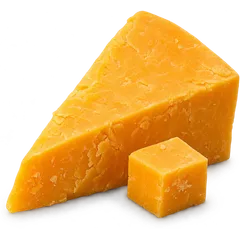
- Liver and liver pâté
- Cheese, milk and yoghurt
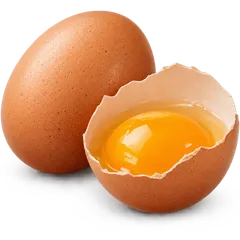
- Eggs
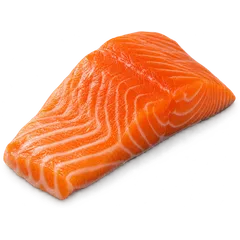
- Oily fish
Vitamin
Vitamin B1
Also called thiamin
Thiamin helps your body release energy from food and keeps your nervous system healthy. Pro-Ven gives the least and Menopace Night the most, all comfortably safe.
- Daily need
- 0.8mg
- Safe limit from supplements
- 100mg
- Top ten give
- 1.1mg to 15mg
Food sources
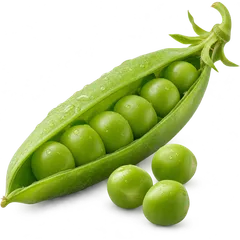
- Peas
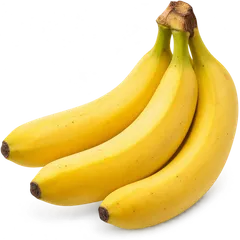
- Bananas and oranges
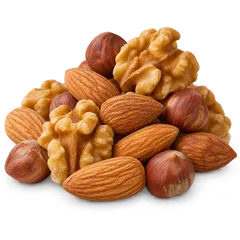
- Nuts
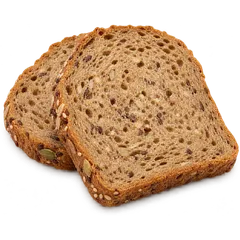
- Wholegrain bread
Vitamin
Vitamin B2
Also called riboflavin
Riboflavin keeps skin, eyes and nerves healthy and helps release energy from food. Prime Fifty gives the most.
- Daily need
- 1.1mg
- Safe limit from supplements
- 40mg
- Top ten give
- 1.4mg to 8.4mg
Food sources
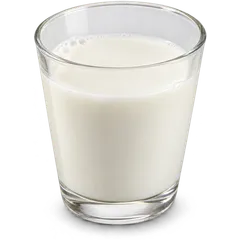
- Milk
- Eggs
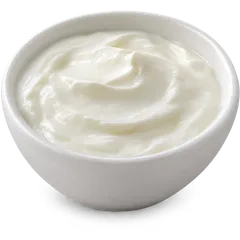
- Plain yoghurt
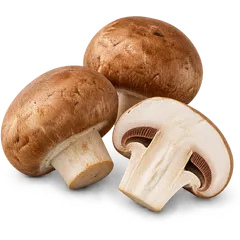
- Mushrooms
Vitamin
Vitamin B3
Also called niacin
Niacin helps release energy from food and keeps nerves and skin healthy. Nicotinic acid can cause skin flushing, so its limit is far lower: check which form the label names. Holland & Barrett's stored figure is withheld as a data error.
- Daily need
- 13.2mg
- Safe limit from supplements
- 500mg as nicotinamide; 17mg as nicotinic acid
- Top ten give
- 16mg to 32mg in 9 of 10
Food sources
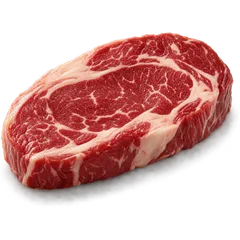
- Meat and poultry
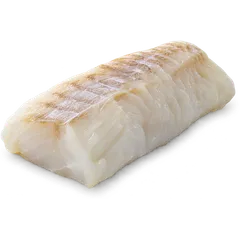
- Fish
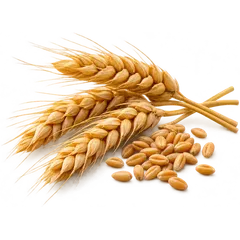
- Wheat flour
- Eggs
Vitamin
Vitamin B5
Also called pantothenic acid
Pantothenic acid helps release energy from food. Even the 30mg in the Menopace range is far below the limit.
- Daily need
- No UK figure
- Safe limit from supplements
- 200mg
- Top ten give
- 6mg to 30mg
Food sources
- Chicken and beef
- Liver and kidneys
- Eggs
- Mushrooms
Vitamin
Vitamin B6
Vitamin B6 helps your body use and store energy from protein and carbohydrate, and helps form haemoglobin, which carries oxygen in your blood. Seven of these products give 10mg, right at the limit and far above what you need. Very high doses of 200mg or more a day can cause loss of feeling in the arms and legs, and the effects between 10mg and 200mg aren't clear, so don't stack two products that contain B6.
- Daily need
- 1.2mg
- Safe limit from supplements
- 10mg
- Top ten give
- 2.1mg to 10mg
Food sources
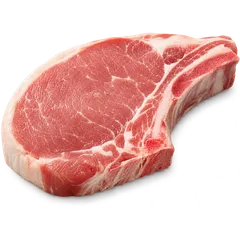
- Pork and poultry
- Fish
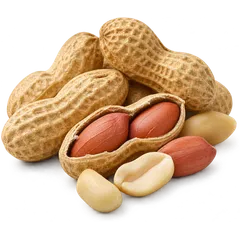
- Peanuts and soya beans
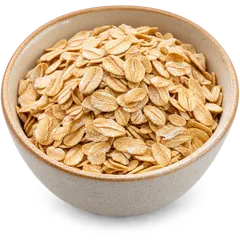
- Oats
Vitamin
Vitamin B7
Also called biotin
Biotin helps your body make fatty acids and is found at low levels in many foods. 4HER gives the most.
- Daily need
- No UK figure
- Safe limit from supplements
- 900µg
- Top ten give
- 30µg to 150µg
Food sources
- Eggs
- Liver
- Nuts and seeds
- Salmon
Vitamin
Vitamin B9
Also called folate or folic acid
Folate helps your body form healthy red blood cells. Higher doses of folic acid can hide the signs of B12 deficiency, but nothing here comes close. 4HER lists none.
- Daily need
- 200µg
- Safe limit from supplements
- 1mg of folic acid
- Top ten give
- 200µg to 400µg in 9 of 10
Food sources
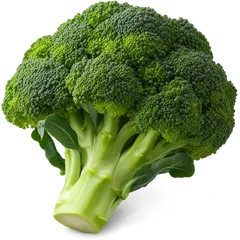
- Broccoli and Brussels sprouts
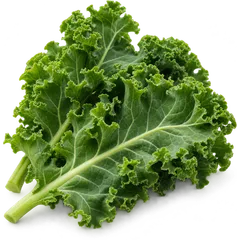
- Leafy greens such as cabbage, kale, spring greens and spinach
- Peas and chickpeas
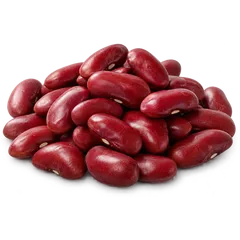
- Kidney beans
Vitamin
Vitamin B12
B12 helps make red blood cells and keeps your nervous system healthy. It's found mainly in animal foods, so it matters most if you eat few or none.
- Daily need
- 1.5µg
- Safe limit from supplements
- 2mg
- Top ten give
- 5µg to 40µg
Food sources
- Meat
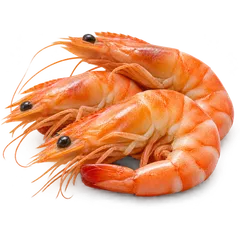
- Fish and shellfish
- Milk and cheese
- Eggs
Vitamin
Vitamin C
Vitamin C protects cells, keeps skin, blood vessels, bones and cartilage healthy, and helps wounds heal. 4HER lists none, but fruit and vegetables cover it easily.
- Daily need
- 40mg
- Safe limit from supplements
- 1,000mg
- Top ten give
- 45mg to 80mg in 9 of 10
Food sources
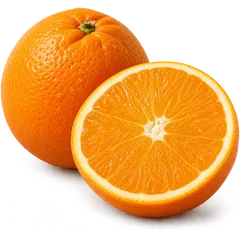
- Oranges and kiwi
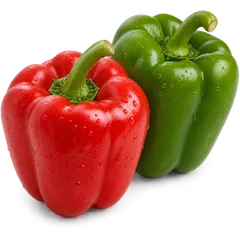
- Red and green peppers
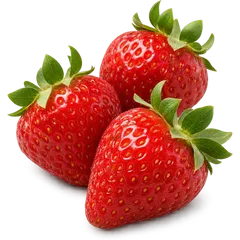
- Strawberries and blackcurrants
- Broccoli and Brussels sprouts
Vitamin
Vitamin D
Vitamin D helps your body use calcium, so it matters as much for bones as calcium itself. Menopace Plus gives the least, Menopace Night and Pro-Ven the most, and 4HER none.
- Daily need
- 10µg in autumn and winter
- Safe limit from supplements
- 100µg
- Top ten give
- 5µg to 25µg in 9 of 10
Food sources
- Oily fish such as salmon, sardines, herring and mackerel
- Red meat and liver
- Egg yolks
- Fortified spreads and breakfast cereals
Vitamin
Vitamin E
Vitamin E helps keep skin and eyes healthy and supports your immune system. Every product here is a long way below the limit.
- Daily need
- 3mg
- Safe limit from supplements
- 540mg
- Top ten give
- 3mg to 30mg
Food sources
- Plant oils such as rapeseed, sunflower, soya, corn and olive
- Nuts and seeds
- Wheatgerm
Vitamin
Vitamin K
Vitamin K helps blood clot, so wounds heal. Only Prime Fifty, Together Health and Pro-Ven include it; leafy greens are the main source.
- Daily need
- 1µg per kg of body weight
- Safe limit from supplements
- 1mg
- Top ten give
- 37µg to 100µg in 3 of 10
Food sources
- Green leafy vegetables such as broccoli, kale and spinach
- Vegetable oils
- Cereal grains
- Fermented foods and some cheeses (K2)
Minerals
Mineral
Calcium
Calcium builds bones and teeth, controls muscle contractions including your heartbeat, and helps blood clot. It matters more after the menopause, a known risk factor for osteoporosis. Menopace Max and Menopace Calcium give the full 700mg and Prime Fifty 400mg. The other seven list none, so get it from milk, yoghurt, fortified alternatives, bread made with fortified flour or fish with edible bones.
- Daily need
- 700mg
- Safe limit from supplements
- 1,500mg
- Top ten give
- 400mg to 700mg in 3 of 10
Food sources
- Milk, cheese and yoghurt
- Curly kale and okra
- Calcium-fortified soya drinks and tofu
- Bread made with fortified flour
Mineral
Chromium
Chromium helps your body use the carbohydrate, fat and protein in food, and helps keep blood sugar levels normal. It comes from foods such as meat, nuts and cereal grains. Prime Fifty and Pro-Ven give the most.
- Daily need
- 25µg
- Safe limit from supplements
- 10mg
- Top ten give
- 24µg to 80µg in 9 of 10
Food sources
- Meat
- Wholegrains such as wholemeal bread
- Lentils
- Broccoli and potatoes
Mineral
Copper
Copper helps make red and white blood cells and releases iron so it can form haemoglobin. None of these comes close to the limit.
- Daily need
- 1.2mg
- Safe limit from supplements
- 10mg, including food
- Top ten give
- 0.6mg to 1mg in 9 of 10
Food sources
- Nuts
- Shellfish
- Offal such as liver
- Wholegrains
Mineral
Iodine
Iodine helps your body make thyroid hormones. Menopace Max and Menopace Calcium give the most, so keep brown seaweed and kelp, which can be very high in iodine, occasional.
- Daily need
- 140µg
- Safe limit from supplements
- 500µg
- Top ten give
- 47µg to 250µg in 9 of 10
Food sources
- Cows' milk and dairy foods
- White and oily fish
- Shellfish
- Eggs
Mineral
Iron
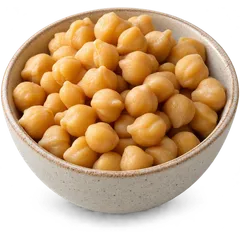
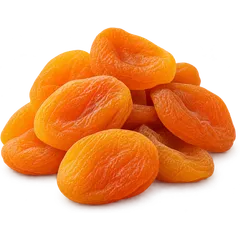
Iron helps make red blood cells, which carry oxygen around your body. Women need less from 50, down from 14.8mg a day at 19 to 49. If you're still having periods, you may need the higher amount, and these products give only 6mg to 8mg or none. Once periods stop, that tops up what you get from food.
- Daily need
- 8.7mg from age 50
- Safe limit from supplements
- 17mg
- Top ten give
- 6mg to 8mg in 8 of 10
Food sources
- Red meat and liver
- Beans such as kidney beans, edamame and chickpeas
- Nuts
- Dried fruit such as dried apricots
Mineral
Magnesium
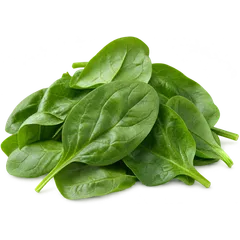
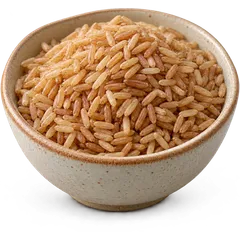
Magnesium helps turn food into energy and keeps the parathyroid glands working normally. Holland & Barrett's stored figure is withheld as a data error, and Pro-Ven and 4HER list none.
- Daily need
- 270mg
- Safe limit from supplements
- 400mg
- Top ten give
- 60mg to 100mg in 7 of 10
Food sources
- Spinach
- Nuts and seeds
- Wholemeal bread
- Brown rice
Mineral
Manganese
Manganese helps make and activate enzymes, including those that break down food. Most of these give 0.5mg or less, but Menopace Night and Prime Fifty give 2mg, above the lower limit for older people.
- Daily need
- Enough from a normal diet
- Safe limit from supplements
- 4mg; 0.5mg for older people
- Top ten give
- 0.3mg to 2mg in 8 of 10
Food sources
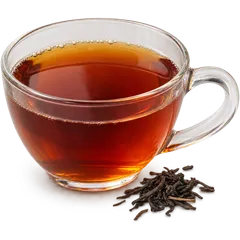
- Tea
- Bread and cereals
- Nuts
- Green vegetables such as peas
Mineral
Molybdenum
Molybdenum helps make and activate enzymes that repair and make genetic material. Only Prime Fifty lists it.
- Daily need
- Enough from a normal diet
- Safe limit from supplements
- No NHS figure
- Top ten give
- 10µg in 1 of 10
Food sources
- Peas and beans
- Leafy green vegetables and cauliflower
- Nuts
- Cereals such as oats
Mineral
Selenium
Selenium supports the immune system and helps prevent damage to cells. Menopace Night gives the most.
- Daily need
- 60µg
- Safe limit from supplements
- 350µg
- Top ten give
- 55µg to 110µg in 9 of 10
Food sources
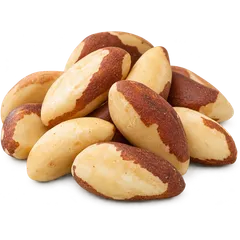
- Brazil nuts
- Fish
- Meat
- Eggs
Mineral
Zinc
Zinc helps make new cells and enzymes, process carbohydrate, fat and protein, and heal wounds. At 15mg or less, none of these leaves you near the limit.
- Daily need
- 7mg
- Safe limit from supplements
- 25mg
- Top ten give
- 6mg to 15mg in 9 of 10
Food sources
- Meat
- Shellfish
- Cheese and other dairy
- Bread and cereal products such as wheatgerm
What menopause supplements cannot do, and what helps instead
A multivitamin can cover vitamin D and part of your calcium. It won't treat hot flushes, night sweats, poor sleep or low mood. For those, the main NHS treatment is HRT and, if HRT doesn't suit you, options such as CBT and other prescribed medicines, so speak to a GP if symptoms affect your daily life.
Some practical self-help steps: do weight-bearing and resistance exercise for your bones, wear light layers and keep the bedroom cool, cut down on alcohol and caffeine, and stop smoking.
Herbal remedies such as red clover and black cohosh are sometimes sold for these symptoms, but there is very little evidence on how well they work or how safe they are, and some can cause serious side effects with other medicines, so talk to a doctor before taking them.
What the herbal ingredients are reported to do
Every one of the ten adds at least one plant ingredient alongside the vitamins. Here is each one in the top ten, in alphabetical order, with what it's reportedly used for; Pro-Ven also adds probiotic cultures. The evidence is limited or mixed, so treat any benefit as possible rather than expected.
Ask a GP or pharmacist first if you take other medicines, or if you have had a hormone-sensitive condition such as some breast cancers, because several of these act like weak plant oestrogens.
Herbal ingredient
Ashwagandha
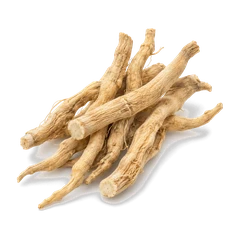
Ashwagandha is a root used in Ayurvedic medicine, reportedly taken for stress and sleep. There are rare reports of liver problems, so check with a pharmacist first if you have a liver or thyroid condition or take other medicines.
In these top-ten products
Herbal ingredient
Black pepper extract
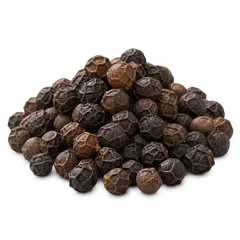
Black pepper extract supplies piperine, added to help the body absorb other ingredients rather than for the menopause itself.
In these top-ten products
Herbal ingredient
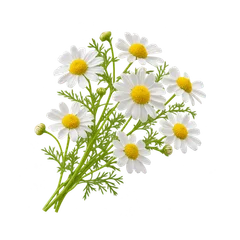
Chamomile
Chamomile is a traditional calming herb, reportedly used to help with sleep.
In these top-ten products
Herbal ingredient
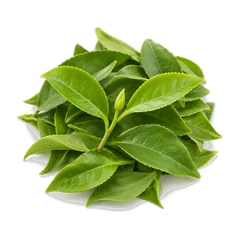
Green tea
Green tea extract supplies catechins, plant antioxidants, along with a little caffeine, and is reportedly taken for energy and weight. The amounts here are small, such as 50mg in Menopace Plus; very high-dose extracts have been linked to liver problems.
In these top-ten products
Herbal ingredient
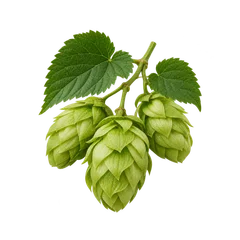
Hops
Hops contain plant compounds reported to act like a weak oestrogen. They're reportedly used for hot flushes, and traditionally to help with sleep.
Herbal ingredient
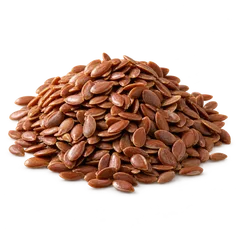
Lignans
Lignans are plant compounds that act like very weak oestrogens, best known from linseed (flaxseed), and are reportedly taken for hot flushes. Menopace Plus doesn't say which plant its lignans come from.
In these top-ten products
Herbal ingredient
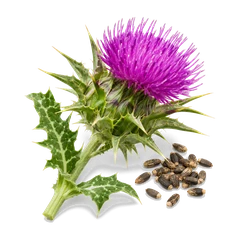
Milk thistle
Milk thistle seed extract is traditionally used to support the liver, though good evidence that it helps is lacking.
In these top-ten products
Herbal ingredient
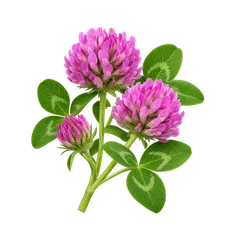
Red clover
Red clover is a source of isoflavones, plant oestrogens reportedly taken for hot flushes. It's one of the two herbal remedies the NHS names as having very little evidence.
Herbal ingredient
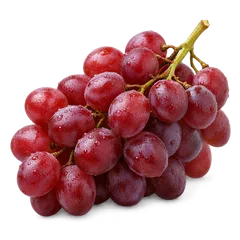
Resveratrol
Resveratrol is a plant compound found in grape skins, reportedly taken as an antioxidant. Prime Fifty doesn't name its source.
In these top-ten products
Herbal ingredient
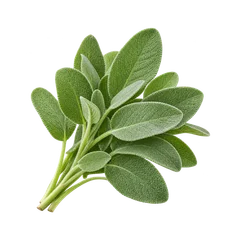
Sage
Sage is traditionally used for excessive sweating, and it's reportedly taken to reduce hot flushes and night sweats. Half of this top ten include it.
Herbal ingredient
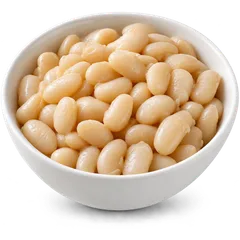
Soya isoflavones
Soya isoflavones are plant oestrogens similar to those in red clover, reportedly used for hot flushes. Study results vary. Six of the top ten include them, making soya the most common plant ingredient in the ranking.
Found in
- Tofu
- Soya beans
Herbal ingredient
Whole-food and herb blend
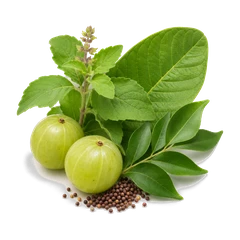
Together Health builds its capsule from whole foods and herbs: guava leaf, holy basil, amla fruit, curry leaf, lemon, agathi leaf, mustard seed, sage, carrot root, lichen, fermented chickpea and spinach leaf, plus chlorella and spirulina, which are algae. Its label has no separately added vitamins, so these supply the vitamins and minerals it lists, alongside 400mg of ashwagandha and 100mg of sage.
In these top-ten products
Herbal ingredient
Black cohosh
Common in menopause products, not in our top 10
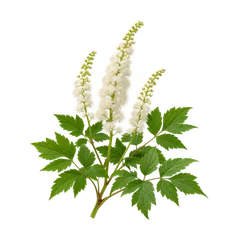
Black cohosh isn't in our top ten, but you'll see it in many other menopause products, reportedly for hot flushes. The NHS names it alongside red clover as having very little evidence on how well it works or how safe it is, so check with a pharmacist first if you take other medicines.
Sources and further reading
- 01NHS: Things you can do to help menopause and perimenopause symptoms
Calcium-rich food and vitamin D for bone health; talk to a doctor before herbal supplements. Last reviewed 19 May 2026.
- 02NHS: Treatment for menopause and perimenopause
HRT and other treatments; very little evidence on herbal remedies such as red clover and black cohosh. Last reviewed 19 May 2026.
- 03NHS: Osteoporosis
The menopause as a risk factor; calcium and vitamin D for strong bones. Last reviewed 29 October 2026.
- 04NHS: Calcium
Adults need 700mg a day; supplement limit 1,500mg; food sources.
- 05NHS: Vitamin D
10 micrograms a day in autumn and winter; no more than 100 micrograms a day.
- 06NHS: B vitamins and folic acid
Vitamin B6 needs and the 10mg limit from supplements.
- 07NHS: Iron
Women need 14.8mg a day at 19 to 49 and 8.7mg from 50.
- 08NHS: Vitamin A
After the menopause, no more than 1.5mg of vitamin A a day from food and supplements, because of the risk to bones; liver and supplements containing vitamin A.
- 09NHS: Vitamin C
Adults need 40mg a day; supplement limit under 1,000mg.
- 10NHS: Vitamin E
Women need 3mg a day; supplement limit 540mg.
- 11NHS: Vitamin K
About 1 microgram per kg of body weight a day; supplement limit 1mg.
- 12NHS: Iodine
Adults need 140 micrograms a day; supplement limit 0.5mg.
- 13NHS: Other vitamins and minerals
Daily needs and supplement guidance for magnesium, zinc, selenium, copper, manganese (0.5mg for older people), chromium and molybdenum.
- 14British Dietetic Association: Iodine food fact sheet
Seaweed's iodine varies and can be excessive; brown seaweed or kelp no more than once a week, and no kelp supplements as an iodine source.
- 15ProteinDeals catalogue label data, 14 November 2026
Label amounts, prices and pack sizes for 39 in-stock UK menopause and perimenopause supplements, scored on nutrients at 90% of the UK NRV.
Frequently asked questions
What is the best supplement for menopause in the UK?
Vitabiotics Menopace Night and Prime Fifty Menopause Support were the most complete when we compared labels on 14 November 2026, each giving at least 90% of the UK NRV for 17 of 26 vitamins and minerals. For bones, Menopace Max and Menopace Calcium are the only ones with the full 700mg of calcium. No supplement is proven to relieve menopause symptoms.
Is Menopace worth taking?
It's good value as a basic multivitamin. Standard Vitabiotics Menopace was the cheapest of our top ten at about 16p a day when we checked prices on 14 November 2026, and it gives at least 90% of the UK NRV for 15 of 26 vitamins and minerals, including 10µg of vitamin D. The pack lists no calcium, and it won't treat symptoms such as hot flushes.
Which Menopace is best?
It depends on what you want covered. Standard Menopace is the cheapest at about 16p a day and gives 10µg of vitamin D but no calcium. Menopace Night is the most complete, at 17 of 26 nutrients with 25µg of vitamin D. Menopace Max and Menopace Calcium are the only versions with 700mg of calcium, at about 74p and 90p a day. Prices were checked on 14 November 2026.
What vitamins should I take during menopause?
The NHS advises vitamin D supplements and calcium-rich food to keep bones healthy, because the menopause raises the risk of osteoporosis. Consider 10 micrograms of vitamin D a day in autumn and winter, and aim for 700mg of calcium a day. After the menopause, keep vitamin A from food and supplements under 1.5mg a day. Ask a GP before taking herbal supplements.
Do menopause supplements help with hot flushes?
Probably not. There's very little evidence on how well herbal remedies such as red clover and black cohosh work, or how safe they are, and some can cause serious side effects with other medicines. NHS treatments for hot flushes include HRT and CBT, so speak to a GP if symptoms affect your daily life.
Do I need iron after menopause?
Less than before. The NHS says women need 8.7mg of iron a day from 50, compared with 14.8mg at 19 to 49, though you may need the higher amount if you're still having periods. The menopause supplements we ranked give between none and 8mg.
More in this guide
 Best Multivitamins UK: The 10 Most Complete, Including the CheapestNo UK multivitamin we track covers every vitamin and mineral. The 10 most complete reach 21 of 26, from 3p a day, with vitamin D, iron and dose checks explained.
 How we rank and scoreOur criteria, the data we use and the full method behind every ranking.
 Compare menopause supplementsSee current tracked prices and find the best value in the UK.
 Creatine for Women: Benefits, Dose and Whether You Need a Women's FormulaWomen naturally store less creatine than men, and research supports creatine for strength and training. The dose is the same, and plain creatine monohydrate is the best value.
 Best Protein Powder for Women UK: Top Picks, Prices and What to BuyPhD Diet Whey leads UK protein powder for women in 2026: 20g protein under 100 kcal. Form Performance Protein wins vegan, Applied ISO-XP wins cutting macros.
 Best Pregnancy Vitamins UK: The 10 Most Complete PrenatalsWe ranked 29 UK pregnancy and conception vitamins on their labels. Every top-10 pick has the NHS 400µg folic acid and at least 10µg vitamin D, from 13p a day.