

Key
takeaways
- All ten cover the NHS basics: 400µg folic acid and at least 10µg vitamin D.
- Boots Bump & Beyond reaches 18 nutrients for about 13p a day, a fifth of PROCEIVE's price for one nutrient fewer.
- Already pregnant and haven't taken folic acid? Start now and carry on until 12 weeks.
- Iron runs from none to 27mg a day. Two go above 17mg, the most that's safe from supplements, so take those on advice.
The top 10 most complete pregnancy vitamins in the UK
The NHS recommends two supplements in pregnancy: 400 micrograms of folic acid a day from before you conceive until you're 12 weeks pregnant, and 10 micrograms of vitamin D a day, at least from early October to late March. It also says not to take cod liver oil or supplements containing vitamin A as retinol.
All ten below give both, so any of them covers the basics. Where they differ is everything else: how many other vitamins and minerals they add, how much iron they contain and what they cost per day.
The table ranks them by how many of the 26 vitamins and minerals they give in useful amounts, with the cheaper one first when two tie. Scroll sideways for every nutrient, and tap a symbol to see what it does. You can filter the full vitamin and mineral comparison by pregnancy to see the rest.
| Product | Nutrients at 90%+ NRV | Size | Price | Per day | Vitamins (per daily dose) | Minerals (per daily dose) | ||||||||||||||||||||||||
|---|---|---|---|---|---|---|---|---|---|---|---|---|---|---|---|---|---|---|---|---|---|---|---|---|---|---|---|---|---|---|
| UK daily NRV | 800µg | 1.1mg | 1.4mg | 16mg | 6mg | 1.4mg | 50µg | 200µg | 2.5µg | 80mg | 5µg | 12mg | 75µg | 800mg | 375mg | 10mg | 14mg | 55µg | 150µg | 1mg | 2mg | 40µg | 50µg | 2,000mg | 700mg | 800mg | ||||
| UK pregnancy intake (DH) | 700µg | 0.9mg | 1.4mg | 13mg | – | 1.2mg | – | 400µg | 1.5µg | 50mg | 10µg | – | – | 700mg | 270mg | 7mg | 14.8mg | 60µg | 140µg | 1.2mg | – | – | – | 3,500mg | 550mg | 2,500mg | ||||
1Holland & BarrettPROCEIVE Pregnancy (Trimester 1, 2 or 3) | 19 / 26(73%) | 60 capsules (2 a day)30 days | £21.50 | 72p | 10mg909% | 10mg714% | 25mg156% | 20mg333% | 10mg714% | 200µg400% | 400µg200% | 50µg2000% | 100mg125% | 20µg400% | 20mg167% | 80µg107% | 175mg22% | 200mg53% | 20mg200% | 17mg121% | 200µg364% | 150µg100% | 1mg100% | 1mg50% | 100µg250% | 100µg200% | ||||
| 18 / 26(69%) | 30 tablets30 days | £4.75 | 16p | 2.5mg227% | 2mg143% | 20mg125% | 6mg100% | 3mg214% | 50µg100% | 400µg200% | 5µg200% | 80mg100% | 15µg300% | 12mg100% | 75µg100% | 200mg25% | 150mg40% | 15mg150% | 14mg100% | 55µg100% | 140µg93% | 1mg100% | 40µg100% | |||||||
3Holland & BarrettActive Iron Pregnancy | 18 / 26(69%) | 30 tablets + 30 capsules30 days | £8.00 | 27p | 2.2mg200% | 2.8mg200% | 18mg113% | 12mg200% | 2.8mg200% | 100µg200% | 400µg200% | 25µg1000% | 80mg100% | 20µg400% | 12mg100% | 84µg112% | 120mg15% | 105mg28% | 12mg120% | 25mg179% | 100µg182% | 150µg100% | 1mg100% | 3mg150% | ||||||
4Holland & BarrettHealth & Her Pregnancy | 18 / 26(69%) | 60 capsules (2 a day)30 days | £24.99 | 83p | 2.2mg200% | 2.8mg200% | 25mg156% | 6mg100% | 10mg714% | 100µg200% | 400µg200% | 6µg240% | 100mg125% | 20µg400% | 25mg208% | 80µg107% | 100mg27% | 15mg150% | 7mg50% | 100µg182% | 150µg100% | 2mg100% | 40µg100% | 200µg400% | ||||||
5Holland & BarrettHealth & Her Fertility And Conception | 17 / 26(65%) | 60 capsules (2 a day)30 days | £24.99 | 83p | 2.2mg200% | 2.8mg200% | 25mg156% | 6.25mg104% | 8.6mg614% | 100µg200% | 400µg200% | 25µg1000% | 80mg100% | 25µg500% | 10mg83% | 50µg67% | 50mg6% | 56.3mg15% | 10mg100% | 10mg71% | 55µg100% | 150µg100% | 1mg100% | 2mg100% | 40µg100% | 50µg100% | ||||
6Holland & BarrettARTAH Core Prenatal+ | 17 / 26(65%) | 90 capsules (3 a day)30 days | £36.00 | £1.20 | 6mg545% | 3mg214% | 50mg313% | 20mg333% | 10mg714% | 50µg100% | 500µg250% | 50µg2000% | 100mg125% | 50µg1000% | 12mg100% | 50µg67% | 100mg27% | 20mg200% | 60µg109% | 150µg100% | 1mg100% | 100mg5000% | 50µg125% | 25µg50% | ||||||
7Holland & BarrettConceive Plus Women's Fertility Supplement | 15 / 26(58%) | 60 capsules60 days | £22.99 | 38p | 5.5mg500% | 7mg500% | 20mg125% | 6mg100% | 1.75mg125% | 150µg300% | 400µg200% | 12.5µg500% | 80mg100% | 15µg300% | 4mg33% | 20mg3% | 60mg16% | 15mg150% | 14mg100% | 55µg100% | 140µg93% | 1mg100% | ||||||||
8Holland & BarrettCentrum Pregnancy + DHA Omega-3 | 15 / 26(58%) | 30 tablets + 30 capsules (1 of each a day)30 days | £14.24 | 47p | 500µg63% | 1.4mg127% | 1.7mg121% | 22mg138% | 12mg200% | 3.8mg271% | 35µg70% | 400µg200% | 5.2µg208% | 100mg125% | 13µg260% | 24mg200% | 140mg18% | 60mg16% | 11mg110% | 27mg193% | 30µg55% | 175µg117% | 0.5mg50% | 2mg100% | 40µg100% | |||||
9Holland & BarrettEverydayMe Pre-Natal & Pregnancy Support | 15 / 26(58%) | 84 capsules (3 a day)28 days | £13.47 | 48p | 500µg63% | 2.2mg200% | 2mg143% | 16mg100% | 6mg100% | 5mg357% | 50µg100% | 400µg200% | 15µg600% | 120mg150% | 25µg500% | 12mg100% | 50µg67% | 100mg27% | 10mg100% | 7mg50% | 55µg100% | 150µg100% | 0.25mg25% | 0.5mg25% | 30µg75% | 50µg100% | ||||
10Holland & BarrettHealth & Her Conception Plus (IVF Suitable) | 15 / 26(58%) | 60 capsules + 30 tablets (3 a day)30 days | £31.99 | £1.07 | 2.2mg200% | 2.8mg200% | 32mg200% | 6.25mg104% | 10mg714% | 100µg200% | 500µg250% | 25µg1000% | 200mg250% | 25µg500% | 67mg558% | n/a | 130mg16% | 56.3mg15% | 20mg200% | 10mg71% | 200µg364% | 150µg100% | ||||||||

How we ranked them
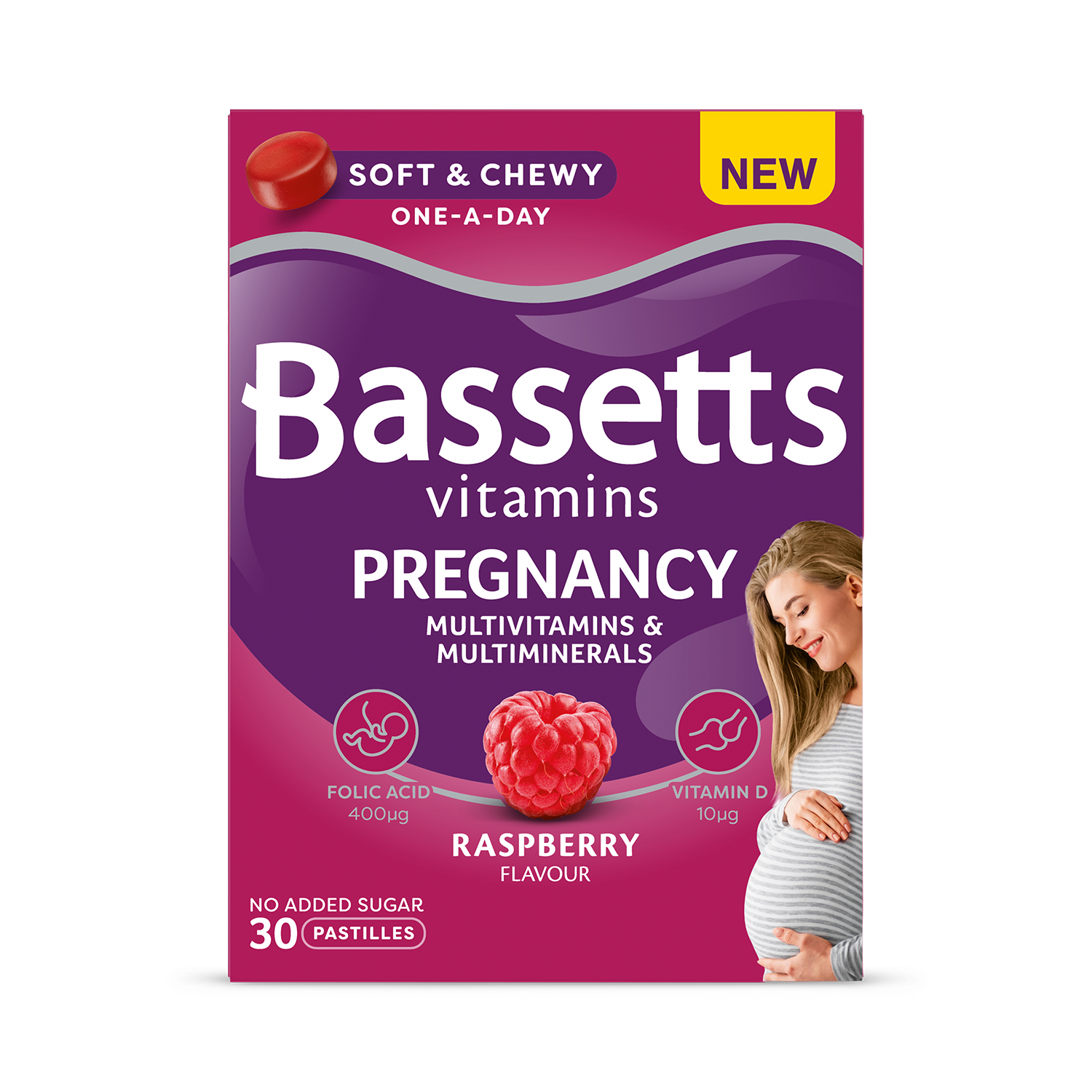
We started from 41 in-stock UK pregnancy and conception supplements and ranked the 29 made for women before and during pregnancy, leaving out men's, couples' and breastfeeding or after-pregnancy formulas and listing PROCEIVE's identical trimester packs once. A nutrient counts when one daily dose gives at least 90% of its UK NRV (the daily reference amount on UK labels), so 26 is the maximum, and ties go to the lowest price per day. Price per day is the pack price divided by the days it lasts, checked on 14 November 2026, and will change.
 Our top pick
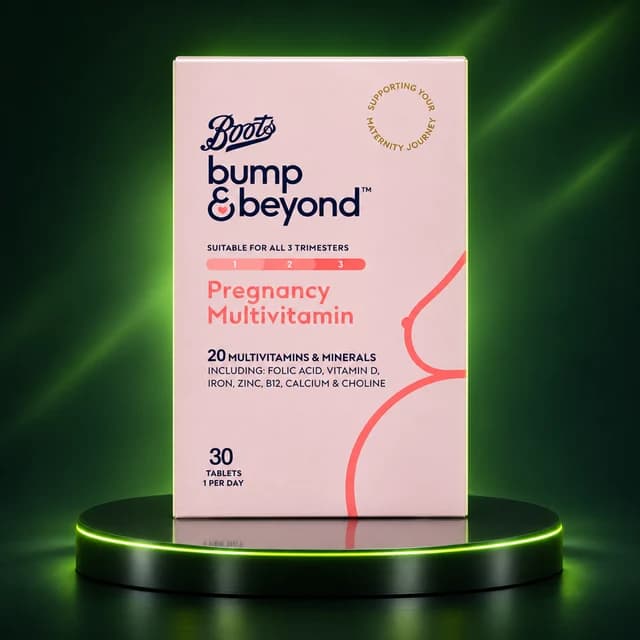
Best if you want the NHS basics and plenty more for the least money. One tablet reaches 18 of 26 nutrients, including 400µg folic acid and 15µg vitamin D, plus 14mg of iron. At about 13p a day (£4.00 for 30 tablets), it's the best value of the ten.
About
13p
Per day
Best pregnancy vitamins for different needs: our picks
Which one suits you depends on your budget, how much iron your midwife wants you to have and whether you'd like DHA omega-3 in the same daily dose.
PROCEIVE Pregnancy is the most complete formula we ranked: two capsules a day reach 19 of the 26 vitamins and minerals we score, more than any other product. That includes 400µg of folic acid, 150µg of iodine and 20µg of vitamin D, double the 10µg the NHS advises but well under the 100µg limit. It's sold as a separate pack for each trimester, but they list the same amounts, so any of them will do.
The catch is that two doses sit right at the top of the safe range. Its 10mg of vitamin B6 and 17mg of iron are the most you should take from supplements, so don't pair it with another product containing either, and tell your midwife you already take 17mg if they suggest iron. The 200µg of selenium is fine on its own, but keep Brazil nuts, which are very high in it, to the odd one. At about 72p a day, it's one of the dearer picks.
Dose check: daily dose against UK amounts
| Nutrient | Daily dose | You need | NHS limit from supplements | Verdict |
|---|---|---|---|---|
| Folic acid | 400µg | 400µg (NHS) | 1mg (1,000µg) | Within the limit |
| Vitamin D | 20µg | 10µg (NHS) | 100µg | Within the limit |
| Iodine | 150µg | 140µg | 500µg | Within the limit |
| Iron | 17mg | 14.8mg | 17mg | At the limitDon't add another iron product unless your midwife advises it. |
| Vitamin B6 | 10mg | 1.2mg | 10mg | At the limitDon't take another product that contains B6. |
| Zinc | 20mg | 7mg | 25mg | Within the limitDon't add a separate zinc supplement. |
| Selenium | 200µg | 60µg | 350µg | Within the limitGo easy on Brazil nuts. |
Foods to go easy on with this one
- Brazil nutsSeleniumThe richest food source: just two can cover a day's need, on top of the 200µg in this formula. Too much selenium can cause selenosis, so keep them to the odd one.
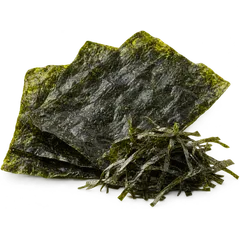
- Brown seaweed and kelpIodineIts iodine varies and can be very high. With 150µg already in this formula, the BDA advises eating brown seaweed or kelp no more than once a week in pregnancy, and not taking kelp supplements.

Vitabiotics Pregnacare Original
90 tablets · lasts 90 days
Pack price
£12.44
Per day
14p
Vitabiotics Pregnacare Original covers the two supplements the NHS asks for in a single tablet: 400µg of folic acid and 10µg of vitamin D, with 150µg of iodine and 17mg of iron on top. It reaches 14 of our 26 nutrients, just outside the top ten, for about 14p a day from the 90-tablet pack.
Like PROCEIVE, it gives 10mg of vitamin B6 and 17mg of iron, both at the limit for supplements, so don't stack it with another multivitamin or a separate B6 or iron product. If price matters most, Boots Bump & Beyond costs about the same per day and reaches four more nutrients.
Dose check: daily dose against UK amounts
| Nutrient | Daily dose | You need | NHS limit from supplements | Verdict |
|---|---|---|---|---|
| Folic acid | 400µg | 400µg (NHS) | 1mg (1,000µg) | Within the limit |
| Vitamin D | 10µg | 10µg (NHS) | 100µg | Within the limit |
| Iodine | 150µg | 140µg | 500µg | Within the limit |
| Iron | 17mg | 14.8mg | 17mg | At the limitDon't add another iron product unless your midwife advises it. |
| Vitamin B6 | 10mg | 1.2mg | 10mg | At the limitDon't take another product that contains B6. |
| Zinc | 15mg | 7mg | 25mg | Within the limit |
Foods to go easy on with this one
- Brown seaweed and kelpIodineIts iodine varies and can be very high. With 150µg already in this formula, the BDA advises eating brown seaweed or kelp no more than once a week in pregnancy, and not taking kelp supplements.
Centrum Pregnancy + DHA Omega-3
30 tablets + 30 capsules (1 of each a day) · lasts 30 days
Pack price
£14.24
Per day
47p
Centrum Pregnancy + DHA Omega-3 pairs a multivitamin tablet with a DHA omega-3 capsule, one of each a day, so you don't need a separate fish oil. It's the only top-ten formula with DHA, and it gives the most iodine (175µg) and the most iron (27mg) in the ranking, for about 47p a day. Omega-3 isn't one of the supplements the NHS recommends in pregnancy, so treat it as a bonus rather than a reason to buy.
The 27mg of iron is the number to know. It's well above the 17mg considered safe from supplements, and doses over 20mg can cause constipation, sickness and stomach pain, so this suits you best if your midwife has advised extra iron. It also lists 500µg of vitamin A without naming the form. Retinol, the animal form, should be avoided in pregnancy, so check the pack says beta-carotene before you buy.
Dose check: daily dose against UK amounts
| Nutrient | Daily dose | You need | NHS limit from supplements | Verdict |
|---|---|---|---|---|
| Folic acid | 400µg | 400µg (NHS) | 1mg (1,000µg) | Within the limit |
| Vitamin D | 13µg | 10µg (NHS) | 100µg | Within the limit |
| Iodine | 175µg | 140µg | 500µg | Within the limit |
| Iron | 27mg | 14.8mg | 17mg | Above the limitOver 20mg can cause constipation and stomach upset. Take it on your midwife's advice. |
| Vitamin B6 | 3.8mg | 1.2mg | 10mg | Within the limit |
| Vitamin A | 500µg | 700µg, from food | No retinol in pregnancy | Worth checkingThe form isn't named. Check the pack says beta-carotene. |
Foods to go easy on with this one
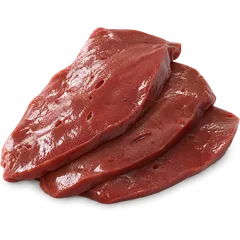
- Liver and liver products, such as pâtéVitamin AHigh in vitamin A, which can harm your baby, so avoid them in pregnancy. This formula already lists 500µg of vitamin A.
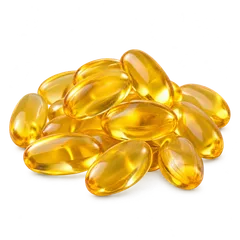
- Cod liver oilVitamin ANot recommended in pregnancy because of its vitamin A. The capsule already gives you DHA omega-3, so there's no need for a fish oil too.
- Brown seaweed and kelpIodineIts iodine varies and can be very high. With 175µg already in this formula, the BDA advises eating brown seaweed or kelp no more than once a week in pregnancy, and not taking kelp supplements.
How to choose a pregnancy vitamin
These checks will narrow the choice to the formula that suits you.
- Start with what the NHS asks for: 400µg folic acid and 10µg vitamin D. Everything else is extra, so if money is tight, Boots Bump & Beyond (about 13p a day) or Pregnacare Original (about 14p) covers both.
- If you're already pregnant and haven't been taking folic acid, start now and keep going until you're 12 weeks. Taking it for longer won't harm your baby.
- Compare the cost per day, not the pack price. Health & Her Pregnancy's £24.99 pack lasts 30 days at two capsules a day, about 83p a day, against about 13p for Boots Bump & Beyond.
- Match the iron to your needs. If your midwife hasn't suggested extra iron, a formula with 7mg to 17mg is the more cautious choice.
- Don't double up. A pregnancy multivitamin plus a separate vitamin D, B6 or iron product can take you past the safe limits.
- If you're vegetarian or vegan, look for a vegetarian or vegan mark on the pack, since some capsules contain gelatine, and ask your midwife about B12, iron and vitamin D.
- Check whether you qualify for Healthy Start, which may get you free vitamin supplements.
Why pregnancy vitamins leave out vitamin A as retinol
If you're pregnant, the NHS advises not to take cod liver oil or supplements containing vitamin A (sometimes called retinol), and to avoid liver. Large amounts of vitamin A can harm a baby. This is the main reason to choose a pregnancy formula over a standard adult multivitamin, which often contains retinol.
Eight of the top ten contain no vitamin A at all. EverydayMe and Centrum Pregnancy list 500µg but don't say which form it is, so check the pack says beta-carotene, the plant form of vitamin A, before buying. If it doesn't, ask your pharmacist.
What each vitamin and mineral does in pregnancy
Folic acid and vitamin D are the two everyone is advised to take in pregnancy, and iodine, iron, B12 and B6 are where the top ten differ most. The cards below, vitamins first and then minerals, cover every vitamin and mineral in the table. Each shows how much you need a day and the most that's safe from supplements, from the NHS or, where marked UK, the Department of Health's pregnancy amounts, next to what the top ten give. None of them lists potassium, phosphorus or chloride, which come from everyday food. Tap a symbol to see which foods contain each one.
Vitamins
Vitamin
Vitamin A
Also called retinol
Vitamin A helps your immune system and vision, but large amounts can harm a baby, which is why pregnancy formulas leave out retinol and liver is off the menu (see why pregnancy vitamins leave out retinol). EverydayMe and Centrum Pregnancy list 500µg without naming the form, so check the pack says beta-carotene.
- Daily need
- 700µg in pregnancy (UK)
- Safe limit from supplements
- No retinol in pregnancy
- Top ten give
- None in 8 of 10; 500µg in 2
Food sources
- Cheese, milk and yoghurt
- Eggs
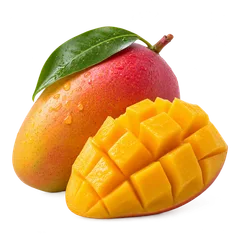
- Beta-carotene from carrots, sweet potato, spinach, red peppers, mango and apricots

Vitamin
Vitamin B1
Also called thiamin
Thiamin helps your body release energy from food and keeps your nervous system healthy. Centrum gives the least and PROCEIVE the most, all comfortably safe.
- Daily need
- 0.8mg
- Safe limit from supplements
- 100mg
- Top ten give
- 1.4mg to 10mg
Food sources
- Peas
- Bananas and oranges
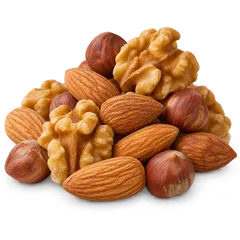
- Nuts
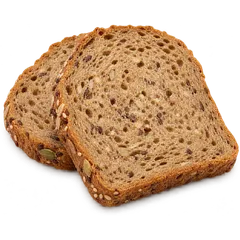
- Wholegrain bread


Vitamin
Vitamin B2
Also called riboflavin
Riboflavin keeps skin, eyes and nerves healthy and helps release energy from food. Every top-ten product clears the higher pregnancy figure, from Centrum's 1.7mg to PROCEIVE's 10mg.
- Daily need
- 1.1mg; 1.4mg in pregnancy (UK)
- Safe limit from supplements
- 40mg
- Top ten give
- 1.7mg to 10mg
Food sources
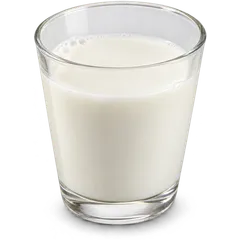
- Milk
- Eggs
- Plain yoghurt
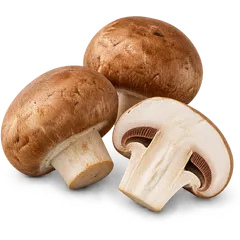
- Mushrooms

Vitamin
Vitamin B3
Also called niacin
Niacin helps release energy from food and keeps nerves and skin healthy. The form matters: nicotinic acid can cause skin flushing, so its limit is far lower. With up to 50mg in ARTAH, check which form the label names.
- Daily need
- 13.2mg
- Safe limit from supplements
- 500mg as nicotinamide; 17mg as nicotinic acid
- Top ten give
- 16mg to 50mg
Food sources
- Meat and poultry
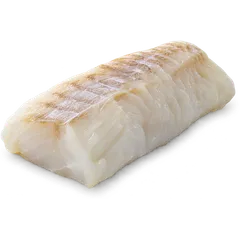
- Fish
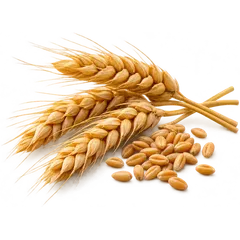
- Wheat flour
- Eggs

Vitamin
Vitamin B5
Also called pantothenic acid
Pantothenic acid helps release energy from food. Every product here sits far below the limit.
- Daily need
- No UK figure
- Safe limit from supplements
- 200mg
- Top ten give
- 6mg to 20mg
Food sources
- Chicken and beef
- Eggs
- Mushrooms
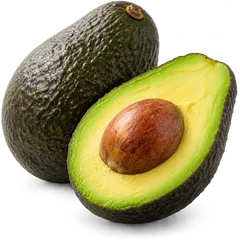
- Avocado
Vitamin
Vitamin B6
Vitamin B6 helps your body use and store energy from protein and carbohydrate, and helps form haemoglobin, which carries oxygen in your blood. B6 is the one to watch if you take more than one supplement. PROCEIVE, ARTAH, Health & Her Pregnancy and Health & Her Conception Plus each give 10mg, right at the limit, so avoid stacking two products that both contain it.
- Daily need
- 1.2mg
- Safe limit from supplements
- 10mg
- Top ten give
- 1.75mg to 10mg
Food sources
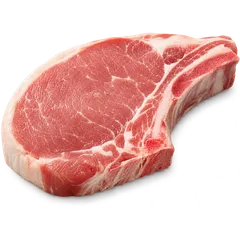
- Pork and poultry
- Fish
- Peanuts and soya beans
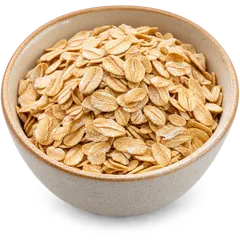
- Oats

Vitamin
Vitamin B7
Also called biotin
Biotin helps your body make fatty acids and is found at low levels in many foods. Even PROCEIVE's 200µg is well under the limit.
- Daily need
- No UK figure
- Safe limit from supplements
- 900µg
- Top ten give
- 35µg to 200µg
Food sources
- Eggs
- Nuts and seeds
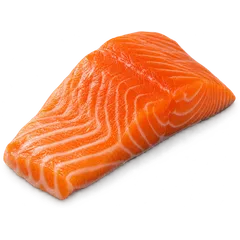
- Salmon
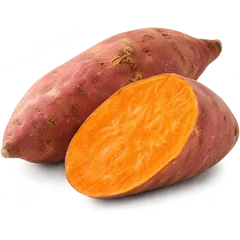
- Sweet potato
Vitamin
Vitamin B9
Also called folic acid or folate
Folic acid lowers the risk of neural tube defects such as spina bifida. Take it while trying to get pregnant, ideally from 3 months before, and for the first 12 weeks; if you didn't, start as soon as you find out. Taking it for longer won't harm your baby. Some women need a higher 5mg dose on prescription from a GP, including those with diabetes, those taking medicine for epilepsy or HIV, and those with a personal, partner or family history of neural tube defects.
- Daily need
- 400µg of folic acid
- Safe limit from supplements
- 1mg
- Top ten give
- 400µg to 500µg
Food sources
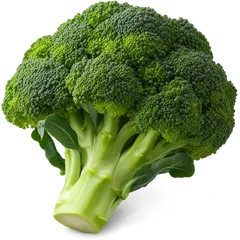
- Broccoli and Brussels sprouts
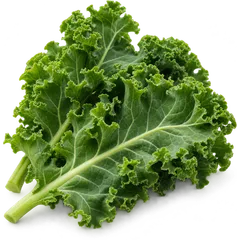
- Leafy greens such as cabbage, kale, spring greens and spinach
- Peas and chickpeas
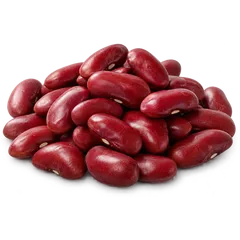
- Kidney beans
Vitamin
Vitamin B12
B12 helps make red blood cells. It comes mainly from animal foods, so check your intake if you eat few or none. Every top-ten formula gives at least double the 2.5µg labelling figure.
- Daily need
- 1.5µg
- Safe limit from supplements
- 2mg
- Top ten give
- 5µg to 50µg
Food sources
- Meat
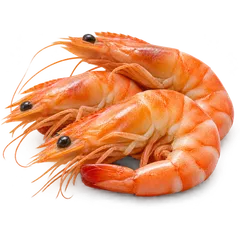
- Fish and shellfish
- Milk and cheese
- Eggs
Vitamin
Vitamin C
Vitamin C protects cells, keeps skin, blood vessels, bones and cartilage healthy, and helps wounds heal. All ten clear the late-pregnancy figure, and fruit and vegetables add plenty more.
- Daily need
- 40mg; 50mg late in pregnancy (UK)
- Safe limit from supplements
- 1,000mg
- Top ten give
- 80mg to 200mg
Food sources
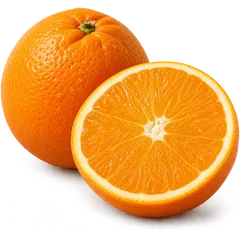
- Oranges and kiwi
- Red and green peppers
- Strawberries and blackcurrants
- Broccoli and Brussels sprouts


Vitamin
Vitamin D
Vitamin D keeps bones, teeth and muscles healthy. Take it from early October to late March, and all year if you cover most of your skin outdoors, spend a lot of time indoors or have black or brown skin. Oily fish is a good source, but stick to 2 portions a week while pregnant.
- Daily need
- 10µg
- Safe limit from supplements
- 100µg
- Top ten give
- 13µg to 50µg
Food sources
- Oily fish such as salmon, sardines, herring and mackerel
- Egg yolks
- Fortified spreads and breakfast cereals
- Red meat
Vitamin
Vitamin E
Vitamin E helps keep skin and eyes healthy and supports your immune system. Health & Her Conception Plus gives the most, still a fraction of the limit.
- Daily need
- 3mg
- Safe limit from supplements
- 540mg
- Top ten give
- 4mg to 67mg
Food sources
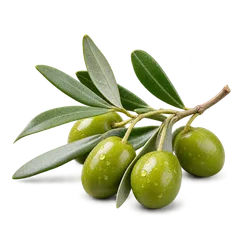
- Plant oils such as rapeseed, sunflower, soya, corn and olive
- Nuts and seeds
- Wheatgerm
Vitamin
Vitamin K
Vitamin K helps blood clot, so wounds heal. Conceive Plus, Centrum and Health & Her Conception Plus have none, but leafy greens are the main source anyway.
- Daily need
- 1µg per kg of body weight
- Safe limit from supplements
- 1mg
- Top ten give
- 50µg to 84µg in 7 of 10
Food sources
- Green leafy vegetables such as broccoli, kale and spinach
- Vegetable oils
- Cereal grains
- Fermented foods and some cheeses (K2)
Minerals
Mineral
Calcium
Calcium builds bones and teeth, controls muscle contractions including your heartbeat, and helps blood clot. Most people get enough from their diet, and these formulas add only a small share, so dairy or fortified alternatives still matter.
- Daily need
- 700mg
- Safe limit from supplements
- 1,500mg
- Top ten give
- 20mg to 200mg in 7 of 10
Food sources
- Milk, cheese and yoghurt
- Curly kale and okra
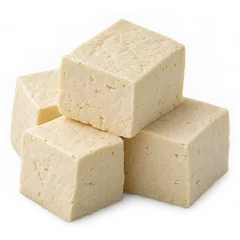
- Calcium-fortified soya drinks and tofu
- Bread made with fortified flour
Mineral
Chromium
Chromium helps your body use the carbohydrate, fat and protein in food, and helps keep blood sugar levels normal. It comes from foods such as meat, nuts and cereal grains. PROCEIVE gives the most.
- Daily need
- 25µg
- Safe limit from supplements
- 10mg
- Top ten give
- 30µg to 100µg in 7 of 10
Food sources
- Meat
- Wholegrains such as wholemeal bread
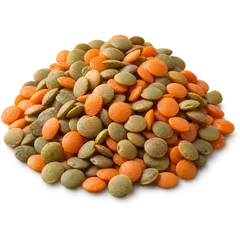
- Lentils
- Broccoli and potatoes
Mineral
Copper
Copper helps make red and white blood cells and releases iron so it can form haemoglobin. None of these comes close to the limit.
- Daily need
- 1.2mg
- Safe limit from supplements
- 10mg, including food
- Top ten give
- 0.25mg to 1mg in 8 of 10
Food sources
- Nuts
- Shellfish
- Wholegrains
Mineral
Iodine
Iodine helps your body make thyroid hormones. Boots Bump & Beyond and Conceive Plus give exactly 140µg, and Centrum the most. Dairy, eggs and fish are good sources, with oily fish kept to 2 portions a week in pregnancy.
- Daily need
- 140µg
- Safe limit from supplements
- 500µg
- Top ten give
- 140µg to 175µg
Food sources
- Cows' milk and dairy foods
- White and oily fish
- Shellfish
- Eggs
Mineral
Iron
Iron helps make red blood cells. Routine blood tests check your levels during pregnancy, and your GP or midwife will suggest a supplement if they're low. Above 20mg a day it can cause constipation and stomach upset, so take Active Iron Pregnancy (25mg) and Centrum (27mg) on advice.
- Daily need
- 14.8mg
- Safe limit from supplements
- 17mg
- Top ten give
- None to 27mg
Food sources
- Red meat
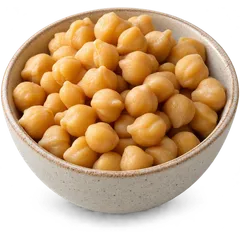
- Beans such as kidney beans, edamame and chickpeas
- Nuts
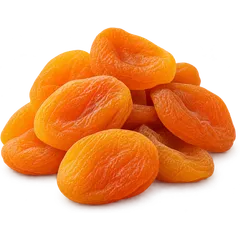
- Dried fruit such as dried apricots
Mineral
Magnesium
Magnesium helps turn food into energy and keeps the parathyroid glands working normally. PROCEIVE gives the most.
- Daily need
- 270mg
- Safe limit from supplements
- 400mg
- Top ten give
- 56mg to 200mg
Food sources
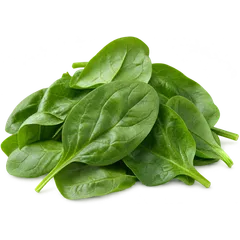
- Spinach
- Nuts and seeds
- Wholemeal bread
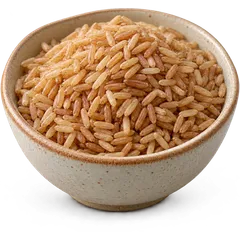
- Brown rice
Mineral
Manganese
Manganese helps make and activate enzymes, including those that break down food. Most diets already provide enough.
- Daily need
- Enough from a normal diet
- Safe limit from supplements
- 4mg
- Top ten give
- 0.5mg to 3mg in 6 of 10
Food sources
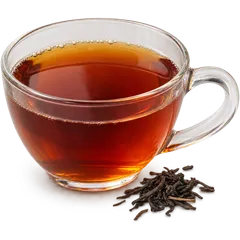
- Tea
- Bread and cereals
- Nuts
- Green vegetables such as peas
Mineral
Molybdenum
Molybdenum helps make and activate enzymes that repair and make genetic material. A varied diet provides plenty.
- Daily need
- Enough from a normal diet
- Safe limit from supplements
- No NHS figure
- Top ten give
- 25µg to 200µg in 5 of 10
Food sources
- Peas and beans
- Leafy green vegetables and cauliflower
- Nuts
- Cereals such as oats
Mineral
Selenium
Selenium supports the immune system and reproduction and helps prevent damage to cells. PROCEIVE and Health & Her Conception Plus give 200µg, so go easy on Brazil nuts, which are very high in it.
- Daily need
- 60µg
- Safe limit from supplements
- 350µg
- Top ten give
- 30µg to 200µg
Food sources
- Brazil nuts
- Fish
- Meat
- Eggs
Mineral
Zinc
Zinc helps make new cells and enzymes, process carbohydrate, fat and protein, and heal wounds. Don't add a separate zinc supplement to the 20mg products: PROCEIVE, ARTAH and Health & Her Conception Plus.
- Daily need
- 7mg
- Safe limit from supplements
- 25mg
- Top ten give
- 10mg to 20mg
Food sources
- Meat
- Shellfish
- Cheese and other dairy
- Bread and cereal products such as wheatgerm
Sources and further reading
- 01NHS: Pregnancy vitamins and supplements
Folic acid (400µg, from before conception to 12 weeks; 5mg for some), vitamin D (10µg), vitamin A and retinol, iron and Healthy Start. Last reviewed 3 June 2026.
- 02NHS: Foods to avoid in pregnancy
Why liver, which is high in vitamin A, should be avoided in pregnancy, and the limit of 2 portions of oily fish a week.
- 03NHS: B vitamins and folic acid
Folic acid in pregnancy (supplement limit 1mg), the 10mg limit for vitamin B6 from supplements, and daily needs and supplement limits for thiamin, riboflavin, niacin, pantothenic acid and biotin.
- 04NHS: Vitamin D
10 micrograms a day in autumn and winter, including in pregnancy; no more than 100 micrograms a day.
- 05NHS: Iron
Women aged 19 to 49 need 14.8mg a day; supplement limit 17mg, and over 20mg can cause constipation, sickness and stomach pain.
- 06NHS: Iodine
Adults need 140 micrograms of iodine a day; supplement limit 0.5mg.
- 07NHS: Vitamin A
Women need 600µg a day; intake from food and supplements should not exceed 1.5mg, and liver should be avoided in pregnancy.
- 08NHS: Vitamin C
Adults need 40mg a day; supplement limit under 1,000mg.
- 09NHS: Vitamin E
Women need 3mg a day; supplement limit 540mg.
- 10NHS: Vitamin K
About 1 microgram per kg of body weight a day; supplement limit 1mg.
- 11NHS: Calcium
Adults need 700mg a day; supplement limit 1,500mg.
- 12NHS: Other vitamins and minerals
Daily needs and supplement guidance for magnesium, zinc, selenium, copper, manganese, chromium and molybdenum.
- 13British Dietetic Association: Iodine food fact sheet
Seaweed's iodine varies and can be excessive; brown seaweed or kelp no more than once a week, especially in pregnancy, and no kelp supplements as an iodine source.
- 14The Vegan Society: Selenium (2017)
Brazil nuts tend to be high in selenium, two a day may meet the body's need, and too much can cause selenosis.
- 15British Nutrition Foundation: Nutrition requirements (2021)
UK Reference Nutrient Intakes and pregnancy increments from the Department of Health (1991) and SACN (vitamin D, 2016), used for the UK pregnancy row in the table.
- 16ProteinDeals catalogue label data, 14 November 2026
Label amounts, prices and pack sizes for 29 in-stock UK pregnancy and conception supplements, scored on nutrients at 90% of the UK NRV.
Frequently asked questions
What is the best pregnancy vitamin in the UK?
PROCEIVE Pregnancy is the most complete of the UK pregnancy vitamins we compared, giving at least 90% of the UK NRV for 19 nutrients for about 72p a day. For value, Boots Bump & Beyond reaches 18 for about 13p a day. Both include 400µg folic acid and at least 15µg vitamin D. Prices were checked on 14 November 2026.
Is Pregnacare a good pregnancy vitamin?
It covers the NHS basics at a low price, but on the labels Boots Bump & Beyond is the better buy. Pregnacare Original gives exactly the recommended 400µg folic acid and 10µg vitamin D and reaches at least 90% of the NRV for 14 nutrients, for about 14p a day from a 90-tablet pack. Boots reaches 18 for about 13p, with more vitamin D (15µg). Pregnacare has a little more iodine (150µg against 140µg) and iron (17mg against 14mg). Prices were checked on 14 November 2026.
Can I take a normal multivitamin when pregnant?
Check it first. The NHS advises not taking supplements that contain vitamin A as retinol, or cod liver oil, during pregnancy, and many standard multivitamins contain retinol. Most pregnancy formulas leave it out and include 400µg folic acid and vitamin D, but not all do, so read the label. If you're unsure, ask your pharmacist or midwife.
How much folic acid should I take when trying to get pregnant?
The NHS advises 400 micrograms of folic acid a day while you're trying to get pregnant, ideally from 3 months before, and until you're 12 weeks pregnant. Some women need a 5mg dose prescribed by a GP, for example those with diabetes or a previous pregnancy affected by a neural tube defect.
I'm already pregnant and haven't taken folic acid. Is it too late?
No. The NHS says to start taking 400 micrograms of folic acid a day as soon as you find out you're pregnant, and to continue until you're 12 weeks. Taking it for longer won't harm your baby. If you have diabetes, take medicine for epilepsy or HIV, or you or the baby's father has a family history of neural tube defects, ask your GP about the higher 5mg dose.
Do I need iron in a pregnancy vitamin?
Not always. Your GP or midwife will recommend iron supplements if your levels are low. The pregnancy vitamins we ranked range from no listed iron to 27mg a day, and the NHS says up to 17mg a day from supplements is unlikely to cause harm, so take higher doses on advice.
More in this guide
 Best Multivitamins UK: The 10 Most Complete, Including the CheapestNo UK multivitamin we track covers every vitamin and mineral. The 10 most complete reach 21 of 26, from 3p a day, with vitamin D, iron and dose checks explained.
 How we rank and scoreOur criteria, the data we use and the full method behind every ranking.
 Compare pregnancy vitaminsSee current tracked prices and find the best value in the UK.
 Best Menopause Supplements UK: The 10 Most Complete MultivitaminsWe ranked 39 UK menopause multivitamins on their labels. Only two of the top 10 give a full day of calcium, the nutrient the NHS stresses for bones after the menopause.
 Best Protein Powder for Women UK: Top Picks, Prices and What to BuyPhD Diet Whey leads UK protein powder for women in 2026: 20g protein under 100 kcal. Form Performance Protein wins vegan, Applied ISO-XP wins cutting macros.