

Quick answer
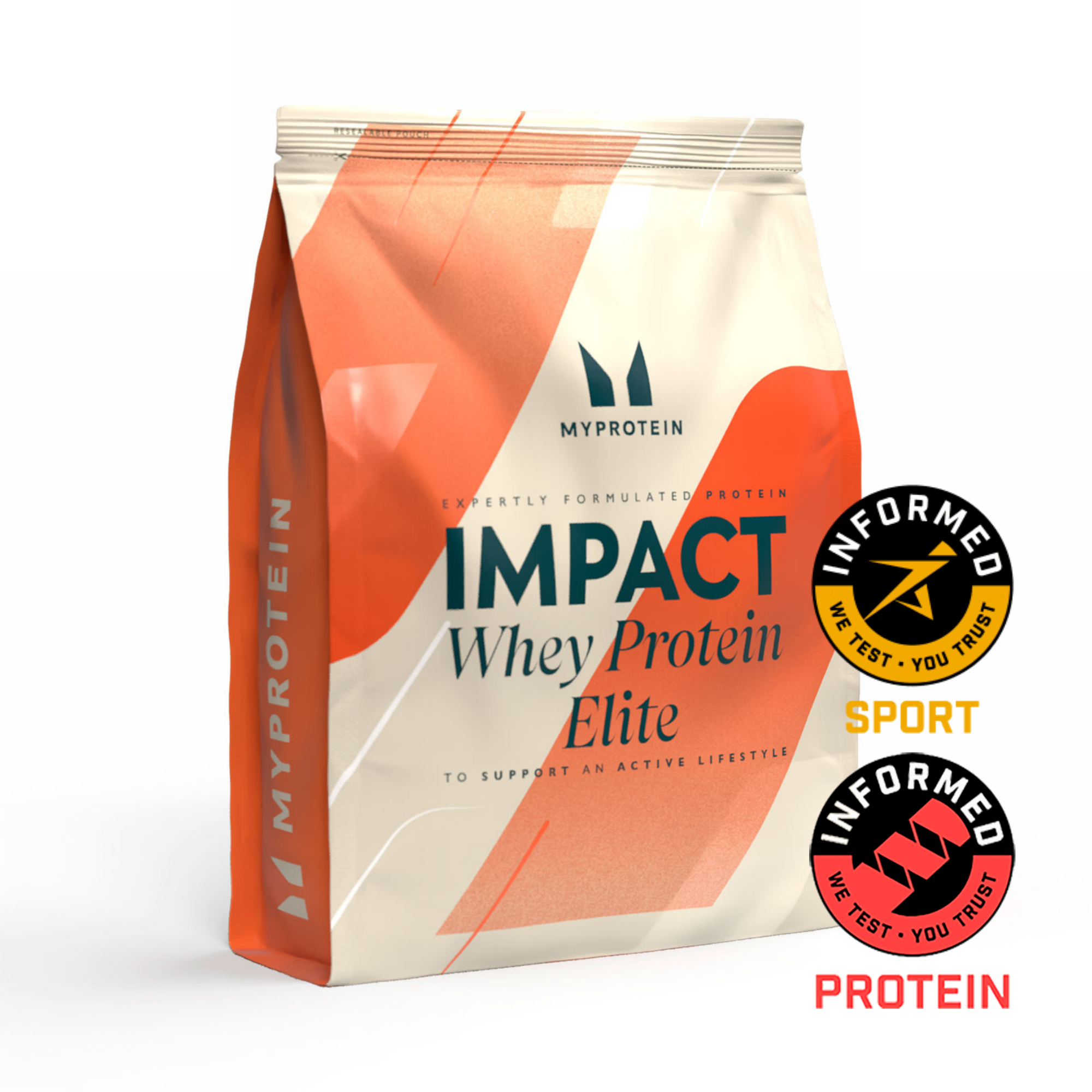
Women do not need a gendered protein powder. Our default is the same good-value whey we recommend generally: MyProtein Impact Whey, or Bulk Pure Whey when it is meaningfully cheaper per 25g protein. Applied Nutrition ISO-XP is the leaner option when lactose or calorie density matters; a pea-and-rice blend is the dairy-free choice. Skip products charging extra for pink packaging, ‘toning’ language, CLA, green tea or token micronutrient additions. Choose protein type, calories, tolerance and price first. Address iron or vitamin deficiencies separately at an appropriate dose rather than hoping a flavoured shake fixes them.
What is the best protein powder for women in the UK in 2026?
PhD Diet Whey is the best-value all-rounder for UK women in 2026. It delivers 20g of protein per serving at under 100 calories, adds CLA, green tea extract, and L-carnitine for fat-loss support, and is stocked in Tesco, Asda, Boots, and Holland and Barrett alongside Amazon UK at roughly 35 to 45p per 25g of protein on sale.
Form Performance Protein leads the vegan and clean-label category for women. It delivers 75g of protein per 100g from organic pea, brown rice, and pumpkin seed protein, layered with a digestive enzyme complex and curcumin (turmeric). It is B Corp certified with no artificial sweeteners, making it the right pick for women who want clean-label sourcing or who eat plant-based.
Applied Nutrition ISO-XP is the cleanest-macros choice for women cutting aggressively. It delivers 90g of protein per 100g, the highest density of any UK whey isolate in 2026, with near-zero carbs and fat, and it is Informed Sport certified for drug-tested athletes.
The 8 best protein powders for women in the UK in 2026
Eight UK protein powders ranked by the metrics that matter for women: protein per serving, calories per serving, added micronutrients, cost per 25g of protein, and Informed Sport certification where applicable.
For live UK prices across all eight picks and 40+ other women-relevant proteins sorted by cost per 25g of protein, see the ProteinDeals main comparison table, refreshed weekly across 85+ retailers. For the vegan-specific category, the vegan protein comparison sorts every UK plant-based option.
| Rank | Product | Best for | ProteinDeals verdict |
|---|---|---|---|
| 1 | Pure Source Nutrition Diet Whey Protein PowderFrom £37.99 Pros
| Best overall | The strongest current value in the live ProteinDeals results for this category. |
| 2 | Pure Source Nutrition Diet Whey Protein PowderFrom £37.99 Pros
| Best-value alternative | A competitive alternative worth checking against the leading pick for your preferred size and flavour. |
| 3 | Pure Source Nutrition Diet Whey Protein PowderFrom £37.99 Pros
| Specialist option | A competitive alternative worth checking against the leading pick for your preferred size and flavour. |
| 4 | Pure Source Nutrition Diet Whey Protein PowderFrom £37.99 Pros
| Specialist option | A competitive alternative worth checking against the leading pick for your preferred size and flavour. |
| 5 | Pure Source Nutrition Diet Whey Protein PowderFrom £37.99 Pros
| Specialist option | A competitive alternative worth checking against the leading pick for your preferred size and flavour. |
| 6 | Pure Source Nutrition Diet Whey Protein PowderFrom £37.99 Pros
| Specialist option | A competitive alternative worth checking against the leading pick for your preferred size and flavour. |
| 7 | Pure Source Nutrition Diet Whey Protein PowderFrom £37.99 Pros
| Specialist option | A competitive alternative worth checking against the leading pick for your preferred size and flavour. |
| 8 | Pure Source Nutrition Diet Whey Protein PowderFrom £37.99 Pros
| Specialist option | A competitive alternative worth checking against the leading pick for your preferred size and flavour. |

Live comparison
Whey Protein products
FlavourSize (g)QtyServingsOfferTotal Per 25g protein 3000191.2 £37.99 25.0g125£0.417 2000160.8 £27.99 25.0g125£0.460 1000130.4 £15.99 25.0g125£0.526 |
FlavourSize (g)QtyServingsOfferTotal Per 25g protein 1000132.3 £14.99£19.99 -25%25.0g118£0.463 |
FlavourSize (g)QtyServingsOfferTotal Per 25g protein 1000132.3 £14.99£19.99 -25%25.0g118£0.463 |
FlavourSize (g)QtyServingsOfferTotal Per 25g protein 1000127.3 £18.99 25.0g138£0.695 |
FlavourSize (g)QtyServingsOfferTotal Per 25g protein 48001113.3 £80.49 25.0g155£0.711 2400156.6 £40.99 25.0g155£0.724 1200128.3 £21.29 25.0g155£0.752 |
FlavourSize (g)QtyServingsOfferTotal Per 25g protein 48001130.6 £95.99 25.0g136£0.735 2400165.3 £51.99 25.0g136£0.796 1200132.6 £28.29 25.0g136£0.867 |
FlavourSize (g)QtyServingsOfferTotal Per 25g protein 48001132.5 £104.49 25.0g131£0.789 2400166.2 £56.49 25.0g131£0.853 1200133.1 £30.49 25.0g131£0.921 |
FlavourSize (g)QtyServingsOfferTotal Per 25g protein 43501125.3 £99.99 25.0g132£0.798 1000128.8 £25.99 25.0g127£0.902 50001146 £144.49 25.0g129£0.990 |
FlavourSize (g)QtyServingsOfferTotal Per 25g protein 60001168 £143.99 25.0g129£0.857 3000184 £77.99 25.0g129£0.928 1500142 £41.99 25.0g129£1.000 |
FlavourSize (g)QtyServingsOfferTotal Per 25g protein 2000157 £49.99£99.99 -50%25.0g136£0.878 1000128.5 £29.99£49.99 -40%25.0g136£1.053 500114.2 £17.99£24.99 -28%25.0g136£1.263 |
FlavourSize (g)QtyServingsOfferTotal Per 25g protein 2250163 £55.99 25.0g156£0.889 750121 £19.99 25.0g156£0.952 375110.8 £11.99 25.0g153£1.110 |
FlavourSize (g)QtyServingsOfferTotal Per 25g protein 720120.2 £17.99£29.99 -40%25.0g133£0.892 2000156 £69.99 25.0g134£1.250 15001- £64.99 --- |
FlavourSize (g)QtyServingsOfferTotal Per 25g protein 50001142 £129.99 25.0g133£0.915 2500171 £67.99 25.0g133£0.958 1000128.4 £27.99 25.0g133£0.986 |
FlavourSize (g)QtyServingsOfferTotal Per 25g protein 2000164.8 £60.00 25.0g127£0.926 |
FlavourSize (g)QtyServingsOfferTotal Per 25g protein 50001150 £139.99 25.0g125£0.933 2500175 £74.99 25.0g125£1.000 1000130 £31.99 25.0g125£1.066 |
FlavourSize (g)QtyServingsOfferTotal Per 25g protein 2100163 £59.95 25.0g126£0.952 510115.3 £29.95 25.0g126£1.957 |
FlavourSize (g)QtyServingsOfferTotal Per 25g protein 1800157.6 £54.95 25.0g113£0.954 1000132 £32.95 25.0g113£1.030 450114.4 £19.95 25.0g113£1.385 |
FlavourSize (g)QtyServingsOfferTotal Per 25g protein 50001112 £107.99 25.0g151£0.964 2500154 £59.99 25.0g162£1.111 1000123.2 £28.49 25.0g155£1.228 |
FlavourSize (g)QtyServingsOfferTotal Per 25g protein 908130.5 £30.02£49.99 -40%25.0g108£0.984 |
FlavourSize (g)QtyServingsOfferTotal Per 25g protein 40001124.8 £123.99 25.0g120£0.993 2000162.4 £63.99 25.0g120£1.025 1000131.2 £33.99 25.0g120£1.089 |
FlavourSize (g)QtyServingsOfferTotal Per 25g protein 40001118.4 £119.49 25.0g127£1.009 1000129.6 £31.99 25.0g127£1.081 |
FlavourSize (g)QtyServingsOfferTotal Per 25g protein 50001158.2 £159.99 25.0g126£1.011 3000194.9 £99.99 25.0g126£1.053 2000163.3 £69.99 25.0g126£1.106 |
FlavourSize (g)QtyServingsOfferTotal Per 25g protein 40001123.2 £127.99 25.0g123£1.039 500114.8 £15.99 25.0g127£1.080 2000159.2 £65.99 25.0g127£1.115 |
FlavourSize (g)QtyServingsOfferTotal Per 25g protein 1000128.5 £29.99£49.99 -40%25.0g136£1.053 500114.2 £17.99£49.99 -64%25.0g136£1.263 |
FlavourSize (g)QtyServingsOfferTotal Per 25g protein 45001138.1 £145.99 25.0g128£1.057 2270169.6 £89.99 25.0g128£1.292 1000130.7 £52.99 25.0g128£1.727 |
FlavourSize (g)QtyServingsOfferTotal Per 25g protein 908127.6 £29.39£42.99 -32%25.0g124£1.065 2000160.8 £92.99 25.0g126£1.529 3010.9 £2.99 25.0g125£3.194 |
FlavourSize (g)QtyServingsOfferTotal Per 25g protein 2270173.5 £79.99 25.0g117£1.088 |
FlavourSize (g)QtyServingsOfferTotal Per 25g protein 2270173.5 £79.99£89.99 -11%25.0g117£1.088 |
FlavourSize (g)QtyServingsOfferTotal Per 25g protein 2000153.6 £59.99 25.0g142£1.119 900124.1 £39.99 25.0g142£1.658 |
FlavourSize (g)QtyServingsOfferTotal Per 25g protein 2200170.4 £79.99 25.0g-£1.136 900128.8 £41.99 25.0g-£1.458 1500148 £74.99 25.0g-£1.562 |
FlavourSize (g)QtyServingsOfferTotal Per 25g protein 2000152 £59.99 25.0g151£1.154 1000126 £34.99 25.0g151£1.346 |
FlavourSize (g)QtyServingsOfferTotal Per 25g protein 500113.8 £15.99£24.99 -36%25.0g130£1.159 1000127.6 £39.99£44.99 -11%25.0g130£1.449 |
FlavourSize (g)QtyServingsOfferTotal Per 25g protein 1000129.6 £34.49 25.0g128£1.165 |
FlavourSize (g)QtyServingsOfferTotal Per 25g protein 2000158.3 £68.95 25.0g135£1.182 825124.1 £33.95 25.0g135£1.411 450113.1 £19.95 25.0g135£1.520 |
FlavourSize (g)QtyServingsOfferTotal Per 25g protein 2500177 £91.99 25.0g119£1.195 1000130.8 £39.99 25.0g119£1.298 500115.4 £23.49 25.0g119£1.525 |
FlavourSize (g)QtyServingsOfferTotal Per 25g protein 1000130.8 £36.99 25.0g130£1.201 500115.4 £25.99 25.0g130£1.688 |
FlavourSize (g)QtyServingsOfferTotal Per 25g protein 2000161.7 £75.00 25.0g126£1.215 |
FlavourSize (g)QtyServingsOfferTotal Per 25g protein 45301137.7 £170.00 25.0g123£1.234 2260168.7 £98.00 25.0g123£1.426 899127.3 £50.00 25.0g123£1.830 |
FlavourSize (g)QtyServingsOfferTotal Per 25g protein 900125.9 £32.00 25.0g130£1.235 |
FlavourSize (g)QtyServingsOfferTotal Per 25g protein 1800160.5 £75.00 25.0g-£1.240 |
FlavourSize (g)QtyServingsOfferTotal Per 25g protein 650117.4 £22.00 25.0g136£1.263 |
FlavourSize (g)QtyServingsOfferTotal Per 25g protein 500114.2 £17.99£24.99 -28%25.0g112£1.263 |
FlavourSize (g)QtyServingsOfferTotal Per 25g protein 2250155.2 £69.99 25.0g147£1.269 908122.3 £39.99 25.0g147£1.796 |
FlavourSize (g)QtyServingsOfferTotal Per 25g protein 2000154.4 £71.99 25.0g132£1.323 1000127.2 £39.99 25.0g132£1.470 500113.6 £21.99 25.0g132£1.617 |
FlavourSize (g)QtyServingsOfferTotal Per 25g protein 2270167.2 £92.00 25.0g125£1.369 |
FlavourSize (g)QtyServingsOfferTotal Per 25g protein 1000129.2 £39.99 25.0g152£1.370 |
FlavourSize (g)QtyServingsOfferTotal Per 25g protein 899125.5 £35.00 25.0g136£1.371 |
FlavourSize (g)QtyServingsOfferTotal Per 25g protein 1000127.6 £37.99 25.0g130£1.376 500113.8 £19.99 25.0g130£1.449 |
FlavourSize (g)QtyServingsOfferTotal Per 25g protein 900257.6 £80.98 25.0g120£1.406 900128.8 £44.99 25.0g120£1.562 3010.9 £2.49 25.0g120£2.664 |
FlavourSize (g)QtyServingsOfferTotal Per 25g protein 1000131.2 £44.99 25.0g127£1.442 3010.9 £1.75 25.0g129£1.944 30019.2 £21.99 25.0g126£2.380 |
FlavourSize (g)QtyServingsOfferTotal Per 25g protein 2000162.4 £89.99 25.0g130£1.442 1000128.8 £44.99 25.0g135£1.562 30019.1 £21.99 25.0g128£2.405 |
FlavourSize (g)QtyServingsOfferTotal Per 25g protein 420113.1 £18.99 25.0g120£1.445 |
FlavourSize (g)QtyServingsOfferTotal Per 25g protein 1800148.2 £69.99 25.0g139£1.451 1200132.2 £47.49 25.0g139£1.477 600116.1 £24.99 25.0g139£1.554 |
FlavourSize (g)QtyServingsOfferTotal Per 25g protein 2250182 £119.99 25.0g100£1.463 750127.3 £49.99 25.0g100£1.829 |
FlavourSize (g)QtyServingsOfferTotal Per 25g protein 900130 £43.99 25.0g-£1.467 |
FlavourSize (g)QtyServingsOfferTotal Per 25g protein 1800154 £79.99 25.0g128£1.481 810124.3 £49.99 25.0g128£2.057 450113 £29.99 25.0g133£2.314 |
FlavourSize (g)QtyServingsOfferTotal Per 25g protein 48001150.5 £224.00£236.00 -5%25.0g126£1.488 2400175.3 £120.00 25.0g126£1.594 1200137.6 £62.00 25.0g126£1.648 |
FlavourSize (g)QtyServingsOfferTotal Per 25g protein 1000260 £89.98 25.0g125£1.500 1000130 £49.99 25.0g125£1.666 |
FlavourSize (g)QtyServingsOfferTotal Per 25g protein 1020129.4 £44.99 25.0g127£1.532 |
FlavourSize (g)QtyServingsOfferTotal Per 25g protein 1000129.3 £48.95 25.0g131£1.669 |
FlavourSize (g)QtyServingsOfferTotal Per 25g protein 1000122 £36.99 25.0g166£1.678 |
FlavourSize (g)QtyServingsOfferTotal Per 25g protein 2000164.8 £112.00 25.0g129£1.728 1000132.4 £59.00 25.0g129£1.821 |
FlavourSize (g)QtyServingsOfferTotal Per 25g protein 600115.8 £27.49 25.0g142£1.735 |
FlavourSize (g)QtyServingsOfferTotal Per 25g protein 1000126.4 £54.00£60.00 -10%25.0g129£2.045 500113.6 £30.00 25.0g129£2.206 |
FlavourSize (g)QtyServingsOfferTotal Per 25g protein 1000126.8 £54.99 25.0g137£2.052 |
FlavourSize (g)QtyServingsOfferTotal Per 25g protein 1000125.6 £54.00£60.00 -10%25.0g134£2.109 500112.8 £30.00 25.0g134£2.344 |
FlavourSize (g)QtyServingsOfferTotal Per 25g protein 6011.8 £3.99 25.0g119£2.159 |
FlavourSize (g)QtyServingsOfferTotal Per 25g protein 30018.6 £24.99 25.0g128£2.892 |
FlavourSize (g)QtyServingsOfferTotal Per 25g protein 3110.9 £4.39 25.0g123£4.658 |
FlavourSize (g)QtyServingsOfferTotal Per 25g protein - £8.99 25.0g495- |
FlavourSize (g)QtyServingsOfferTotal Per 25g protein 20001- £77.50 25.0g-- |
FlavourSize (g)QtyServingsOfferTotal Per 25g protein 9001- £28.00 --- |
FlavourSize (g)QtyServingsOfferTotal Per 25g protein 20001- £67.50 25.0g-- 9081- £36.00 25.0g-- 4761- £18.00 25.0g-- |






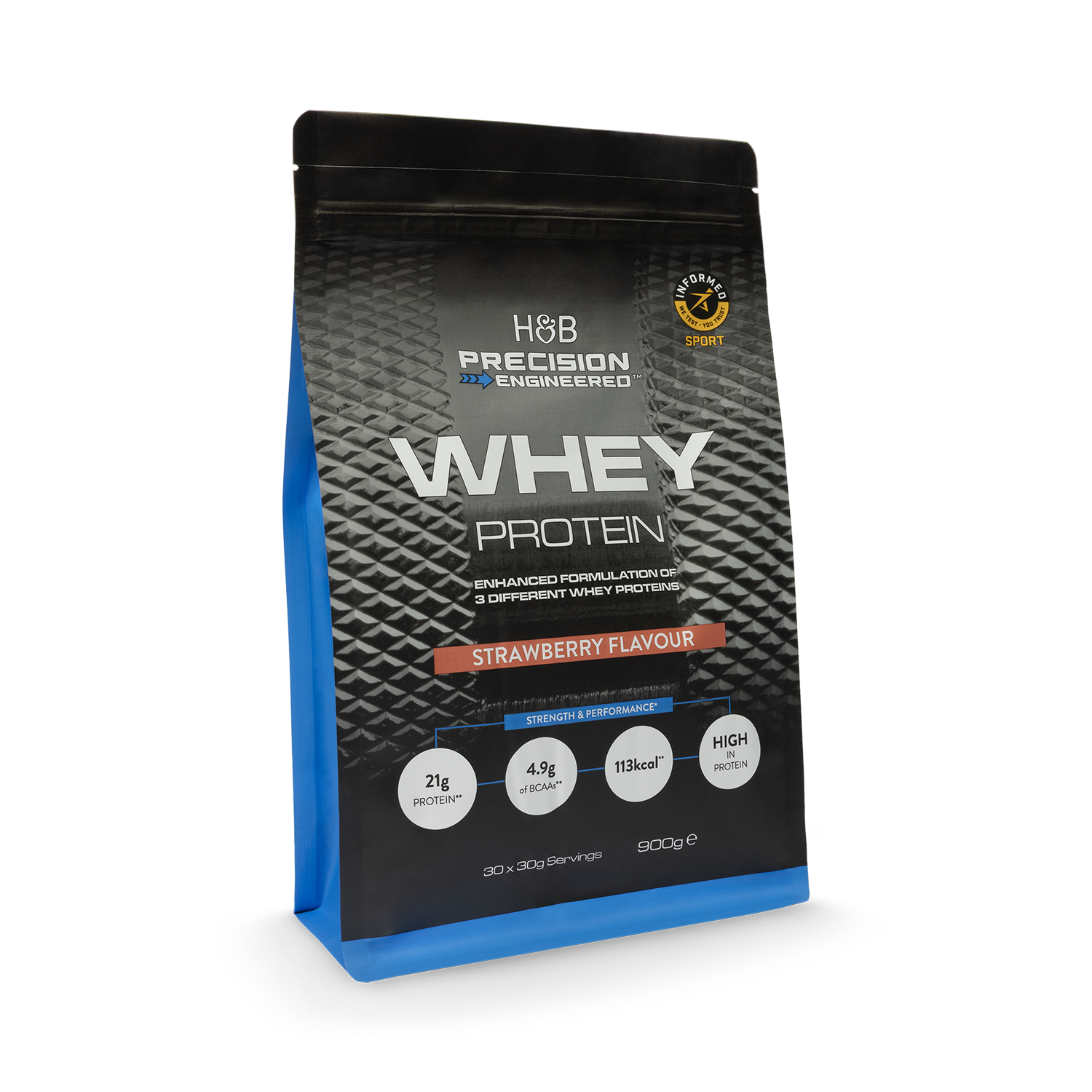

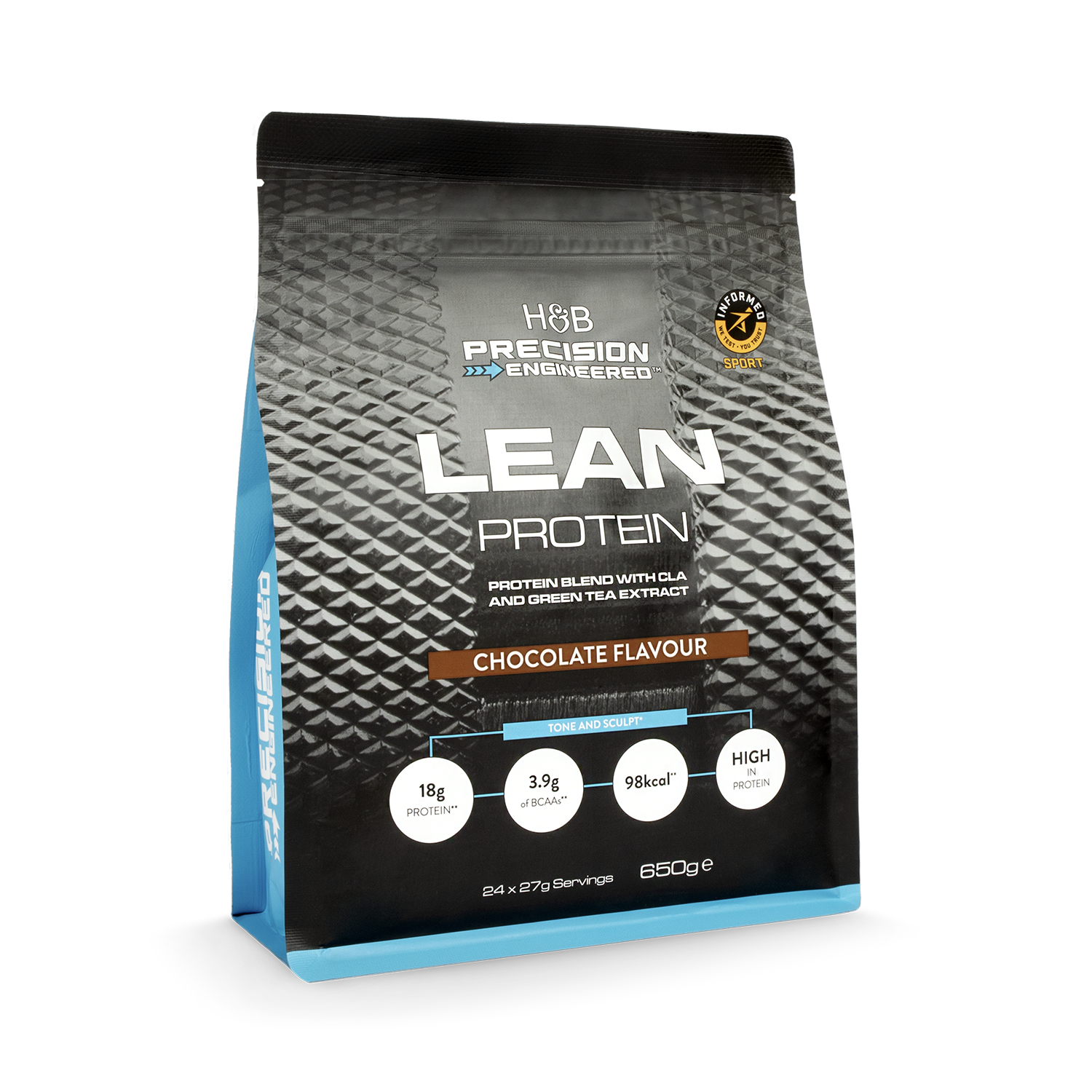



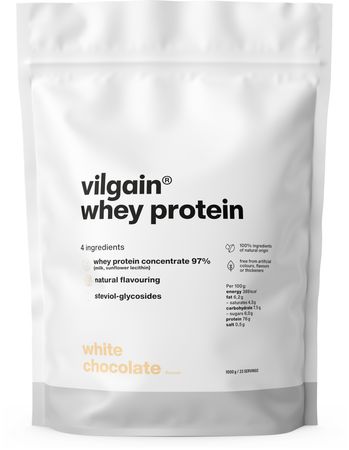
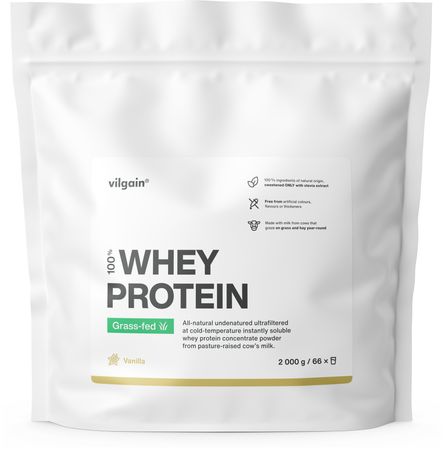
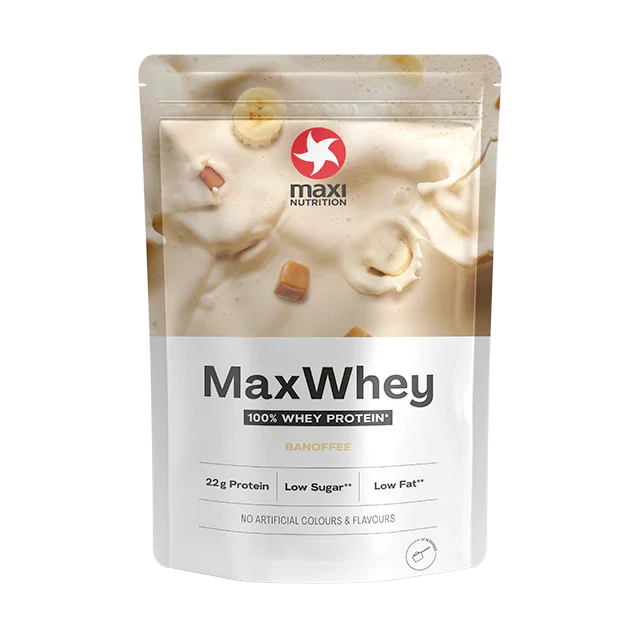












Best overall Whey Protein
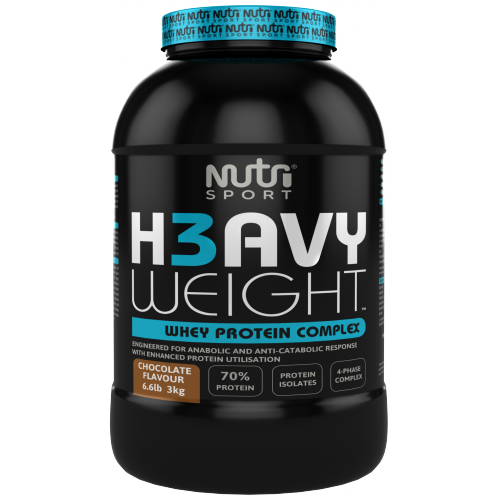
Diet Whey Protein Powder
Pure Source Nutrition · 1kg
Pros
- 55.5% cheaper per 25g protein than the median of 65 other Whey Protein product families in this comparison
What makes a protein powder good for women?
Five label specs separate a women-friendly protein powder from one that does not earn the positioning. None of them require the powder to be gender-specific, since what matters is that the macro and micronutrient profile fits women's typical daily intake gaps.
- 1
18 to 22g of protein per scoop. Women typically need slightly less total protein than men in absolute grams, but the same 0.3 to 0.4g per kg per meal is required for muscle protein synthesis. A 20g scoop hits the per-meal threshold without forcing a 35g scoop that would over-deliver and waste protein.
- 2
Under 110 calories per 25g protein serving. Standard whey concentrate scoops deliver 20g protein for around 110 calories, while diet wheys and whey isolates hit the same protein for 95 to 100 calories by stripping out fat and carbs. The 10 to 15 calorie difference compounds across daily intake for women in or near a calorie deficit.
- 3
Sugar under 2g per serving. Diet wheys and isolates hit this easily, while mass gainers, weight gain shakes, and supermarket wellness shakes often do not.
- 4
Added B-vitamins, iron, or calcium where it makes sense. UK women aged 19 to 50 commonly run low on iron, with 27 percent below the LRNI per NDNS 2024, as well as B12, especially vegans, and vitamin D. Protein powders that add these are filling real gaps, though the doses are typically small and a dedicated multivitamin is often more efficient. See the ProteinDeals vitamins hub for standalone supplementation options.
- 5
Cost per 25g of protein under 60p. Women who drink protein powder daily for 12 or more weeks will spend £100 to £200 per year on the supplement, and a 20p per serving gap compounds. Stick to picks under 60p per 25g of protein for honest value.
Community perspective
What others are saying
Watch what buyers found
Hands-on opinions
Dietitian's Protein Supplement Guide | The BEST Protein Shakes and Powders
Dietitian Hannah
A topic-specific video selected for additional practical context on Best Protein Powder for Women UK: Top Picks, Prices and What to Buy.
How much protein per day for women?
The evidence-backed protein target for women varies by activity and goal. Use the ProteinDeals protein calculator to dial in your daily target by bodyweight, activity, and goal.
- 1
Sedentary women (general health): 0.8g of protein per kg of bodyweight per day, the basic Recommended Nutrient Intake. For a 65kg adult that is 52g per day, achievable from food alone.
- 2
Active women, resistance training at maintenance: 1.4 to 1.6g per kg per day. For a 65kg adult that is 91 to 104g per day. Two protein shakes deliver 40 to 50g, closing the gap between typical UK food intake of 62g per NDNS 2024 and the target.
- 3
Women cutting fat: 1.6 to 2.0g per kg per day. The higher target preserves lean mass during a calorie deficit. For a 65kg adult that is 104 to 130g per day. Two diet whey shakes plus a 30g protein dinner plus a 20g protein breakfast hits the range comfortably.
- 4
Women building muscle: 1.6 to 2.2g per kg per day, the same range as men for hypertrophy work. The idea that women don't need as much protein is exactly that: a myth. Muscle protein synthesis follows the same physiology regardless of sex.
Whey, plant, or collagen: which is right for women?
Three protein categories suit different women's needs, and the category matters more than the brand.
- 1
Whey (concentrate or isolate) wins for muscle building and most general use. It has a complete amino acid profile, the fastest digestion, and the highest leucine content per scoop. The 4 to 30 percent of UK women with lactose sensitivity should choose isolate over concentrate, while everyone else can pick based on cost per 25g of protein.
- 2
Plant protein wins for vegan, dairy-free, or environmental priorities. Modern UK plant blends combining pea, rice, and pumpkin seed hit a complete amino acid profile in a 25 to 30g scoop and produce similar muscle gains to whey when total daily protein is matched. Form Performance Protein and Bulk Vegan are the UK leaders.
- 3
Collagen wins for joint, hair, and skin support, but it is not a protein supplement. Collagen lacks tryptophan and has a poor amino acid profile for muscle protein synthesis. It is genuinely useful for connective tissue support at 10g per day, but it should not replace whey or plant protein in your stack. For collagen specifically, see the ProteinDeals vitamins hub and the bones and joints comparison.
Women's nutritional extras that actually matter
The for-women label often implies added micronutrients. Four are genuinely worth seeking in a women's protein powder, while several others are marketing fluff at the doses actually included. Skip the marketing extras: CLA at 100 to 500mg per serving does little since research-effective doses are 3 to 6g per day, L-carnitine at 100 to 200mg per serving falls well short of the 2 to 4g research-effective dose, and green tea extract at 50 to 100mg per serving is far below the 400 to 600mg research-effective range. All three appear on diet-whey labels but at fractional doses that produce no measurable fat-loss effect. The genuine benefit of diet whey is the calorie-dense macro profile, not the micro-dosed extras.
- 1
B12 (cyanocobalamin or methylcobalamin). 25 percent of UK vegan women run below the recommended intake per NDNS 2024. 2.5 micrograms per scoop in a vegan blend like Form Performance Protein meaningfully closes the gap.
- 2
Iron, especially for vegan or low-meat diets. 27 percent of UK women aged 19 to 50 sit below the LRNI for iron, and a 5 to 8mg dose added to a protein powder is a useful contribution to the 14.8mg daily target.
- 3
Calcium, useful in plant-based protein because whey already contains calcium from the dairy source. A vegan blend adding 200 to 300mg calcium per serving closes a gap meat-eaters don't have.
- 4
Vitamin D. 39 percent of UK women have insufficient vitamin D in winter per NDNS 2024, and 10 micrograms (400 IU) per scoop is a useful contribution to the 10 microgram daily target.
Protein powder for weight loss versus muscle tone
Two of the most common women's protein goals require slightly different product choices.
- 1
For weight loss (calorie deficit), diet whey or whey isolate is the right tool: PhD Diet Whey for value, Applied Nutrition ISO-XP for cleanest macros, and MaxiNutrition Promax Lean for built-in B-vitamins and caffeine. The full cutting protocol lives in the best protein powder for weight loss UK guide.
- 2
For muscle tone (lean mass building at maintenance calories), standard whey concentrate is sufficient. Bulk Pure Whey or MyProtein Impact Whey at 1.6 to 2.0g per kg per day produces lean toning over 12 to 16 weeks of resistance training, since isolate's macro purity does not matter at maintenance calories.
- 3
For both at the same time (recomposition), diet whey at maintenance calories with progressive resistance training is the most achievable approach. The roughly 95 kcal per 25g protein macros allow the protein target to be hit without inflating total calories, making PhD Diet Whey the default for this protocol.
Mistakes women make when choosing a protein powder
Five protein-related mistakes most often derail women's goals.
- 1
Believing for-women means a different protein. A women-marketed protein powder uses the same whey, casein, or plant base as a men-marketed product. The differentiation is scoop size, micronutrient additions, and marketing positioning, so don't pay a premium for the pink label.
- 2
Avoiding protein for fear of bulking up. Visible muscle requires a long-term calorie surplus plus consistent progressive resistance training. Women drinking protein powder while in maintenance or deficit calories produce lean toning, not bulk, and the bulky fear is not supported by physiology.
- 3
Choosing weight loss shakes instead of diet whey. Supermarket weight-loss shakes typically deliver 12 to 15g of protein for 200 or more calories with added carbs. They are calorie-controlled meal replacements, not protein supplements, and a diet whey at 20g protein per 100 kcal is meaningfully better for weight loss.
- 4
Buying the smallest size repeatedly. A 1kg tub at 1 scoop per day lasts 30 servings, or just 15 days at 2 scoops per day during a cut. Women who repeat-buy the smallest size pay 20 to 30 percent more per 25g protein than buyers of 2kg or 2.5kg bags, so buy 2kg from the start once you know which product you like.
- 5
Switching brands mid-cut for variety. A consistent protein source is one less variable to manage when a calorie deficit is already biting. Pick one diet whey, drink it daily for the 12 to 16 week cut window, and switch only if the flavour becomes unbearable.
Where to buy women's protein powder cheapest in the UK
Four channels carry the eight picks above, with meaningful price differences. The main ProteinDeals comparison page shows the cheapest channel for every product in this guide, refreshed weekly. For the vegan category, see vegan protein comparison, and for weight-loss specific options, see weight loss protein comparison.
- 1
Amazon UK with Subscribe and Save. PhD Diet Whey, MaxiNutrition Promax Lean, Applied Nutrition ISO-XP, and Optimum Nutrition Gold Standard all have Prime delivery and 5 to 15 percent Subscribe and Save discounts, the cleanest channel for women buying monthly.
- 2
Direct from the brand on a discount code (MyProtein, Bulk, PhD). MyProtein Impact Week and Bulk sitewide promos deliver the lowest cost per 25g of protein for the picks in this guide, and PhD Direct via phd.com on a code is usually 10 to 20 percent cheaper than Holland and Barrett.
- 3
Supermarkets (Tesco, Asda, Sainsbury's) and Boots or Holland and Barrett. PhD Diet Whey, MaxiNutrition Promax Lean, and Optimum Nutrition Gold Standard all stock here. It is convenient but always 20 to 40 percent more expensive than direct or Amazon for the same product, useful for emergency restocks or occasional buyers.
- 4
Form Direct (formnutrition.com). Form Performance Protein is direct-only with no Amazon listing, and Subscribe and Save delivers 15 percent off via the brand site, the right channel for buyers committed to the clean-label vegan pick.
References
Sources and further reading
- 01Competition and Markets Authority — price-reduction claims
UK guidance relevant to reference prices, discount claims and online urgency messaging.
Frequently asked questions
What is the best protein powder for women in the UK?+
PhD Diet Whey is the best-value all-rounder for UK women in 2026, delivering 20g of protein per serving at under 100 calories with added CLA, green tea, and L-carnitine. Form Performance Protein leads the vegan and clean-label category with 75g protein per 100g and B Corp certification. Applied Nutrition ISO-XP at 90g protein per 100g is the cleanest-macros choice for cutting.
How much protein should a woman take per day?+
Active women should aim for 1.4 to 2.0g of protein per kg of bodyweight per day. For a 65kg adult that is 91 to 130g of protein daily across food and shakes. Higher end of the range applies during cutting or heavy resistance training; lower end is sufficient for general health and active lifestyles.
Will protein powder make me bulky?+
No. Building visible muscle requires a long-term calorie surplus plus progressive resistance training. Protein powder used to hit a 1.4-2.0g per kg daily target while in maintenance or deficit calories produces lean toning, not bulk. The 'bulky' fear is a marketing myth not supported by physiology.
Is whey or plant protein better for women?+
Both work equally well for muscle protein synthesis when total daily protein is matched. Whey isolate delivers cleaner macros and complete amino acids in 20-25g per scoop. Plant blends (pea + rice + hemp) need slightly larger 25-30g scoops to match whey's amino profile. Choose whey for cost efficiency or plant for vegan, dairy-free, or lactose-sensitive needs.
Can women drink the same protein powder as men?+
Yes. Protein powder is not gender-specific - the underlying whey, casein, or plant protein is the same molecule regardless of who drinks it. Women-marketed products differ mainly through smaller scoop sizes, added B-vitamins, iron, calcium, or marketing positioning. A women-marketed shake at 20g protein per serving is functionally identical to a men-marketed shake at 20g protein.