

Quick answer
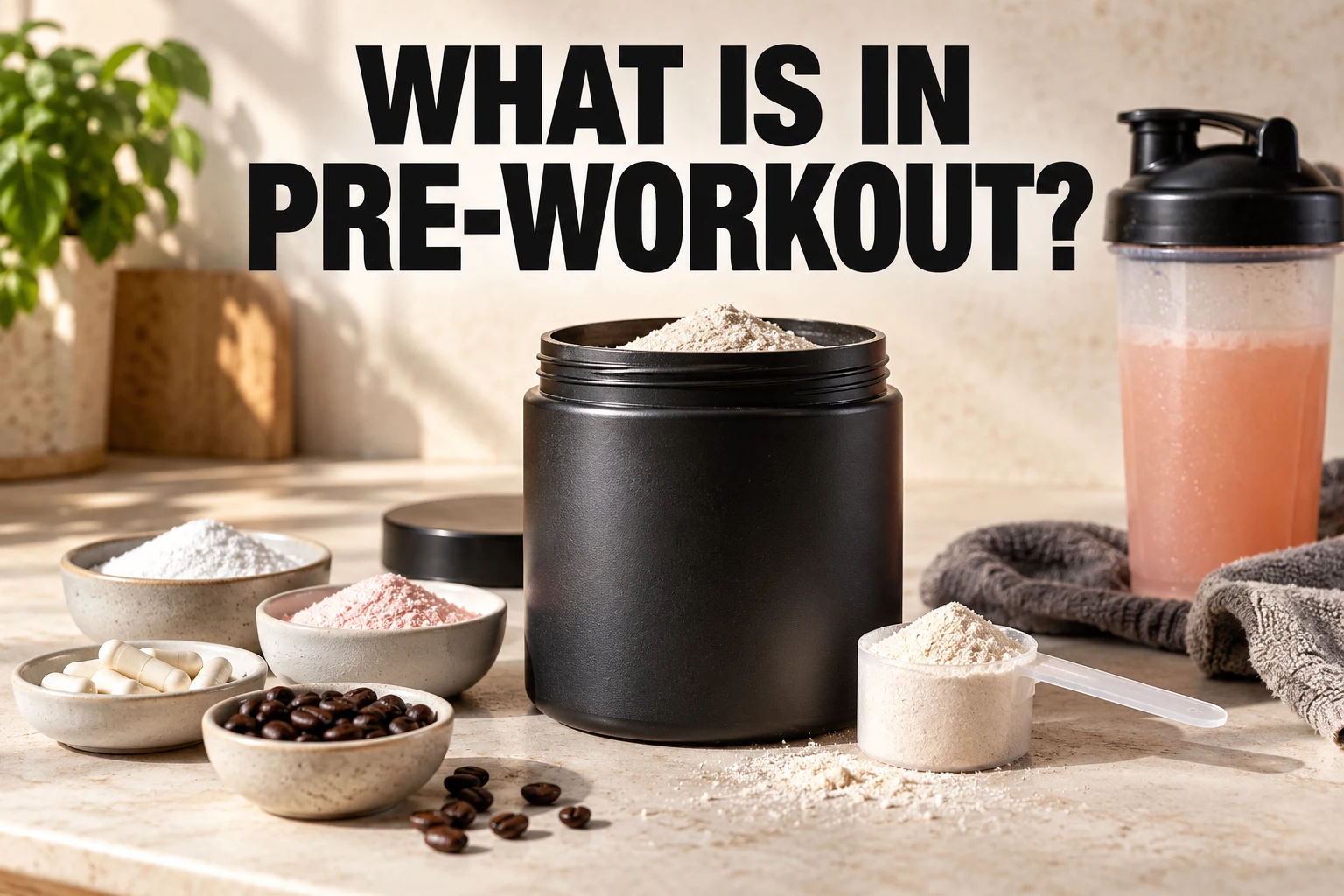
Pre-workout is a flavoured mix taken before training, not one fixed formula. Read the amounts per serving, especially caffeine. Applied Nutrition ABE lists 200mg caffeine, 3g creatine and 2g beta-alanine per serving; its £27.95 direct price for 30 servings worked out at about 93p per use on 24 September 2026.
The label is more useful than the name
Two tubs can both say 'pre-workout' and have very different contents. Some are mostly a caffeinated drink with flavouring. Others combine stimulants with creatine, beta-alanine and ingredients aimed at training performance. The serving panel tells you which one you are buying.
Applied Nutrition's ABE is a concrete example. One 12.5g scoop provides 200mg caffeine, 4g citrulline malate, 3g creatine monohydrate and 2g beta-alanine. It also lists choline, taurine and B vitamins. Those amounts explain far more about the drink than calling it a 'strong' pre-workout.
| ABE ingredient | Per scoop | What it does |
|---|---|---|
| Caffeine | 200mg | Improves alertness and can support exercise performance |
| Citrulline malate | 4g | Supplies citrulline, a precursor to nitric oxide |
| Creatine monohydrate | 3g | Supports repeated short, hard efforts with regular use |
| Beta-alanine | 2g | Builds muscle carnosine with regular use; may cause tingling |
| Choline | 250mg | Used to make acetylcholine, a nerve-signalling chemical |
The cost of a training session
On 24 September 2026, Applied Nutrition listed a 30-serving ABE tub at £27.95, or roughly 93p per labelled serving before delivery. Using a half serving cuts that ingredient dose and cost in half; doubling a serving doubles both. The tub price is less informative than the amount you would actually use.
If you only want caffeine, paying for a multi-ingredient mix may be unnecessary. If you already take creatine every day, ABE's 3g can count towards that dose on training days, but you still need a plan for rest days. The pre-workout comparison is for checking current product prices; this guide is about reading the formula behind them.
Which ingredients work now, and which take time?
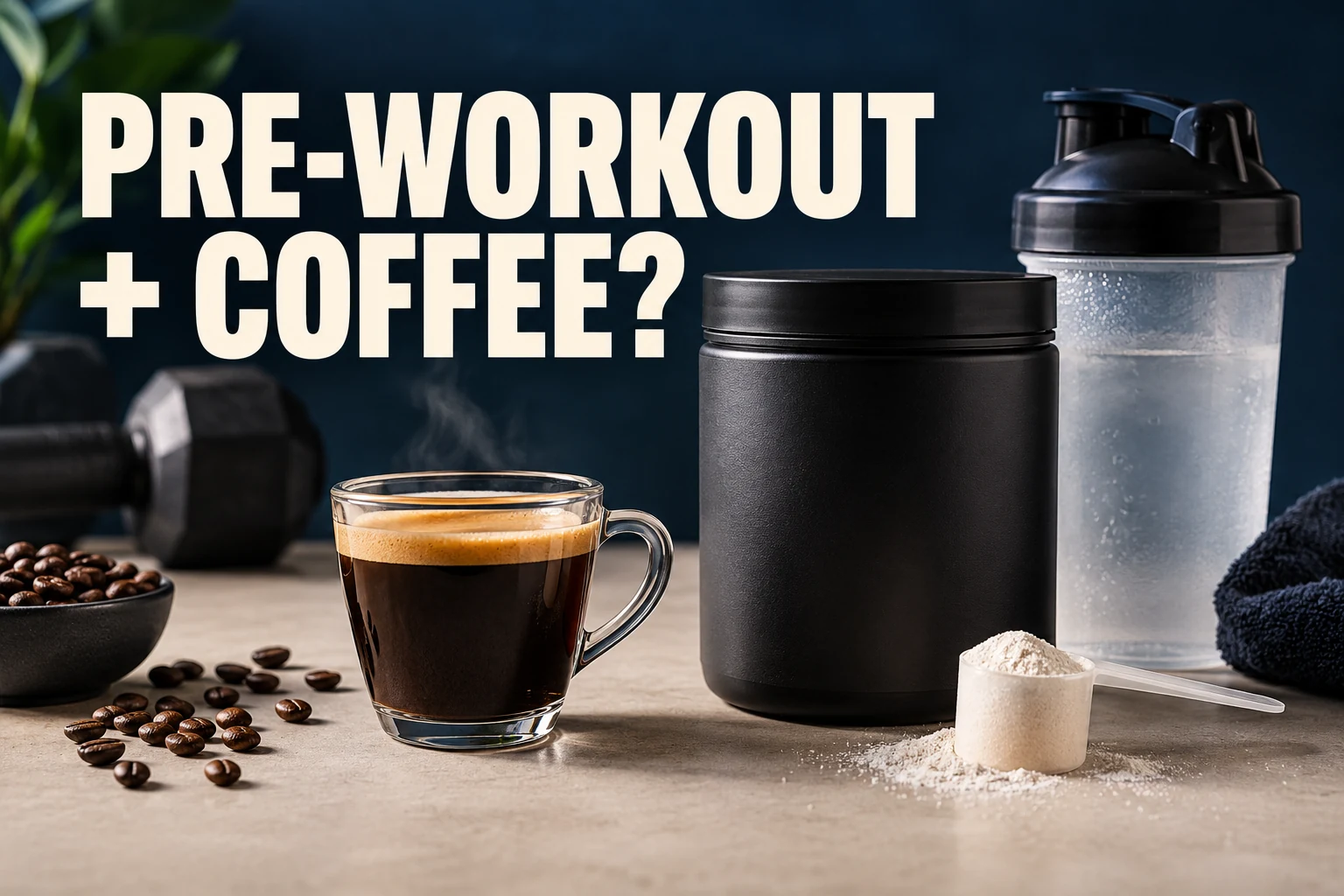
Caffeine is the ingredient most people feel first. It blocks adenosine signalling, which can make a hard session feel more manageable. ABE's 200mg scoop is worth counting alongside coffee or energy drinks, especially for an evening workout. The caffeine in pre-workout guide goes deeper on dose and timing.
Citrulline is converted into arginine, which the body uses to make nitric oxide. That is why it appears in products marketed for a 'pump', although exercise results across studies are mixed. Beta-alanine works on a different clock: repeated doses raise muscle carnosine over weeks. Its immediate skin tingling is a side effect, not a sign of instant strength gains. Creatine also relies on regular use, because muscle stores build over time.
Not every ingredient acts on the same clock
Before this session
Caffeine
Alertness is the effect most likely to be noticed after a serving.
During training
Citrulline
A nitric-oxide precursor; performance findings are mixed.
Across weeks
Creatine + beta-alanine
Their useful muscle stores rise with repeated dosing, not one scoop.
What about the other ingredients?
ABE also lists choline, taurine and vitamins B3 and B12. Choline helps the body make acetylcholine, which nerves use to signal muscles. Taurine is an amino-sulfonic acid found naturally in the body, but its presence on a label does not tell you how much is in a scoop. B vitamins help normal energy metabolism; they are not a second caffeine hit. ABE's label is the place to check the exact vitamin amounts for your flavour and version.
The ingredients affect the taste and texture too. Pre-workouts are usually flavoured, acidic drinks rather than creamy shakes, and some powders leave a little sediment. More water softens the flavour and can make the drink easier to finish, but it does not reduce the caffeine or other ingredients you swallowed.

Cheapest Pre-Workout
Impact Pre-Workout
MyProtein · 500g
Which tub earns its price?
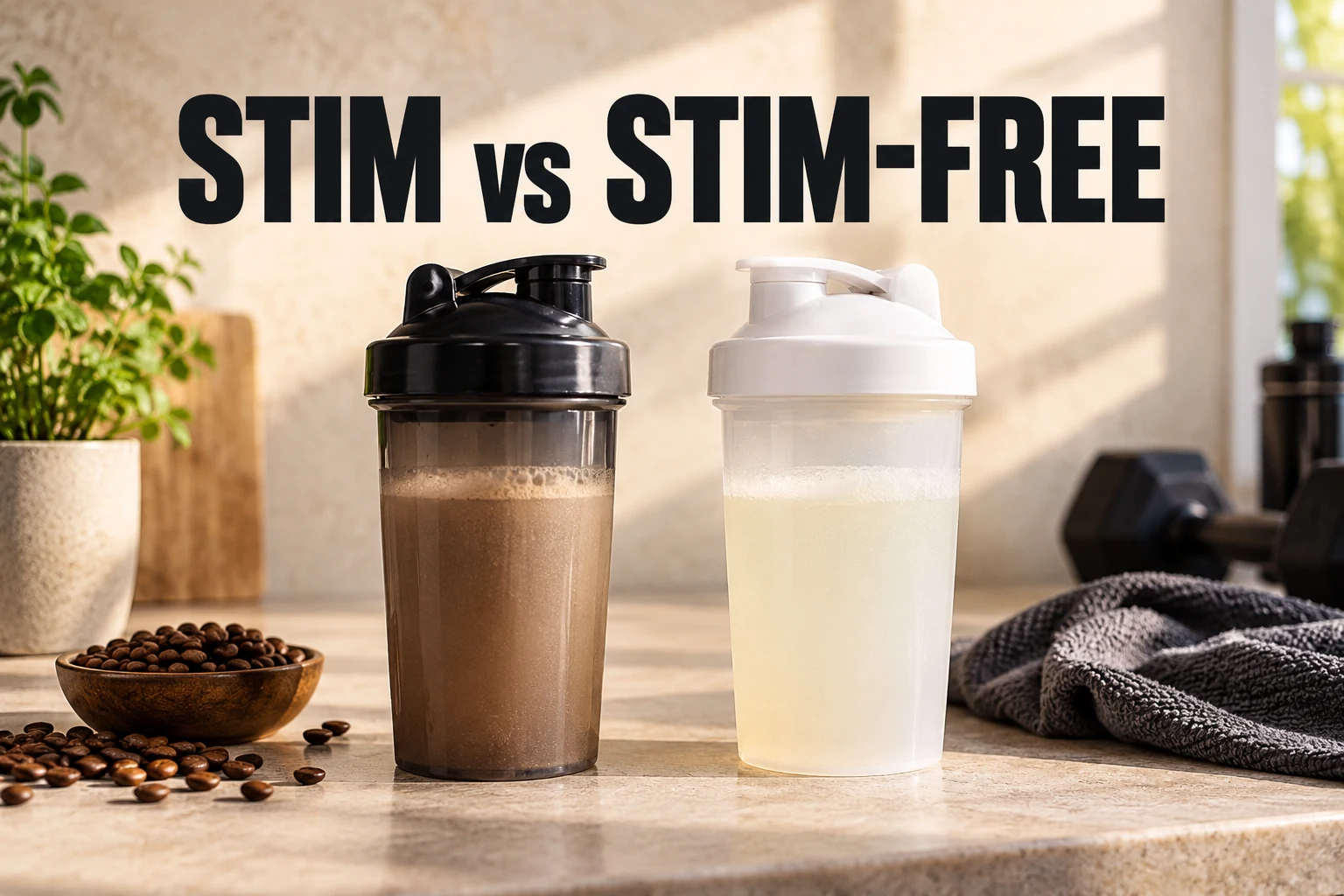
Start with the ingredient you actually want. A caffeinated pre-workout may be worth the convenience if you like the drink and use its full formula. A stimulant-free product is a better fit if caffeine is the thing you are avoiding. Our stim versus stimulant-free comparison covers that choice; our best pre-workout guide compares product options.
References
Sources and further reading
- 01Applied Nutrition, ABE All Black Everything
Published formula, 30-serving count and direct price checked 24 September 2026.
- 02International Society of Sports Nutrition, beta-alanine position stand
Beta-alanine use and its characteristic tingling effect.
- 03International Society of Sports Nutrition, caffeine and exercise position stand
Caffeine-containing exercise supplements and individual response.
- 04NIH Office of Dietary Supplements, Exercise and Athletic Performance
Evidence and mechanisms for caffeine, citrulline, creatine and beta-alanine.
- 05NIH Office of Dietary Supplements, Choline
Choline's role as a precursor to acetylcholine.
Frequently asked questions
Is every pre-workout caffeinated?+
No. Stimulant-free pre-workouts exist; the ingredient panel tells you whether a particular product contains caffeine.
Does pre-workout replace daily creatine?+
Only if the product supplies your intended creatine dose and you also account for days when you do not take pre-workout.