

Quick answer
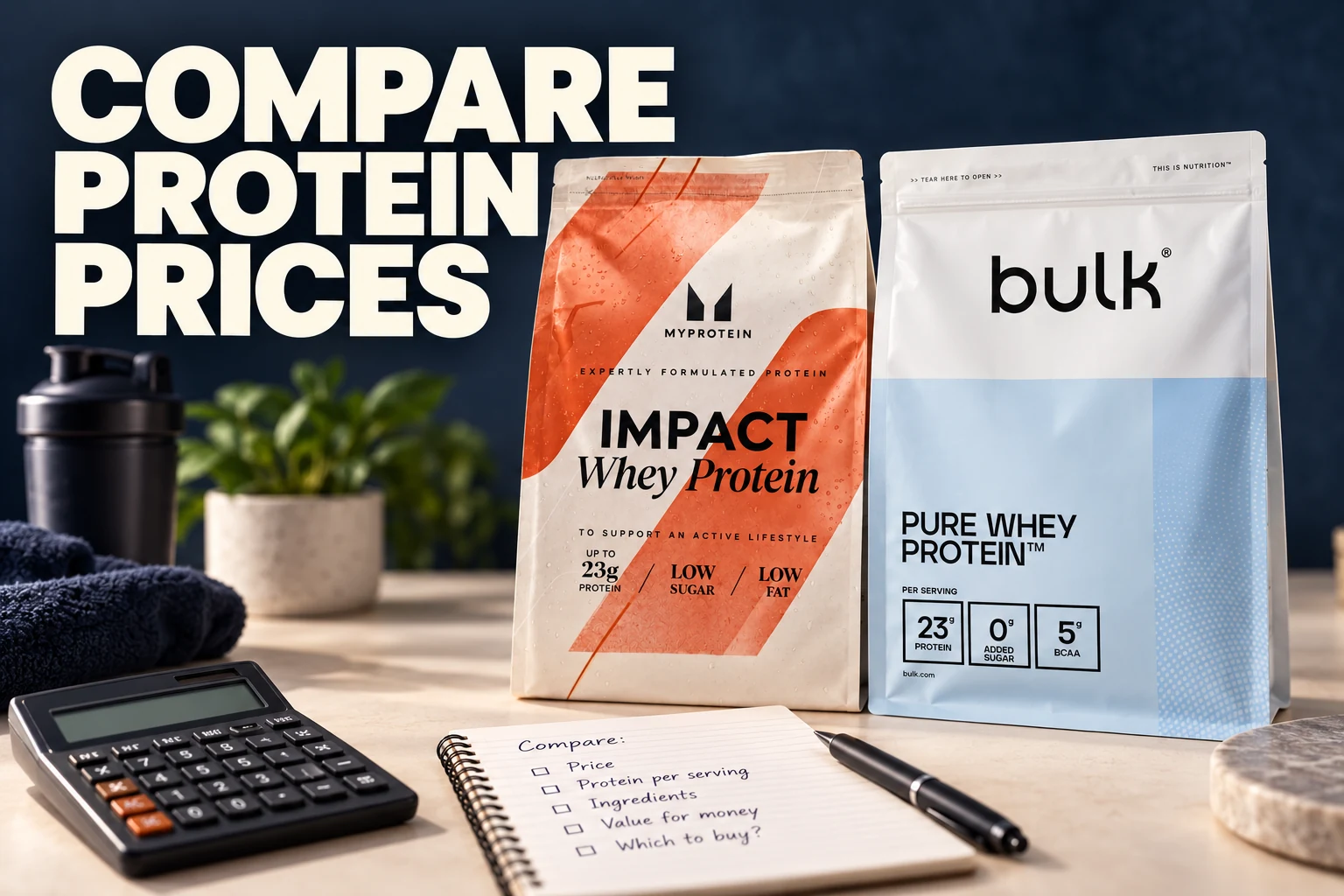
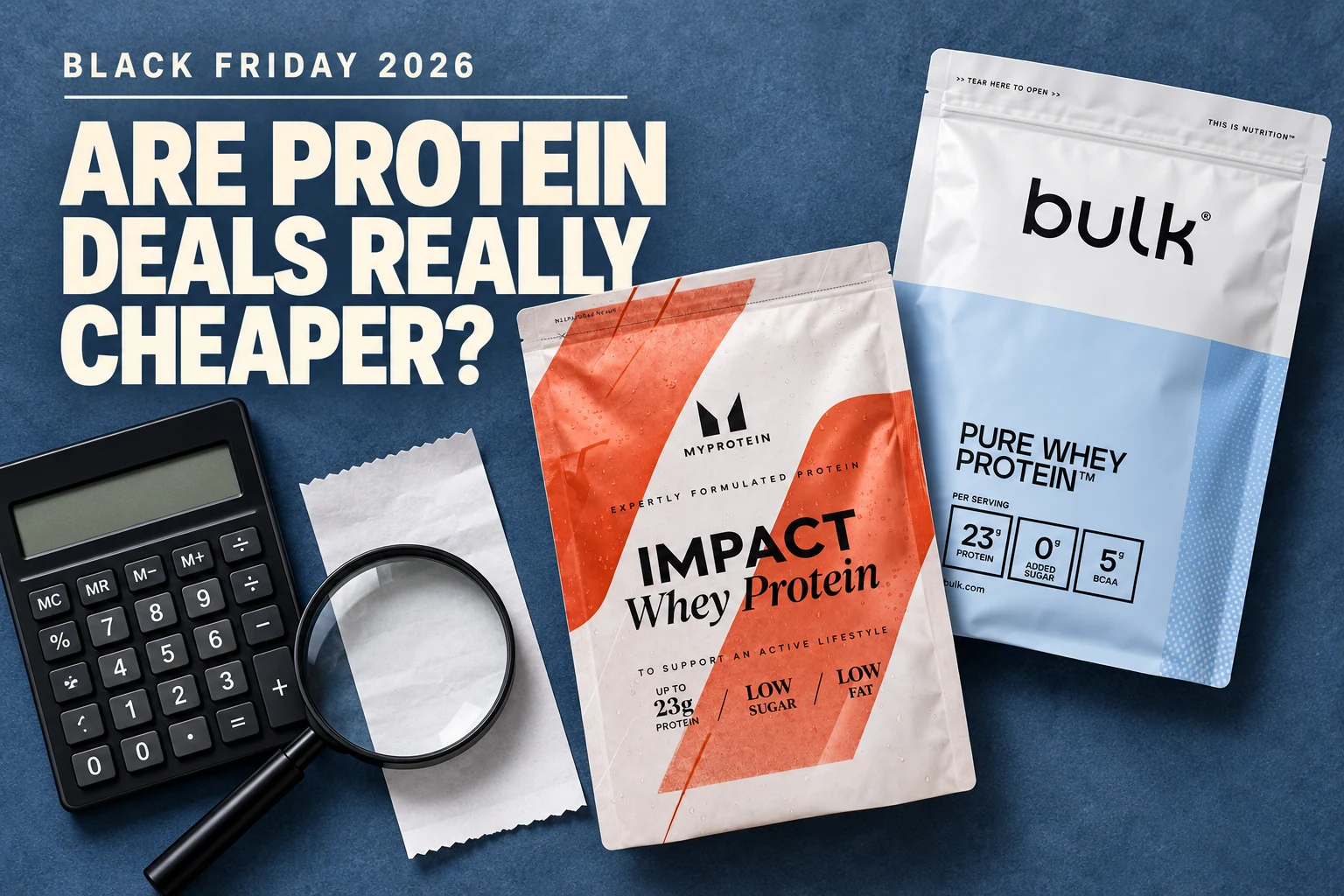
Choose protein type first, then sort acceptable products by delivered cost per 25g protein. Tub price, serving price and discount percentage can all mislead. Our default whey shortlist is MyProtein Impact Whey and Bulk Pure Whey.
Start with the comparison, or learn the method
Choose the protein type first, then sort acceptable products by delivered cost per 25g protein. Tub price, serving price and percentage-off banners can all reward a smaller pack or weaker serving. Our default whey shortlist is Bulk Pure Whey and MyProtein Impact Whey, with the cheaper live protein cost winning unless MyProtein sits within 10%.
Use the live protein comparison for today's result. This guide explains the method: exact flavour nutrition, pack weight, checkout price and delivery must all refer to the same listing. Buyer anecdotes help with taste and service, not price ranking.
Live comparison
Whey Protein products
FlavourSize (g)QtyServingsOfferTotal Per 25g protein 3000191.2 £37.99 25.0g125£0.417 2000160.8 £27.99 25.0g125£0.460 1000130.4 £15.99 25.0g125£0.526 |
FlavourSize (g)QtyServingsOfferTotal Per 25g protein 1000132.3 £14.99£19.99 -25%25.0g118£0.463 |
FlavourSize (g)QtyServingsOfferTotal Per 25g protein 1000132.3 £14.99£19.99 -25%25.0g118£0.463 |
FlavourSize (g)QtyServingsOfferTotal Per 25g protein 1000127.3 £18.99 25.0g138£0.695 |
FlavourSize (g)QtyServingsOfferTotal Per 25g protein 48001113.3 £80.49 25.0g155£0.711 2400156.6 £40.99 25.0g155£0.724 1200128.3 £21.29 25.0g155£0.752 |
FlavourSize (g)QtyServingsOfferTotal Per 25g protein 48001130.6 £95.99 25.0g136£0.735 2400165.3 £51.99 25.0g136£0.796 1200132.6 £28.29 25.0g136£0.867 |
FlavourSize (g)QtyServingsOfferTotal Per 25g protein 48001132.5 £104.49 25.0g131£0.789 2400166.2 £56.49 25.0g131£0.853 1200133.1 £30.49 25.0g131£0.921 |
FlavourSize (g)QtyServingsOfferTotal Per 25g protein 43501125.3 £99.99 25.0g132£0.798 1000128.8 £25.99 25.0g127£0.902 50001146 £144.49 25.0g129£0.990 |
FlavourSize (g)QtyServingsOfferTotal Per 25g protein 60001168 £143.99 25.0g129£0.857 3000184 £77.99 25.0g129£0.928 1500142 £41.99 25.0g129£1.000 |
FlavourSize (g)QtyServingsOfferTotal Per 25g protein 2000157 £49.99£99.99 -50%25.0g136£0.878 1000128.5 £29.99£49.99 -40%25.0g136£1.053 500114.2 £17.99£24.99 -28%25.0g136£1.263 |
FlavourSize (g)QtyServingsOfferTotal Per 25g protein 2250163 £55.99 25.0g156£0.889 750121 £19.99 25.0g156£0.952 375110.8 £11.99 25.0g153£1.110 |
FlavourSize (g)QtyServingsOfferTotal Per 25g protein 720120.2 £17.99£29.99 -40%25.0g133£0.892 2000156 £69.99 25.0g134£1.250 15001- £64.99 --- |
FlavourSize (g)QtyServingsOfferTotal Per 25g protein 50001142 £129.99 25.0g133£0.915 2500171 £67.99 25.0g133£0.958 1000128.4 £27.99 25.0g133£0.986 |
FlavourSize (g)QtyServingsOfferTotal Per 25g protein 2000164.8 £60.00 25.0g127£0.926 |
FlavourSize (g)QtyServingsOfferTotal Per 25g protein 50001150 £139.99 25.0g125£0.933 2500175 £74.99 25.0g125£1.000 1000130 £31.99 25.0g125£1.066 |
FlavourSize (g)QtyServingsOfferTotal Per 25g protein 2100163 £59.95 25.0g126£0.952 510115.3 £29.95 25.0g126£1.957 |
FlavourSize (g)QtyServingsOfferTotal Per 25g protein 1800157.6 £54.95 25.0g113£0.954 1000132 £32.95 25.0g113£1.030 450114.4 £19.95 25.0g113£1.385 |
FlavourSize (g)QtyServingsOfferTotal Per 25g protein 50001112 £107.99 25.0g151£0.964 2500154 £59.99 25.0g162£1.111 1000123.2 £28.49 25.0g155£1.228 |
FlavourSize (g)QtyServingsOfferTotal Per 25g protein 908130.5 £30.02£49.99 -40%25.0g108£0.984 |
FlavourSize (g)QtyServingsOfferTotal Per 25g protein 40001124.8 £123.99 25.0g120£0.993 2000162.4 £63.99 25.0g120£1.025 1000131.2 £33.99 25.0g120£1.089 |
FlavourSize (g)QtyServingsOfferTotal Per 25g protein 40001118.4 £119.49 25.0g127£1.009 1000129.6 £31.99 25.0g127£1.081 |
FlavourSize (g)QtyServingsOfferTotal Per 25g protein 50001158.2 £159.99 25.0g126£1.011 3000194.9 £99.99 25.0g126£1.053 2000163.3 £69.99 25.0g126£1.106 |
FlavourSize (g)QtyServingsOfferTotal Per 25g protein 40001123.2 £127.99 25.0g123£1.039 500114.8 £15.99 25.0g127£1.080 2000159.2 £65.99 25.0g127£1.115 |
FlavourSize (g)QtyServingsOfferTotal Per 25g protein 1000128.5 £29.99£49.99 -40%25.0g136£1.053 500114.2 £17.99£49.99 -64%25.0g136£1.263 |
FlavourSize (g)QtyServingsOfferTotal Per 25g protein 45001138.1 £145.99 25.0g128£1.057 2270169.6 £89.99 25.0g128£1.292 1000130.7 £52.99 25.0g128£1.727 |
FlavourSize (g)QtyServingsOfferTotal Per 25g protein 908127.6 £29.39£42.99 -32%25.0g124£1.065 2000160.8 £92.99 25.0g126£1.529 3010.9 £2.99 25.0g125£3.194 |
FlavourSize (g)QtyServingsOfferTotal Per 25g protein 2270173.5 £79.99 25.0g117£1.088 |
FlavourSize (g)QtyServingsOfferTotal Per 25g protein 2270173.5 £79.99£89.99 -11%25.0g117£1.088 |
FlavourSize (g)QtyServingsOfferTotal Per 25g protein 2000153.6 £59.99 25.0g142£1.119 900124.1 £39.99 25.0g142£1.658 |
FlavourSize (g)QtyServingsOfferTotal Per 25g protein 2200170.4 £79.99 25.0g-£1.136 900128.8 £41.99 25.0g-£1.458 1500148 £74.99 25.0g-£1.562 |
FlavourSize (g)QtyServingsOfferTotal Per 25g protein 2000152 £59.99 25.0g151£1.154 1000126 £34.99 25.0g151£1.346 |
FlavourSize (g)QtyServingsOfferTotal Per 25g protein 500113.8 £15.99£24.99 -36%25.0g130£1.159 1000127.6 £39.99£44.99 -11%25.0g130£1.449 |
FlavourSize (g)QtyServingsOfferTotal Per 25g protein 1000129.6 £34.49 25.0g128£1.165 |
FlavourSize (g)QtyServingsOfferTotal Per 25g protein 2000158.3 £68.95 25.0g135£1.182 825124.1 £33.95 25.0g135£1.411 450113.1 £19.95 25.0g135£1.520 |
FlavourSize (g)QtyServingsOfferTotal Per 25g protein 2500177 £91.99 25.0g119£1.195 1000130.8 £39.99 25.0g119£1.298 500115.4 £23.49 25.0g119£1.525 |
FlavourSize (g)QtyServingsOfferTotal Per 25g protein 1000130.8 £36.99 25.0g130£1.201 500115.4 £25.99 25.0g130£1.688 |
FlavourSize (g)QtyServingsOfferTotal Per 25g protein 2000161.7 £75.00 25.0g126£1.215 |
FlavourSize (g)QtyServingsOfferTotal Per 25g protein 45301137.7 £170.00 25.0g123£1.234 2260168.7 £98.00 25.0g123£1.426 899127.3 £50.00 25.0g123£1.830 |
FlavourSize (g)QtyServingsOfferTotal Per 25g protein 900125.9 £32.00 25.0g130£1.235 |
FlavourSize (g)QtyServingsOfferTotal Per 25g protein 1800160.5 £75.00 25.0g-£1.240 |
FlavourSize (g)QtyServingsOfferTotal Per 25g protein 650117.4 £22.00 25.0g136£1.263 |
FlavourSize (g)QtyServingsOfferTotal Per 25g protein 500114.2 £17.99£24.99 -28%25.0g112£1.263 |
FlavourSize (g)QtyServingsOfferTotal Per 25g protein 2250155.2 £69.99 25.0g147£1.269 908122.3 £39.99 25.0g147£1.796 |
FlavourSize (g)QtyServingsOfferTotal Per 25g protein 2000154.4 £71.99 25.0g132£1.323 1000127.2 £39.99 25.0g132£1.470 500113.6 £21.99 25.0g132£1.617 |
FlavourSize (g)QtyServingsOfferTotal Per 25g protein 2270167.2 £92.00 25.0g125£1.369 |
FlavourSize (g)QtyServingsOfferTotal Per 25g protein 1000129.2 £39.99 25.0g152£1.370 |
FlavourSize (g)QtyServingsOfferTotal Per 25g protein 899125.5 £35.00 25.0g136£1.371 |
FlavourSize (g)QtyServingsOfferTotal Per 25g protein 1000127.6 £37.99 25.0g130£1.376 500113.8 £19.99 25.0g130£1.449 |
FlavourSize (g)QtyServingsOfferTotal Per 25g protein 900257.6 £80.98 25.0g120£1.406 900128.8 £44.99 25.0g120£1.562 3010.9 £2.49 25.0g120£2.664 |
FlavourSize (g)QtyServingsOfferTotal Per 25g protein 1000131.2 £44.99 25.0g127£1.442 3010.9 £1.75 25.0g129£1.944 30019.2 £21.99 25.0g126£2.380 |
FlavourSize (g)QtyServingsOfferTotal Per 25g protein 2000162.4 £89.99 25.0g130£1.442 1000128.8 £44.99 25.0g135£1.562 30019.1 £21.99 25.0g128£2.405 |
FlavourSize (g)QtyServingsOfferTotal Per 25g protein 420113.1 £18.99 25.0g120£1.445 |
FlavourSize (g)QtyServingsOfferTotal Per 25g protein 1800148.2 £69.99 25.0g139£1.451 1200132.2 £47.49 25.0g139£1.477 600116.1 £24.99 25.0g139£1.554 |
FlavourSize (g)QtyServingsOfferTotal Per 25g protein 2250182 £119.99 25.0g100£1.463 750127.3 £49.99 25.0g100£1.829 |
FlavourSize (g)QtyServingsOfferTotal Per 25g protein 900130 £43.99 25.0g-£1.467 |
FlavourSize (g)QtyServingsOfferTotal Per 25g protein 1800154 £79.99 25.0g128£1.481 810124.3 £49.99 25.0g128£2.057 450113 £29.99 25.0g133£2.314 |
FlavourSize (g)QtyServingsOfferTotal Per 25g protein 48001150.5 £224.00£236.00 -5%25.0g126£1.488 2400175.3 £120.00 25.0g126£1.594 1200137.6 £62.00 25.0g126£1.648 |
FlavourSize (g)QtyServingsOfferTotal Per 25g protein 1000260 £89.98 25.0g125£1.500 1000130 £49.99 25.0g125£1.666 |
FlavourSize (g)QtyServingsOfferTotal Per 25g protein 1020129.4 £44.99 25.0g127£1.532 |
FlavourSize (g)QtyServingsOfferTotal Per 25g protein 1000129.3 £48.95 25.0g131£1.669 |
FlavourSize (g)QtyServingsOfferTotal Per 25g protein 1000122 £36.99 25.0g166£1.678 |
FlavourSize (g)QtyServingsOfferTotal Per 25g protein 2000164.8 £112.00 25.0g129£1.728 1000132.4 £59.00 25.0g129£1.821 |
FlavourSize (g)QtyServingsOfferTotal Per 25g protein 600115.8 £27.49 25.0g142£1.735 |
FlavourSize (g)QtyServingsOfferTotal Per 25g protein 1000126.4 £54.00£60.00 -10%25.0g129£2.045 500113.6 £30.00 25.0g129£2.206 |
FlavourSize (g)QtyServingsOfferTotal Per 25g protein 1000126.8 £54.99 25.0g137£2.052 |
FlavourSize (g)QtyServingsOfferTotal Per 25g protein 1000125.6 £54.00£60.00 -10%25.0g134£2.109 500112.8 £30.00 25.0g134£2.344 |
FlavourSize (g)QtyServingsOfferTotal Per 25g protein 6011.8 £3.99 25.0g119£2.159 |
FlavourSize (g)QtyServingsOfferTotal Per 25g protein 30018.6 £24.99 25.0g128£2.892 |
FlavourSize (g)QtyServingsOfferTotal Per 25g protein 3110.9 £4.39 25.0g123£4.658 |
FlavourSize (g)QtyServingsOfferTotal Per 25g protein - £8.99 25.0g495- |
FlavourSize (g)QtyServingsOfferTotal Per 25g protein 20001- £77.50 25.0g-- |
FlavourSize (g)QtyServingsOfferTotal Per 25g protein 9001- £28.00 --- |
FlavourSize (g)QtyServingsOfferTotal Per 25g protein 20001- £67.50 25.0g-- 9081- £36.00 25.0g-- 4761- £18.00 25.0g-- |






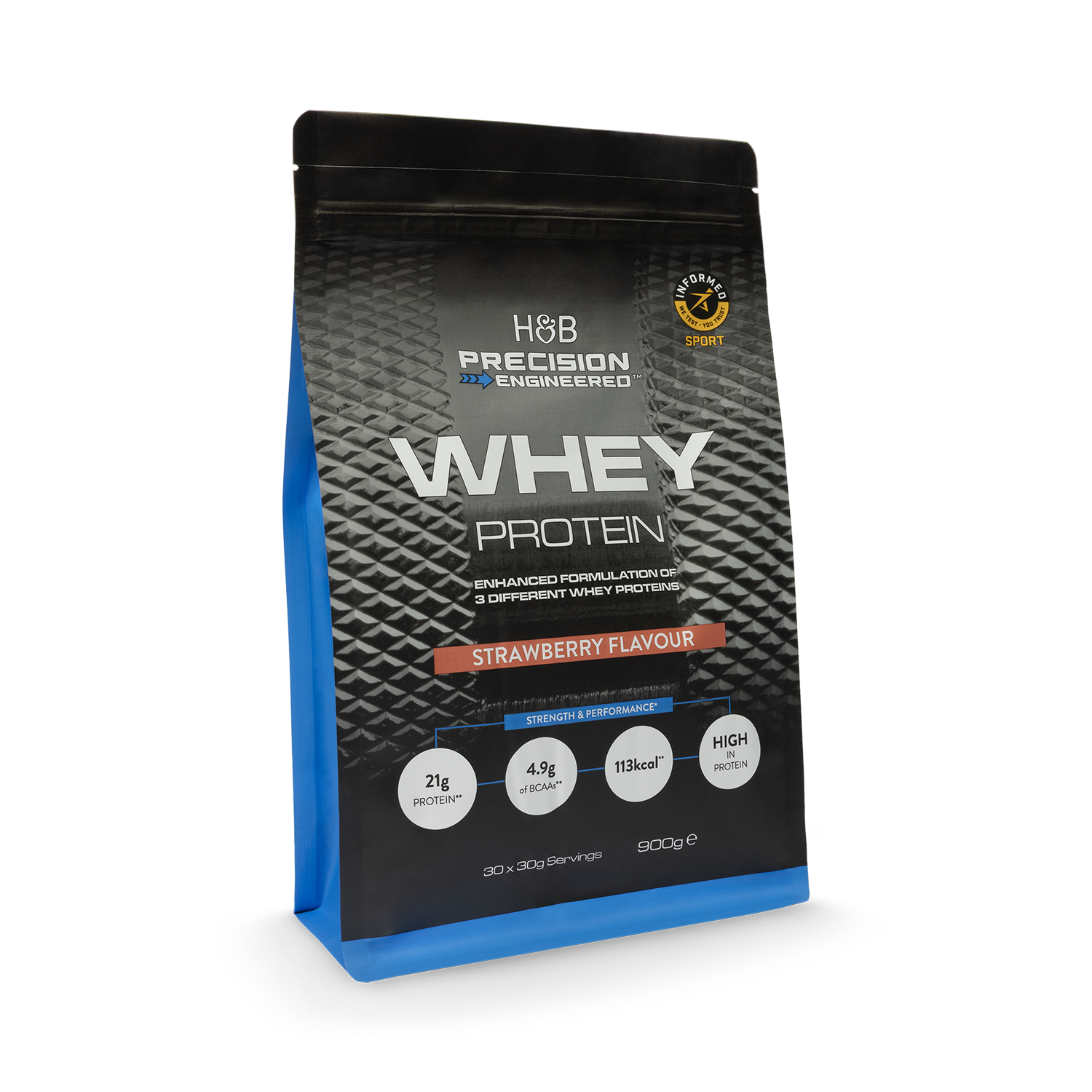

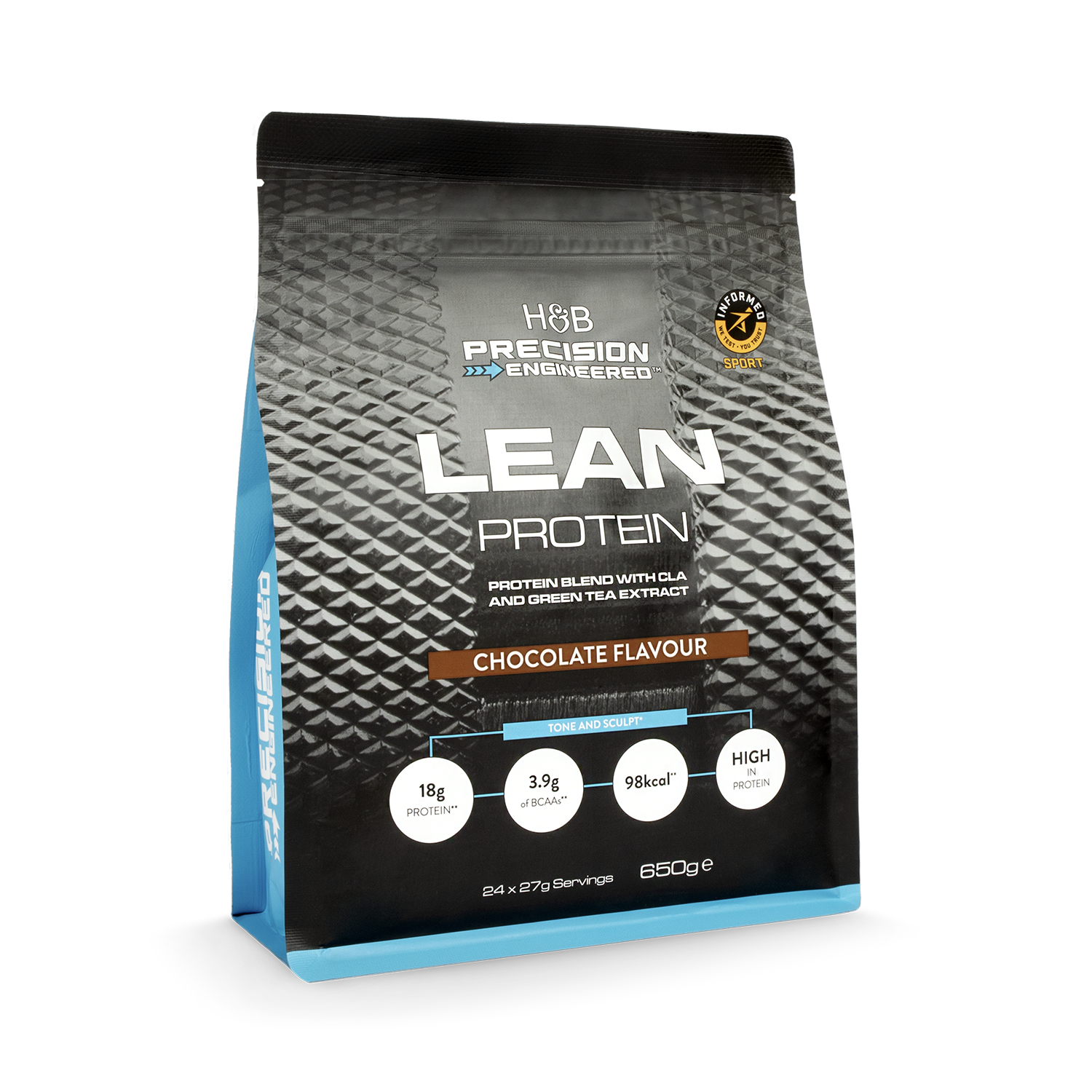



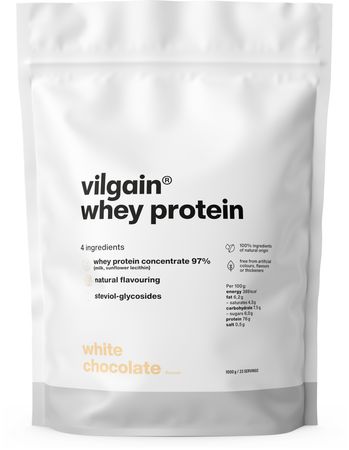
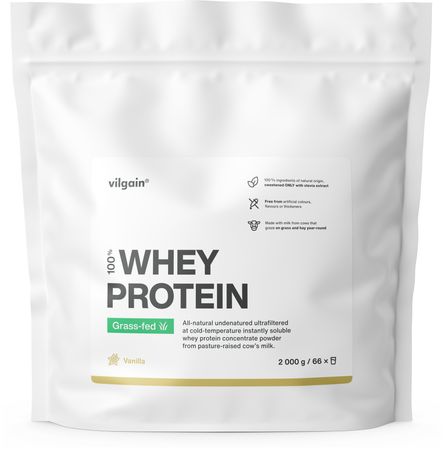
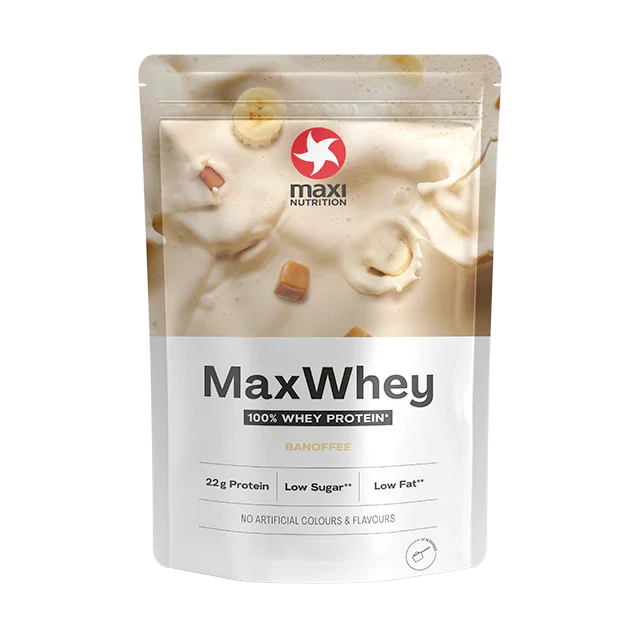











Four ways a cheap-looking offer misleads
The market throws up four recurring comparison traps worth learning to spot:
- 1
Discount theatre. A large reduction from an RRP doesn't prove a low checkout price. Compare the amount actually payable today rather than the percentage crossed out on the label.
- 2
Mismatched pack sizes. A 900g pouch, 1kg bag and 2.27kg tub all need a price-per-weight calculation before their shelf totals mean anything comparable.
- 3
Different protein density. A powder containing 60g protein per 100g isn't equivalent to one containing 82g, even if it costs slightly less per kilogram.
- 4
Serving-size presentation. "30g protein per serving" looks impressive until you check whether that serving actually uses 35g, 50g or more of powder to get there. Use the nutrition-per-100g figure to sidestep the manufacturer's chosen scoop size entirely.
What buyer discussion is useful for
Threads across r/UKFrugal, r/Supplements, r/Fitness, r/GYM and r/MealPlanYourMacros are genuinely useful for spotting recurring frustrations and places worth checking. What they can't do is establish today's cheapest product, unless the pack, flavour, date and delivered price are all specified in the comment.
MyProtein pricing is by far the most repeated complaint. Long-term users remember much lower historic prices and describe current discounts as essential just to reach an acceptable price, rather than a genuine bonus. Those memories explain a lot about buyer sentiment, but an old £12-£15 anecdote can't be fairly compared with a current 2.5kg offer without knowing the original date, flavour, code and delivery terms behind it.
Some commenters also link price rises to THG's corporate performance. That's speculation unless it's backed by actual company reporting, so it shouldn't be treated as the confirmed cause behind any specific whey price. The article on why UK whey protein prices are rising in 2026 separates documented market pressures from community theories on this exact point.
The practical tactics travel better than the price memories do: wait for a genuine sale, check whether cashback is actually tracking successfully, and use HotUKDeals alerts for short-lived promotions. Historic targets like £10 per kilo reveal how much expectations have shifted over time. They're not a realistic price you should expect to find in 2026. The deals page records whatever codes are currently live.
Checking protein per 100g is genuinely sound advice, but a whey concentrate sitting below 80g isn't automatically fraudulent "filler." Cocoa, flavour systems and other legitimate ingredients naturally reduce the percentage, particularly in indulgent flavours. Treat 80g as a useful high-density benchmark, then actually read the ingredient list before assuming why a specific product sits below it.
Bulk, Protein Works, Discount Supplements and Sports Fuel come up again and again as alternatives, while Costco, Home Bargains, B&M and Lidl are the most common physical-store suggestions. Availability and pack economics vary a lot store to store, so treat the MyProtein alternatives guide and MyProtein vs Bulk comparison as sensible starting points rather than letting forum popularity harden into a fixed ranking.
Community perspective
What others are saying
The one B&M sells works out at 2.17p/gram of protein which is the cheapest so far. The next cheapest I’ve found, funnily enough is Optimum Nutrition, who are usually considered expensive, at 2.68p/gram. MyProtein, even with the discount they have atm, work out at 3.27p/gram and that’s for their 2.7kg bag
u/TRFKTA in r/UKFrugal
Have you tried home bargains or BNM they have protein powder at a decent price.
u/CurleyCee13 in r/UKFrugal
Be careful with the cheap ones. They’re typically filled with a nitrogen filler that artificially inflates the protein value. You have to buy ones that are accredited. MyProtein has this accreditation, I can’t remember what it’s called but a quick google of “Nitrogen spiking protein powder” will lead you in the right direction. Buying cheaper may not be the play for protein powder.
u/throwthrowthrow529 in r/UKFrugal
Watch what buyers found
Hands-on opinions
How To Pick The Best Protein Powder For You | Nutritionist Explains... | Myprotein
Myprotein
A topic-specific video selected for additional practical context on Protein Powder Price Comparison UK: Top Picks, Prices and What to Buy.
What other comparison formats teach us
Protein comparison sites all take fairly different approaches to the same basic problem. The observations below describe a review snapshot at one point in time. Features and coverage can easily change after publication, so it's worth visiting each service directly before relying on a limitation we've noted here.
ProteinPowder.com ranks around 30 protein powders in a numbered table and backs it up with extensive editorial content: individual product reviews, a protein calculator, and an ingredient glossary. As a price comparison tool, though, it has a fairly fundamental problem: it doesn't actually show prices.
The table lists product names and protein types, but no real pricing data sits alongside them. Users have to click through to Amazon just to see what anything costs. The site describes a methodology of dividing price by protein content, but never actually shows the calculated values anywhere. It also skews heavily toward US brands (Rival Nutrition, BPI Sports, Body Fortress) that most UK buyers have simply never encountered.
That makes it considerably more useful for product discovery and editorial reading than for answering a live UK price question on one screen.
DropTime is a genuinely more useful comparison in practice. Each product card shows the regular price, sale price and, crucially, the price per kilogram. It covers roughly 27 whey protein products across a mix of UK and European brands, including Bulk, MyProtein, Applied Nutrition and Warrior.
It also displays expandable nutrition data and flags active promo codes, both genuinely useful features. Its main limitations: no sort or filter controls (you can't reorder by price-per-kilo), no cost-per-gram-of-protein metric, and a brand selection that leans noticeably European. It originally launched as a German comparison site, and parts of the coverage still reflect that origin.
At the time it was reviewed, its name suggested alerting or history features that weren't actually visible anywhere on the site. That's worth rechecking as the service continues to evolve.

Cheapest Whey Protein
Diet Whey Protein Powder
Pure Source Nutrition · 1kg
Pros
- 55.5% cheaper per 25g protein than the median of 65 other Whey Protein product families in this comparison
A feature table is only a dated snapshot
The table below records the features visible during our review. Treat it as a snapshot, not a permanent scoreboard, since every one of these tools changes over time.
| Tool | Shows live prices | Cost per 25g protein | Editorial content |
|---|---|---|---|
| ProteinPowder.com | No | No | Extensive |
| DropTime | Yes | No | Limited |
| ProteinDeals | Yes | Yes | Growing |
Why the differences matter
ProteinPowder.com leans toward editorial discovery, while DropTime exposes more raw price information. ProteinDeals focuses specifically on filtering and normalised protein cost. Product line-ups and features shift constantly across all three, so the genuinely useful question isn't "which is best overall": it's which tool currently exposes the exact metric you need for the purchase you're about to make.
Three numbers answer three different questions
A genuinely useful comparison keeps three numbers separate rather than blending them into one impression:
- 1
Cost per 25g of protein answers the actual value question, since it normalises pack size, serving size and protein percentage all at once. An 80% whey at £20 per kilo is not equivalent to a 65% powder at £18, even though the second number looks cheaper.
- 2
Protein per 100g describes density, not quality by itself. A whey concentrate below 75g may simply contain more flavour ingredients or carbohydrates. Check the label before assuming those ingredients are cheap "filler." The cheapest protein per 25g UK guide explores this in more depth.
- 3
Price per kilo is a fast first filter, but it completely ignores how much of that kilogram is actually protein.
How popular UK brands compare
Bulk and sale-priced MyProtein frequently appear near the low-cost end of our tracked data. The MyProtein vs Bulk comparison walks through that calculation directly. Optimum Nutrition and Grenade tend to cost considerably more, but it's too simplistic to put the entire gap down to brand recognition and shelf space alone. Taste consistency, formulation, distribution and testing can all influence price too. The cheapest Gold Standard Whey UK guide covers that specific product in detail.
Current value picks belong in live data
The product cards on the comparison page are generated directly from ProteinDeals data and represent the value options available at the moment the page was last refreshed.
Open the full comparison table for the latest tracked prices, and sort by cost per 25g of protein to see the current leaders. Always double-check the retailer's actual checkout total, since stock, delivery charges and codes can all shift between data refreshes.
Six savings tactics, and their catches
UK fitness and frugal communities repeatedly suggest the same handful of checks worth running through:
- 1
Compare the checkout price, not the RRP. A large percentage discount can still finish above a competitor's plain price.
- 2
Use cashback cautiously. Rates like 10-30% are temporary, codes can invalidate tracking, and cashback isn't guaranteed until it's actually confirmed in your account.
- 3
Set HotUKDeals alerts. A community alert can surface clearance stock quickly, but verify seller, flavour and protein density before buying in a hurry.
- 4
Visit Costco, Home Bargains, B&M and Lidl. Physical-store offers can beat online prices, though stock varies wildly by branch and historic prices (like 99p drinks) may simply no longer apply.
- 5
Consider short-dated stock from sellers such as NutriCircle and GymStop. Check seals, storage guidance and the exact best-before date. "Short dated" doesn't mean every other aspect of the listing is identical to full-price stock.
- 6
Compare larger bags. Moving from 1kg to 2.5kg or 5kg often lowers unit cost meaningfully, but only buy a flavour and quantity you can actually finish and store properly. More tactics appear in the cheapest way to buy protein powder in the UK.
What ProteinDeals normalises, and what it cannot
ProteinDeals exists to run the repetitive calculations that would otherwise turn a simple purchase into a spreadsheet exercise. Here's what it does differently from the alternatives above:
- 1
1,958+ tracked product variants from 85+ UK brands at the time of writing, including different sizes and flavours wherever that data is available.
- 2
Cost per 25g of protein, letting a 900g isolate and a 5kg concentrate be compared on delivered nutrition rather than scoop-size marketing.
- 3
Filters for protein type, brand and budget, plus sorting by serving cost, price and protein content.
- 4
Regular retailer-data refreshes: a refresh reduces staleness, but can't guarantee stock or checkout price hasn't changed again moments later.
- 5
Value-led ordering, rather than manually placing whichever affiliate pays the most at the top of the list.
The honest limits
There are real limits worth being upfront about: price history isn't displayed yet, some retailers resist reliable tracking, and occasional data errors need manual correction. The compare page should produce a strong shortlist to work from. The retailer's final basket at checkout remains the one authoritative price before you actually pay.
References
Sources and further reading
- 01Competition and Markets Authority — price-reduction claims
UK guidance relevant to reference prices, discount claims and online urgency messaging.