

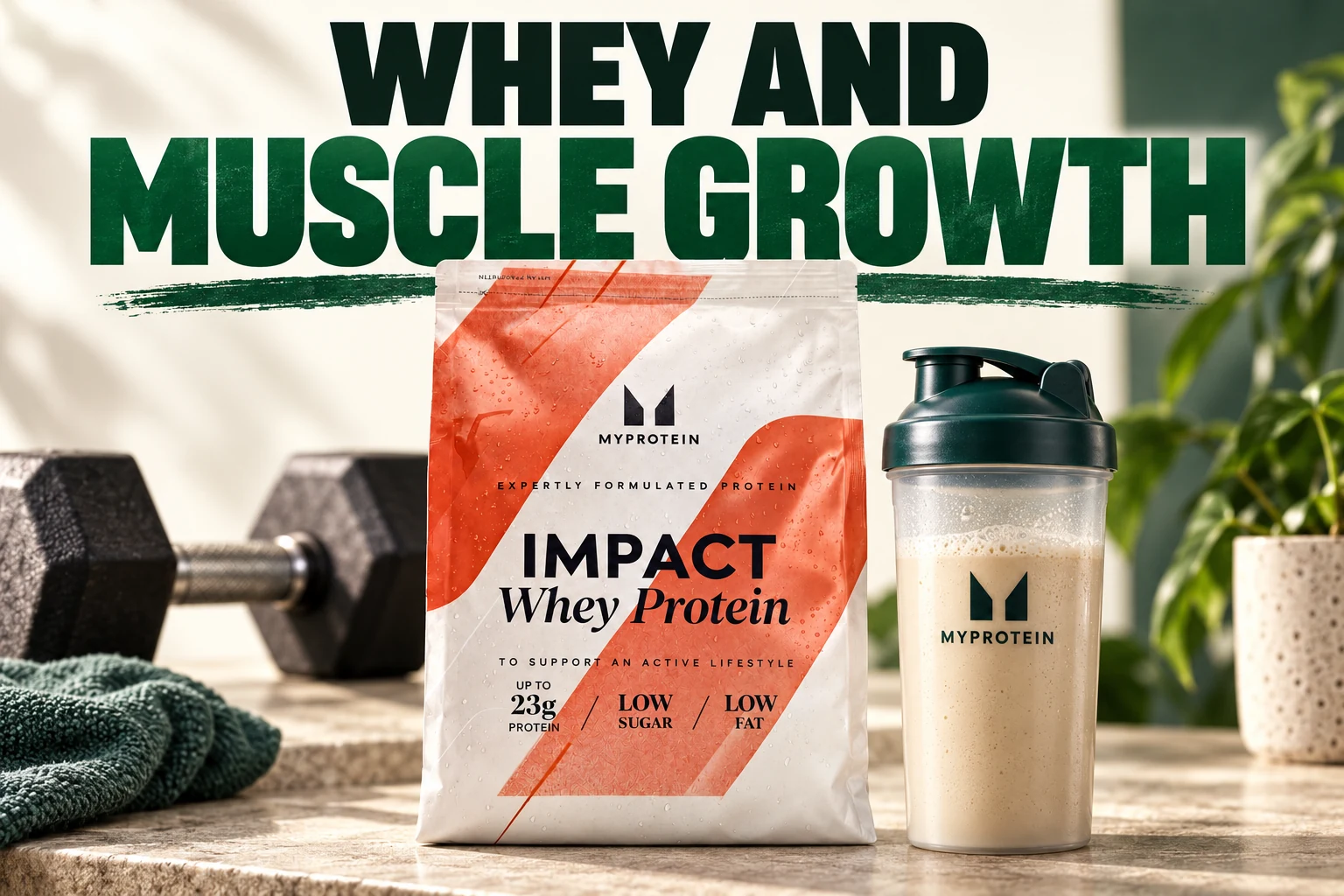
Quick answer
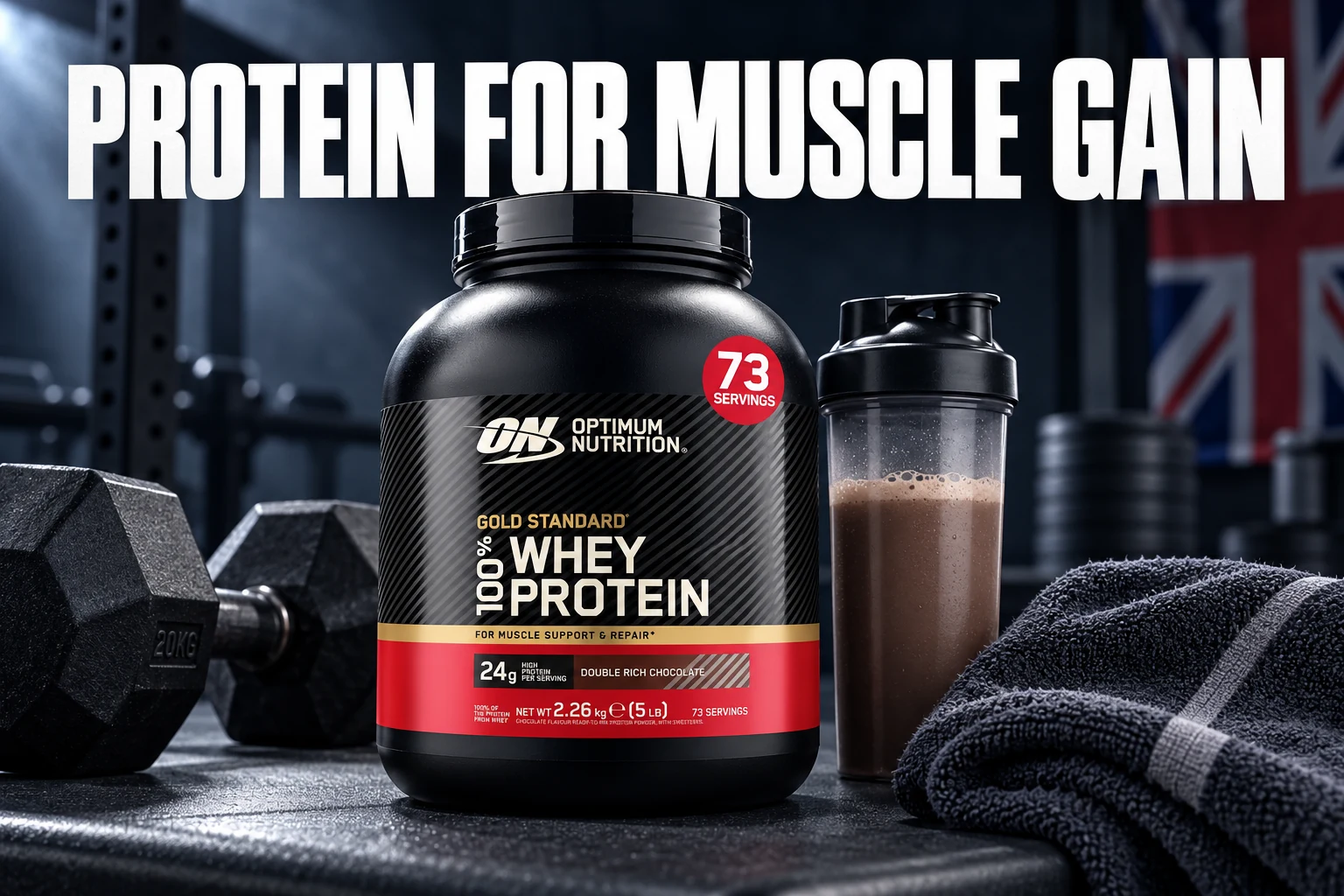
MyProtein Impact Whey is our muscle-gain pick for most people because muscle responds to sufficient daily protein and training—not to a premium tub. Use enough powder to supply roughly 25–30g protein, then spend the saving on food. Gold Standard is our taste-first option and Applied Nutrition Critical Whey suits athletes who genuinely need tested-sport assurance. We do not recommend mass gainer to most lifters. Whey plus oats, milk, fruit or ordinary meals gives better control over calories and carbohydrate quality. Buy a commercial gainer only when eating enough food is the actual limiting problem.
What is the best protein powder for muscle gain in the UK?
Optimum Nutrition Gold Standard 100% Whey is the most recommended muscle-building protein in the UK in 2026, with 55,656 verified Amazon UK reviews at 4.6 stars on the Double Rich Chocolate variant alone. Each scoop delivers 24g of whey blend protein, combining isolate, concentrate, and hydrolysate, with 5.5g of leucine, well above the 2.5g muscle protein synthesis threshold.
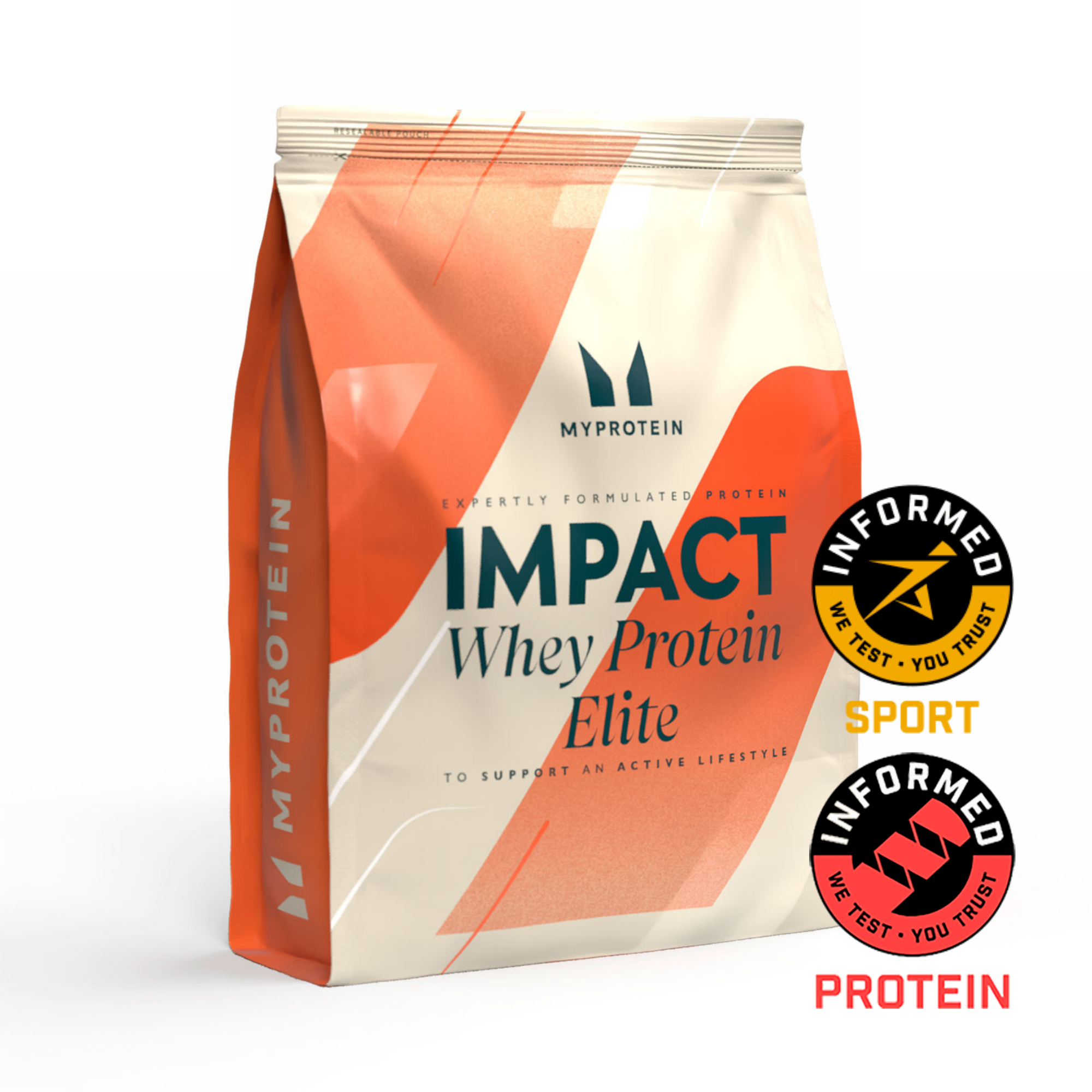
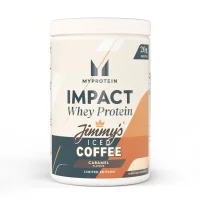
MyProtein Impact Whey is the budget pick for muscle gain, delivering 21g protein per 25g scoop at 79p per serving according to a Which? 2026 panel measurement. On Impact Week with a 40 to 50 percent code, it lands at roughly 36p per 25g of protein, the cheapest muscle-building whey in the UK.
Applied Nutrition Critical Whey is the Informed Sport certified mid-tier option, delivering 24g protein per scoop from a 4-source blend. It suits tested athletes who need certified batch testing but want better value than Optimum Nutrition Gold Standard.
The 7 best protein powders for muscle gain in the UK in 2026
Seven UK protein powders ranked by protein per scoop, leucine content, total daily cost at 4 scoops per day, and Informed Sport certification where relevant.
For live UK prices across all seven picks sorted by cost per 25g of protein, see the whey concentrate comparison and the whey isolate comparison, updated weekly across 85+ retailers. For brand-on-brand muscle-gain head-to-heads, see the Optimum Nutrition vs MuscleTech review.
| Rank | Product | Best for | ProteinDeals verdict |
|---|---|---|---|
| 1 | Pure Source Nutrition Diet Whey Protein PowderFrom £37.99 Pros
| Best overall | The strongest current value in the live ProteinDeals results for this category. |
| 2 | Pure Source Nutrition Diet Whey Protein PowderFrom £37.99 Pros
| Best-value alternative | A competitive alternative worth checking against the leading pick for your preferred size and flavour. |
| 3 | Pure Source Nutrition Diet Whey Protein PowderFrom £37.99 Pros
| Specialist option | A competitive alternative worth checking against the leading pick for your preferred size and flavour. |
| 4 | Pure Source Nutrition Diet Whey Protein PowderFrom £37.99 Pros
| Specialist option | A competitive alternative worth checking against the leading pick for your preferred size and flavour. |
| 5 | Pure Source Nutrition Diet Whey Protein PowderFrom £37.99 Pros
| Specialist option | A competitive alternative worth checking against the leading pick for your preferred size and flavour. |
| 6 | Pure Source Nutrition Diet Whey Protein PowderFrom £37.99 Pros
| Specialist option | A competitive alternative worth checking against the leading pick for your preferred size and flavour. |
| 7 | Pure Source Nutrition Diet Whey Protein PowderFrom £37.99 Pros
| Specialist option | A competitive alternative worth checking against the leading pick for your preferred size and flavour. |

Live comparison
Whey Protein products
FlavourSize (g)QtyServingsOfferTotal Per 25g protein 3000191.2 £37.99 25.0g125£0.417 2000160.8 £27.99 25.0g125£0.460 1000130.4 £15.99 25.0g125£0.526 |
FlavourSize (g)QtyServingsOfferTotal Per 25g protein 1000132.3 £14.99£19.99 -25%25.0g118£0.463 |
FlavourSize (g)QtyServingsOfferTotal Per 25g protein 1000132.3 £14.99£19.99 -25%25.0g118£0.463 |
FlavourSize (g)QtyServingsOfferTotal Per 25g protein 1000127.3 £18.99 25.0g138£0.695 |
FlavourSize (g)QtyServingsOfferTotal Per 25g protein 48001113.3 £80.49 25.0g155£0.711 2400156.6 £40.99 25.0g155£0.724 1200128.3 £21.29 25.0g155£0.752 |
FlavourSize (g)QtyServingsOfferTotal Per 25g protein 48001130.6 £95.99 25.0g136£0.735 2400165.3 £51.99 25.0g136£0.796 1200132.6 £28.29 25.0g136£0.867 |
FlavourSize (g)QtyServingsOfferTotal Per 25g protein 48001132.5 £104.49 25.0g131£0.789 2400166.2 £56.49 25.0g131£0.853 1200133.1 £30.49 25.0g131£0.921 |
FlavourSize (g)QtyServingsOfferTotal Per 25g protein 43501125.3 £99.99 25.0g132£0.798 1000128.8 £25.99 25.0g127£0.902 50001146 £144.49 25.0g129£0.990 |
FlavourSize (g)QtyServingsOfferTotal Per 25g protein 60001168 £143.99 25.0g129£0.857 3000184 £77.99 25.0g129£0.928 1500142 £41.99 25.0g129£1.000 |
FlavourSize (g)QtyServingsOfferTotal Per 25g protein 2000157 £49.99£99.99 -50%25.0g136£0.878 1000128.5 £29.99£49.99 -40%25.0g136£1.053 500114.2 £17.99£24.99 -28%25.0g136£1.263 |
FlavourSize (g)QtyServingsOfferTotal Per 25g protein 2250163 £55.99 25.0g156£0.889 750121 £19.99 25.0g156£0.952 375110.8 £11.99 25.0g153£1.110 |
FlavourSize (g)QtyServingsOfferTotal Per 25g protein 720120.2 £17.99£29.99 -40%25.0g133£0.892 2000156 £69.99 25.0g134£1.250 15001- £64.99 --- |
FlavourSize (g)QtyServingsOfferTotal Per 25g protein 50001142 £129.99 25.0g133£0.915 2500171 £67.99 25.0g133£0.958 1000128.4 £27.99 25.0g133£0.986 |
FlavourSize (g)QtyServingsOfferTotal Per 25g protein 2000164.8 £60.00 25.0g127£0.926 |
FlavourSize (g)QtyServingsOfferTotal Per 25g protein 50001150 £139.99 25.0g125£0.933 2500175 £74.99 25.0g125£1.000 1000130 £31.99 25.0g125£1.066 |
FlavourSize (g)QtyServingsOfferTotal Per 25g protein 2100163 £59.95 25.0g126£0.952 510115.3 £29.95 25.0g126£1.957 |
FlavourSize (g)QtyServingsOfferTotal Per 25g protein 1800157.6 £54.95 25.0g113£0.954 1000132 £32.95 25.0g113£1.030 450114.4 £19.95 25.0g113£1.385 |
FlavourSize (g)QtyServingsOfferTotal Per 25g protein 50001112 £107.99 25.0g151£0.964 2500154 £59.99 25.0g162£1.111 1000123.2 £28.49 25.0g155£1.228 |
FlavourSize (g)QtyServingsOfferTotal Per 25g protein 908130.5 £30.02£49.99 -40%25.0g108£0.984 |
FlavourSize (g)QtyServingsOfferTotal Per 25g protein 40001124.8 £123.99 25.0g120£0.993 2000162.4 £63.99 25.0g120£1.025 1000131.2 £33.99 25.0g120£1.089 |
FlavourSize (g)QtyServingsOfferTotal Per 25g protein 40001118.4 £119.49 25.0g127£1.009 1000129.6 £31.99 25.0g127£1.081 |
FlavourSize (g)QtyServingsOfferTotal Per 25g protein 50001158.2 £159.99 25.0g126£1.011 3000194.9 £99.99 25.0g126£1.053 2000163.3 £69.99 25.0g126£1.106 |
FlavourSize (g)QtyServingsOfferTotal Per 25g protein 40001123.2 £127.99 25.0g123£1.039 500114.8 £15.99 25.0g127£1.080 2000159.2 £65.99 25.0g127£1.115 |
FlavourSize (g)QtyServingsOfferTotal Per 25g protein 1000128.5 £29.99£49.99 -40%25.0g136£1.053 500114.2 £17.99£49.99 -64%25.0g136£1.263 |
FlavourSize (g)QtyServingsOfferTotal Per 25g protein 45001138.1 £145.99 25.0g128£1.057 2270169.6 £89.99 25.0g128£1.292 1000130.7 £52.99 25.0g128£1.727 |
FlavourSize (g)QtyServingsOfferTotal Per 25g protein 908127.6 £29.39£42.99 -32%25.0g124£1.065 2000160.8 £92.99 25.0g126£1.529 3010.9 £2.99 25.0g125£3.194 |
FlavourSize (g)QtyServingsOfferTotal Per 25g protein 2270173.5 £79.99 25.0g117£1.088 |
FlavourSize (g)QtyServingsOfferTotal Per 25g protein 2270173.5 £79.99£89.99 -11%25.0g117£1.088 |
FlavourSize (g)QtyServingsOfferTotal Per 25g protein 2000153.6 £59.99 25.0g142£1.119 900124.1 £39.99 25.0g142£1.658 |
FlavourSize (g)QtyServingsOfferTotal Per 25g protein 2200170.4 £79.99 25.0g-£1.136 900128.8 £41.99 25.0g-£1.458 1500148 £74.99 25.0g-£1.562 |
FlavourSize (g)QtyServingsOfferTotal Per 25g protein 2000152 £59.99 25.0g151£1.154 1000126 £34.99 25.0g151£1.346 |
FlavourSize (g)QtyServingsOfferTotal Per 25g protein 500113.8 £15.99£24.99 -36%25.0g130£1.159 1000127.6 £39.99£44.99 -11%25.0g130£1.449 |
FlavourSize (g)QtyServingsOfferTotal Per 25g protein 1000129.6 £34.49 25.0g128£1.165 |
FlavourSize (g)QtyServingsOfferTotal Per 25g protein 2000158.3 £68.95 25.0g135£1.182 825124.1 £33.95 25.0g135£1.411 450113.1 £19.95 25.0g135£1.520 |
FlavourSize (g)QtyServingsOfferTotal Per 25g protein 2500177 £91.99 25.0g119£1.195 1000130.8 £39.99 25.0g119£1.298 500115.4 £23.49 25.0g119£1.525 |
FlavourSize (g)QtyServingsOfferTotal Per 25g protein 1000130.8 £36.99 25.0g130£1.201 500115.4 £25.99 25.0g130£1.688 |
FlavourSize (g)QtyServingsOfferTotal Per 25g protein 2000161.7 £75.00 25.0g126£1.215 |
FlavourSize (g)QtyServingsOfferTotal Per 25g protein 45301137.7 £170.00 25.0g123£1.234 2260168.7 £98.00 25.0g123£1.426 899127.3 £50.00 25.0g123£1.830 |
FlavourSize (g)QtyServingsOfferTotal Per 25g protein 900125.9 £32.00 25.0g130£1.235 |
FlavourSize (g)QtyServingsOfferTotal Per 25g protein 1800160.5 £75.00 25.0g-£1.240 |
FlavourSize (g)QtyServingsOfferTotal Per 25g protein 650117.4 £22.00 25.0g136£1.263 |
FlavourSize (g)QtyServingsOfferTotal Per 25g protein 500114.2 £17.99£24.99 -28%25.0g112£1.263 |
FlavourSize (g)QtyServingsOfferTotal Per 25g protein 2250155.2 £69.99 25.0g147£1.269 908122.3 £39.99 25.0g147£1.796 |
FlavourSize (g)QtyServingsOfferTotal Per 25g protein 2000154.4 £71.99 25.0g132£1.323 1000127.2 £39.99 25.0g132£1.470 500113.6 £21.99 25.0g132£1.617 |
FlavourSize (g)QtyServingsOfferTotal Per 25g protein 2270167.2 £92.00 25.0g125£1.369 |
FlavourSize (g)QtyServingsOfferTotal Per 25g protein 1000129.2 £39.99 25.0g152£1.370 |
FlavourSize (g)QtyServingsOfferTotal Per 25g protein 899125.5 £35.00 25.0g136£1.371 |
FlavourSize (g)QtyServingsOfferTotal Per 25g protein 1000127.6 £37.99 25.0g130£1.376 500113.8 £19.99 25.0g130£1.449 |
FlavourSize (g)QtyServingsOfferTotal Per 25g protein 900257.6 £80.98 25.0g120£1.406 900128.8 £44.99 25.0g120£1.562 3010.9 £2.49 25.0g120£2.664 |
FlavourSize (g)QtyServingsOfferTotal Per 25g protein 1000131.2 £44.99 25.0g127£1.442 3010.9 £1.75 25.0g129£1.944 30019.2 £21.99 25.0g126£2.380 |
FlavourSize (g)QtyServingsOfferTotal Per 25g protein 2000162.4 £89.99 25.0g130£1.442 1000128.8 £44.99 25.0g135£1.562 30019.1 £21.99 25.0g128£2.405 |
FlavourSize (g)QtyServingsOfferTotal Per 25g protein 420113.1 £18.99 25.0g120£1.445 |
FlavourSize (g)QtyServingsOfferTotal Per 25g protein 1800148.2 £69.99 25.0g139£1.451 1200132.2 £47.49 25.0g139£1.477 600116.1 £24.99 25.0g139£1.554 |
FlavourSize (g)QtyServingsOfferTotal Per 25g protein 2250182 £119.99 25.0g100£1.463 750127.3 £49.99 25.0g100£1.829 |
FlavourSize (g)QtyServingsOfferTotal Per 25g protein 900130 £43.99 25.0g-£1.467 |
FlavourSize (g)QtyServingsOfferTotal Per 25g protein 1800154 £79.99 25.0g128£1.481 810124.3 £49.99 25.0g128£2.057 450113 £29.99 25.0g133£2.314 |
FlavourSize (g)QtyServingsOfferTotal Per 25g protein 48001150.5 £224.00£236.00 -5%25.0g126£1.488 2400175.3 £120.00 25.0g126£1.594 1200137.6 £62.00 25.0g126£1.648 |
FlavourSize (g)QtyServingsOfferTotal Per 25g protein 1000260 £89.98 25.0g125£1.500 1000130 £49.99 25.0g125£1.666 |
FlavourSize (g)QtyServingsOfferTotal Per 25g protein 1020129.4 £44.99 25.0g127£1.532 |
FlavourSize (g)QtyServingsOfferTotal Per 25g protein 1000129.3 £48.95 25.0g131£1.669 |
FlavourSize (g)QtyServingsOfferTotal Per 25g protein 1000122 £36.99 25.0g166£1.678 |
FlavourSize (g)QtyServingsOfferTotal Per 25g protein 2000164.8 £112.00 25.0g129£1.728 1000132.4 £59.00 25.0g129£1.821 |
FlavourSize (g)QtyServingsOfferTotal Per 25g protein 600115.8 £27.49 25.0g142£1.735 |
FlavourSize (g)QtyServingsOfferTotal Per 25g protein 1000126.4 £54.00£60.00 -10%25.0g129£2.045 500113.6 £30.00 25.0g129£2.206 |
FlavourSize (g)QtyServingsOfferTotal Per 25g protein 1000126.8 £54.99 25.0g137£2.052 |
FlavourSize (g)QtyServingsOfferTotal Per 25g protein 1000125.6 £54.00£60.00 -10%25.0g134£2.109 500112.8 £30.00 25.0g134£2.344 |
FlavourSize (g)QtyServingsOfferTotal Per 25g protein 6011.8 £3.99 25.0g119£2.159 |
FlavourSize (g)QtyServingsOfferTotal Per 25g protein 30018.6 £24.99 25.0g128£2.892 |
FlavourSize (g)QtyServingsOfferTotal Per 25g protein 3110.9 £4.39 25.0g123£4.658 |
FlavourSize (g)QtyServingsOfferTotal Per 25g protein - £8.99 25.0g495- |
FlavourSize (g)QtyServingsOfferTotal Per 25g protein 20001- £77.50 25.0g-- |
FlavourSize (g)QtyServingsOfferTotal Per 25g protein 9001- £28.00 --- |
FlavourSize (g)QtyServingsOfferTotal Per 25g protein 20001- £67.50 25.0g-- 9081- £36.00 25.0g-- 4761- £18.00 25.0g-- |






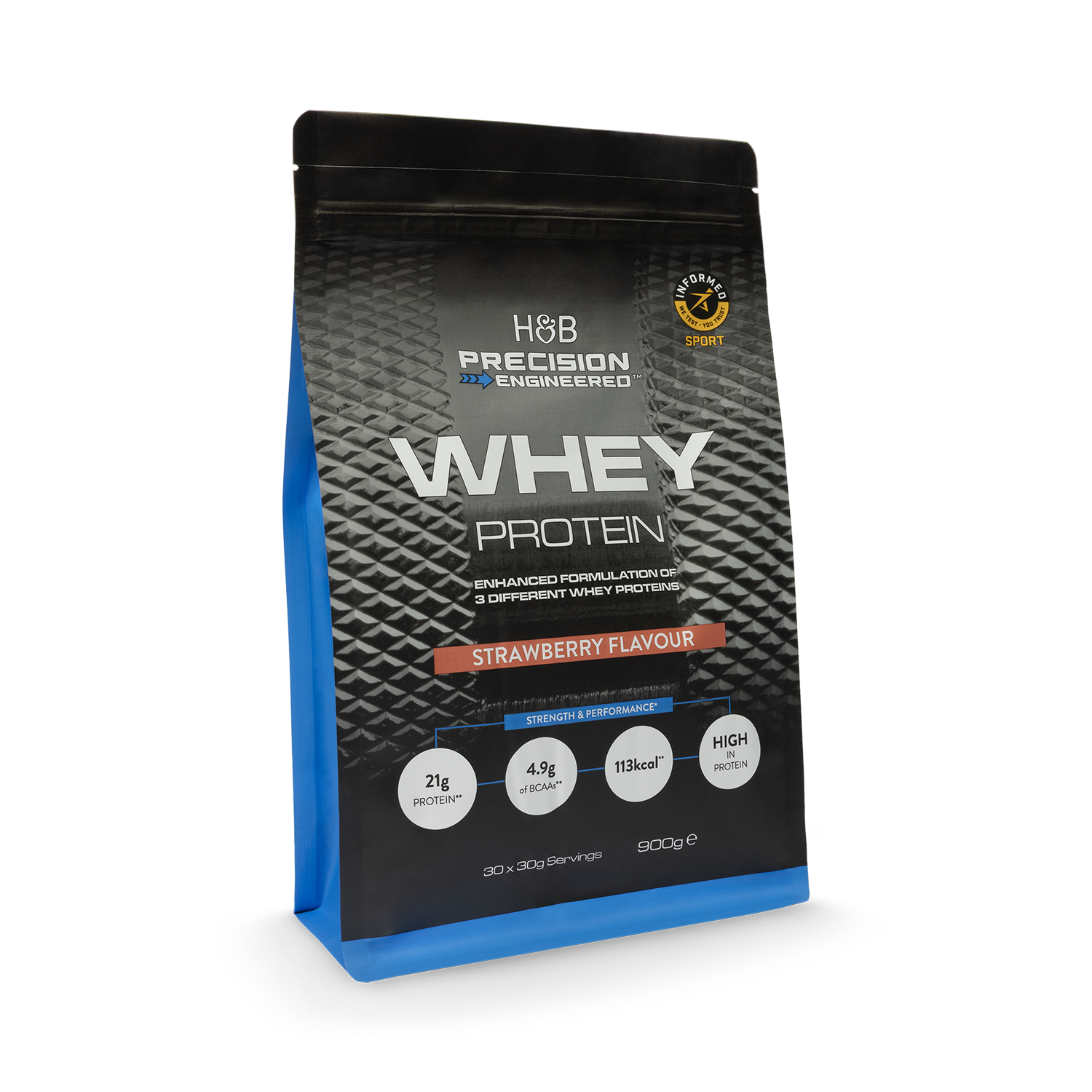

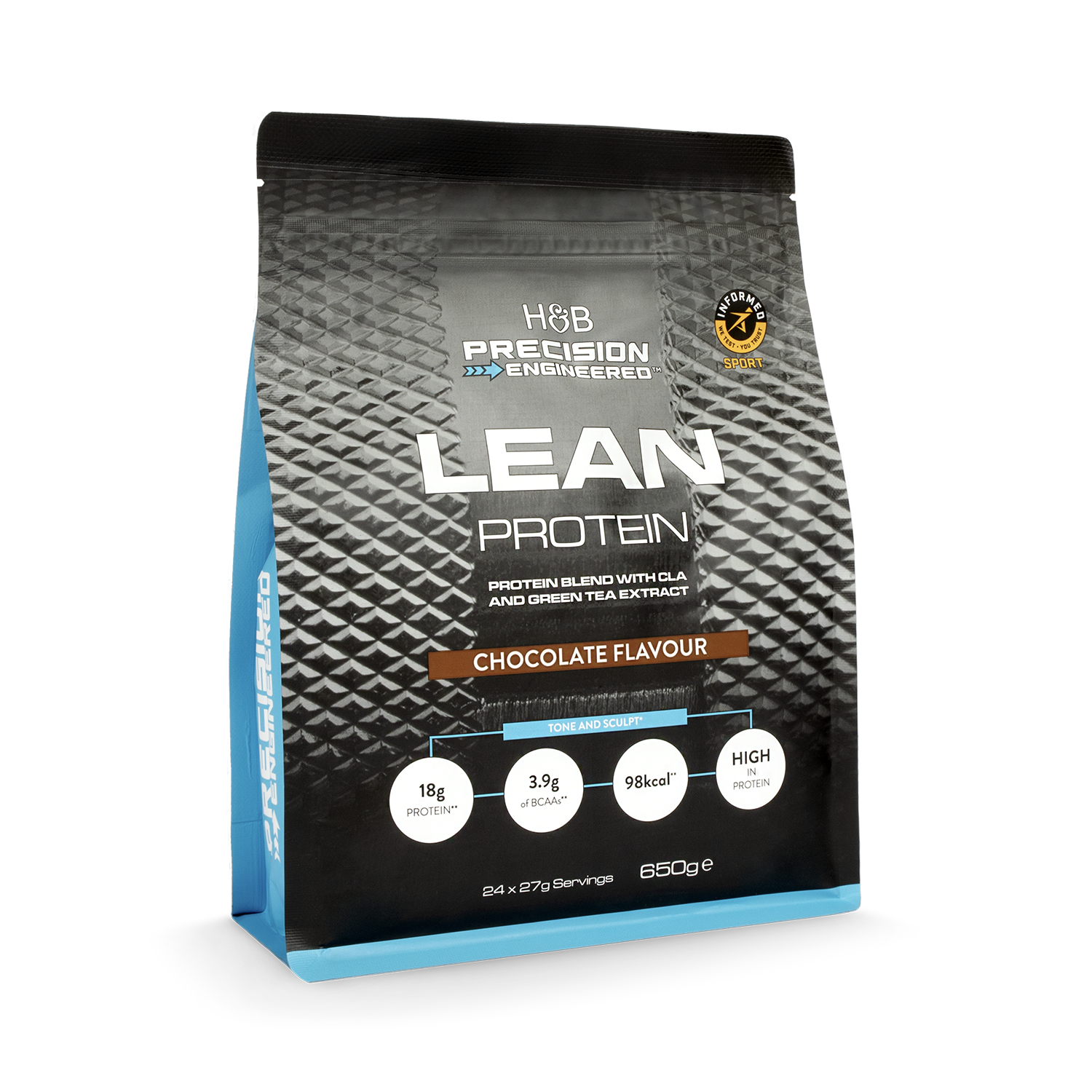



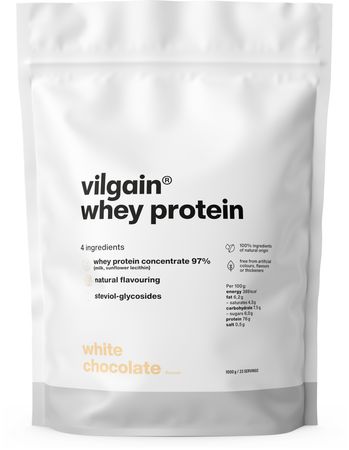












Best overall Whey Protein
Diet Whey Protein Powder
Pure Source Nutrition · 1kg
Pros
- 55.5% cheaper per 25g protein than the median of 65 other Whey Protein product families in this comparison
How much protein per kg of bodyweight to build muscle
The evidence-backed muscle-building protein target is 1.6 to 2.2g of protein per kg of bodyweight per day, split across 4 to 5 meals each delivering at least 0.3g per kg per meal, around 24g for an 80kg adult. Going above 2.2g per kg per day produces no additional muscle-protein-synthesis benefit in the evidence base, since the excess is oxidised for energy or excreted.
For three reference bodyweights at the upper-end 2.2g per kg target, use the ProteinDeals protein calculator to dial in your own daily target by bodyweight, activity, and training volume.
- 1
70kg adult: 154g protein per day. Six 26g protein meals or shakes hits the target. Typical UK food intake delivers around 80g, so two protein shakes close the gap.
- 2
80kg adult: 176g protein per day. Six 30g protein meals or shakes hits the target. Typical UK food intake delivers around 90g, so three protein shakes close the gap.
- 3
95kg adult: 209g protein per day. Six 35g protein meals or shakes hits the target. Typical UK food intake delivers around 100g, so three to four protein shakes plus deliberate high-protein meals close the gap.
Community perspective
What others are saying
This isn’t suggested. Beef protein is just glorified collagen and doesn’t work for muscle gain
u/darthluiggi in r/ketogains
Again, Beef protein is just glorified collagen and doesn’t work for muscle gain
u/darthluiggi in r/ketogains
Its a scam. Beef protein is just glorified collagen and doesn’t work for muscle gain
u/darthluiggi in r/ketogains
Watch what buyers found
Hands-on opinions
How To Pick The Best Protein Powder (CHOOSE WISELY!)
Jeremy Ethier
A topic-specific video selected for additional practical context on Best Protein Powder for Muscle Gain UK: A Smarter Buyer's Guide for 2026.
Whey vs casein vs blend: which builds muscle fastest?
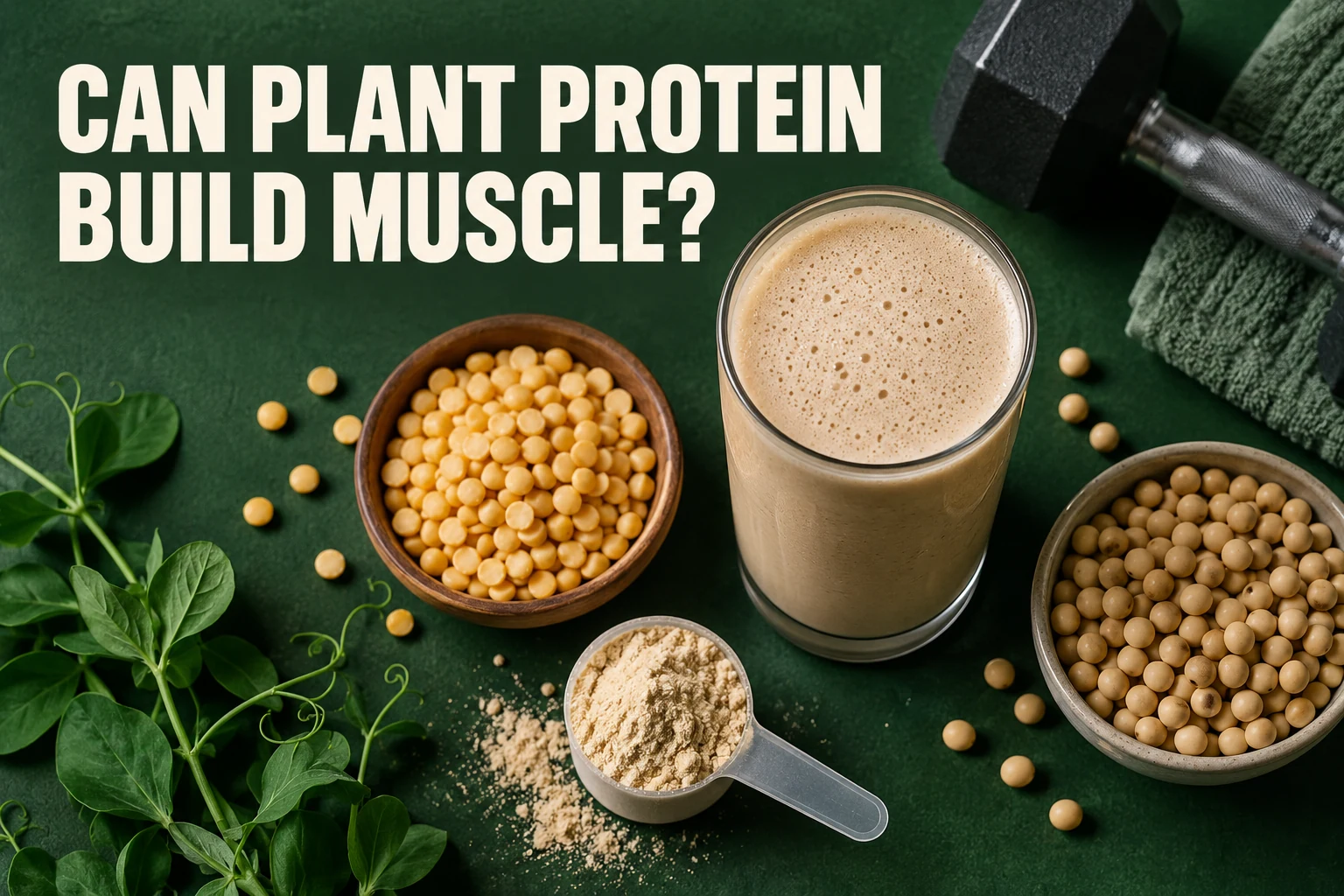
Three protein types compete for the muscle-building slot. Each wins on different absorption kinetics, but total daily protein intake matters far more than which type drives any given meal.
- 1
Whey wins post-workout. It is fast absorbing, with peak amino acids within 60 to 90 minutes, making it the right tool for the post-training window when muscle protein synthesis is elevated. Whey isolate is fastest, while whey concentrate is slightly slower but functionally equivalent for MPS.
- 2
Casein wins overnight. It is slow absorbing, with sustained amino acid release over 6 to 7 hours, making it the right tool for the pre-bed slot to provide overnight amino acid availability while you sleep. Calcium caseinate and micellar casein are the two standard forms.
- 3
Blends win for one-tub convenience. Optimum Nutrition Gold Standard combines whey isolate (fast), whey concentrate (medium), and hydrolysed whey (very fast). MuscleTech Nitro-Tech adds creatine and BCAAs on top of whey peptides, and Applied Nutrition Critical Whey blends concentrate, isolate, hydrolysate, and casein. Blends do not outperform pure whey for post-workout, but they cover more bases per scoop for buyers who use one tub all day.
Protein timing: pre-workout, post-workout, before bed
Protein timing matters less than total daily intake, but three windows are worth optimising. What does not matter as much as the wellness internet claims: precise 30-minute anabolic windows, fasted post-workout shakes for leaner gains, or BCAA timing between meals. Daily total drives the result: hit the number, train hard, sleep enough.
- 1
Post-workout, within 60 minutes of training. The classic anabolic window is wider than once believed, with recent meta-analyses extending it to roughly 2 hours either side of training, but a whey shake within 60 minutes of finishing a lift remains the highest-ROI timing slot. 24g of protein with at least 2.5g leucine clears the MPS threshold.
- 2
Pre-workout, 30 to 60 minutes before training. Provides amino acids during the session and reduces muscle protein breakdown. Useful if you train fasted or have not eaten in 3 or more hours, but skip it if you have eaten a normal high-protein meal in the last 2 hours.
- 3
Before bed, casein or a slow blend. Sustained amino release during sleep supports overnight muscle protein synthesis. 30 to 40g of casein 30 minutes before bed is the protocol. Whey works too, but digests faster than the sleep window needs. Most UK muscle-builders skip this unless they are in a serious hypertrophy block.
When mass gainer beats regular protein powder
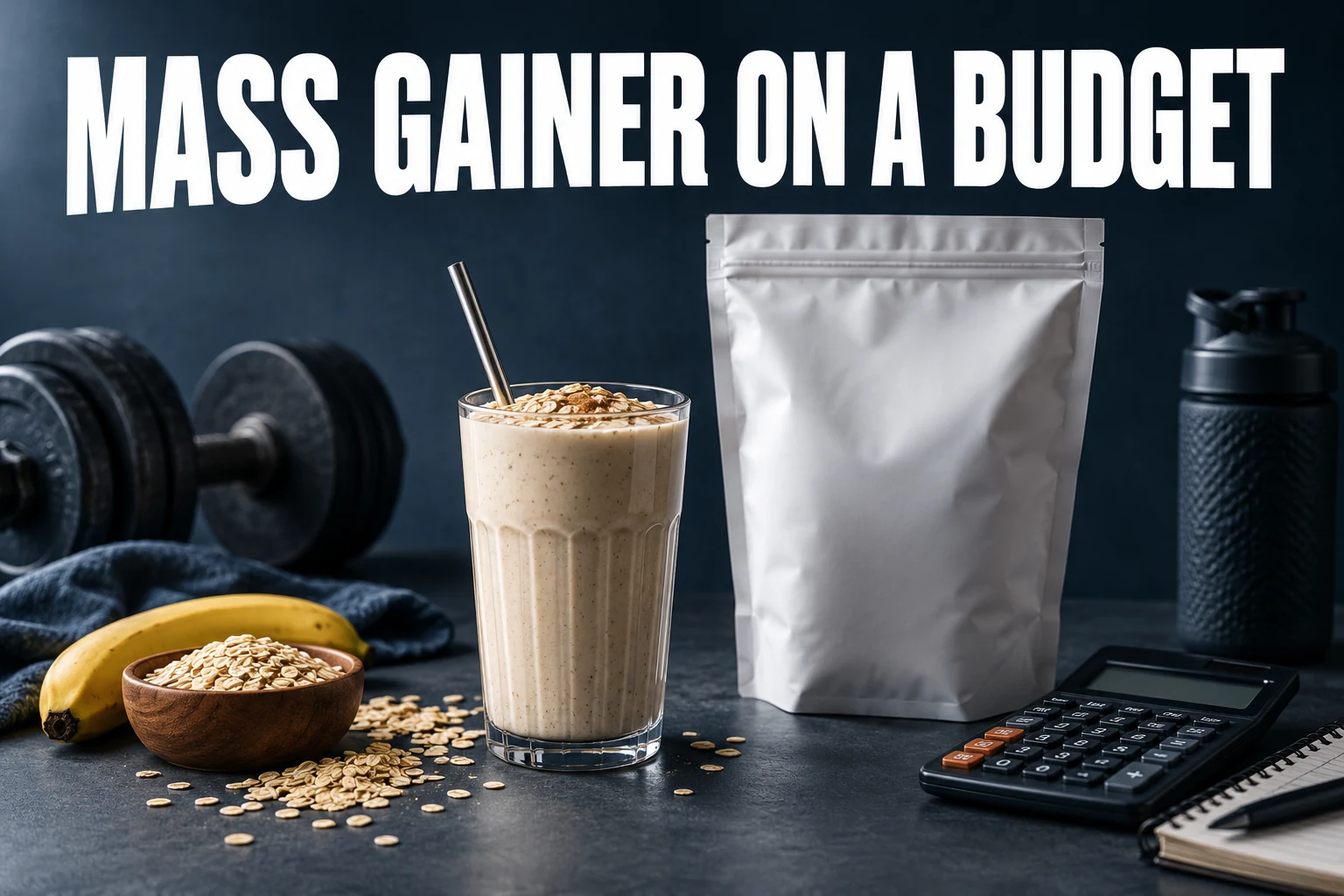
A mass gainer is a high-calorie protein-plus-carb powder, typically delivering 800 to 1,250 kcal per serving with 40 to 50g of protein. For 90 percent of UK muscle-builders, a mass gainer is unnecessary, since the maltodextrin-heavy carb base is calorie-dense but nutritionally hollow. A regular whey protein plus deliberate food intake from pasta, rice, oats, and potatoes is the better protocol for sustainable muscle gain. The cheapest mass gainer UK ingredients guide covers exactly what is in the typical mass gainer and which ingredients matter.
- 1
Hard-gainers who cannot hit a calorie surplus through food. Naturally lean people with fast metabolisms and limited appetite often struggle to eat the 3,500 to 4,500 daily calories needed to gain muscle. A mass gainer shake closes 800 to 1,250 calories of that gap in 5 minutes versus a full meal. The detailed mass-gainer breakdown lives in the affordable mass gainer UK guide.
- 2
Athletes in a heavy training block needing peri-workout carbs. Rugby, strongman, and competitive lifting athletes with high glycogen demands benefit from carb-plus-protein shakes around training sessions. For everyone else, a regular meal of pasta or rice does the same job.
Mistakes that stall muscle gain on a protein powder
Five protein-related mistakes most often derail muscle gain.
- 1
Under-eating total calories. Muscle gain requires a calorie surplus, typically 200 to 500 calories above maintenance. Buyers fixated on protein intake while eating below maintenance see strength gains for 4 to 6 weeks then stall. Track calories, hit the surplus, and let the protein supplement do its job.
- 2
Skipping resistance training progression. Protein powder builds nothing without progressive overload. The protein supplements the training stimulus, it does not replace it. Two protein shakes a day with the same gym routine repeated for a year produces no muscle gain.
- 3
Buying too small a tub. A 1kg tub at 2 scoops per day lasts 16 to 17 days. Serious muscle-builders go through 2.5 to 3kg per month at 3 scoops per day. Order the largest size you will use within 2 to 3 months for the best per-gram price.
- 4
Switching brands monthly. Variety is the enemy of consistency. Pick one whey, hit the daily target for 12 to 16 weeks, and see the results. Sampling six different brands per quarter produces no meaningful data on what is working.
- 5
Ignoring sleep. Muscle protein synthesis runs heaviest during deep sleep. Lifters drinking 200g of protein daily on 5 hours of sleep build less muscle than lifters drinking 130g of protein on 8 hours of sleep. The protein powder is necessary but not sufficient.
Where to buy muscle-building protein cheapest in the UK
Four channels carry every pick in this guide, with meaningful per-100g price differences. The whey concentrate comparison, whey isolate comparison, and mass gainer comparison sort every UK product by cost per 25g of protein, refreshed weekly across 85+ retailers. For brand head-to-heads, see /protein-reviews.
- 1
Direct from MyProtein on Impact Week. The single cheapest cost per 25g of protein for the budget pick. Wait for the cycle, which runs every 6 to 8 weeks, apply a 40 to 50 percent sitewide code plus an affiliate code, and buy the 2.5kg or 5kg bag. See the MyProtein compare hub for the full discount-stacking protocol.
- 2
Amazon UK with Subscribe and Save. Optimum Nutrition Gold Standard, MuscleTech Nitro-Tech, and Applied Nutrition Critical Whey all have Prime delivery and 5 to 15 percent Subscribe and Save discounts, the cleanest channel for steady-state muscle-builders.
- 3
Direct from Bulk or Warrior. Honest pricing without code games, via bulk.com and teamwarrior.com. Best for buyers who hate timing purchases.
- 4
Specialist supplement retailers such as Bodybuilding Warehouse and Predator Nutrition run aggressive bundle deals around Black Friday and January, worth checking if buying multiple products.
References
Sources and further reading
- 01Morton et al. — protein supplementation and resistance training
Meta-analysis supporting the emphasis on total daily protein and resistance training.
Frequently asked questions
What is the best protein powder to build muscle in the UK in 2026?+
Optimum Nutrition Gold Standard 100% Whey is the most-reviewed and most-recommended muscle-building protein in the UK in 2026, delivering 24g of protein and 5.5g leucine per scoop. MyProtein Impact Whey is the budget pick at the same protein-per-scoop on Impact Week. Applied Nutrition Critical Whey is the Informed Sport certified mid-tier choice.
How much protein per day for muscle gain?+
Aim for 1.6 to 2.2g of protein per kg of bodyweight per day to maximise muscle protein synthesis during a hypertrophy training block. For an 80kg adult that is 128 to 176g of protein daily. Two protein shakes deliver 40-50g, closing the gap between typical food intake (around 90g) and the muscle-building target.
Is whey or casein better for muscle gain?+
Whey is better for the post-workout window because of fast absorption (peak amino acids within 60-90 minutes). Casein is better for overnight (sustained amino acid release over 6-7 hours). The optimal stack uses whey post-workout plus casein before bed - the Optimum Nutrition Gold Standard blend includes both for one-tub convenience.
Do I need a mass gainer to build muscle?+
No. A mass gainer is a high-calorie protein-plus-carb powder (typically 800-1,250 kcal per serving) for hard-gainers who struggle to hit a calorie surplus through food alone. Most UK lifters build muscle on a regular whey protein plus deliberate food intake, hitting the surplus through pasta, rice, and oats rather than maltodextrin-heavy shakes.
How long until I see muscle gain results from protein powder?+
Visible muscle gain takes 6 to 12 weeks of consistent training plus hitting 1.6-2.2g of protein per kg daily plus a slight calorie surplus. Strength increases (the leading indicator) appear within 2-4 weeks. The protein powder is the supplement that closes the daily protein gap - the training and total calorie intake do the actual work.