

Quick answer
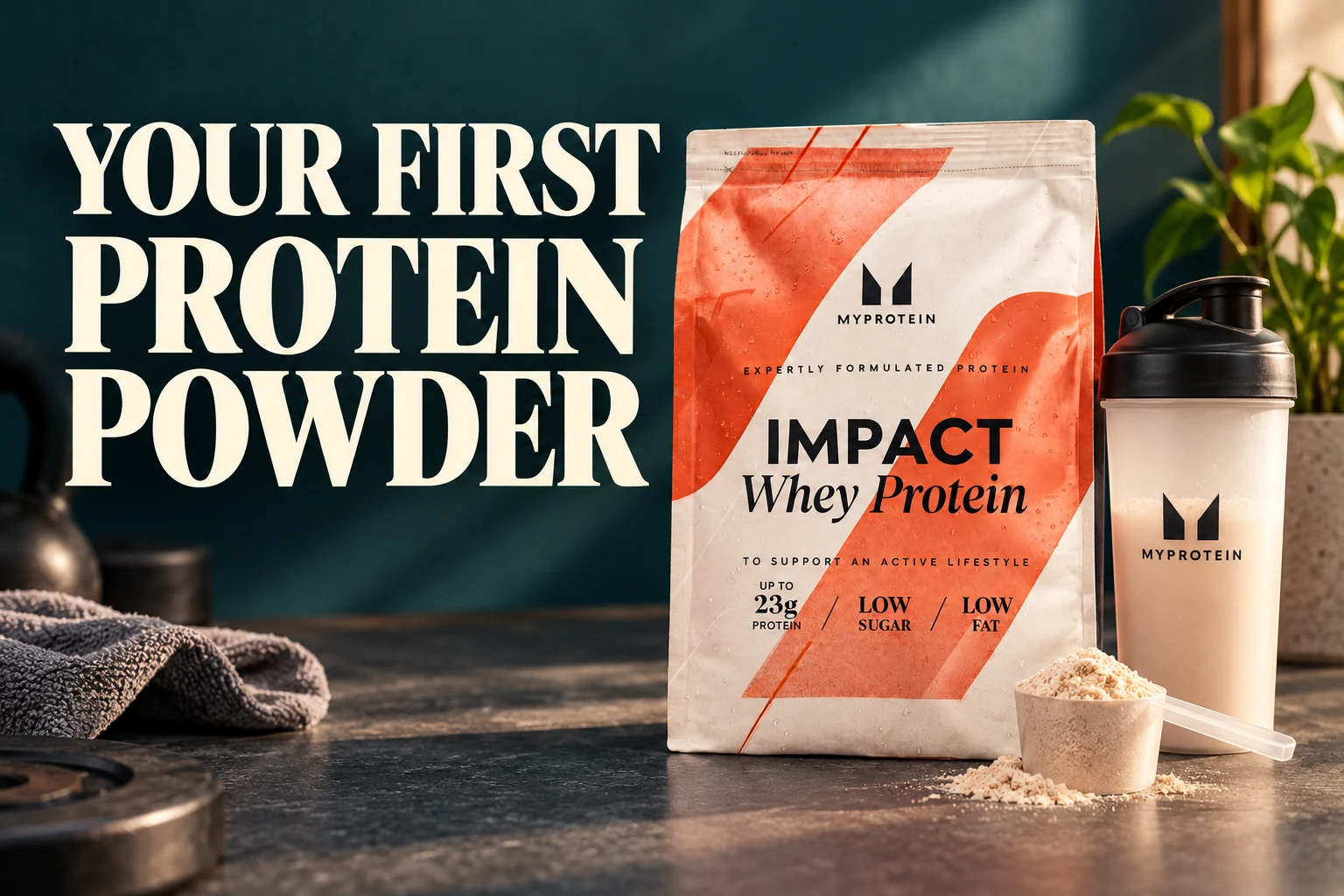
Our beginner pick is a 1kg bag of MyProtein Impact Whey Chocolate Smooth. It is cheaper than Gold Standard often enough to make sense, broadly liked, and available in larger bags once you know it works for you. If Bulk Pure Whey is over 10% cheaper per 25g protein, buy Bulk instead. Do not begin with isolate, clear whey, a 5kg bag or an elaborate supplement stack. Start with one scoop of ordinary whey concentrate only when food leaves a protein gap. Dairy-free beginners should choose a small bag of a pea-and-rice blend rather than forcing whey.
What protein powder should a beginner buy?
A beginner should buy plain whey concentrate from an established brand. We put MyProtein Impact Whey Chocolate Smooth ahead of Gold Standard because a first powder should be affordable as well as easy to drink. Gold Standard remains the lower-risk premium alternative; Bulk Pure Whey is the better budget alternative when its live unit price is clearly lower. Buy 1kg first, then scale up.
Do beginners even need protein powder?
No, protein powder is not strictly necessary to build muscle. You can hit your protein target from chicken, eggs, dairy, fish, beans, and tofu alone. What protein powder does is make that target cheaper and far more convenient, especially first thing in the morning or straight after training. For a new gym-goer who struggles to eat enough protein, one or two shakes a day is the easiest fix available. Treat it as a top-up tool, not a magic powder.
Which type of protein should a beginner choose?
Four main types cover almost every beginner decision.
- 1
Whey concentrate, the default. Cheapest, around 70 to 80% protein, mixes well, tastes good. The right choice for almost every beginner.
- 2
Whey isolate, the upgrade. More filtered, near-zero lactose, leaner macros. Choose it only if concentrate upsets your stomach or you want the cleanest profile. Costs more.
- 3
Vegan blend, the dairy-free option. Pea and rice based, zero lactose. The default if you avoid dairy.
- 4
Clear whey, the light option. Mixes thin and fruity like a juice. A nice-to-have, not a first buy.
Community perspective
What others are saying
Watch what buyers found
Hands-on opinions
How To Pick The Best Protein Powder (CHOOSE WISELY!)
Jeremy Ethier
A topic-specific video selected for additional practical context on Best Protein Powder for Beginners UK: Best Options Compared for 2026.
If you are still not sure
Pick concentrate. You can always upgrade once you know how your body and taste buds react. For the deeper comparison see whey isolate vs concentrate.
The 5 best beginner protein powders in the UK in 2026
The most beginner-proof protein in the UK. It mixes cleanly with just a shaker, the flavours (especially Double Rich Chocolate and French Vanilla) stay reliable, and it is stocked in supermarkets, Amazon, and every supplement shop. 24g protein per scoop. You pay a small premium over value brands, but for a first tub the consistency earns it.
The smart value choice for a beginner who wants to keep costs down from day one. Around 71g protein per 100g and consistently one of the cheapest UK wheys at roughly 50p per 25g of protein. Buy the 1kg first, then size up to the 2.5kg once you know you like it.
The cheapest mainstream whey when MyProtein runs an Impact Week or sitewide code, dropping to around 36p per 25g of protein. The catch for beginners is that the full RRP price sits mid-pack, so buy only on a discount code. A good second purchase once you know the ropes.
The simplest dairy-free option for beginners who avoid milk. A pea, soy, and rice blend with added digestive enzymes, zero lactose, and one of the lowest plant-protein prices in the UK. Blend it into a fruit smoothie if the earthier taste feels new.
If even a small amount of lactose leaves you bloated, start with an isolate instead. This one is widely stocked, near-zero lactose, and lean on fat and carbs. A slightly pricier but gentler first protein for anyone who reacts to concentrate. See best protein powder for sensitive stomachs.
| Rank | Product | Best for | ProteinDeals verdict |
|---|---|---|---|
| 1 | Pure Source Nutrition Diet Whey Protein PowderFrom £37.99 Pros
| Best overall | The strongest current value in the live ProteinDeals results for this category. |
| 2 | Pure Source Nutrition Diet Whey Protein PowderFrom £37.99 Pros
| Best-value alternative | A competitive alternative worth checking against the leading pick for your preferred size and flavour. |
| 3 | Pure Source Nutrition Diet Whey Protein PowderFrom £37.99 Pros
| Specialist option | A competitive alternative worth checking against the leading pick for your preferred size and flavour. |
| 4 | Pure Source Nutrition Diet Whey Protein PowderFrom £37.99 Pros
| Specialist option | A competitive alternative worth checking against the leading pick for your preferred size and flavour. |
| 5 | Pure Source Nutrition Diet Whey Protein PowderFrom £37.99 Pros
| Specialist option | A competitive alternative worth checking against the leading pick for your preferred size and flavour. |

Live comparison
Whey Protein products
FlavourSize (g)QtyServingsOfferTotal Per 25g protein 3000191.2 £37.99 25.0g125£0.417 2000160.8 £27.99 25.0g125£0.460 1000130.4 £15.99 25.0g125£0.526 |
FlavourSize (g)QtyServingsOfferTotal Per 25g protein 1000132.3 £14.99£19.99 -25%25.0g118£0.463 |
FlavourSize (g)QtyServingsOfferTotal Per 25g protein 1000132.3 £14.99£19.99 -25%25.0g118£0.463 |
FlavourSize (g)QtyServingsOfferTotal Per 25g protein 1000127.3 £18.99 25.0g138£0.695 |
FlavourSize (g)QtyServingsOfferTotal Per 25g protein 48001113.3 £80.49 25.0g155£0.711 2400156.6 £40.99 25.0g155£0.724 1200128.3 £21.29 25.0g155£0.752 |
FlavourSize (g)QtyServingsOfferTotal Per 25g protein 48001130.6 £95.99 25.0g136£0.735 2400165.3 £51.99 25.0g136£0.796 1200132.6 £28.29 25.0g136£0.867 |
FlavourSize (g)QtyServingsOfferTotal Per 25g protein 48001132.5 £104.49 25.0g131£0.789 2400166.2 £56.49 25.0g131£0.853 1200133.1 £30.49 25.0g131£0.921 |
FlavourSize (g)QtyServingsOfferTotal Per 25g protein 43501125.3 £99.99 25.0g132£0.798 1000128.8 £25.99 25.0g127£0.902 50001146 £144.49 25.0g129£0.990 |
FlavourSize (g)QtyServingsOfferTotal Per 25g protein 60001168 £143.99 25.0g129£0.857 3000184 £77.99 25.0g129£0.928 1500142 £41.99 25.0g129£1.000 |
FlavourSize (g)QtyServingsOfferTotal Per 25g protein 2000157 £49.99£99.99 -50%25.0g136£0.878 1000128.5 £29.99£49.99 -40%25.0g136£1.053 500114.2 £17.99£24.99 -28%25.0g136£1.263 |
FlavourSize (g)QtyServingsOfferTotal Per 25g protein 2250163 £55.99 25.0g156£0.889 750121 £19.99 25.0g156£0.952 375110.8 £11.99 25.0g153£1.110 |
FlavourSize (g)QtyServingsOfferTotal Per 25g protein 720120.2 £17.99£29.99 -40%25.0g133£0.892 2000156 £69.99 25.0g134£1.250 15001- £64.99 --- |
FlavourSize (g)QtyServingsOfferTotal Per 25g protein 50001142 £129.99 25.0g133£0.915 2500171 £67.99 25.0g133£0.958 1000128.4 £27.99 25.0g133£0.986 |
FlavourSize (g)QtyServingsOfferTotal Per 25g protein 2000164.8 £60.00 25.0g127£0.926 |
FlavourSize (g)QtyServingsOfferTotal Per 25g protein 50001150 £139.99 25.0g125£0.933 2500175 £74.99 25.0g125£1.000 1000130 £31.99 25.0g125£1.066 |
FlavourSize (g)QtyServingsOfferTotal Per 25g protein 2100163 £59.95 25.0g126£0.952 510115.3 £29.95 25.0g126£1.957 |
FlavourSize (g)QtyServingsOfferTotal Per 25g protein 1800157.6 £54.95 25.0g113£0.954 1000132 £32.95 25.0g113£1.030 450114.4 £19.95 25.0g113£1.385 |
FlavourSize (g)QtyServingsOfferTotal Per 25g protein 50001112 £107.99 25.0g151£0.964 2500154 £59.99 25.0g162£1.111 1000123.2 £28.49 25.0g155£1.228 |
FlavourSize (g)QtyServingsOfferTotal Per 25g protein 908130.5 £30.02£49.99 -40%25.0g108£0.984 |
FlavourSize (g)QtyServingsOfferTotal Per 25g protein 40001124.8 £123.99 25.0g120£0.993 2000162.4 £63.99 25.0g120£1.025 1000131.2 £33.99 25.0g120£1.089 |
FlavourSize (g)QtyServingsOfferTotal Per 25g protein 40001118.4 £119.49 25.0g127£1.009 1000129.6 £31.99 25.0g127£1.081 |
FlavourSize (g)QtyServingsOfferTotal Per 25g protein 50001158.2 £159.99 25.0g126£1.011 3000194.9 £99.99 25.0g126£1.053 2000163.3 £69.99 25.0g126£1.106 |
FlavourSize (g)QtyServingsOfferTotal Per 25g protein 40001123.2 £127.99 25.0g123£1.039 500114.8 £15.99 25.0g127£1.080 2000159.2 £65.99 25.0g127£1.115 |
FlavourSize (g)QtyServingsOfferTotal Per 25g protein 1000128.5 £29.99£49.99 -40%25.0g136£1.053 500114.2 £17.99£49.99 -64%25.0g136£1.263 |
FlavourSize (g)QtyServingsOfferTotal Per 25g protein 45001138.1 £145.99 25.0g128£1.057 2270169.6 £89.99 25.0g128£1.292 1000130.7 £52.99 25.0g128£1.727 |
FlavourSize (g)QtyServingsOfferTotal Per 25g protein 908127.6 £29.39£42.99 -32%25.0g124£1.065 2000160.8 £92.99 25.0g126£1.529 3010.9 £2.99 25.0g125£3.194 |
FlavourSize (g)QtyServingsOfferTotal Per 25g protein 2270173.5 £79.99 25.0g117£1.088 |
FlavourSize (g)QtyServingsOfferTotal Per 25g protein 2270173.5 £79.99£89.99 -11%25.0g117£1.088 |
FlavourSize (g)QtyServingsOfferTotal Per 25g protein 2000153.6 £59.99 25.0g142£1.119 900124.1 £39.99 25.0g142£1.658 |
FlavourSize (g)QtyServingsOfferTotal Per 25g protein 2200170.4 £79.99 25.0g-£1.136 900128.8 £41.99 25.0g-£1.458 1500148 £74.99 25.0g-£1.562 |
FlavourSize (g)QtyServingsOfferTotal Per 25g protein 2000152 £59.99 25.0g151£1.154 1000126 £34.99 25.0g151£1.346 |
FlavourSize (g)QtyServingsOfferTotal Per 25g protein 500113.8 £15.99£24.99 -36%25.0g130£1.159 1000127.6 £39.99£44.99 -11%25.0g130£1.449 |
FlavourSize (g)QtyServingsOfferTotal Per 25g protein 1000129.6 £34.49 25.0g128£1.165 |
FlavourSize (g)QtyServingsOfferTotal Per 25g protein 2000158.3 £68.95 25.0g135£1.182 825124.1 £33.95 25.0g135£1.411 450113.1 £19.95 25.0g135£1.520 |
FlavourSize (g)QtyServingsOfferTotal Per 25g protein 2500177 £91.99 25.0g119£1.195 1000130.8 £39.99 25.0g119£1.298 500115.4 £23.49 25.0g119£1.525 |
FlavourSize (g)QtyServingsOfferTotal Per 25g protein 1000130.8 £36.99 25.0g130£1.201 500115.4 £25.99 25.0g130£1.688 |
FlavourSize (g)QtyServingsOfferTotal Per 25g protein 2000161.7 £75.00 25.0g126£1.215 |
FlavourSize (g)QtyServingsOfferTotal Per 25g protein 45301137.7 £170.00 25.0g123£1.234 2260168.7 £98.00 25.0g123£1.426 899127.3 £50.00 25.0g123£1.830 |
FlavourSize (g)QtyServingsOfferTotal Per 25g protein 900125.9 £32.00 25.0g130£1.235 |
FlavourSize (g)QtyServingsOfferTotal Per 25g protein 1800160.5 £75.00 25.0g-£1.240 |
FlavourSize (g)QtyServingsOfferTotal Per 25g protein 650117.4 £22.00 25.0g136£1.263 |
FlavourSize (g)QtyServingsOfferTotal Per 25g protein 500114.2 £17.99£24.99 -28%25.0g112£1.263 |
FlavourSize (g)QtyServingsOfferTotal Per 25g protein 2250155.2 £69.99 25.0g147£1.269 908122.3 £39.99 25.0g147£1.796 |
FlavourSize (g)QtyServingsOfferTotal Per 25g protein 2000154.4 £71.99 25.0g132£1.323 1000127.2 £39.99 25.0g132£1.470 500113.6 £21.99 25.0g132£1.617 |
FlavourSize (g)QtyServingsOfferTotal Per 25g protein 2270167.2 £92.00 25.0g125£1.369 |
FlavourSize (g)QtyServingsOfferTotal Per 25g protein 1000129.2 £39.99 25.0g152£1.370 |
FlavourSize (g)QtyServingsOfferTotal Per 25g protein 899125.5 £35.00 25.0g136£1.371 |
FlavourSize (g)QtyServingsOfferTotal Per 25g protein 1000127.6 £37.99 25.0g130£1.376 500113.8 £19.99 25.0g130£1.449 |
FlavourSize (g)QtyServingsOfferTotal Per 25g protein 900257.6 £80.98 25.0g120£1.406 900128.8 £44.99 25.0g120£1.562 3010.9 £2.49 25.0g120£2.664 |
FlavourSize (g)QtyServingsOfferTotal Per 25g protein 1000131.2 £44.99 25.0g127£1.442 3010.9 £1.75 25.0g129£1.944 30019.2 £21.99 25.0g126£2.380 |
FlavourSize (g)QtyServingsOfferTotal Per 25g protein 2000162.4 £89.99 25.0g130£1.442 1000128.8 £44.99 25.0g135£1.562 30019.1 £21.99 25.0g128£2.405 |
FlavourSize (g)QtyServingsOfferTotal Per 25g protein 420113.1 £18.99 25.0g120£1.445 |
FlavourSize (g)QtyServingsOfferTotal Per 25g protein 1800148.2 £69.99 25.0g139£1.451 1200132.2 £47.49 25.0g139£1.477 600116.1 £24.99 25.0g139£1.554 |
FlavourSize (g)QtyServingsOfferTotal Per 25g protein 2250182 £119.99 25.0g100£1.463 750127.3 £49.99 25.0g100£1.829 |
FlavourSize (g)QtyServingsOfferTotal Per 25g protein 900130 £43.99 25.0g-£1.467 |
FlavourSize (g)QtyServingsOfferTotal Per 25g protein 1800154 £79.99 25.0g128£1.481 810124.3 £49.99 25.0g128£2.057 450113 £29.99 25.0g133£2.314 |
FlavourSize (g)QtyServingsOfferTotal Per 25g protein 48001150.5 £224.00£236.00 -5%25.0g126£1.488 2400175.3 £120.00 25.0g126£1.594 1200137.6 £62.00 25.0g126£1.648 |
FlavourSize (g)QtyServingsOfferTotal Per 25g protein 1000260 £89.98 25.0g125£1.500 1000130 £49.99 25.0g125£1.666 |
FlavourSize (g)QtyServingsOfferTotal Per 25g protein 1020129.4 £44.99 25.0g127£1.532 |
FlavourSize (g)QtyServingsOfferTotal Per 25g protein 1000129.3 £48.95 25.0g131£1.669 |
FlavourSize (g)QtyServingsOfferTotal Per 25g protein 1000122 £36.99 25.0g166£1.678 |
FlavourSize (g)QtyServingsOfferTotal Per 25g protein 2000164.8 £112.00 25.0g129£1.728 1000132.4 £59.00 25.0g129£1.821 |
FlavourSize (g)QtyServingsOfferTotal Per 25g protein 600115.8 £27.49 25.0g142£1.735 |
FlavourSize (g)QtyServingsOfferTotal Per 25g protein 1000126.4 £54.00£60.00 -10%25.0g129£2.045 500113.6 £30.00 25.0g129£2.206 |
FlavourSize (g)QtyServingsOfferTotal Per 25g protein 1000126.8 £54.99 25.0g137£2.052 |
FlavourSize (g)QtyServingsOfferTotal Per 25g protein 1000125.6 £54.00£60.00 -10%25.0g134£2.109 500112.8 £30.00 25.0g134£2.344 |
FlavourSize (g)QtyServingsOfferTotal Per 25g protein 6011.8 £3.99 25.0g119£2.159 |
FlavourSize (g)QtyServingsOfferTotal Per 25g protein 30018.6 £24.99 25.0g128£2.892 |
FlavourSize (g)QtyServingsOfferTotal Per 25g protein 3110.9 £4.39 25.0g123£4.658 |
FlavourSize (g)QtyServingsOfferTotal Per 25g protein - £8.99 25.0g495- |
FlavourSize (g)QtyServingsOfferTotal Per 25g protein 20001- £77.50 25.0g-- |
FlavourSize (g)QtyServingsOfferTotal Per 25g protein 9001- £28.00 --- |
FlavourSize (g)QtyServingsOfferTotal Per 25g protein 20001- £67.50 25.0g-- 9081- £36.00 25.0g-- 4761- £18.00 25.0g-- |


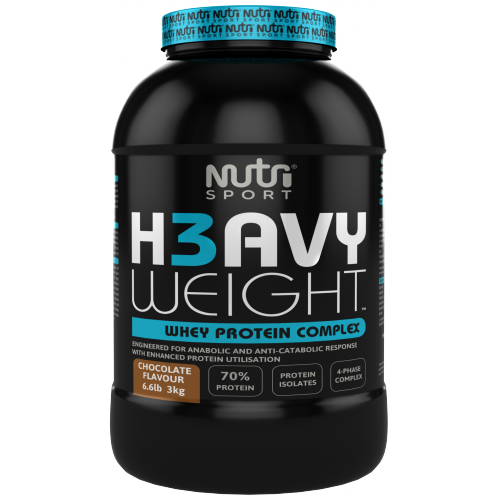


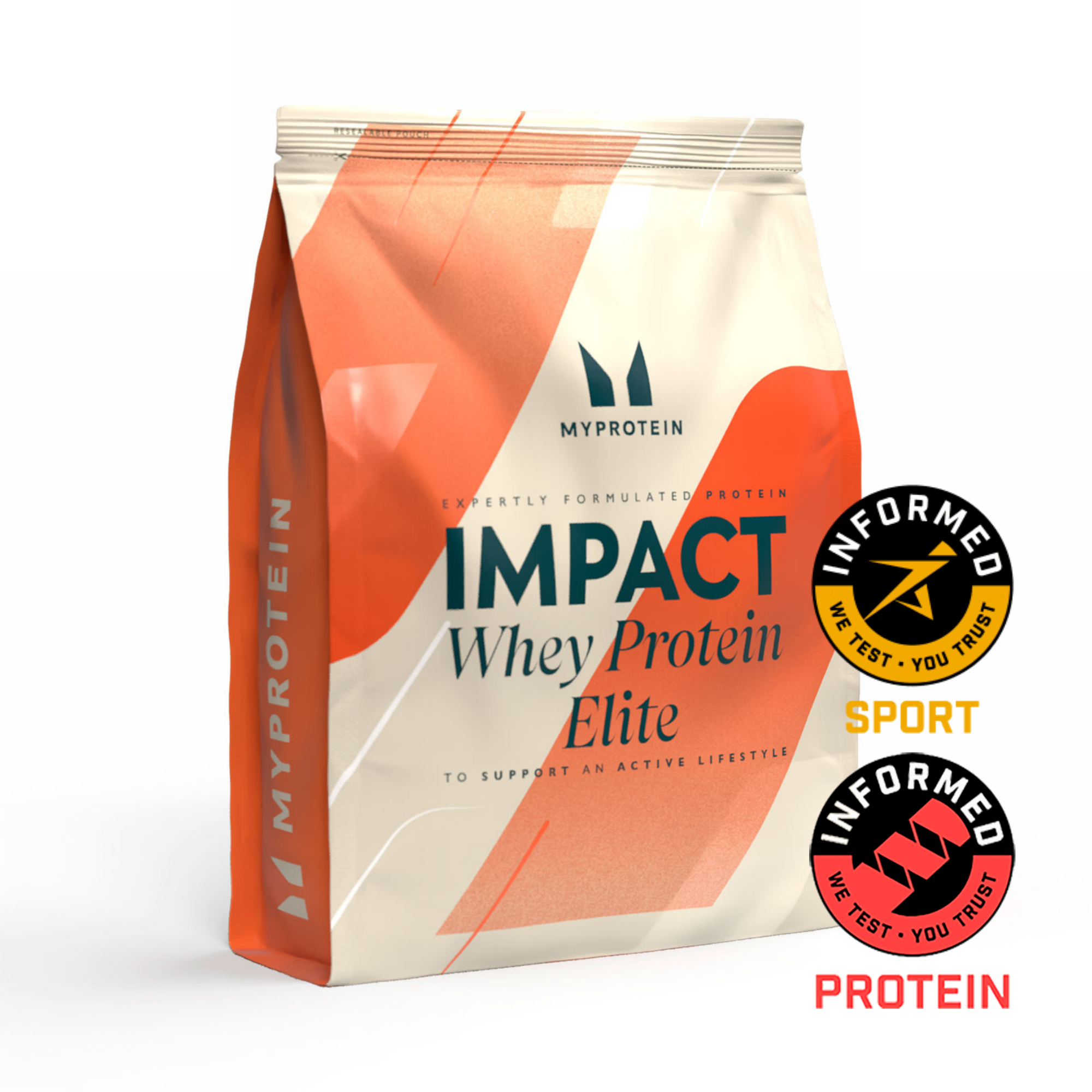


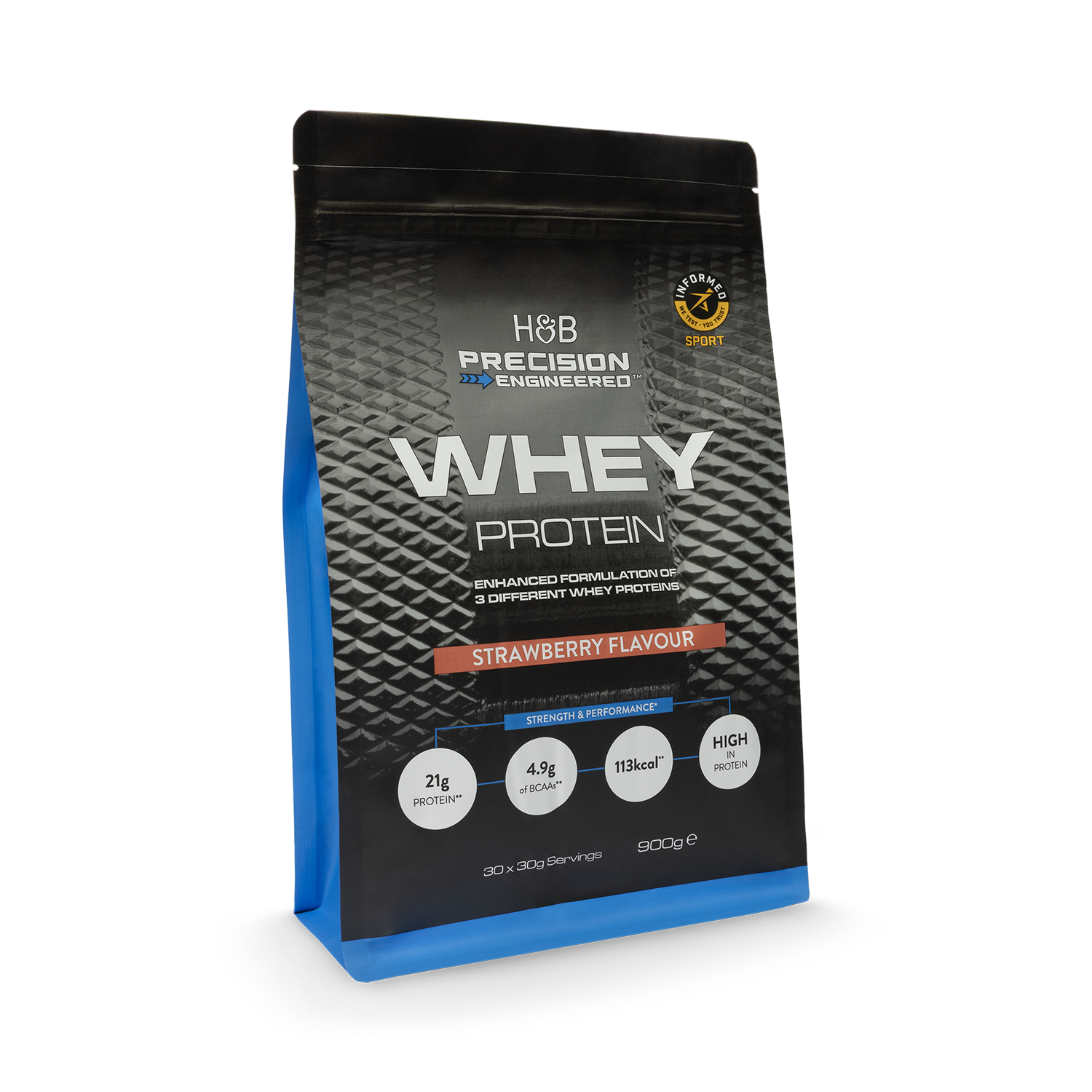

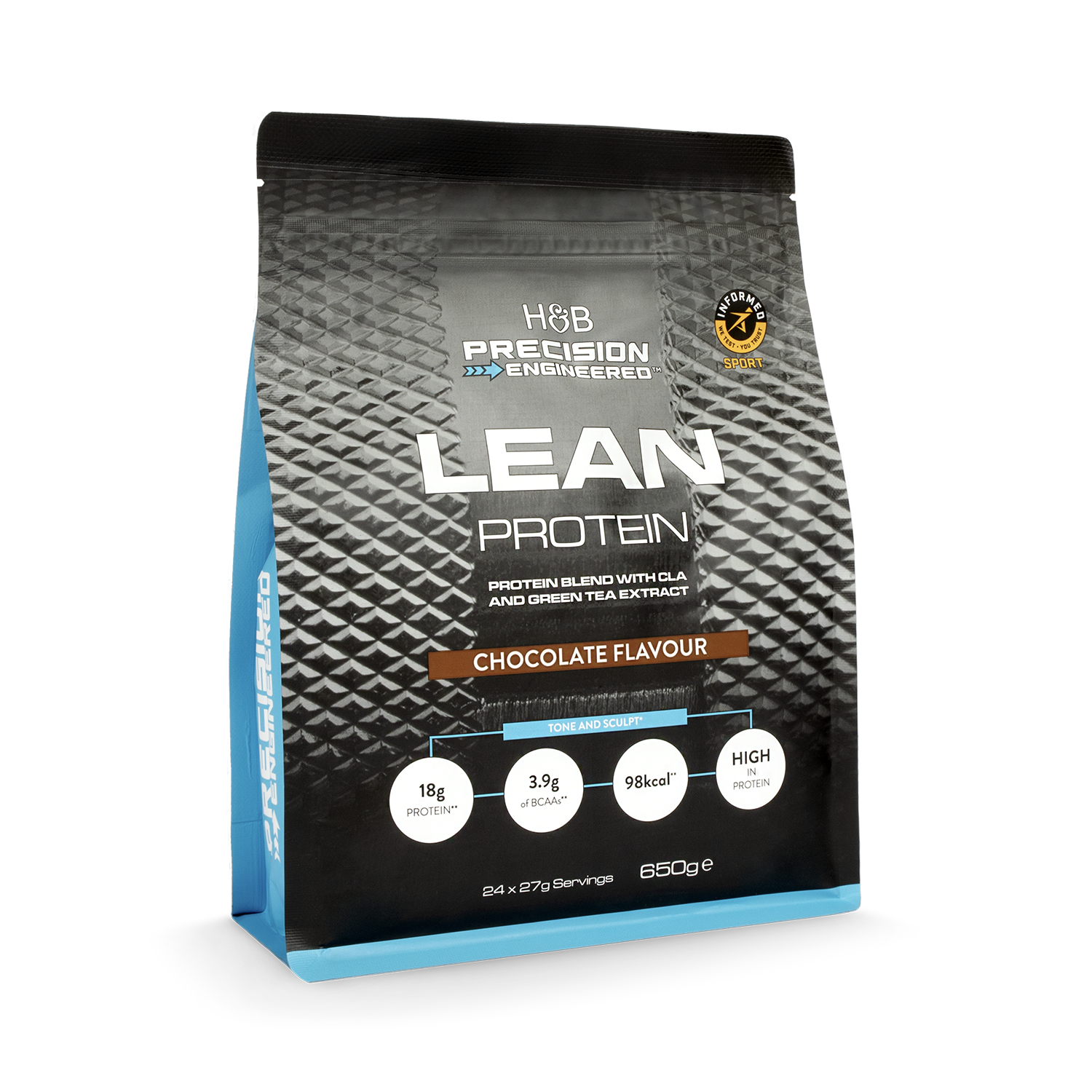

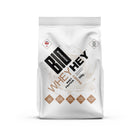


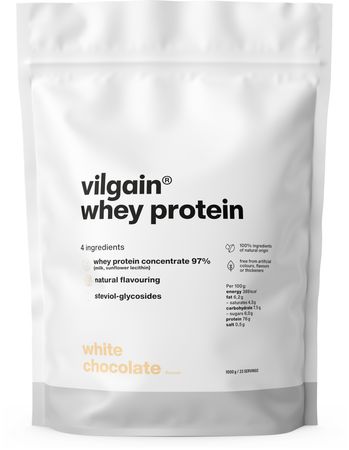
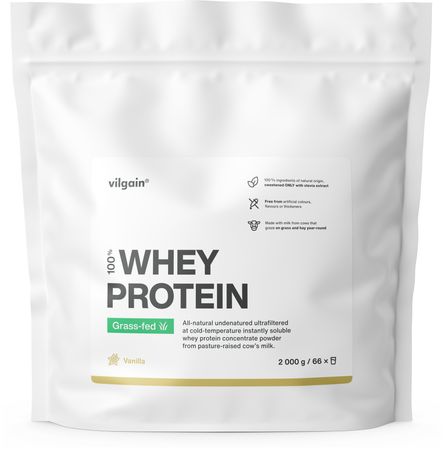
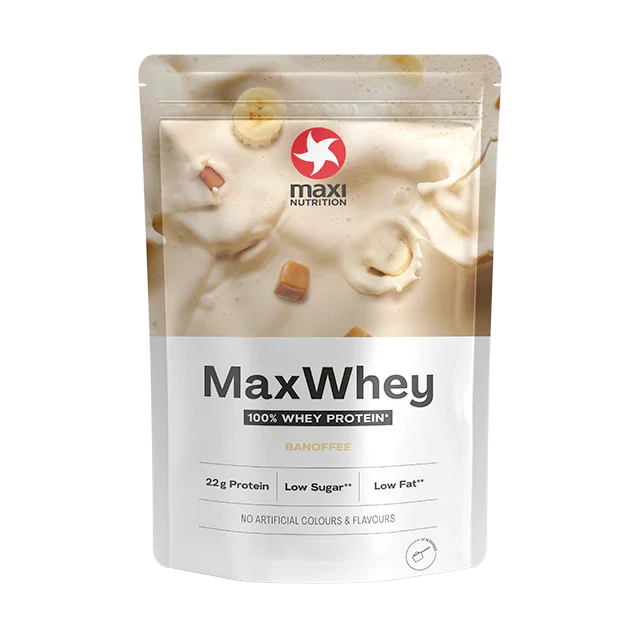

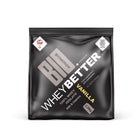


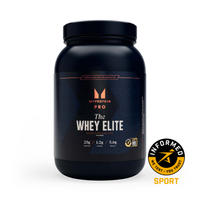


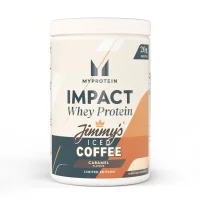

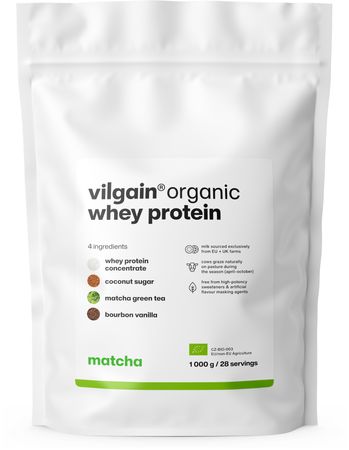


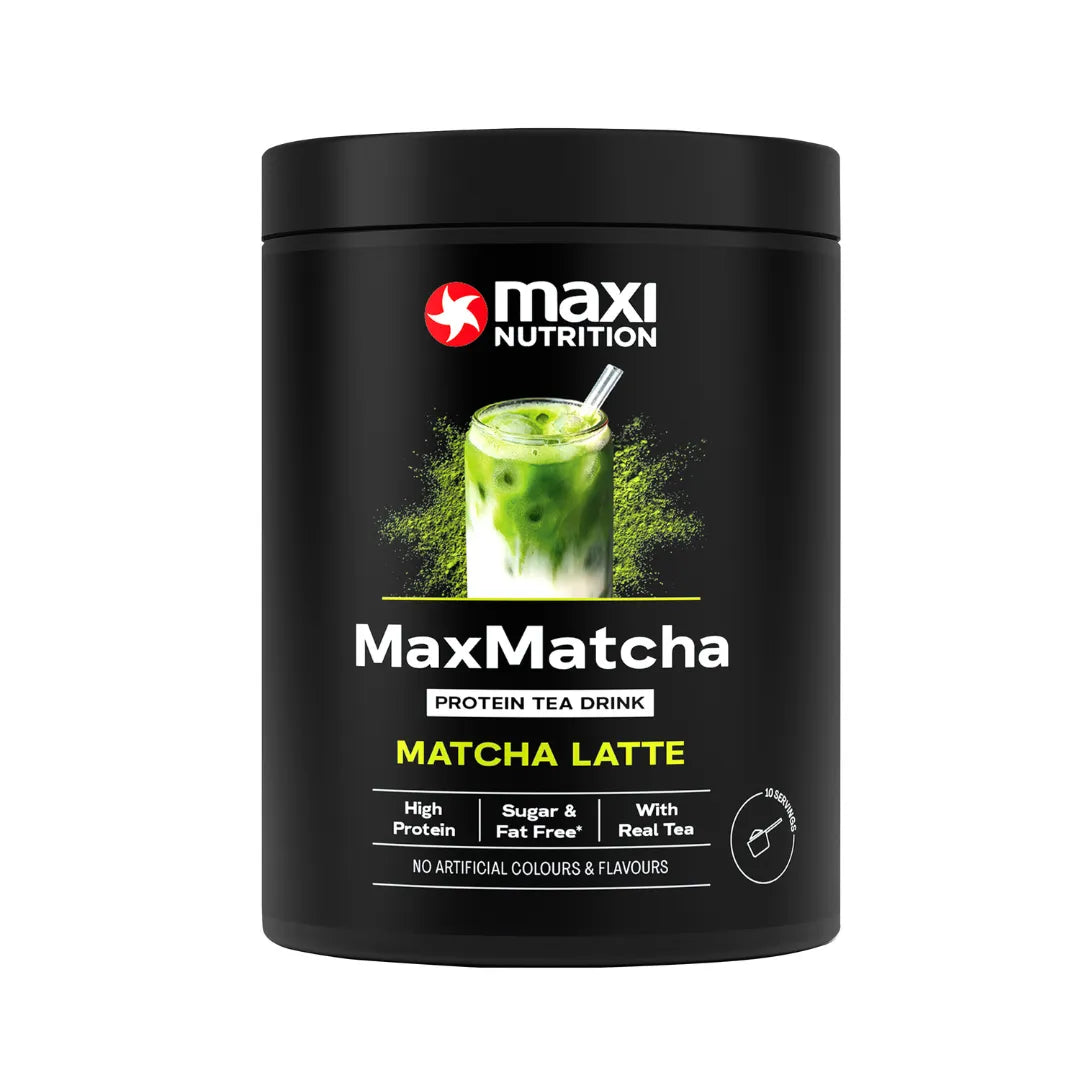



Best overall Whey Protein
Diet Whey Protein Powder
Pure Source Nutrition · 1kg
Pros
- 55.5% cheaper per 25g protein than the median of 65 other Whey Protein product families in this comparison
How much protein powder should a beginner take?
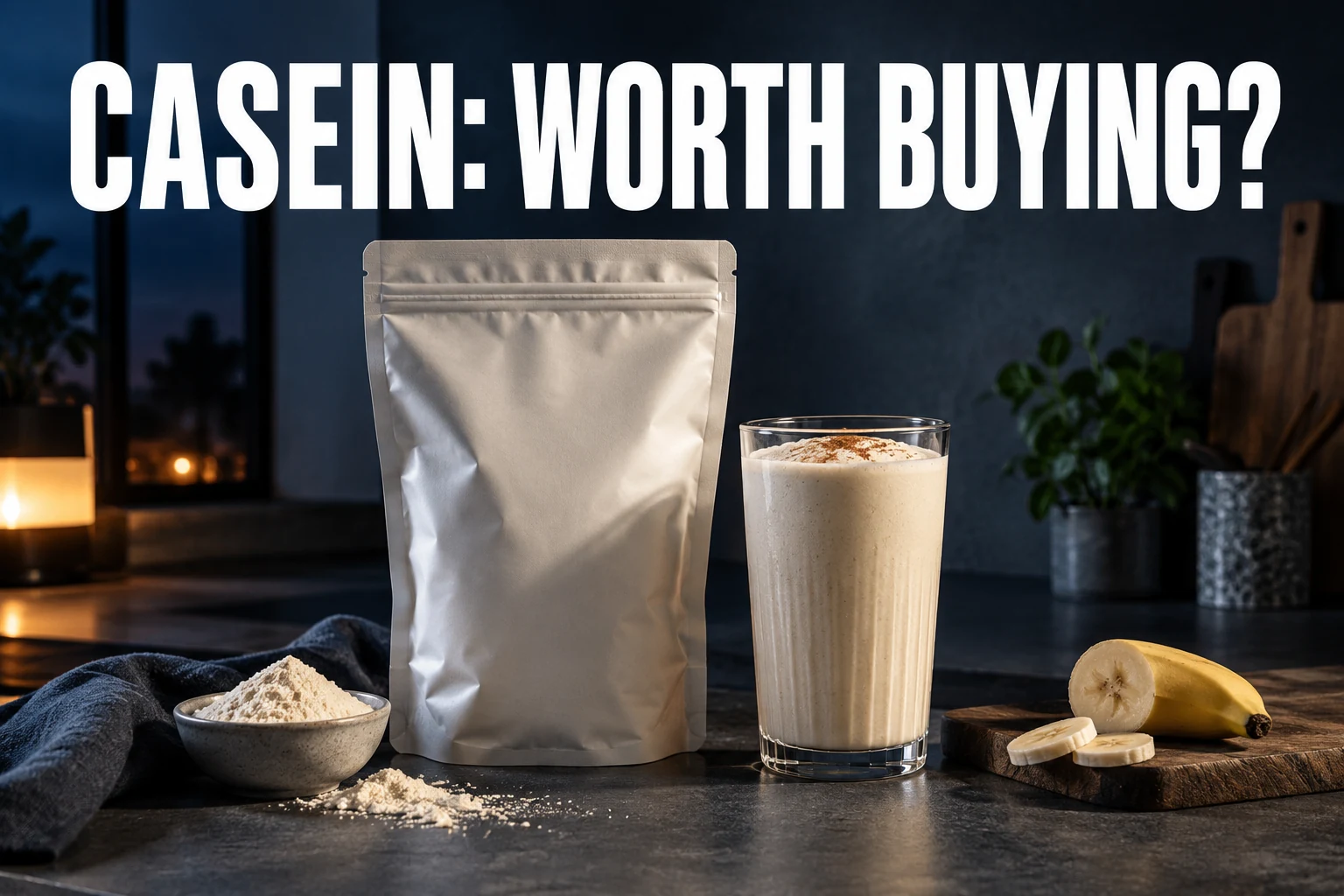
Most beginners only need one or two scoops a day. The real target is total daily protein of roughly 1.6 to 2.2g per kg of bodyweight from all food and powder combined. A scoop gives you 20 to 25g, so for an 80kg beginner aiming at around 130 to 160g per day, one or two shakes plug the gap that meals leave. Do not try to get all your protein from powder. Whole food brings fibre and micronutrients a shake does not. Work out your number with the protein calculator.
When should you take protein as a beginner?
Timing matters far less than beginners are told. Total daily protein drives muscle growth, not the exact minute you drink a shake. That said, the two most convenient windows are within a couple of hours after training and first thing in the morning when whole food protein is harder to fit in. Pick whichever helps you hit your daily total consistently.
5 beginner mistakes to avoid
- 1
Buying a 5kg bag of an untested flavour. Start with 1kg. A huge bag of a flavour you dislike wastes money.
- 2
Overpaying for isolate you do not need. Concentrate works fine unless your stomach says otherwise.
- 3
Treating shakes as meals. Protein powder tops up your diet, it does not replace balanced meals.
- 4
Chasing exotic blends and add-ons. Plain whey does the job. Fancy formulas rarely justify the price for a beginner.
- 5
Ignoring cost per 25g of protein. Tub price hides value. Learn the metric in how to calculate protein cost per serving.
What a beginner should pay per 25g of protein
As a rule of thumb for June 2026, a value whey concentrate should cost around 45 to 60p per 25g of protein, a mainstream brand like Optimum Nutrition around 65 to 80p, and an isolate around 95p to £1.10. Anything above £1.20 per 25g of protein is a premium you do not need as a beginner. The whey concentrate comparison table ranks every option by this metric.
Is protein powder safe to take every day?
Yes. Protein powder is simply a concentrated food product, and healthy adults can take it safely at normal intakes. Anyone with a kidney condition or medical concern should check with a GP first, but for the average beginner it carries no more risk than eating more chicken or eggs.
What flavour should a beginner try first?
Vanilla or chocolate. Both flavours work as the most versatile, mixing well with milk or water and working in oats and smoothies. Save the novelty flavours for once you know you enjoy taking it.
Should beginners drink protein on rest days too?
Yes. Muscles recover and grow on rest days too, so hitting your daily protein target every day matters more than drinking shakes only on training days.
References
Sources and further reading
- 01Competition and Markets Authority — price-reduction claims
UK guidance relevant to reference prices, discount claims and online urgency messaging.
Frequently asked questions
What protein powder should a beginner buy?+
A beginner should buy a plain whey concentrate from an established UK brand. Optimum Nutrition Gold Standard 100% Whey is the safest all-rounder for taste and mixability, and Bulk Pure Whey is the best value first tub at around 50p per 25g of protein. Start with vanilla or chocolate, which are the most versatile flavours, and a 1kg bag so you can test it before committing to a 2.5kg or 5kg.
Is whey concentrate or isolate better for beginners?+
Whey concentrate is better for most beginners because it is cheaper and the small amount of extra lactose and fat does not matter for general use. Choose isolate only if you have a sensitive stomach or want the leanest possible macros. Both deliver around 20-25g of protein per serving, so concentrate is the sensible default.
How much protein powder does a beginner need per day?+
Most beginners only need one or two scoops a day, around 20-50g of protein, to top up what they get from food. The goal is to reach roughly 1.6-2.2g of protein per kg of bodyweight per day from all sources combined, not from powder alone. Protein powder is a convenient top-up, not a meal replacement.
Do you need protein powder to build muscle as a beginner?+
No. You can build muscle as a beginner from whole-food protein alone if you hit your daily target. Protein powder simply makes that target easier and cheaper to reach, especially around training or busy mornings. It is a convenience tool, not a requirement.