

Quick answer
MyProtein Protein Meal Replacement Blend is our value pick; PER4M Meal Replacement is our alternative when its fibre, flavour or current price suits you better. PhD Diet Whey and similar diet proteins are not complete meal replacements, regardless of how meal-like the branding appears. A genuine replacement needs meaningful protein, fibre, energy and a broad micronutrient profile. Use it for occasional convenience, not as the automatic foundation of every meal. If you only need extra protein, ordinary whey is cheaper and more honest about what it is.
What is a meal replacement shake?
A meal replacement shake is a nutritionally complete drink designed to replace a full solid meal, delivering balanced macronutrients and a full micronutrient profile in roughly 200 to 250 calories.
- 1
200 to 250 kcal per serving, the calorie range of a moderate solid meal such as breakfast, lunch, or a post-workout meal. Above 250 kcal it becomes a calorie-loaded shake, and below 200 kcal it stops feeling like a meal and stops satisfying hunger.
- 2
15 to 20g of protein, roughly one-third of the calorie content, enough to clear the muscle protein synthesis threshold and provide satiety for 3 to 4 hours.
- 3
5g or more of fibre per serving, whether soluble or insoluble, to slow digestion, extend satiety, and support gut health. This is the spec most protein meal replacements miss.
- 4
25 to 30 vitamins and minerals, enough to replace the micronutrient profile of a real meal. Without this, multi-meal-per-day replacement protocols cause micronutrient deficiencies within 4 to 6 weeks.
- 5
A slow-digesting carb plus healthy fat balance, typically 20 to 30g of complex carbohydrate such as oats, tapioca, or maltodextrin plus 5 to 10g of fat from flaxseed, MCT, or sunflower, for sustained energy release.
Meal replacement shake vs protein shake: the real difference
A protein shake and a meal replacement shake are different tools for different goals, and the macros are not interchangeable. Using the wrong category produces predictable failure. A protein shake used as a full meal replacement leaves you hungry within 90 minutes and may cause fibre or micronutrient deficits over weeks. A meal replacement shake used for between-meal protein top-ups adds 200 or more calories you did not need.
- 1
Protein shake (standard whey, isolate, or vegan): 100 to 150 kcal per serving with 20 to 25g of protein, under 3g of carbs, under 2g of fat, minimal fibre, and no significant micronutrient profile. Designed to close protein-target gaps without adding meaningful calories.
- 2
Meal replacement shake (MyProtein MR Blend, PER4M MR, dedicated MR products): 200 to 250 kcal per serving with 15 to 20g of protein, 20 to 30g of carbs, 5 to 10g of fat, 5g or more of fibre, and a complete micronutrient profile. Designed to replace a full meal.
- 3
Hybrid "diet whey" or "lean shake" (PhD Diet Whey, Applied Nutrition Diet Whey, MaxiNutrition Promax Lean): 95 to 130 kcal per serving with 18 to 22g of protein, low carbs and fat, partial micronutrient additions such as B-vitamins and sometimes L-carnitine or green tea extract, and minimal fibre. Sits between the two categories but closer to a protein shake.
The 7 best meal replacement shakes for weight loss in the UK in 2026
This guide covers seven UK picks: two complete meal replacements and five fortified diet-protein partial alternatives, with each one marked as fully or partially meeting meal-replacement spec.
For live UK prices across these picks and 40+ other diet-whey and meal-replacement options sorted by cost per 25g of protein, see the weight loss protein comparison table, refreshed weekly across 85+ retailers.
| Rank | Product | Best for | ProteinDeals verdict |
|---|---|---|---|
| 1 | The Protein Works Complete Meal 360 - PLATINUM InnovationFrom £72.99 Pros
Cons
| Best overall | The strongest current value in the live ProteinDeals results for this category. |
| 2 | The Protein Works Complete Meal 360 - PLATINUM InnovationFrom £72.99 Pros
Cons
| Best-value alternative | A competitive alternative worth checking against the leading pick for your preferred size and flavour. |
| 3 | USN USN Liv.SmartSlim Shake Meal Replacement ChocolateFrom £9.99 Pros
| Specialist option | A competitive alternative worth checking against the leading pick for your preferred size and flavour. |
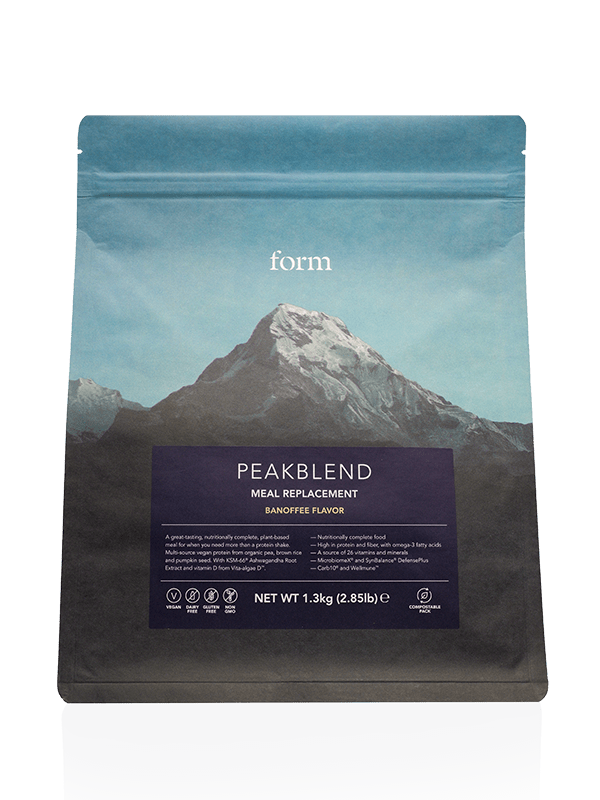
| 4 | Form Form-Peakblend-Vegan-Meal-ReplacementFrom £49.00 Pros
| Specialist option | A competitive alternative worth checking against the leading pick for your preferred size and flavour. |
| 5 | Form Form-Peakblend-Vegan-Meal-ReplacementFrom £49.00 Pros
| Specialist option | A competitive alternative worth checking against the leading pick for your preferred size and flavour. |
| 6 | Form Form-Peakblend-Vegan-Meal-ReplacementFrom £49.00 Pros
| Specialist option | A competitive alternative worth checking against the leading pick for your preferred size and flavour. |
| 7 | The Protein Works Complete Meal 360 - PLATINUM InnovationFrom £72.99 Pros
Cons
| Specialist option | A competitive alternative worth checking against the leading pick for your preferred size and flavour. |


Live comparison
Meal Replacement products
FlavourSize (g)QtyServingsOfferTotal Per 25g protein 4000138.4 £59.99 25.0g388£1.562 2000119.2 £30.99 25.0g388£1.614 100019.6 £15.99 25.0g388£1.666 |
FlavourSize (g)QtyServingsOfferTotal Per 25g protein 77013.2 £11.99£24.00 -50%25.0g892£3.743 |
FlavourSize (g)QtyServingsOfferTotal Per 25g protein 4000148 £64.49 25.0g333£1.344 2000124 £32.99 25.0g333£1.375 1000112 £17.49 25.0g333£1.458 |
FlavourSize (g)QtyServingsOfferTotal Per 25g protein 4000148 £64.49 25.0g333£1.344 2000124 £32.99 25.0g333£1.375 1000112 £17.49 25.0g333£1.458 |
FlavourSize (g)QtyServingsOfferTotal Per 25g protein 3000140.8 £49.00 25.0g261£1.201 |
FlavourSize (g)QtyServingsOfferTotal Per 25g protein 3000136 £49.99 25.0g333£1.389 1400116.8 £26.99 25.0g333£1.607 70018.4 £14.99 25.0g333£1.784 |
FlavourSize (g)QtyServingsOfferTotal Per 25g protein 2921- £4.99£9.99 -50%--- |
FlavourSize (g)QtyServingsOfferTotal Per 25g protein 4000148 £69.99 25.0g307£1.458 2000124 £42.49 25.0g307£1.770 1000112 £21.49 25.0g307£1.791 |
FlavourSize (g)QtyServingsOfferTotal Per 25g protein 4000148 £69.99 25.0g308£1.458 2000124 £42.49 25.0g308£1.770 1000112 £21.49 25.0g308£1.791 |
FlavourSize (g)QtyServingsOfferTotal Per 25g protein 55018.4 £9.99£15.00 -33%25.0g239£1.195 |
FlavourSize (g)QtyServingsOfferTotal Per 25g protein 55013 £9.99£15.00 -33%25.0g258£3.291 |
FlavourSize (g)QtyServingsOfferTotal Per 25g protein 3600163.4 £72.99 25.0g252£1.152 1800131.7 £37.49 25.0g252£1.183 900115.8 £20.49 25.0g252£1.294 |
FlavourSize (g)QtyServingsOfferTotal Per 25g protein 1680122.8 £36.99 25.0g298£1.619 1530120.8 £36.99 25.0g298£1.778 765110.4 £20.49 25.0g298£1.969 |
FlavourSize (g)QtyServingsOfferTotal Per 25g protein 4000165.6 £92.49 25.0g227£1.410 2000132.8 £49.49 25.0g227£1.509 1000116.4 £26.99 25.0g227£1.646 |
FlavourSize (g)QtyServingsOfferTotal Per 25g protein 4000165.6 £93.49 25.0g223£1.425 2000132.8 £50.49 25.0g223£1.539 1000116.4 £25.59 25.0g223£1.560 |
FlavourSize (g)QtyServingsOfferTotal Per 25g protein 4000167.2 £93.49 25.0g219£1.391 1000116.8 £25.49 25.0g219£1.517 2000133.6 £50.99 25.0g219£1.518 |
FlavourSize (g)QtyServingsOfferTotal Per 25g protein 1800130.2 £49.99 25.0g228£1.653 900115.1 £29.99 25.0g228£1.983 |
FlavourSize (g)QtyServingsOfferTotal Per 25g protein 2850130.8 £85.99 25.0g360£2.794 2790130.1 £85.99 25.0g360£2.854 2760129.8 £85.99 25.0g360£2.885 |


Community perspective
What others are saying
Not entirely the same but for two weeks before and three months after weight loss surgery, I lived off meal replacement shakes and soups. In those two weeks I lost 20 pounds. Weight loss surgery was 2018, started at 295 lbs. today im at 125 lbs.
u/thefaehost in r/science
Yes, there is more to life than suffering through yet another meal replacement while everyone around you is enjoying the abundance that the world has to offer. This sort of diet is not sustainable for a lifetime. Everyone I have known who tried it may have had results, but they were deeply unhappy.
u/cornylifedetermined in r/science
Watch what buyers found
Hands-on opinions
The Best Meal Replacement Shakes for Life on the Go | This Morning
This Morning
A topic-specific video selected for additional practical context on Best Meal Replacement Shake UK: Top Picks, Prices and What to Buy.

Best overall Meal Replacement
USN Diet Fuel Ultralean Vanilla Flavoured Meal Replacement Shake
Nutricircle · 770g
Cons
- 164.1% dearer per 25g protein than the median of 16 other Meal Replacements product families in this comparison
Macros that make a meal replacement shake actually work
Five macro and micronutrient specs separate a true meal replacement from a protein shake. Hit them all and you have a tool that genuinely replaces a real meal. Miss any one and the product is really just a protein supplement with a bigger claim.
- 1
200 to 250 kcal per serving, the calorie envelope of a moderate solid meal. This is standard for MyProtein MR Blend at 230 kcal and PER4M MR at 220 kcal. Most weight loss shakes sit below this range, and most high-calorie protein products sit above it.
- 2
15 to 20g of protein, enough to clear the muscle protein synthesis threshold and support satiety. MyProtein MR Blend over-delivers at 35g per serving since it is positioned as a high-protein meal replacement, but the baseline of 15 to 20g is already sufficient.
- 3
5g or more of fibre, the single most common spec failure in UK meal replacements. Real meals contain 4 to 8g of fibre, while protein-only shakes contain close to none. A meal replacement without fibre leaves you hungry within 90 minutes and can affect gut health over weeks of daily use.
- 4
25 to 30 vitamins and minerals at meaningful daily-intake percentages. Without broad micronutrient coverage, multi-meal-per-day replacement protocols cause deficiencies within 4 to 6 weeks, with iron, B12, vitamin D, magnesium, and calcium the highest-risk gaps for protein-only replacements.
- 5
Sugar under 5g per serving. Some meal replacement shakes use maltose, glucose, or fruit-based sweeteners that spike blood sugar. Slow-digesting carbs such as oats, tapioca, or isomaltulose paired with stevia or sucralose are the better formulation choice.
Using protein powder as a meal replacement: when it works, when it doesn't
Protein powder can function as a partial meal replacement under specific conditions, and it fails just as predictably outside them.
- 1
Replacing one meal per day for short-term cutting, over 4 to 12 weeks. A 20g protein, 100 kcal diet whey replaces a 400 kcal sandwich or wrap, creating a 300 kcal deficit per day. Over 12 weeks that adds up to 25,200 kcal, roughly 3.2kg of fat. It is safe at one meal per day if the other 2 to 3 meals cover the rest of the daily fibre and micronutrient needs.
- 2
Bridging a missed-meal gap rather than replacing meals outright. A protein shake when work makes a sit-down meal impossible is a reasonable one-off solution, though not a daily protocol.
- 3
Post-workout when a real meal follows within 2 to 3 hours. The shake provides immediate protein for recovery, while the meal that follows supplies the fibre and micronutrients.
- 4
Replacing multiple meals per day for weeks at a time does not work. Protein shakes lack fibre, varied micronutrients, and the satiety profile of real food. Replacing 2 or more meals a day with protein-only shakes leads to nutrient deficiencies, a lower metabolism, and rebound weight gain once normal eating resumes.
- 5
Long-term weight maintenance does not work with protein-only shakes. Sustainable weight loss requires eating habits compatible with normal life, and protein-only replacement protocols fail long term because they do not fit the food environment most people actually live in.
- 6
Anyone with a history of disordered eating should avoid this approach. Liquid calorie replacements can reinforce restrictive eating patterns, and real food meals are the safer choice during eating-disorder recovery.
How many meal replacements per day for weight loss?
The evidence-backed meal replacement dosing for weight loss is 1 to 2 shakes per day for 8 to 16 weeks.
- 1
1 shake per day (sustainable, safe long term). Replaces one meal with a 200 to 250 kcal shake, with the other 2 to 3 meals as normal food. The average daily deficit runs 300 to 500 kcal, producing 0.3 to 0.5kg of weight loss per week, and it is the easiest protocol to maintain for 12 or more weeks.
- 2
2 shakes per day (aggressive, requires complete meal replacements). Replaces two meals with shakes plus one solid meal covering the rest of the daily fibre and micronutrients. The average daily deficit runs 600 to 1,000 kcal, producing 0.5 to 1kg of weight loss per week. This is sustainable for 8 to 12 weeks with a true meal replacement like MyProtein MR Blend or PER4M MR, but it is not safe with protein-only shakes.
- 3
3 or more shakes per day belongs to clinical or very-low-calorie-diet protocols only, used in medically supervised weight-loss programmes for severe obesity. It is not appropriate for general weight loss, and the risk of rebound weight gain once normal eating resumes is high without behaviour-change support.


Vegan and dairy-free meal replacement options
Three UK meal-replacement picks suit vegan, dairy-free, or lactose-intolerant buyers.
Bulk Vegan Protein combines pea, soy, pumpkin seed, quinoa, and flaxseed at 69g of protein per 100g, with some natural fibre from the quinoa and flaxseed. It is not a true complete meal replacement on micronutrients, but it is the strongest vegan plant-protein option ProteinDeals tracks, and pairing it with a separate vegan multivitamin gets closer to complete coverage. Brands like Huel and Soylent target this vegan complete meal replacement slot but are not currently price-tracked across our 85+ UK retailers, so use Bulk Vegan Protein as a between-meal shake rather than a full replacement.
Form Performance Protein is a premium clean-label vegan option with B Corp certification, delivering 75g of protein per 100g. The same caveat applies as with Bulk Vegan: it is protein-led rather than a complete meal replacement. See the best vegan protein powder UK guide for a detailed comparison.
For comprehensive dairy-free options across the protein category, see the dairy-free protein powder UK guide.
Cost per meal: meal replacement vs cooking real food
A direct UK price comparison in 2026 puts MyProtein MR Blend on Impact Week at approximately £1.20 per meal for the 2.5kg bag with a 40 to 50 percent code, the cheapest cost per meal of any complete meal replacement tracked on ProteinDeals. PER4M MR 1.8kg runs approximately £1.60 per meal at standard pricing. Reflex Complete Diet Protein costs approximately 56p per 25g protein serving direct from Reflex, cheaper than any true meal replacement but delivering fewer calories per serving at 140 kcal versus 200 to 250 kcal for a true meal replacement. PhD Diet Whey runs approximately 35 to 45p per 25g protein serving, cheaper still but providing only partial meal coverage. A cooked-from-scratch meal of chicken breast, rice, and vegetables runs approximately £1.50 to £2.50 per meal depending on UK supermarket and bulk-buying patterns.
Meal replacement shakes are competitively priced against cooked meals once you factor in time, washing up, and food waste. The cost advantage of cooking only emerges once you batch-prep 6 to 8 portions at a time from supermarket bulk staples.
Common mistakes on a meal-replacement weight-loss plan
Five common mistakes derail meal-replacement weight loss.
- 1
Using a protein shake as a full meal replacement. Protein shakes lack fibre and micronutrients, leaving you hungry within 90 minutes and risking nutrient deficiencies over weeks. Use diet whey for between-meal protein top-ups, and use MyProtein MR Blend or PER4M Meal Replacement for actual meal replacement.
- 2
Adding extras that turn a 200 kcal shake into a 500 kcal one. Mixing meal replacement powder with full-fat milk, peanut butter, and banana doubles the calorie content. Mix with water or low-fat plant milk if the goal is weight loss.
- 3
Skipping solid meals entirely. One real food meal per day provides the fibre, micronutrient variety, and chewing satisfaction that liquid-only diets lack, and total meal replacement protocols have higher rebound rates than 1 to 2 shake protocols paired with normal eating.
- 4
Buying the smallest tub repeatedly. A 1kg tub at one shake per day lasts roughly 30 servings, and buyers who repeat-buy the smallest size pay 30 to 40 percent more per meal than buyers of 2.5kg bags. Order the largest size you will use within 2 to 3 months.
- 5
Not planning the exit route. Meal replacement shakes work well for 8 to 16 week blocks, but without a plan for returning to normal eating at the right calorie maintenance level, the lost weight usually returns within 6 months. Build the food habits before the shakes run out.
References
Sources and further reading
- 01Competition and Markets Authority — price-reduction claims
UK guidance relevant to reference prices, discount claims and online urgency messaging.
Frequently asked questions
What is the best meal replacement shake for weight loss in the UK?+
MyProtein Protein Meal Replacement Blend is the best UK meal replacement shake in 2026, delivering 230 kcal with 35g of protein, vitamins and minerals at 25% RNI per serving, at roughly £1.20 per meal on Impact Week. PER4M Meal Replacement 1.8kg is the UK speciality alternative at 220 kcal with 30g protein. Reflex Complete Diet Protein is the best fortified-diet-protein middle ground at 140 kcal with 25g of protein plus B-vitamins, L-carnitine and green tea extract.
Can I replace all my meals with protein shakes?+
No. Protein shakes lack fibre and the full micronutrient profile your body needs. Replacing more than 1-2 meals per day with protein-only shakes risks nutrient deficiencies after 4-6 weeks. Dedicated meal replacement shakes like MyProtein Protein Meal Replacement Blend (25% RNI of vitamins per serving) are formulated to safely replace up to 2 meals per day.
How much weight can you lose on meal replacement shakes?+
Replacing 2 meals per day with 200-250 kcal meal replacement shakes typically produces 0.5 to 1kg of weight loss per week, depending on starting weight and remaining daily intake. The deficit averages 600-1,000 kcal per day compared to typical mixed-meal intake. Results plateau after 8-12 weeks as metabolic adaptation reduces basal calorie burn.
Are meal replacement shakes healthy long-term?+
Complete meal replacements with 25%+ RNI of vitamins per serving and 5g+ fibre are safe long-term per multiple clinical reviews. Protein-only shakes marketed as meal replacements should not replace more than 1-2 meals per day because they lack fibre and broad micronutrient coverage. Long-term users should rotate meal replacement brands every 3-6 months.
What is the difference between a meal replacement shake and a protein shake?+
A protein shake delivers 20-25g of protein for 100-150 calories with minimal carbs, fat, fibre, or micronutrients. A meal replacement shake delivers 200-250 kcal with 15-20g of protein, 20-30g of carbs, 5-10g of fat, 5g+ of fibre, and a complete micronutrient profile (typically 25-30 vitamins and minerals). Different tools for different goals.