

Quick answer
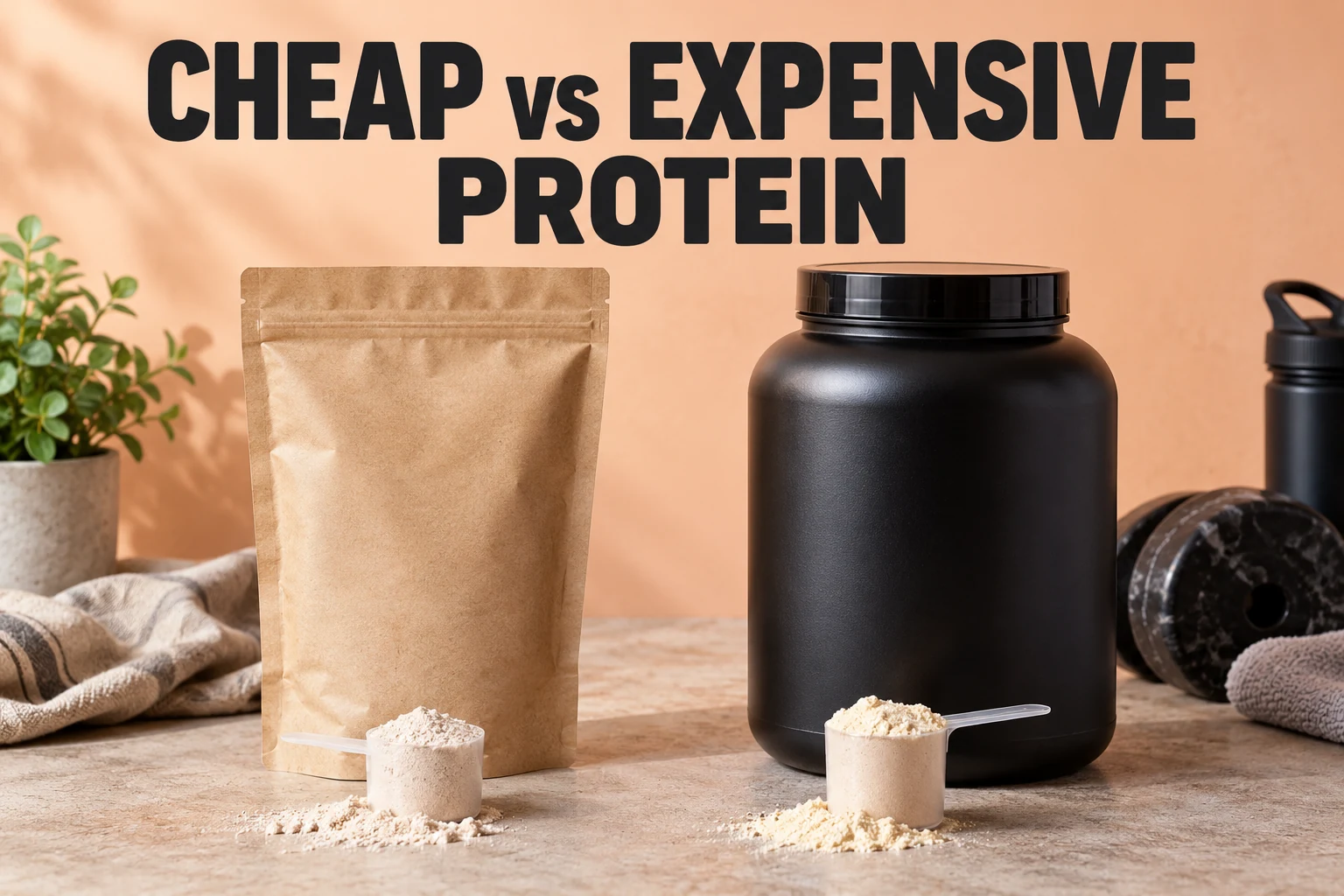
Cheap whey wins for most people. A premium powder can cost close to twice as much while providing only a modest increase in protein density. It does not build twice as much muscle; the extra money usually buys better flavour development, easier mixing, certification, packaging and brand reassurance. Our default purchase is a reputable whey concentrate ranked by live cost per 25g protein. We would pay more only for a reason we can name: verified sport testing, a flavour we know we will finish, or isolate because concentrate causes digestive problems. ‘Premium’ by itself is not a useful reason.
How much more does expensive protein actually cost?
Here is a real UK price comparison from spring 2026, shown at standard list price and after typical sales.
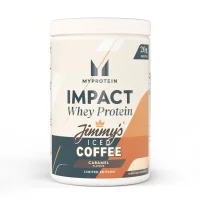
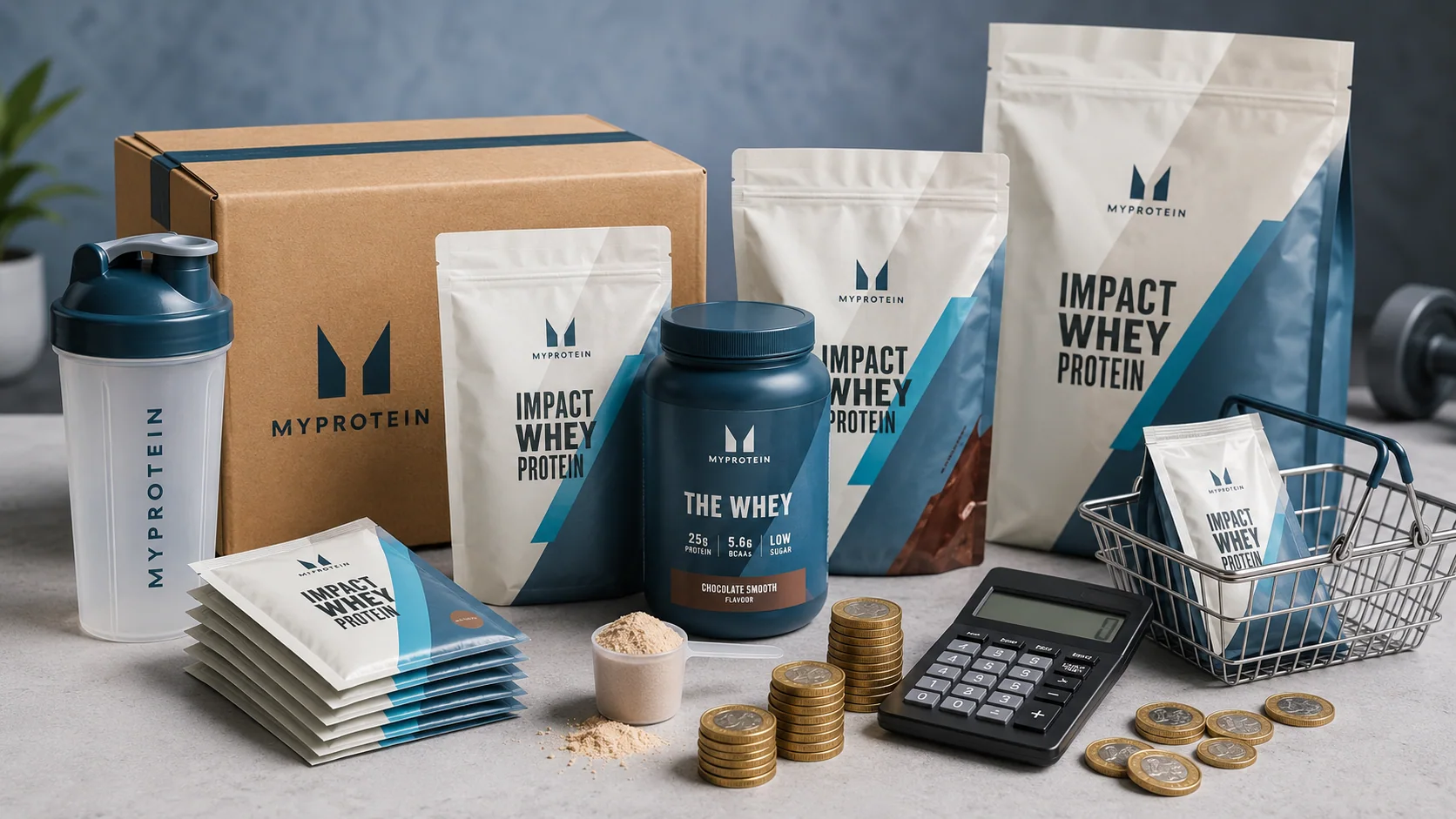
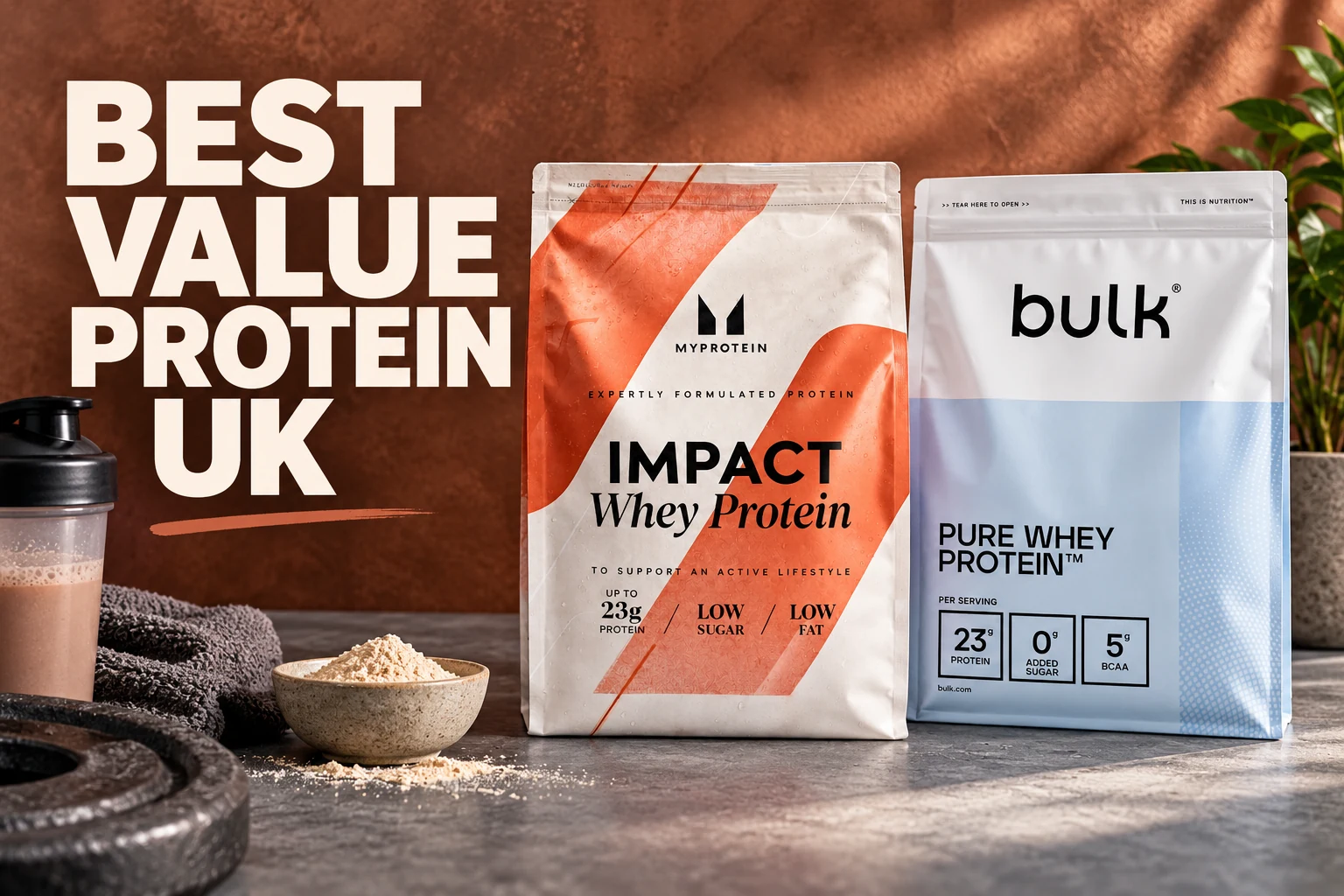
The gap between the cheapest UK whey on sale (MyProtein Impact Whey at £1.20 per 100g) and a premium pick like Optimum Nutrition Gold Standard at £2.42 per 100g works out to roughly 2x. The protein content gap between them is still under 10g per 100g.
- 1
Optimum Nutrition Gold Standard 100% Whey, 2.27kg: RRP around £79.99, sale floor around £55, roughly £2.42 per 100g on sale.
- 2
MuscleTech Nitro-Tech 100% Whey Gold, 2.27kg: RRP around £69.99, sale floor around £45, roughly £1.98 per 100g on sale.
- 3
Bulk Pure Whey Protein, 2.5kg: list price around £52, sale floor around £42, roughly £1.68 per 100g on sale.
- 4
MyProtein Impact Whey, 2.5kg: list price around £55, sale floor around £30 with Impact Week codes, roughly £1.20 per 100g on sale.
- 5
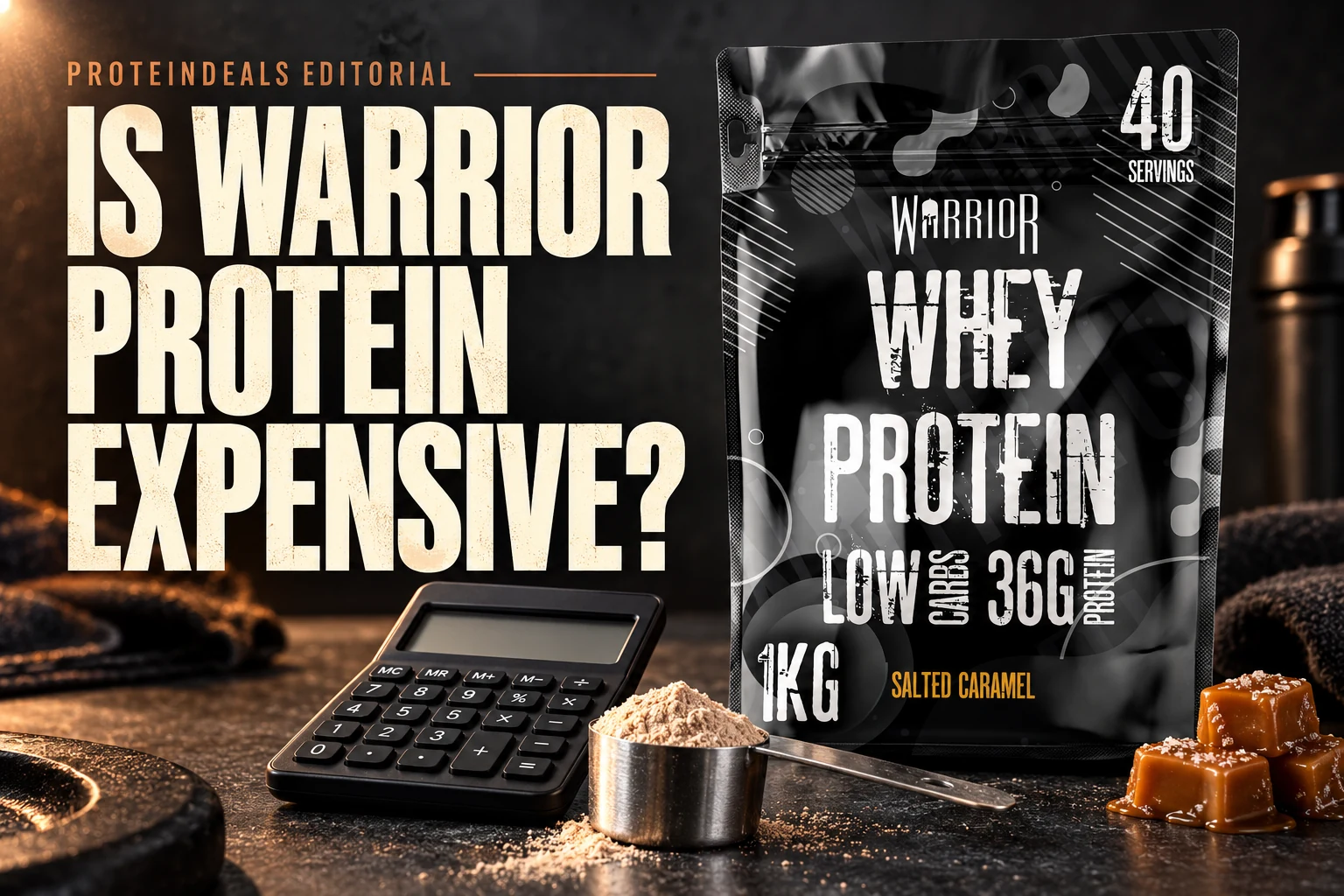
Warrior Whey, 1kg: RRP around £35, sale floor around £15 to £17, roughly £1.50 per 100g on sale.
Live comparison
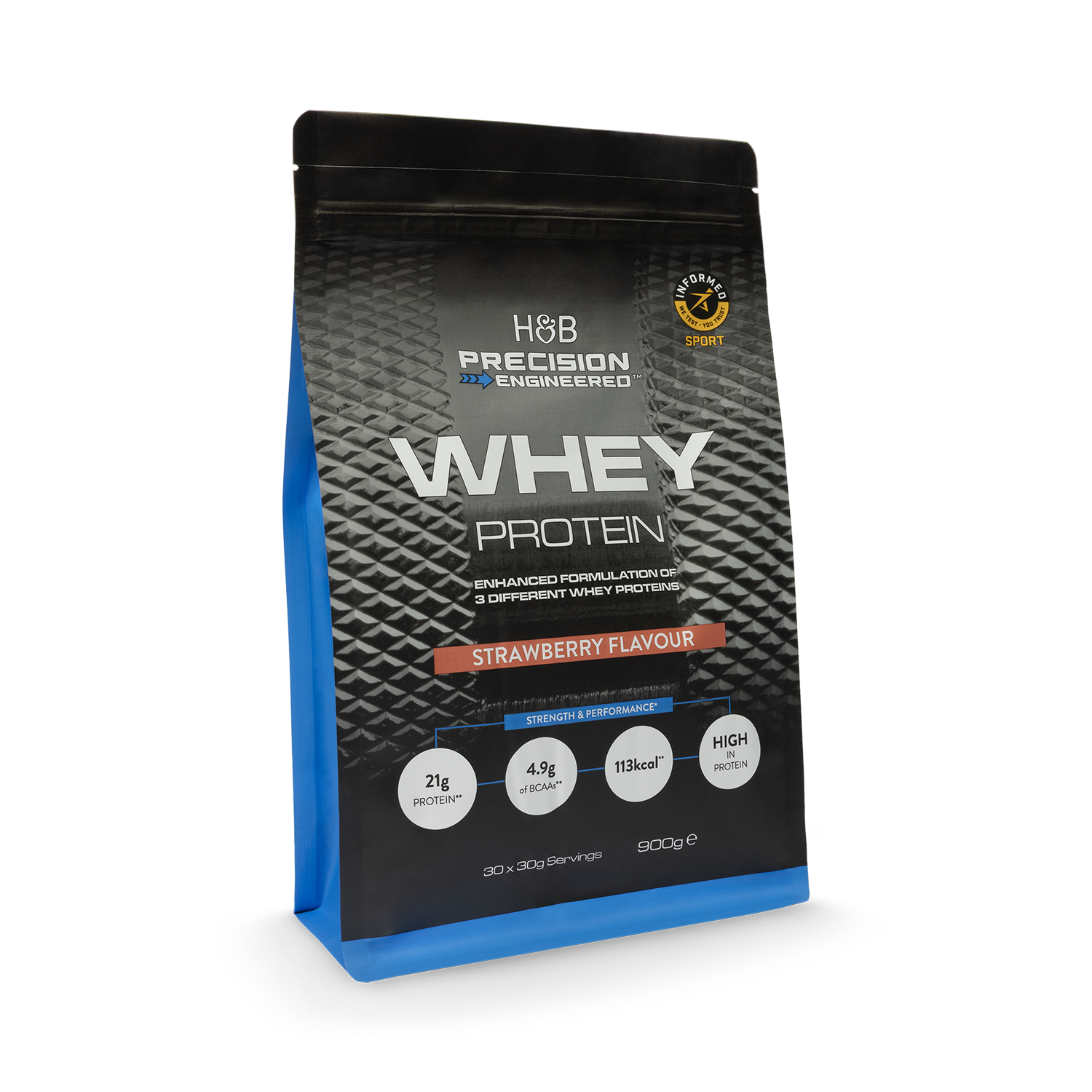
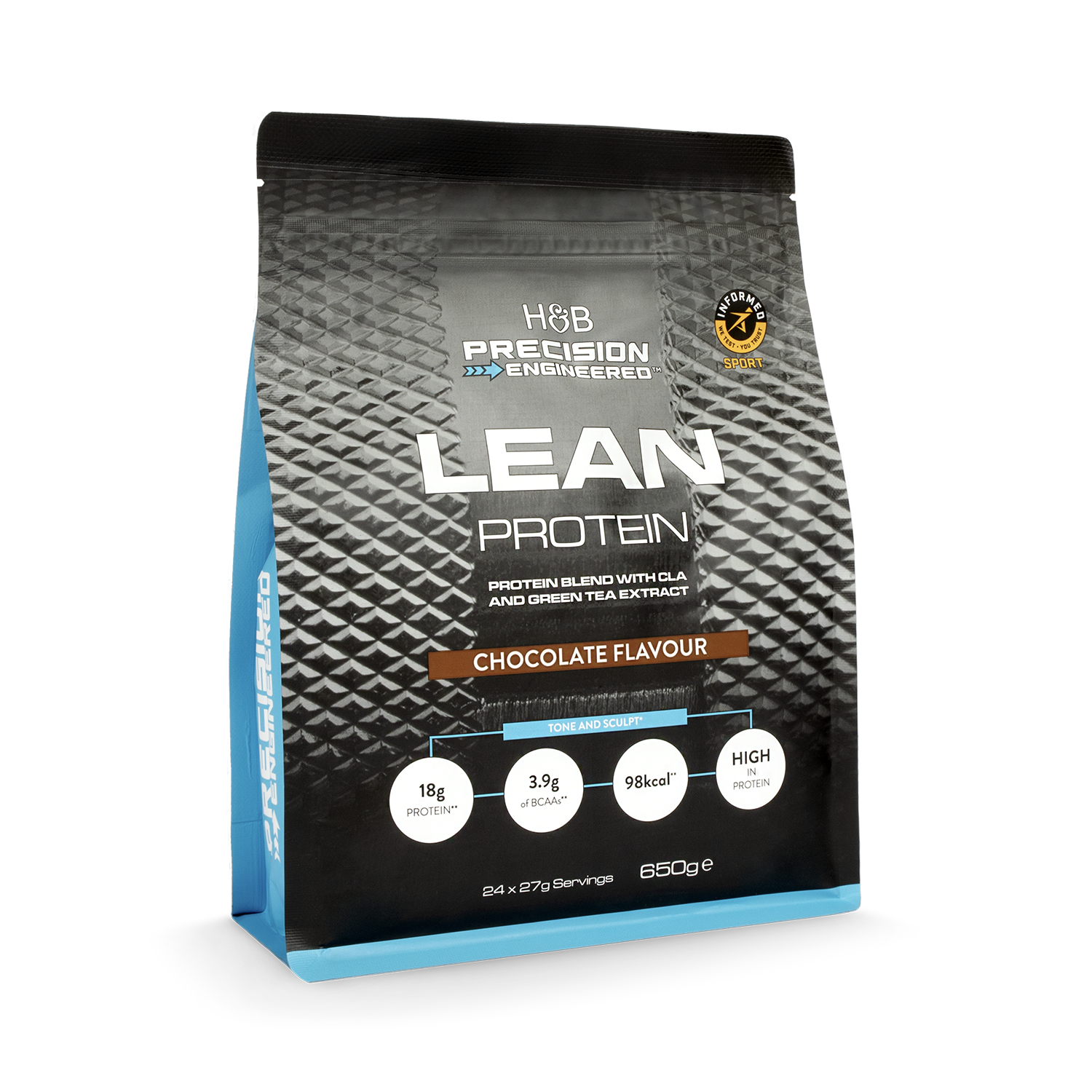
Whey Protein products
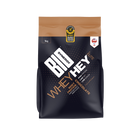
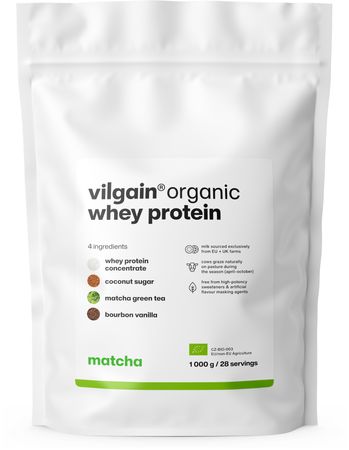
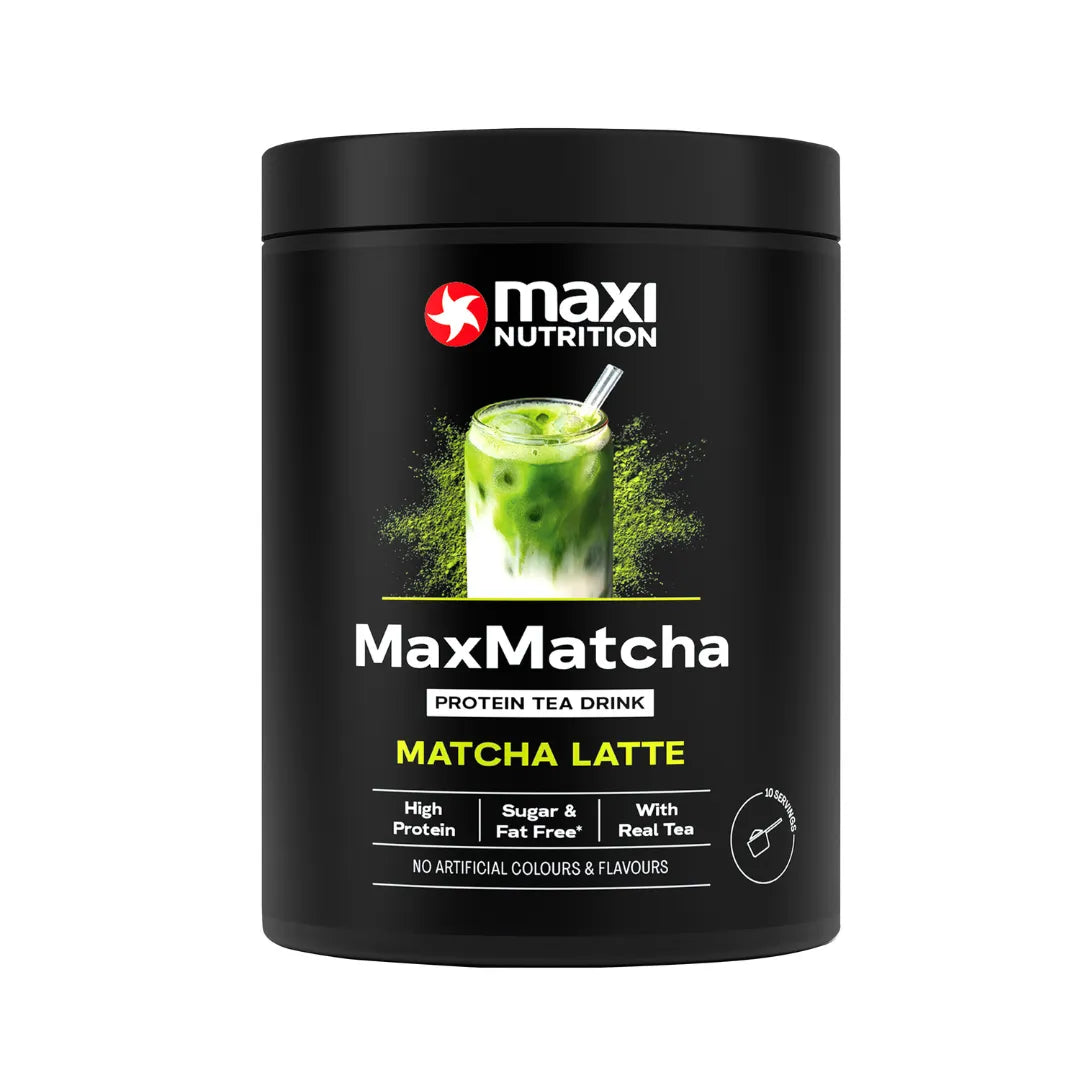
FlavourSize (g)QtyServingsOfferTotal Per 25g protein 3000191.2 £37.99 25.0g125£0.417 2000160.8 £27.99 25.0g125£0.460 1000130.4 £15.99 25.0g125£0.526 |
FlavourSize (g)QtyServingsOfferTotal Per 25g protein 1000132.3 £14.99£19.99 -25%25.0g118£0.463 |
FlavourSize (g)QtyServingsOfferTotal Per 25g protein 1000132.3 £14.99£19.99 -25%25.0g118£0.463 |
FlavourSize (g)QtyServingsOfferTotal Per 25g protein 1000127.3 £18.99 25.0g138£0.695 |
FlavourSize (g)QtyServingsOfferTotal Per 25g protein 48001113.3 £80.49 25.0g155£0.711 2400156.6 £40.99 25.0g155£0.724 1200128.3 £21.29 25.0g155£0.752 |
FlavourSize (g)QtyServingsOfferTotal Per 25g protein 48001130.6 £95.99 25.0g136£0.735 2400165.3 £51.99 25.0g136£0.796 1200132.6 £28.29 25.0g136£0.867 |
FlavourSize (g)QtyServingsOfferTotal Per 25g protein 48001132.5 £104.49 25.0g131£0.789 2400166.2 £56.49 25.0g131£0.853 1200133.1 £30.49 25.0g131£0.921 |
FlavourSize (g)QtyServingsOfferTotal Per 25g protein 43501125.3 £99.99 25.0g132£0.798 1000128.8 £25.99 25.0g127£0.902 50001146 £144.49 25.0g129£0.990 |
FlavourSize (g)QtyServingsOfferTotal Per 25g protein 60001168 £143.99 25.0g129£0.857 3000184 £77.99 25.0g129£0.928 1500142 £41.99 25.0g129£1.000 |
FlavourSize (g)QtyServingsOfferTotal Per 25g protein 2000157 £49.99£99.99 -50%25.0g136£0.878 1000128.5 £29.99£49.99 -40%25.0g136£1.053 500114.2 £17.99£24.99 -28%25.0g136£1.263 |
FlavourSize (g)QtyServingsOfferTotal Per 25g protein 2250163 £55.99 25.0g156£0.889 750121 £19.99 25.0g156£0.952 375110.8 £11.99 25.0g153£1.110 |
FlavourSize (g)QtyServingsOfferTotal Per 25g protein 720120.2 £17.99£29.99 -40%25.0g133£0.892 2000156 £69.99 25.0g134£1.250 15001- £64.99 --- |
FlavourSize (g)QtyServingsOfferTotal Per 25g protein 50001142 £129.99 25.0g133£0.915 2500171 £67.99 25.0g133£0.958 1000128.4 £27.99 25.0g133£0.986 |
FlavourSize (g)QtyServingsOfferTotal Per 25g protein 2000164.8 £60.00 25.0g127£0.926 |
FlavourSize (g)QtyServingsOfferTotal Per 25g protein 50001150 £139.99 25.0g125£0.933 2500175 £74.99 25.0g125£1.000 1000130 £31.99 25.0g125£1.066 |
FlavourSize (g)QtyServingsOfferTotal Per 25g protein 2100163 £59.95 25.0g126£0.952 510115.3 £29.95 25.0g126£1.957 |
FlavourSize (g)QtyServingsOfferTotal Per 25g protein 1800157.6 £54.95 25.0g113£0.954 1000132 £32.95 25.0g113£1.030 450114.4 £19.95 25.0g113£1.385 |
FlavourSize (g)QtyServingsOfferTotal Per 25g protein 50001112 £107.99 25.0g151£0.964 2500154 £59.99 25.0g162£1.111 1000123.2 £28.49 25.0g155£1.228 |
FlavourSize (g)QtyServingsOfferTotal Per 25g protein 908130.5 £30.02£49.99 -40%25.0g108£0.984 |
FlavourSize (g)QtyServingsOfferTotal Per 25g protein 40001124.8 £123.99 25.0g120£0.993 2000162.4 £63.99 25.0g120£1.025 1000131.2 £33.99 25.0g120£1.089 |
FlavourSize (g)QtyServingsOfferTotal Per 25g protein 40001118.4 £119.49 25.0g127£1.009 1000129.6 £31.99 25.0g127£1.081 |
FlavourSize (g)QtyServingsOfferTotal Per 25g protein 50001158.2 £159.99 25.0g126£1.011 3000194.9 £99.99 25.0g126£1.053 2000163.3 £69.99 25.0g126£1.106 |
FlavourSize (g)QtyServingsOfferTotal Per 25g protein 40001123.2 £127.99 25.0g123£1.039 500114.8 £15.99 25.0g127£1.080 2000159.2 £65.99 25.0g127£1.115 |
FlavourSize (g)QtyServingsOfferTotal Per 25g protein 1000128.5 £29.99£49.99 -40%25.0g136£1.053 500114.2 £17.99£49.99 -64%25.0g136£1.263 |
FlavourSize (g)QtyServingsOfferTotal Per 25g protein 45001138.1 £145.99 25.0g128£1.057 2270169.6 £89.99 25.0g128£1.292 1000130.7 £52.99 25.0g128£1.727 |
FlavourSize (g)QtyServingsOfferTotal Per 25g protein 908127.6 £29.39£42.99 -32%25.0g124£1.065 2000160.8 £92.99 25.0g126£1.529 3010.9 £2.99 25.0g125£3.194 |
FlavourSize (g)QtyServingsOfferTotal Per 25g protein 2270173.5 £79.99 25.0g117£1.088 |
FlavourSize (g)QtyServingsOfferTotal Per 25g protein 2270173.5 £79.99£89.99 -11%25.0g117£1.088 |
FlavourSize (g)QtyServingsOfferTotal Per 25g protein 2000153.6 £59.99 25.0g142£1.119 900124.1 £39.99 25.0g142£1.658 |
FlavourSize (g)QtyServingsOfferTotal Per 25g protein 2200170.4 £79.99 25.0g-£1.136 900128.8 £41.99 25.0g-£1.458 1500148 £74.99 25.0g-£1.562 |
FlavourSize (g)QtyServingsOfferTotal Per 25g protein 2000152 £59.99 25.0g151£1.154 1000126 £34.99 25.0g151£1.346 |
FlavourSize (g)QtyServingsOfferTotal Per 25g protein 500113.8 £15.99£24.99 -36%25.0g130£1.159 1000127.6 £39.99£44.99 -11%25.0g130£1.449 |
FlavourSize (g)QtyServingsOfferTotal Per 25g protein 1000129.6 £34.49 25.0g128£1.165 |
FlavourSize (g)QtyServingsOfferTotal Per 25g protein 2000158.3 £68.95 25.0g135£1.182 825124.1 £33.95 25.0g135£1.411 450113.1 £19.95 25.0g135£1.520 |
FlavourSize (g)QtyServingsOfferTotal Per 25g protein 2500177 £91.99 25.0g119£1.195 1000130.8 £39.99 25.0g119£1.298 500115.4 £23.49 25.0g119£1.525 |
FlavourSize (g)QtyServingsOfferTotal Per 25g protein 1000130.8 £36.99 25.0g130£1.201 500115.4 £25.99 25.0g130£1.688 |
FlavourSize (g)QtyServingsOfferTotal Per 25g protein 2000161.7 £75.00 25.0g126£1.215 |
FlavourSize (g)QtyServingsOfferTotal Per 25g protein 45301137.7 £170.00 25.0g123£1.234 2260168.7 £98.00 25.0g123£1.426 899127.3 £50.00 25.0g123£1.830 |
FlavourSize (g)QtyServingsOfferTotal Per 25g protein 900125.9 £32.00 25.0g130£1.235 |
FlavourSize (g)QtyServingsOfferTotal Per 25g protein 1800160.5 £75.00 25.0g-£1.240 |
FlavourSize (g)QtyServingsOfferTotal Per 25g protein 650117.4 £22.00 25.0g136£1.263 |
FlavourSize (g)QtyServingsOfferTotal Per 25g protein 500114.2 £17.99£24.99 -28%25.0g112£1.263 |
FlavourSize (g)QtyServingsOfferTotal Per 25g protein 2250155.2 £69.99 25.0g147£1.269 908122.3 £39.99 25.0g147£1.796 |
FlavourSize (g)QtyServingsOfferTotal Per 25g protein 2000154.4 £71.99 25.0g132£1.323 1000127.2 £39.99 25.0g132£1.470 500113.6 £21.99 25.0g132£1.617 |
FlavourSize (g)QtyServingsOfferTotal Per 25g protein 2270167.2 £92.00 25.0g125£1.369 |
FlavourSize (g)QtyServingsOfferTotal Per 25g protein 1000129.2 £39.99 25.0g152£1.370 |
FlavourSize (g)QtyServingsOfferTotal Per 25g protein 899125.5 £35.00 25.0g136£1.371 |
FlavourSize (g)QtyServingsOfferTotal Per 25g protein 1000127.6 £37.99 25.0g130£1.376 500113.8 £19.99 25.0g130£1.449 |
FlavourSize (g)QtyServingsOfferTotal Per 25g protein 900257.6 £80.98 25.0g120£1.406 900128.8 £44.99 25.0g120£1.562 3010.9 £2.49 25.0g120£2.664 |
FlavourSize (g)QtyServingsOfferTotal Per 25g protein 1000131.2 £44.99 25.0g127£1.442 3010.9 £1.75 25.0g129£1.944 30019.2 £21.99 25.0g126£2.380 |
FlavourSize (g)QtyServingsOfferTotal Per 25g protein 2000162.4 £89.99 25.0g130£1.442 1000128.8 £44.99 25.0g135£1.562 30019.1 £21.99 25.0g128£2.405 |
FlavourSize (g)QtyServingsOfferTotal Per 25g protein 420113.1 £18.99 25.0g120£1.445 |
FlavourSize (g)QtyServingsOfferTotal Per 25g protein 1800148.2 £69.99 25.0g139£1.451 1200132.2 £47.49 25.0g139£1.477 600116.1 £24.99 25.0g139£1.554 |
FlavourSize (g)QtyServingsOfferTotal Per 25g protein 2250182 £119.99 25.0g100£1.463 750127.3 £49.99 25.0g100£1.829 |
FlavourSize (g)QtyServingsOfferTotal Per 25g protein 900130 £43.99 25.0g-£1.467 |
FlavourSize (g)QtyServingsOfferTotal Per 25g protein 1800154 £79.99 25.0g128£1.481 810124.3 £49.99 25.0g128£2.057 450113 £29.99 25.0g133£2.314 |
FlavourSize (g)QtyServingsOfferTotal Per 25g protein 48001150.5 £224.00£236.00 -5%25.0g126£1.488 2400175.3 £120.00 25.0g126£1.594 1200137.6 £62.00 25.0g126£1.648 |
FlavourSize (g)QtyServingsOfferTotal Per 25g protein 1000260 £89.98 25.0g125£1.500 1000130 £49.99 25.0g125£1.666 |
FlavourSize (g)QtyServingsOfferTotal Per 25g protein 1020129.4 £44.99 25.0g127£1.532 |
FlavourSize (g)QtyServingsOfferTotal Per 25g protein 1000129.3 £48.95 25.0g131£1.669 |
FlavourSize (g)QtyServingsOfferTotal Per 25g protein 1000122 £36.99 25.0g166£1.678 |
FlavourSize (g)QtyServingsOfferTotal Per 25g protein 2000164.8 £112.00 25.0g129£1.728 1000132.4 £59.00 25.0g129£1.821 |
FlavourSize (g)QtyServingsOfferTotal Per 25g protein 600115.8 £27.49 25.0g142£1.735 |
FlavourSize (g)QtyServingsOfferTotal Per 25g protein 1000126.4 £54.00£60.00 -10%25.0g129£2.045 500113.6 £30.00 25.0g129£2.206 |
FlavourSize (g)QtyServingsOfferTotal Per 25g protein 1000126.8 £54.99 25.0g137£2.052 |
FlavourSize (g)QtyServingsOfferTotal Per 25g protein 1000125.6 £54.00£60.00 -10%25.0g134£2.109 500112.8 £30.00 25.0g134£2.344 |
FlavourSize (g)QtyServingsOfferTotal Per 25g protein 6011.8 £3.99 25.0g119£2.159 |
FlavourSize (g)QtyServingsOfferTotal Per 25g protein 30018.6 £24.99 25.0g128£2.892 |
FlavourSize (g)QtyServingsOfferTotal Per 25g protein 3110.9 £4.39 25.0g123£4.658 |
FlavourSize (g)QtyServingsOfferTotal Per 25g protein - £8.99 25.0g495- |
FlavourSize (g)QtyServingsOfferTotal Per 25g protein 20001- £77.50 25.0g-- |
FlavourSize (g)QtyServingsOfferTotal Per 25g protein 9001- £28.00 --- |
FlavourSize (g)QtyServingsOfferTotal Per 25g protein 20001- £67.50 25.0g-- 9081- £36.00 25.0g-- 4761- £18.00 25.0g-- |










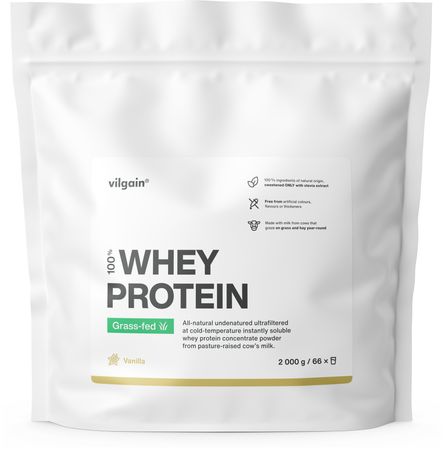
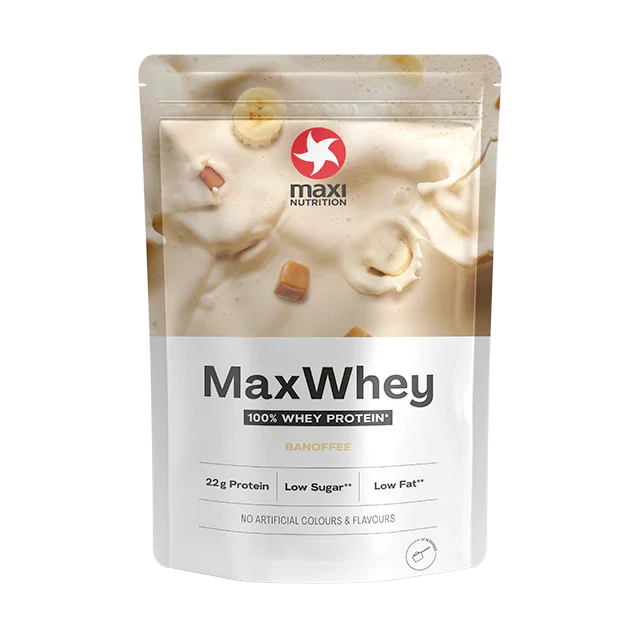











Where the price difference actually goes
The £20 to £25 per kilogram premium on an expensive whey protein breaks down into a few clear cost centres, each worth understanding on its own.
- 1
Brand and marketing. Premium brands like Optimum Nutrition, Grenade, and MuscleTech run global marketing budgets, sponsorships, and retail partnerships, all built into the price. Bulk and MyProtein spend far less here and pass the saving straight through.
- 2
Retail markup. Premium whey sits widely in Holland and Barrett, Tesco, Asda, Boots, and Amazon UK, and each step in that chain adds its own margin. Direct to consumer brands skip this entirely.
- 3
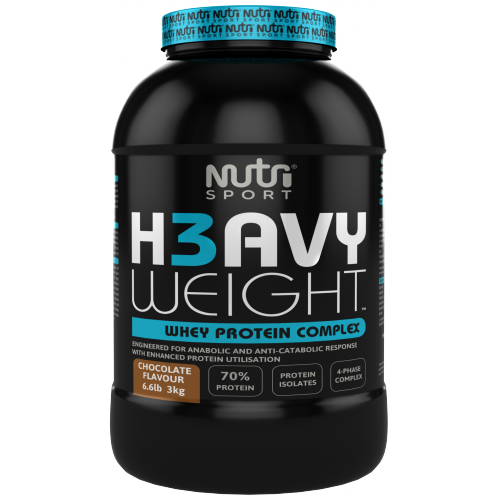
Flavour engineering. A flavour like Optimum Nutrition Gold Standard Double Rich Chocolate has been refined over decades and has a genuine reputation for taste consistency. Premium brands invest meaningfully in flavour science, and for many buyers that consistency is worth paying for.
- 4
Whey blend type. Premium proteins often blend isolate, concentrate, and hydrolysate, while budget proteins are usually pure concentrate. Isolate costs more per kilogram to produce, so a multi source blend will always cost more than a straight concentrate, whether or not you actually need it.
- 5
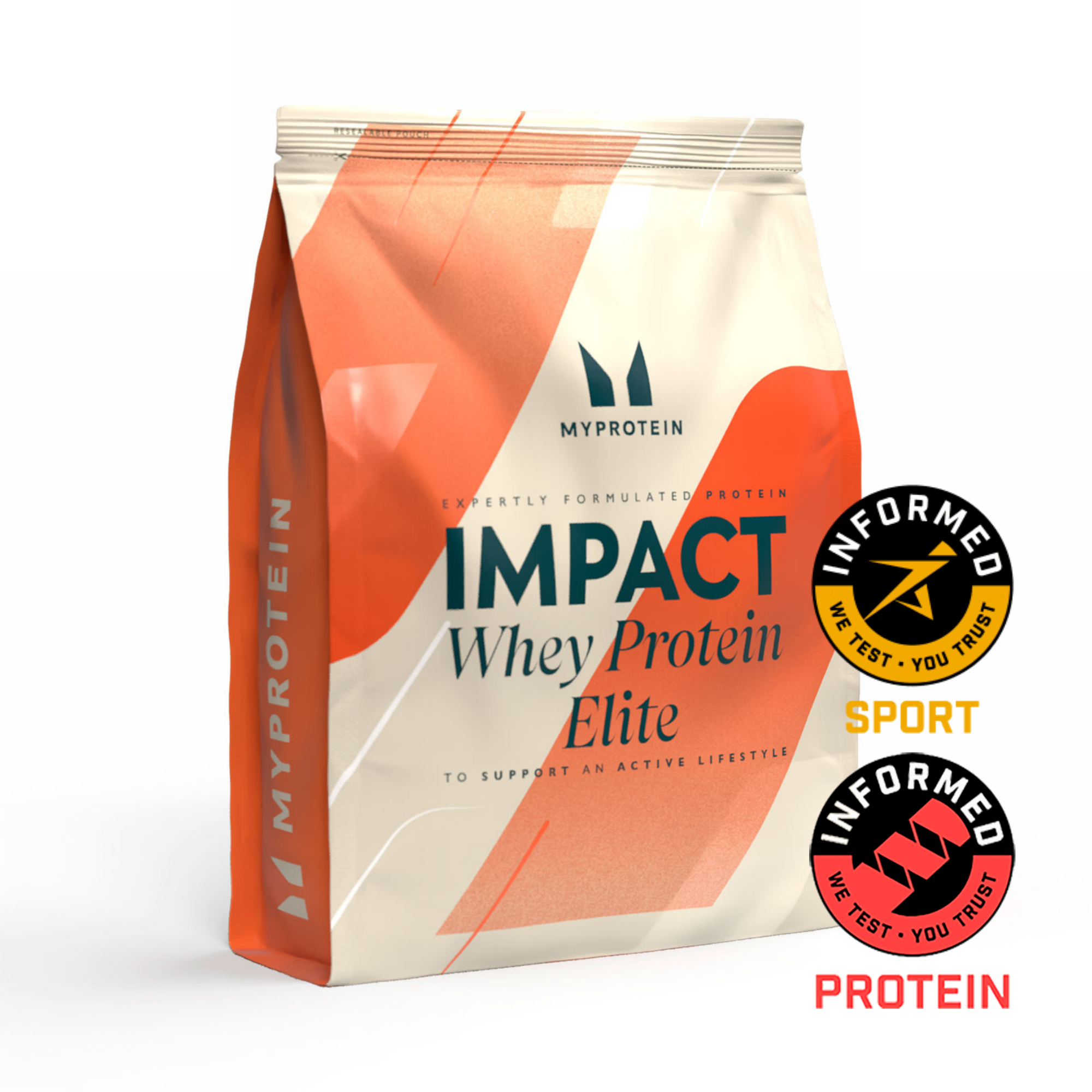
Third party testing. Informed Sport and Informed Choice certification cost real money, and certified products usually carry a small premium over uncertified equivalents. This is one of the few price premiums that maps cleanly to a tangible quality difference if certification actually matters to you.
- 6
Slightly cleaner ingredients. Some premium proteins use natural flavourings, skip artificial sweeteners, or drop soy lecithin. Whether that matters is a personal call, and it does not change the protein performance outcome either way.
Cheap vs expensive: side by side on the numbers
Here is a direct comparison of a typical cheap UK whey (MyProtein Impact Whey at sale price) against a typical expensive one (Optimum Nutrition Gold Standard at sale price), both at 2kg or larger.
For a fully live comparison across both products and 1,950+ others on the same metrics, the UK whey concentrate comparison and the dedicated MyProtein vs Gold Standard review break it down on real time price.
- 1
Protein per 100g: Impact Whey 72 to 82g vs Gold Standard 79g. Functionally equivalent.
- 2
Cost per 100g on sale: Impact Whey £1.20 vs Gold Standard £2.42, roughly twice the price.
- 3
Cost per 25g of protein on sale: Impact Whey around £0.37 vs Gold Standard around £0.77, again roughly 2x.
- 4
Flavour count: Impact Whey 40+ vs Gold Standard around 20, though both have strong vanilla and chocolate options.
- 5
Third party testing: Impact Whey on selected lines, Gold Standard on every batch.
- 6
Whey type: Impact Whey concentrate, Gold Standard an isolate, concentrate, and hydrolysate blend.
- 7
Trustpilot score (early 2026): MyProtein around 4.4 with consistent volume, Optimum Nutrition varying by retailer but generally above 4.0.
Community perspective
What others are saying
Cheaper proteins have a lower quality of protein which resluts in poorer and slower synthesis What? Care to elaborate on this or is it just broscience?
u/sburton84 in r/Fitness
Sounds like somebody was just reading the marketing on the side of their tub of expensive protein to me.
u/[deleted] in r/Fitness
As a protein powder enjoyer living overseas. I could not trust most of the protein brands in Malaysia, and I just found it cheaper to eat raw foods to hit my protein goals, especially eggs.
u/Bespoke_Potato in r/malaysia
Watch what buyers found
Hands-on opinions
I Compared MyProtein's Impact Whey to Every Top Selling Protein in the UK
Tom Newsham Fitness
A hands-on comparison that helps show what a higher price does—and does not—change in ordinary use.
When expensive protein is actually worth it
There are five scenarios where paying for a premium protein powder is a genuinely defensible choice, not just brand loyalty.
- 1
You compete in a tested federation. Powerlifters, rugby players, drug tested athletes, and anyone in a sport with banned substance lists need Informed Sport certified protein, and premium brands carry that certification more consistently than budget ones.
- 2
Taste makes or breaks compliance for you. If cheap whey has never sat right with you, paying £20 a year extra for a tub you actually finish beats throwing away half of every cheap bag. Just be honest about whether taste is really the issue.
- 3
You want a clean ingredient label. Some buyers genuinely want no artificial sweeteners, no soy, and no artificial colours. Premium brands address this market directly, while budget brands rarely bother.
- 4
You are buying once a year for travel. For a single small tub used occasionally, the absolute price gap is tiny. Pay £35 instead of £25 and stop thinking about it.
- 5
You value fast retail availability. If you shop at Tesco, Asda, or Holland and Barrett for convenience, you are already paying the premium tier price. Either accept it or switch to buying direct online.

Cheapest Whey Protein
Diet Whey Protein Powder
Pure Source Nutrition · 1kg
Pros
- 55.5% cheaper per 25g protein than the median of 65 other Whey Protein product families in this comparison
When cheap protein wins on every metric
For most UK buyers in most situations, cheap protein is not just acceptable, it is actively the smarter choice.
- 1
You drink protein daily. Going through a kilogram a month, the gap between budget and premium adds up to £100 to £200 a year. That is real money, and the performance difference is not.
- 2
Total daily protein drives results, not the brand on the tub. Hitting 1.6 to 2.2g of protein per kilogram of bodyweight matters far more than which product supplied it. Buying cheaper means you can drink more often or size up without budget anxiety.
- 3
You use protein in cooking. Mixed into pancakes, oats, yoghurt, or baking, the flavour engineering of premium protein is partly wasted because other ingredients mask it anyway. Cheap unflavoured or basic chocolate does the job.
- 4
You are a beginner still finding your routine. Spending £45 on a first tub is unnecessary. Start cheap, confirm you actually drink protein consistently, then upgrade later if you want to.
- 5
You want to buy in bulk. 2.5kg or 5kg bags of cheap UK whey are dramatically cheaper per 100g than 1kg tubs of premium whey, making bulk buying one of the easiest ways to cut your protein bill in half.
How to compare cheap and expensive protein fairly
The single biggest mistake UK buyers make is comparing tub price to tub price. A £30 tub of cheap whey at 70g protein per 100g is not automatically a worse deal than a £40 tub of premium whey at 80g protein per 100g. Bag size and protein density both change the answer.
The metric that resolves this is cost per 25g of protein, since it accounts for bag size, scoop size, and protein percentage in one number. ProteinDeals calculates this automatically for every UK product on the main comparison page and surfaces the cheapest options on the cheapest protein per 25g list. Sort by it before deciding whether the premium tub earns its upgrade.
- 1
Compare same size bags. A 1kg premium tub against a 2.5kg budget bag is not a fair test. Match sizes within each category first.
- 2
Compare on sale, not RRP. Budget brands run near permanent sales while premium brands rarely do, so an RRP comparison always flatters the premium product.
- 3
Compare on cost per 25g of protein. Cost per 100g of powder gives a misleading answer whenever protein percentages differ, so always normalise before deciding.
Frequently asked questions
Optimum Nutrition Gold Standard is a global premium brand with high marketing spend, broad retail availability, and a multi source whey blend of isolate, concentrate, and hydrolysate. The price premium reflects brand and distribution rather than a meaningful protein content advantage. See the cheapest Gold Standard whey UK guide for the lowest current UK price.
On muscle building outcomes, yes. The protein content per 100g is comparable, and total daily intake is what actually drives results. Optimum Nutrition wins on flavour consistency and certification, while Bulk wins on price per 25g of protein. The MyProtein vs Gold Standard side by side covers the trade off in detail.
If you drink 1kg per month, the gap between a £20 cheap whey and a £40 premium whey adds up to £240 a year, often for a protein difference under 10g per 100g. It is worth paying only if taste, brand, or certification genuinely matter to you.
Best value depends on the metric you care about. For the cheapest cost per 25g of protein, look at MyProtein Impact Whey during Impact Week or Bulk Pure Whey on sale. For the best value certified protein, Applied Nutrition Critical Whey is a strong pick. For live UK pricing across every product, see the full UK protein comparison.
References
Sources and further reading
- 01Morton et al. — protein supplementation and resistance training
Systematic review and meta-analysis used to distinguish adequate protein intake from premium product marketing.
- 02CMA — urgency and price-reduction claims
UK guidance relevant to reference prices, sale percentages and countdown claims.