

Quick answer
A controlled or ‘clean’ bulk wins. Use a modest calorie surplus, enough protein and mostly nutritious food, while leaving room for enjoyable higher-calorie choices. A dirty bulk makes scale weight rise faster but usually adds more fat and makes the later cut harder; food quality and surplus size matter more than the label.
What each approach actually means
A dirty bulk has no fixed definition, but in practice it means eating in a large caloric surplus, typically 500 calories or more above maintenance, with minimal restriction on food quality. The logic is that more calories means more muscle, and worrying about fat gain is a problem for later.
A clean bulk means eating in a controlled surplus, typically 200-350 calories above maintenance, from predominantly whole-food sources, with consistent protein intake and tracking. The goal is to maximise the muscle-to-fat ratio gained over the bulk phase.
The case for dirty bulking
A large surplus means you never have to think carefully about what you eat. Training sessions feel better fuelled, energy is high, and the psychological freedom of eating without restriction is genuinely enjoyable for many people.
In the very short term, the first few weeks after a long cut or maintenance phase, a larger surplus may produce slightly faster muscle gain as glycogen stores, muscle volume and connective tissue all respond to the increase in calories. Some experienced lifters use a brief aggressive refeed before settling into a more controlled approach.

Why dirty bulking is inefficient long-term
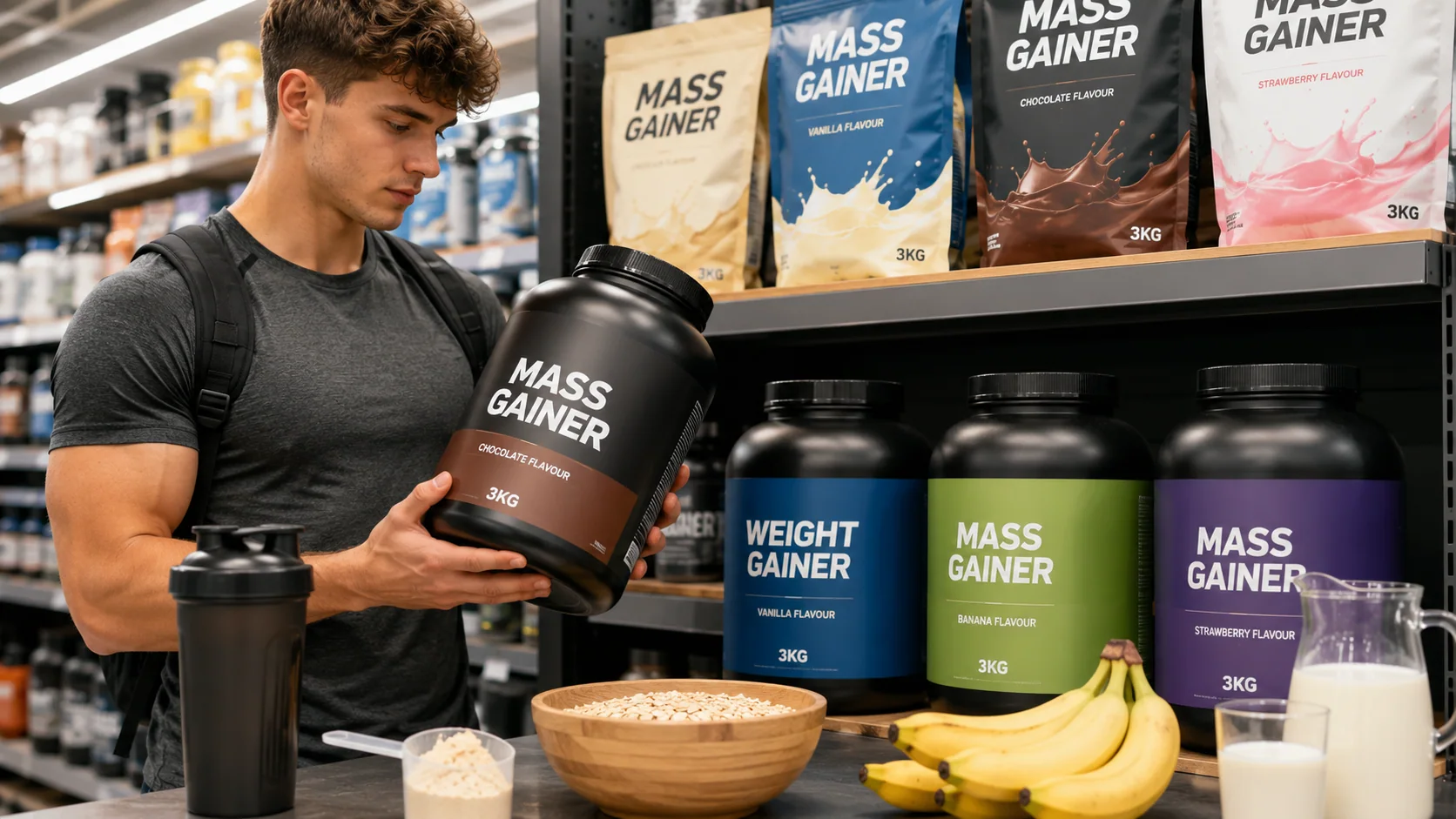
The rate at which muscle can be built has a biological ceiling. A natural lifter can gain roughly 0.5-1kg of muscle per month in optimal conditions. This ceiling does not move meaningfully with a larger caloric surplus. The extra calories above what is needed for muscle synthesis are simply stored as fat.
After four to six months of dirty bulking, a person who has gained 6kg total may have gained 1.5-2kg of muscle and 4-4.5kg of fat. They then need an extended cut to remove that fat, often losing some of the muscle in the process. The net gain after a full bulk-cut cycle is frequently no better than a clean bulk would have produced.
Community perspective
What others are saying
Watch what buyers found
Hands-on opinions
How To Pick The Best Protein Powder (CHOOSE WISELY!)
Jeremy Ethier
A topic-specific video selected for additional practical context on Dirty Bulk vs Clean Bulk: Price, Quality and Value Compared.
What the research supports
Studies consistently show that caloric surpluses beyond roughly 300-500 calories above maintenance do not increase muscle protein synthesis rates in trained individuals. The body has a fixed rate of new muscle tissue it can create per day, and additional energy above that rate does not accelerate the process.
The research on body composition outcomes supports controlled surpluses. People in smaller, well-managed surpluses consistently end bulk phases at better body composition ratios than those who ate aggressively.

Cheapest Whey Protein
Diet Whey Protein Powder
Pure Source Nutrition · 1kg
Pros
- Whey concentrate supplies a complete essential-amino-acid profile
- Current tracked price is £16.99 for 1kg (£1.70/100g)
Cons
- Whey concentrate may not suit lactose-sensitive users
The clean bulk in practice
A practical clean bulk targets 200-300 calories above verified maintenance, with 1.6-2.2g of protein per kg of bodyweight, and a majority of calories from whole-food carbohydrates, lean proteins and healthy fats.
Progress should be tracked weekly. Weight gain of 0.2-0.5kg per week for intermediate lifters is a reasonable target. Faster than this and the surplus is too large; slower or no gain and the surplus needs to increase.
Supplements like whey protein and creatine support the process, but they do not override the fundamentals of consistent training, adequate sleep and a correctly sized caloric surplus.
Which should you choose?
Clean bulking is the more effective strategy for the vast majority of people over any timeframe longer than a few weeks. The slightly higher short-term ease of dirty bulking is offset by a longer and harder subsequent cut, lower net muscle gain per year, and the metabolic consequences of carrying excess body fat during training.
The exception is very lean individuals who have more room to gain fat before it becomes a concern, and who may benefit from a brief aggressive surplus to restore muscle fullness and performance before settling into a cleaner approach.
References
Sources and further reading
- 01Morton et al. — protein supplementation and resistance training
Systematic review and meta-analysis informing the emphasis on total protein and resistance training.
Frequently asked questions
How much fat will I gain on a clean bulk?+
Some fat gain is inevitable in any surplus. A well-managed clean bulk of 200-300 calories above maintenance typically results in a muscle-to-fat gain ratio of roughly 1:1 to 2:1 for intermediate lifters over a full bulk phase.
Can I dirty bulk and then cut all the fat off?+
Yes, but the cut will take longer than you expect, and some muscle will be lost in the process. The net outcome over a full year is rarely better than a controlled approach, and the cut phase is considerably less enjoyable.
Does food quality matter on a bulk?+
Yes, in terms of micronutrient intake, training performance and satiety management. A diet based on whole foods during a bulk supports better hormonal function, digestion and sustained energy compared to the same calories from highly processed sources.