
Quick answer
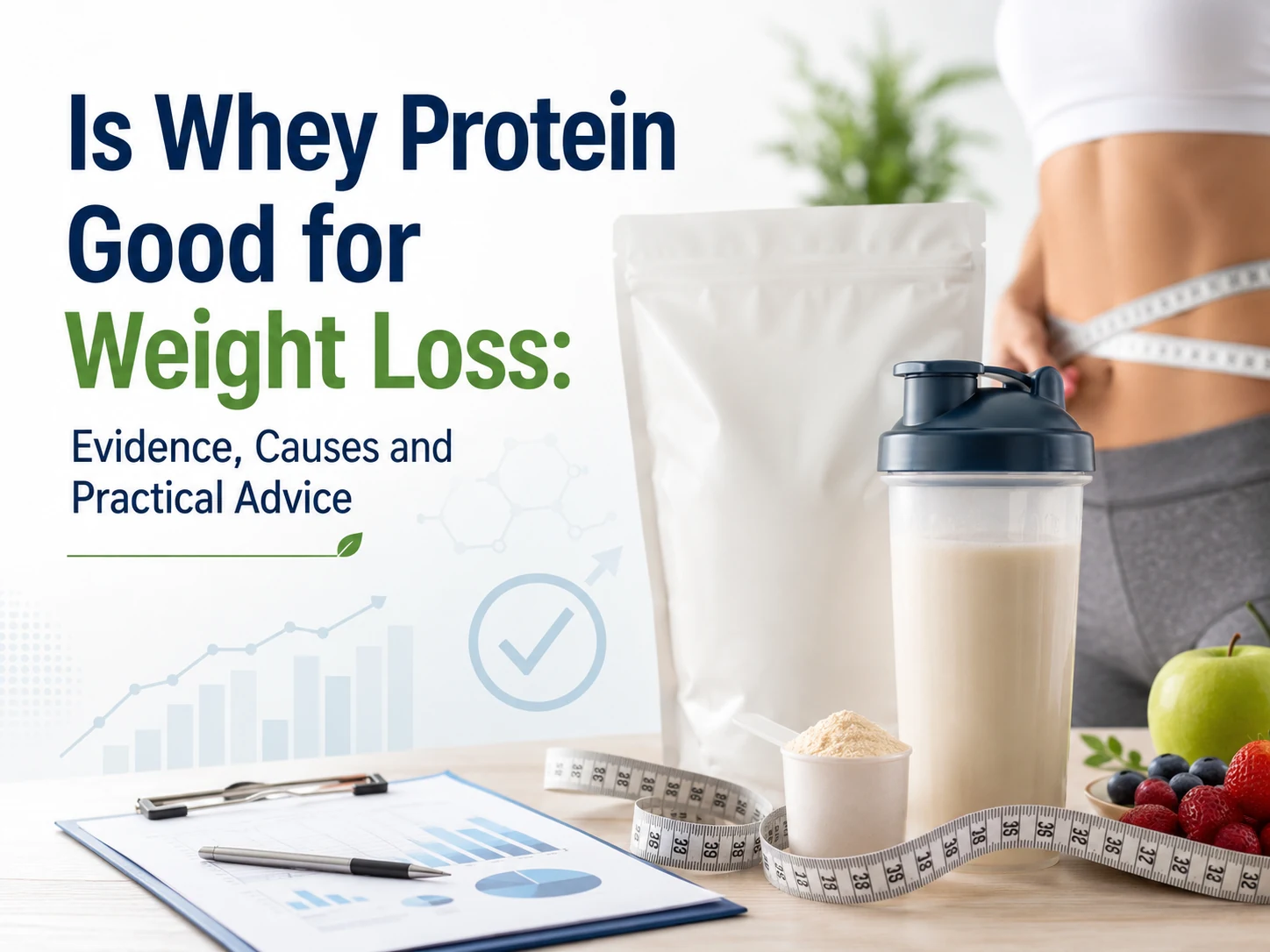
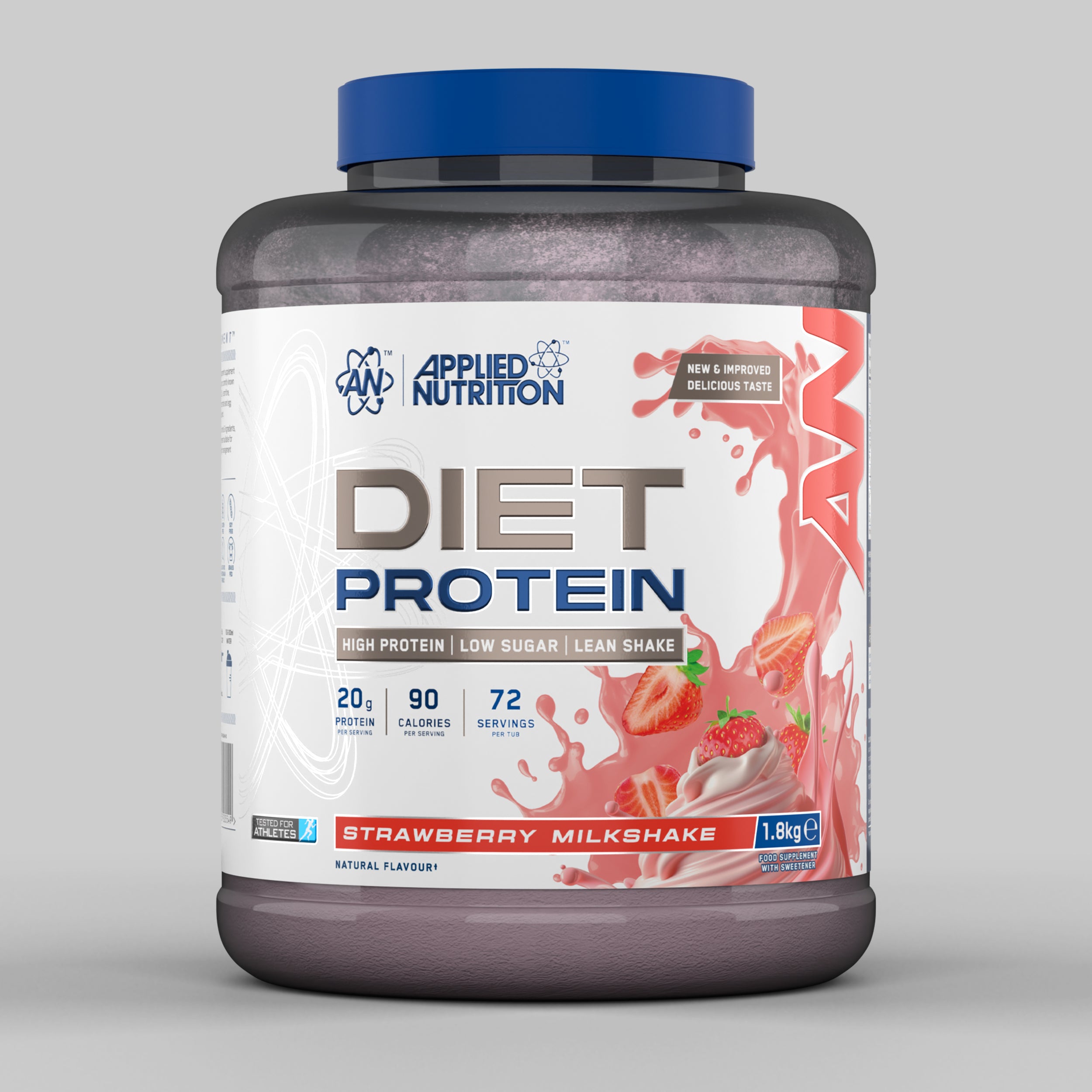
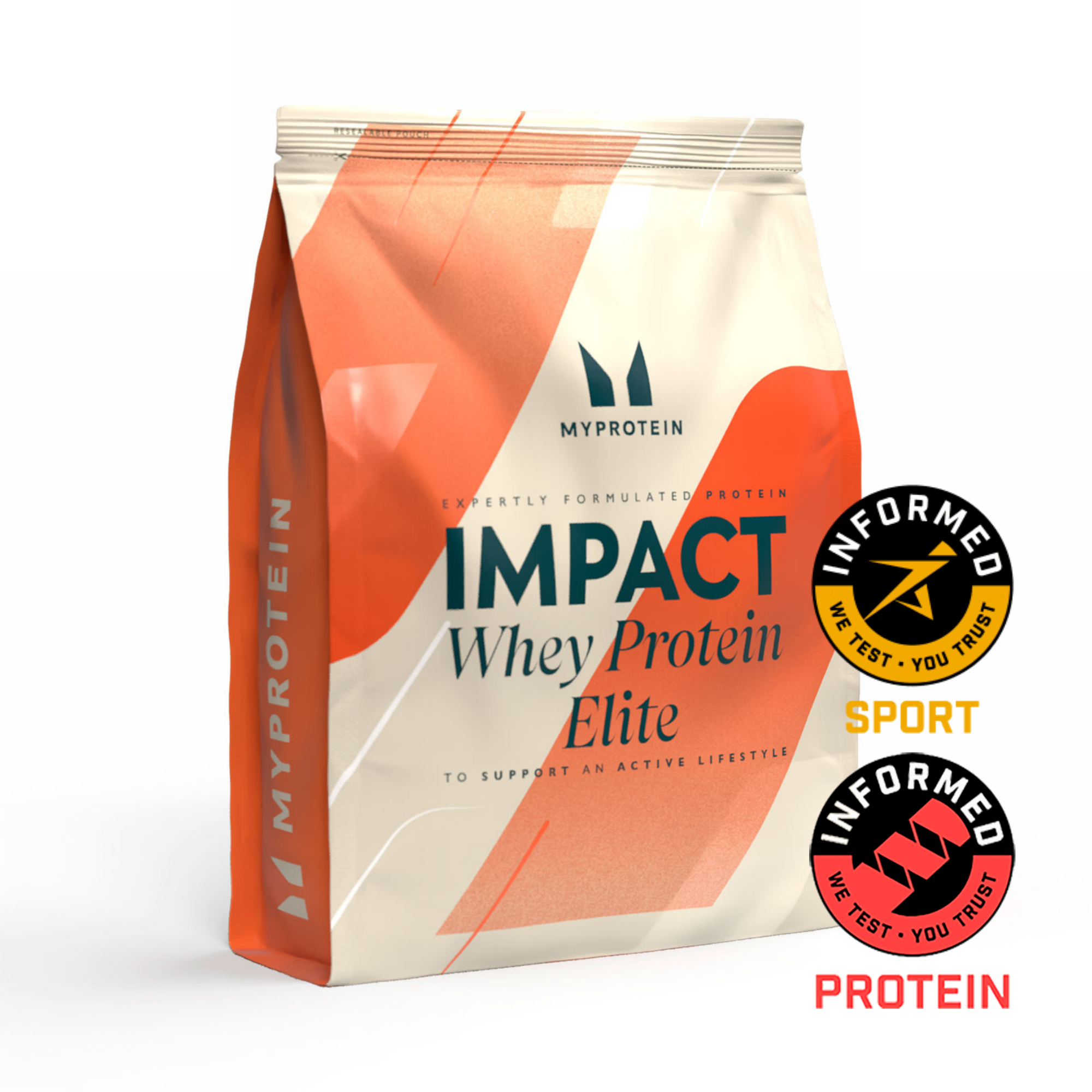
Whey can support weight loss by supplying convenient protein within a calorie deficit, but it does not burn fat. MyProtein Impact Whey is our budget choice; Applied Nutrition ISO-XP is the lean-macro upgrade. Compare calories at a matched protein portion and skip diet-whey extras that do not earn their premium.
Protein and weight loss: the core relationship
Weight loss requires a caloric deficit, consuming fewer calories than you expend. Within that deficit, the composition of what you eat significantly affects how much of the weight lost is fat versus muscle.
Higher protein intake during a deficit consistently preserves more lean muscle mass compared to lower protein intake at the same calorie level. This matters because muscle is metabolically active tissue that supports your resting metabolic rate. Losing muscle while losing weight makes keeping the weight off harder.
Live comparison
Whey Protein products
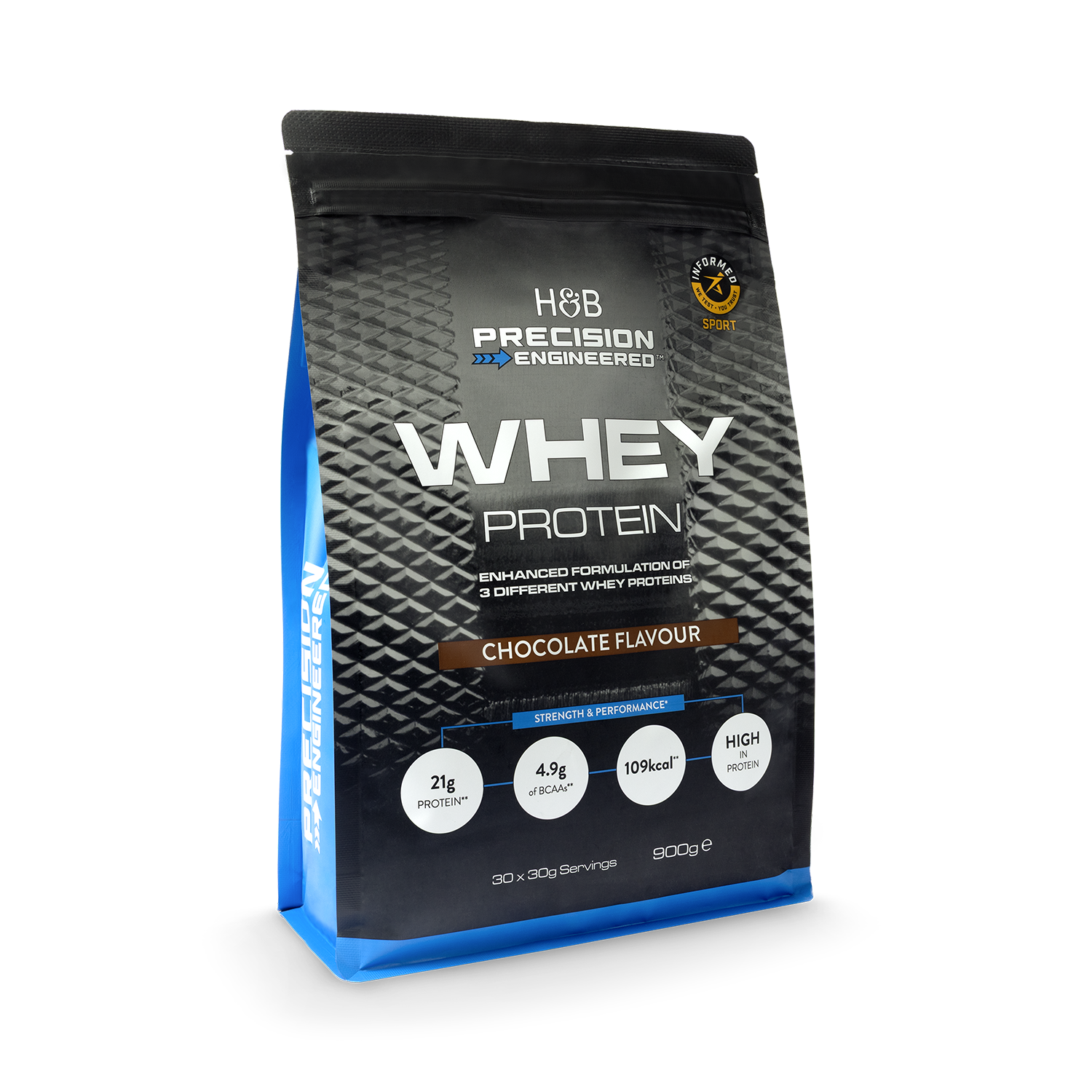
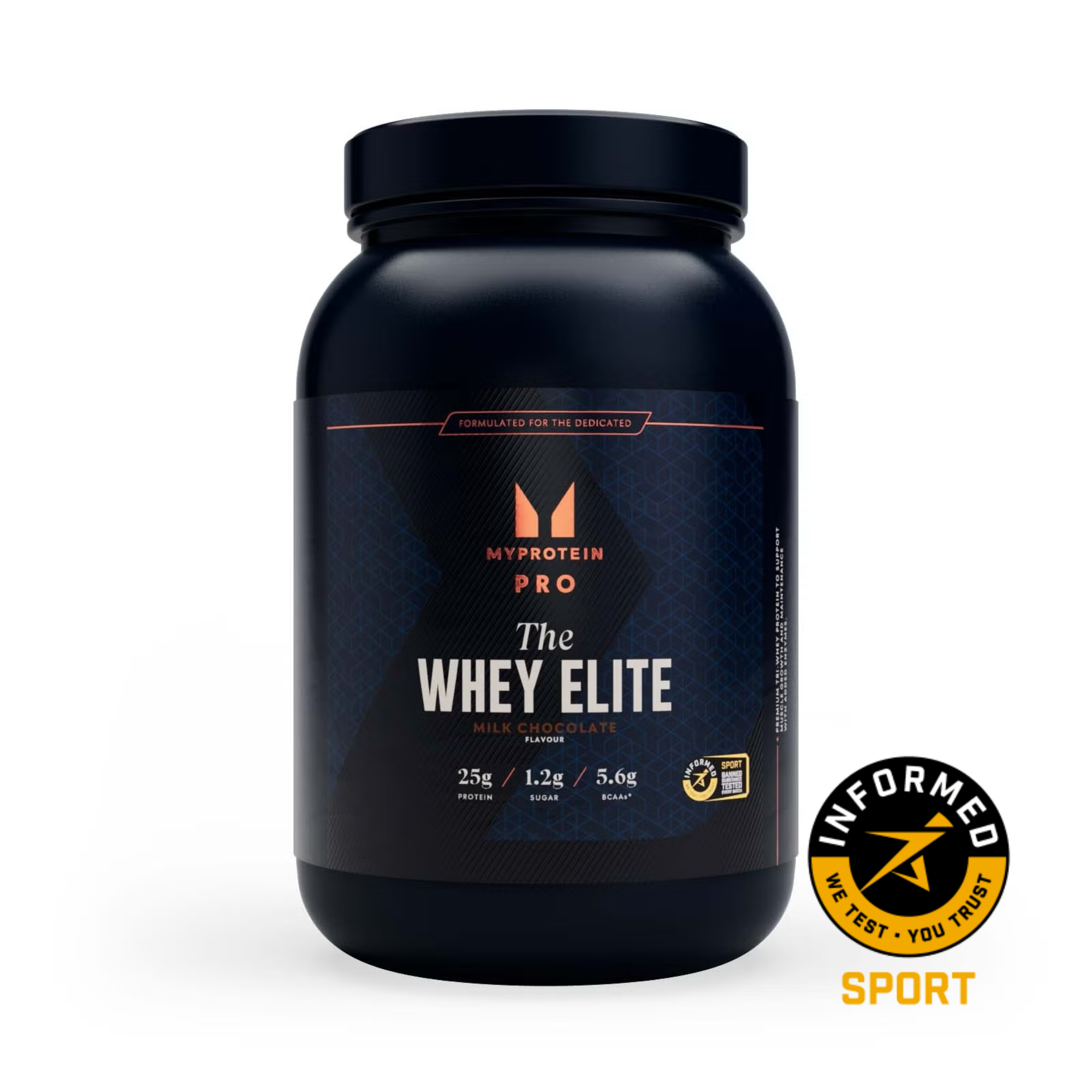
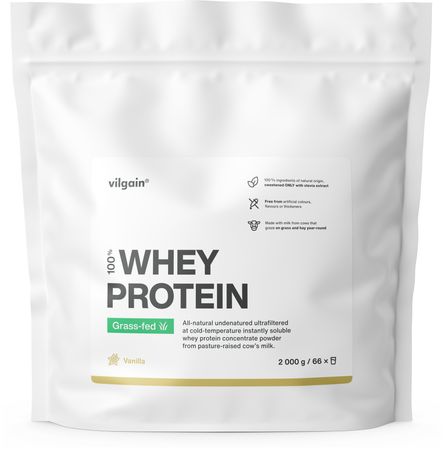
FlavourSize (g)Size (ml)QtyServingsOfferTotal Per serving 3000177 £38.99 29.6g148£0.506 2000151 £28.99 29.6g148£0.568 1000126 £16.99 29.6g148£0.653 |
FlavourSize (g)Size (ml)QtyServingsOfferTotal Per serving 1000133 £14.99 24.3g114£0.454 |
FlavourSize (g)Size (ml)QtyServingsOfferTotal Per serving 48001160 £85.49 20.0g111£0.534 2400180 £44.49 20.0g111£0.556 1200140 £23.99 20.0g111£0.600 |
FlavourSize (g)Size (ml)QtyServingsOfferTotal Per serving 48001160 £77.49 18.0g110£0.484 2400180 £39.99 18.0g110£0.500 1200140 £21.19 18.0g110£0.530 |
FlavourSize (g)Size (ml)QtyServingsOfferTotal Per serving 48001136 £95.99 24.0g127£0.706 2400168 £49.99 24.0g127£0.735 1200134 £26.99 24.0g127£0.794 |
FlavourSize (g)Size (ml)QtyServingsOfferTotal Per serving 2340190 £54.49 20.0g100£0.605 36001150 £90.49 20.0g93£0.603 2160190 £54.49 20.0g93£0.605 |
FlavourSize (g)Size (ml)QtyServingsOfferTotal Per serving 930130 £22.49 23.0g115£0.750 43501150 £99.99 20.0g108£0.667 36001120 £79.99 20.0g109£0.667 |
FlavourSize (g)Size (ml)QtyServingsOfferTotal Per serving 2250190 £55.99 17.0g109£0.622 750130 £19.99 17.0g109£0.666 375115 £11.49 18.0g110£0.766 |
FlavourSize (g)Size (ml)QtyServingsOfferTotal Per serving 720124 £17.99 21.0g112£0.750 2000166 £69.99 21.0g110£1.060 |
FlavourSize (g)Size (ml)QtyServingsOfferTotal Per serving 50001156 £129.99 23.0g121£0.833 2500178 £67.99 23.0g121£0.872 1000131 £27.99 23.0g121£0.903 |
FlavourSize (g)Size (ml)QtyServingsOfferTotal Per serving 2000161 £60.00 27.0g137£0.984 |
FlavourSize (g)Size (ml)QtyServingsOfferTotal Per serving 50001167 £139.99 22.0g113£0.838 2500183 £74.99 22.0g113£0.903 1000133 £31.99 22.0g113£0.969 |
FlavourSize (g)Size (ml)QtyServingsOfferTotal Per serving 2100170 £59.95 22.5g113£0.856 510117 £29.95 22.5g113£1.762 |
FlavourSize (g)Size (ml)QtyServingsOfferTotal Per serving 1800172 £54.95 20.0g101£0.763 1000140 £32.95 20.0g101£0.824 450118 £19.95 20.0g101£1.108 |
FlavourSize (g)Size (ml)QtyServingsOfferTotal Per serving 5000183 £107.99 33.0g203£1.301 2500141 £59.99 32.0g209£1.463 1000116 £27.49 35.0g214£1.718 |
FlavourSize (g)Size (ml)QtyServingsOfferTotal Per serving 50001167 £149.99 23.1g110£0.898 2000167 £62.99 23.1g110£0.940 1000133 £32.99 23.1g110£1.000 |
FlavourSize (g)Size (ml)QtyServingsOfferTotal Per serving 50001167 £159.99 23.7g119£0.958 30001100 £99.99 23.7g119£1.000 2000167 £69.99 23.7g119£1.045 |
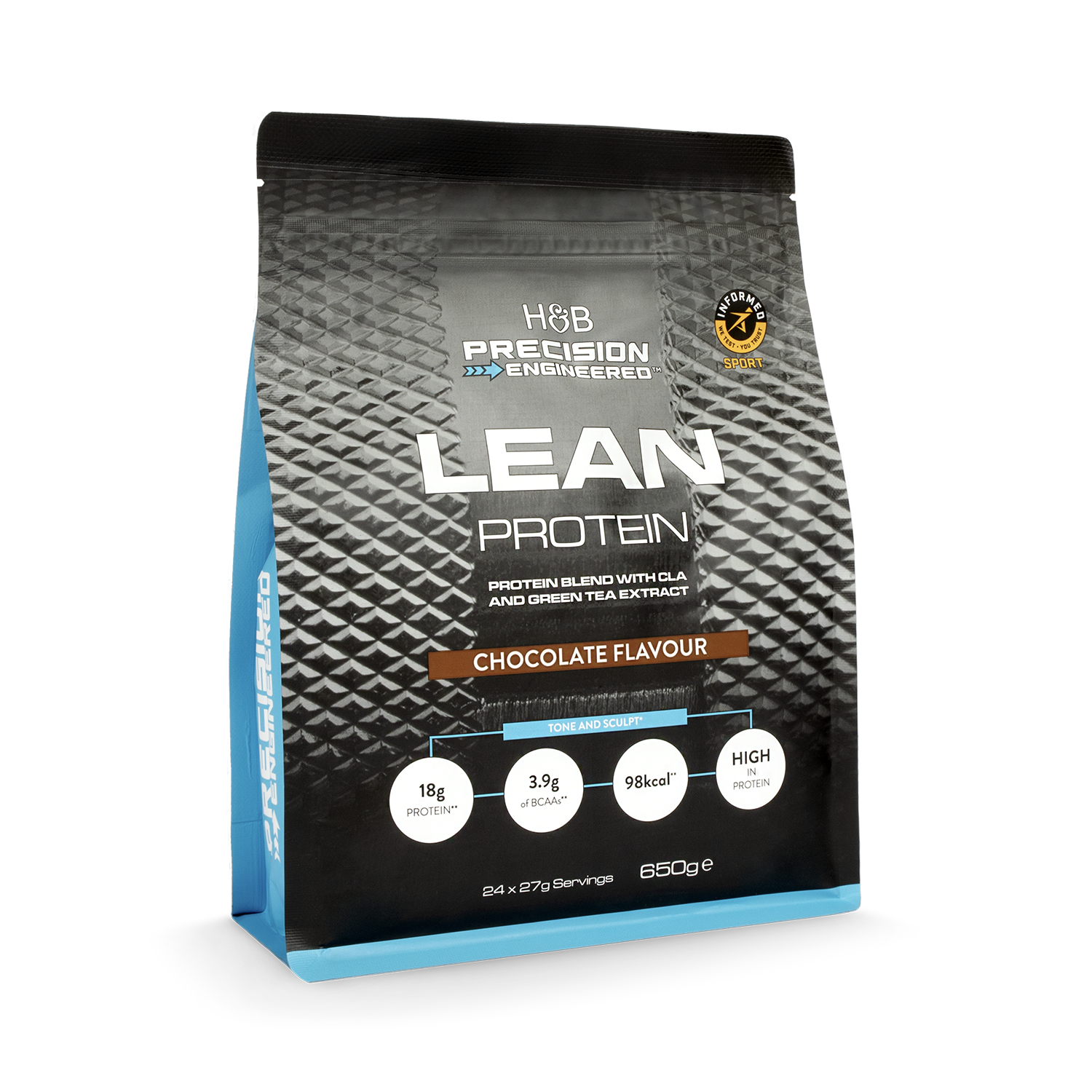
FlavourSize (g)Size (ml)QtyServingsOfferTotal Per serving 650124 £18.00 18.0g98£0.750 |
FlavourSize (g)Size (ml)QtyServingsOfferTotal Per serving 40001133 £122.99 22.0g113£0.925 2000166 £63.49 22.0g113£0.962 1000133 £33.99 22.0g113£1.030 |
FlavourSize (g)Size (ml)QtyServingsOfferTotal Per serving 2270176 £79.99 24.0g113£1.052 |
FlavourSize (g)Size (ml)QtyServingsOfferTotal Per serving 1000140 £32.99 22.0g113£0.825 |
FlavourSize (g)Size (ml)QtyServingsOfferTotal Per serving 2000166 £59.99 20.0g114£0.909 900130 £39.99 20.0g114£1.333 |
FlavourSize (g)Size (ml)QtyServingsOfferTotal Per serving 2200173 £79.99 24.0g-£1.096 900130 £41.99 24.0g-£1.400 |
FlavourSize (g)Size (ml)QtyServingsOfferTotal Per serving 2000162 £59.99 20.0g125£0.968 1000131 £34.99 20.0g125£1.129 |
FlavourSize (g)Size (ml)QtyServingsOfferTotal Per serving 420114 £15.19 23.4g113£1.085 |
FlavourSize (g)Size (ml)QtyServingsOfferTotal Per serving 2000161 £68.95 24.0g130£1.130 825125 £33.95 24.0g130£1.358 450114 £19.95 24.0g130£1.425 |
FlavourSize (g)Size (ml)QtyServingsOfferTotal Per serving 2500183 £91.99 23.0g110£1.108 1000133 £39.99 23.0g110£1.212 500117 £23.49 23.0g110£1.382 |
FlavourSize (g)Size (ml)QtyServingsOfferTotal Per serving 1000130 £36.99 25.0g132£1.233 500115 £25.99 25.0g132£1.733 |
FlavourSize (g)Size (ml)QtyServingsOfferTotal Per serving 2000157 £75.00 27.0g136£1.316 |
FlavourSize (g)Size (ml)QtyServingsOfferTotal Per serving 1000133 £37.99 23.0g117£1.151 300110 £21.99 23.0g116£2.199 3011 £2.49 23.0g116£2.490 |
FlavourSize (g)Size (ml)QtyServingsOfferTotal Per serving 45301146 £170.00 24.0g116£1.164 2260173 £98.00 24.0g116£1.342 899129 £50.00 24.0g116£1.724 |
FlavourSize (g)Size (ml)QtyServingsOfferTotal Per serving 1800172 £75.00 21.0g-£1.042 |
FlavourSize (g)Size (ml)QtyServingsOfferTotal Per serving 500120 £17.99 17.8g97£0.899 |
FlavourSize (g)Size (ml)QtyServingsOfferTotal Per serving 2270161 £68.00 22.0g150£1.115 |
FlavourSize (g)Size (ml)QtyServingsOfferTotal Per serving 2250166 £69.99 21.4g108£1.060 908127 £39.99 21.4g108£1.481 |
FlavourSize (g)Size (ml)QtyServingsOfferTotal Per serving 900130 £32.00 21.0g109£1.067 |
FlavourSize (g)Size (ml)QtyServingsOfferTotal Per serving 2267.96174 £96.00 25.0g120£1.297 1133.98137 £58.00 25.0g120£1.568 |
FlavourSize (g)Size (ml)QtyServingsOfferTotal Per serving 2000166 £71.99 20.0g108£1.091 1000133 £39.99 20.0g108£1.212 |
FlavourSize (g)Size (ml)QtyServingsOfferTotal Per serving 2270170 £91.00 24.0g120£1.300 |
FlavourSize (g)Size (ml)QtyServingsOfferTotal Per serving 899129 £34.99 22.0g120£1.207 |
FlavourSize (g)Size (ml)QtyServingsOfferTotal Per serving 1000140 £37.99 17.0g90£0.950 500120 £19.99 17.0g90£0.999 |
FlavourSize (g)Size (ml)QtyServingsOfferTotal Per serving 1800260 £80.98 24.0g115£1.350 900130 £40.49 23.0g113£1.350 3011 £2.49 23.0g113£2.490 |
FlavourSize (g)Size (ml)QtyServingsOfferTotal Per serving 1020130 £41.49 25.0g128£1.383 |
FlavourSize (g)Size (ml)QtyServingsOfferTotal Per serving 1800160 £69.99 20.0g112£1.166 1200140 £47.49 20.0g112£1.187 600120 £24.99 20.0g112£1.249 |
FlavourSize (g)Size (ml)QtyServingsOfferTotal Per serving 2250175 £119.99 27.3g110£1.600 750125 £49.99 27.3g110£2.000 |
FlavourSize (g)Size (ml)QtyServingsOfferTotal Per serving 900130 £43.99 25.0g-£1.466 |
FlavourSize (g)Size (ml)QtyServingsOfferTotal Per serving 2000167 £89.99 22.0g117£1.343 1000133 £49.99 23.0g122£1.515 300110 £21.99 22.0g117£2.199 |
FlavourSize (g)Size (ml)QtyServingsOfferTotal Per serving 1800160 £79.99 22.0g115£1.333 810127 £49.99 22.0g115£1.851 450115 £29.99 22.0g115£1.999 |
FlavourSize (g)Size (ml)QtyServingsOfferTotal Per serving 48001192 £224.00 19.6g99£1.167 2400196 £120.00 19.6g99£1.250 1200148 £62.00 19.6g99£1.292 |
FlavourSize (g)Size (ml)QtyServingsOfferTotal Per serving 2000266 £89.98 23.0g113£1.363 1000133 £49.99 23.0g113£1.515 |
FlavourSize (g)Size (ml)QtyServingsOfferTotal Per serving 640120 £25.00 20.0g120£1.250 620120 £25.00 20.0g115£1.250 600120 £25.00 20.0g111£1.250 |
FlavourSize (g)Size (ml)QtyServingsOfferTotal Per serving 1000133 £48.95 22.0g115£1.483 |
FlavourSize (g)Size (ml)QtyServingsOfferTotal Per serving 1000133 £48.95 22.0g115£1.483 |
FlavourSize (g)Size (ml)QtyServingsOfferTotal Per serving 1000130 £36.99 19.3g128£1.233 |
FlavourSize (g)Size (ml)QtyServingsOfferTotal Per serving 2000165 £110.00 25.0g130£1.692 1000132 £58.00 25.0g130£1.813 |
FlavourSize (g)Size (ml)QtyServingsOfferTotal Per serving 1000129 £54.99 23.0g129£1.896 |
FlavourSize (g)Size (ml)QtyServingsOfferTotal Per serving 1000133 £54.00 20.0g107£1.636 500116 £30.00 20.0g107£1.875 |
FlavourSize (g)Size (ml)QtyServingsOfferTotal Per serving 300110 £19.99 22.0g100£1.999 |
FlavourSize (g)Size (ml)QtyServingsOfferTotal Per serving 1001212 £25.00 20.0g81£2.083 |
FlavourSize (g)Size (ml)QtyServingsOfferTotal Per serving 3111 £4.39 24.0g116£4.390 |
FlavourSize (g)Size (ml)QtyServingsOfferTotal Per serving 192124 £8.99 2.0g40£0.375 |
FlavourSize (g)Size (ml)QtyServingsOfferTotal Per serving 20001- £77.50 24.0g-- |
FlavourSize (g)Size (ml)QtyServingsOfferTotal Per serving 9001- £28.00 --- |
FlavourSize (g)Size (ml)QtyServingsOfferTotal Per serving 20001- £67.50 24.0g-- 9081- £36.00 24.0g-- 4761- £18.00 24.0g-- |
























How whey protein helps you eat less
Protein is the most satiating macronutrient per calorie. It suppresses appetite more effectively than equivalent calories from carbohydrates or fat, partly through effects on appetite-regulating hormones including GLP-1, PYY and ghrelin.
A whey shake containing 25g of protein and around 110-130 calories is more filling, per calorie, than the same number of calories from a carbohydrate source. For people who struggle to maintain a caloric deficit, higher protein intake is one of the most consistently effective dietary strategies.
The thermic effect of protein
Your body expends energy digesting and processing food. This is the thermic effect of food. Protein has the highest thermic effect of any macronutrient. Roughly 20-30% of protein calories are used in the process of metabolising the protein itself.
In practical terms, if you eat 100 calories of protein, around 25 of those calories are used just in digestion and amino acid processing. Carbohydrate and fat have much lower thermic effects. Over weeks and months, this difference contributes meaningfully to total energy expenditure.
Community perspective
What others are saying
To clear things up, taking whey protein does not make you lose fat, though it will keep you feeling a bit full in the stomach. To answer some of your questions: •Yes, you can take it everyday. Time of consumption does not matter. •Athlene, Wheyl and Rule 1 are the most affordable brands right now considering there is a global shortage of protein powders, so prices are a bit inflated compared to last year.
u/atchoi in r/fitnessph
Whey is liquid calories so it will make you hungrier compared to real food especially if u are already restricting your calories. An alternative is eggs. You can eat several eggwhites with 1 yolk to limit fat calories.
u/darknightyogi in r/fitnessph
How do I lose weight healthily if I have arthritis. I can't really run & I've lost 50 lbs by basically drinking fluids and protein drinks and eating like once a day. But I feel kinda weak now.. The plan was to lose weight by dieting then do some hiit or jogging or something.. but now idk.. Any ideas? I haven't been able to run for years. It sucks.
u/Webdev420 in r/workout
Watch what buyers found
Hands-on opinions
Does Protein Powder Work? (Spoiler: YES, but there's a catch)
DocUnlock
A topic-specific video selected for additional practical context on Is Whey Protein Good for Weight Loss: Evidence, Causes and Practical Advice.
Muscle preservation during a deficit
When calories are restricted, the body increases protein breakdown from muscle tissue to use amino acids for fuel. Higher protein intake combined with resistance training is the most effective known way to blunt this effect.
Research consistently shows that people who maintain higher protein intakes during a cut, typically 2.0-2.4g per kg of bodyweight, lose significantly more fat and significantly less muscle than those on lower protein diets with the same caloric deficit. For people who have spent time building muscle, this preservation effect is particularly valuable.

Cheapest Whey Protein
Diet Whey Protein Powder
Pure Source Nutrition · 1kg
Pros
- Whey concentrate supplies a complete essential-amino-acid profile
- 51.2% below the £3.48/100g average across 60 comparable /compare listings
Cons
- Whey concentrate may not suit lactose-sensitive users
Whey as a practical fat-loss tool
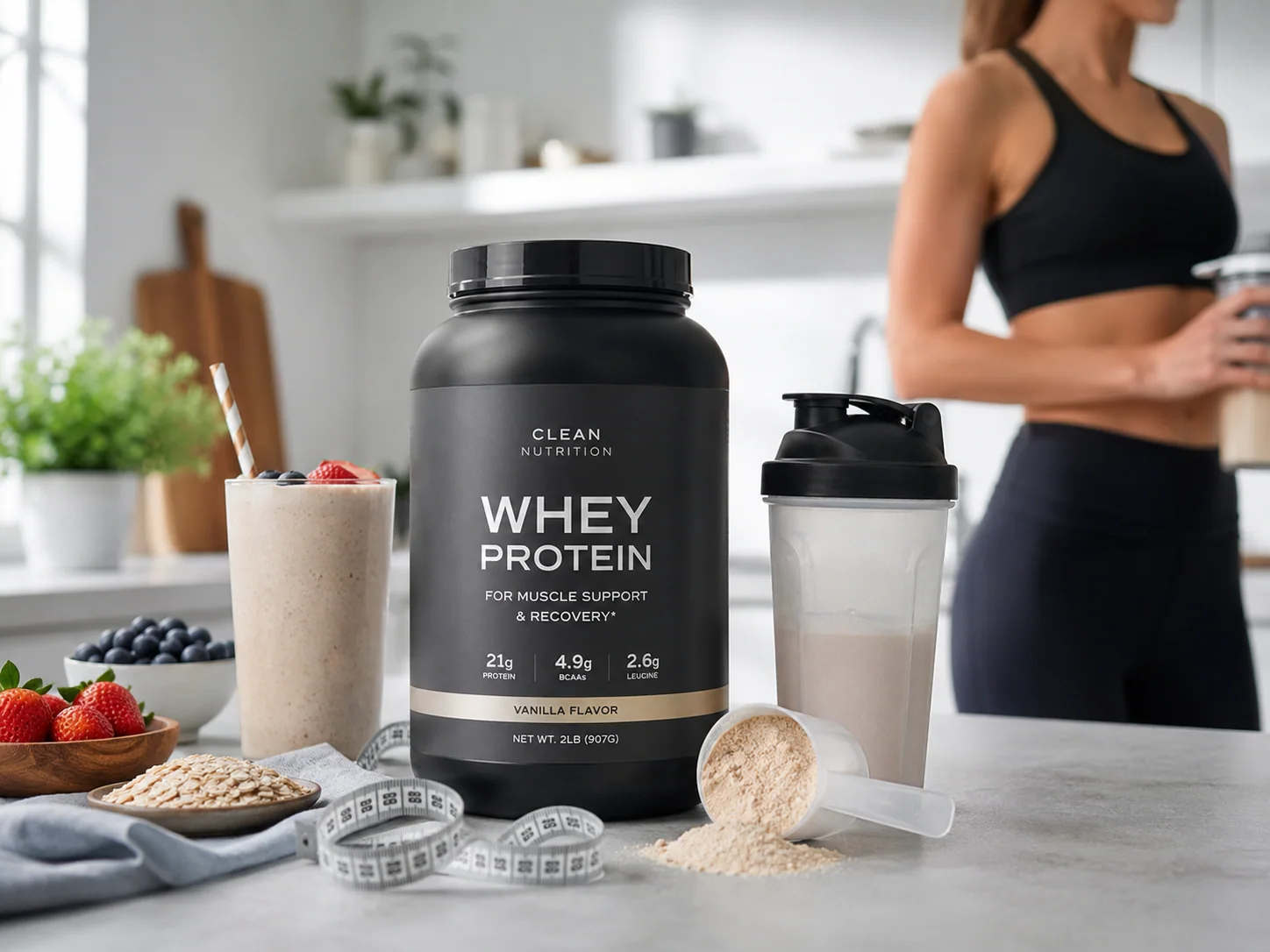
The reason whey protein is useful for fat loss is pragmatic: it makes hitting a high protein target cheap, convenient and low in fat and carbohydrate. A whey isolate shake at around 110 calories with 25g of protein is among the most calorie-efficient protein sources available.
Replacing a higher-calorie snack with a protein shake is a straightforward caloric swap that also raises protein intake. A bar of chocolate at 250 calories versus a whey shake at 120 calories, same hunger suppression, very different caloric cost.
What whey will not do
Whey protein is not a fat burner. It does not increase fat oxidation through any direct mechanism. The weight-loss benefit comes from its role in satiety, muscle preservation and meeting total protein targets, not from any special fat-burning property.
Adding whey shakes on top of an existing diet without creating a caloric deficit will not produce fat loss. It may help with muscle building if combined with training, but the fundamental driver of fat loss remains caloric deficit. Whey supports the quality of that deficit, not the deficit itself.
References
Sources and further reading
- 01Morton et al. — protein supplementation and resistance training
Systematic review and meta-analysis informing the emphasis on total protein and resistance training.
Frequently asked questions
Will whey protein make me fat?+
Not by itself. Like any food, excess calories cause weight gain. Whey protein consumed within your daily caloric allowance does not cause fat gain and actively supports a leaner body composition.
Should I use whey isolate or concentrate for weight loss?+
Isolate is marginally lower in calories and carbohydrates per serving, which suits a tight deficit. For most people the difference is small enough that concentrate, which is cheaper, is perfectly adequate.
How many whey shakes per day for weight loss?+
One to two shakes per day is common for people using whey to hit higher protein targets during a deficit. Total daily protein target and overall caloric goal should guide intake, not a fixed number of shakes.